
The question, “What does a Norwegian look like?” is deceptively simple, yet it opens a complex dialogue about identity, perception, and the subtle ways in which a nation’s visual representation is constructed and understood. While ostensibly about physical appearance, this query delves into the realm of branding – not of a corporate entity, but of a nation. National branding is a powerful force, shaping how a country is perceived internationally, influencing tourism, trade, and investment. Understanding the “look” of Norway, therefore, is akin to understanding its brand identity, a composite of tangible and intangible attributes that contribute to a collective image.
This exploration will move beyond simplistic stereotypes to examine the multifaceted visual cues and underlying cultural narratives that contribute to the perception of a “Norwegian look.” We will investigate the role of historical influences, geographical realities, and contemporary cultural expressions in shaping this visual identity, ultimately revealing how these elements coalesce to form a distinct national brand.
The Foundation of Form: Geography, Climate, and Ancestry
The physical appearance of any population is, to a significant degree, a product of its environment and its historical migratory patterns. For Norway, this foundation is deeply rooted in its unique geography and the climatic conditions that have shaped its people and their way of life for millennia.
Nordic Roots and Anthropological Influences
The physical characteristics often associated with Norwegians – fair skin, blonde or light brown hair, and blue or light-colored eyes – are largely attributed to their descent from Germanic and Norse peoples who inhabited Scandinavia. These traits are adaptations to lower levels of sunlight in northern latitudes, providing better vitamin D synthesis. While genetic diversity is, of course, a reality in any modern nation, these ancestral markers form a significant part of the foundational perception of a “Norwegian look.” Understanding these historical anthropological influences is crucial to grasping the origins of commonly held visual associations. It’s not about a monolithic representation, but about tracing the dominant genetic and evolutionary threads that have contributed to the broader visual tapestry of the population.
The Imprint of the Landscape
Norway’s dramatic landscapes – the vast coastlines, fjords, rugged mountains, and extensive forests – have not only influenced the lifestyle but also, arguably, the physical resilience and perhaps even the coloring of its inhabitants. Generations of living in proximity to the sea and engaging in outdoor pursuits like fishing, farming, and later, exploration, have likely fostered certain adaptations. The hardy nature required to thrive in these challenging environments is often subconsciously linked to a certain sturdiness of build or a weathered appearance that might be associated with those who live closely with nature. This connection to the natural world is a powerful element in the national brand of Norway, often evoked in tourism campaigns and cultural depictions. The “look” becomes intertwined with the environment it inhabits.
Adaptation to Light and Climate
The high latitude of Norway means distinct seasonal variations in daylight. The long, dark winters and the extended daylight of summer have played a role in the physiological characteristics of its people. The prevalence of fair skin and hair is a clear evolutionary adaptation to maximize vitamin D absorption from limited sunlight. This environmental influence is a direct biological factor that contributes to the visual traits commonly associated with Norwegians. It’s a testament to the powerful interplay between biology and geography, shaping both the people and their collective image.
Cultural Signifiers: Clothing, Style, and Contemporary Expression
Beyond inherent physical traits, the “look” of a nation is also significantly defined by its cultural expressions, particularly in fashion, style, and everyday presentation. These elements offer a dynamic and evolving canvas upon which national identity is painted.
Traditional Dress: The Bunad and Its Enduring Legacy
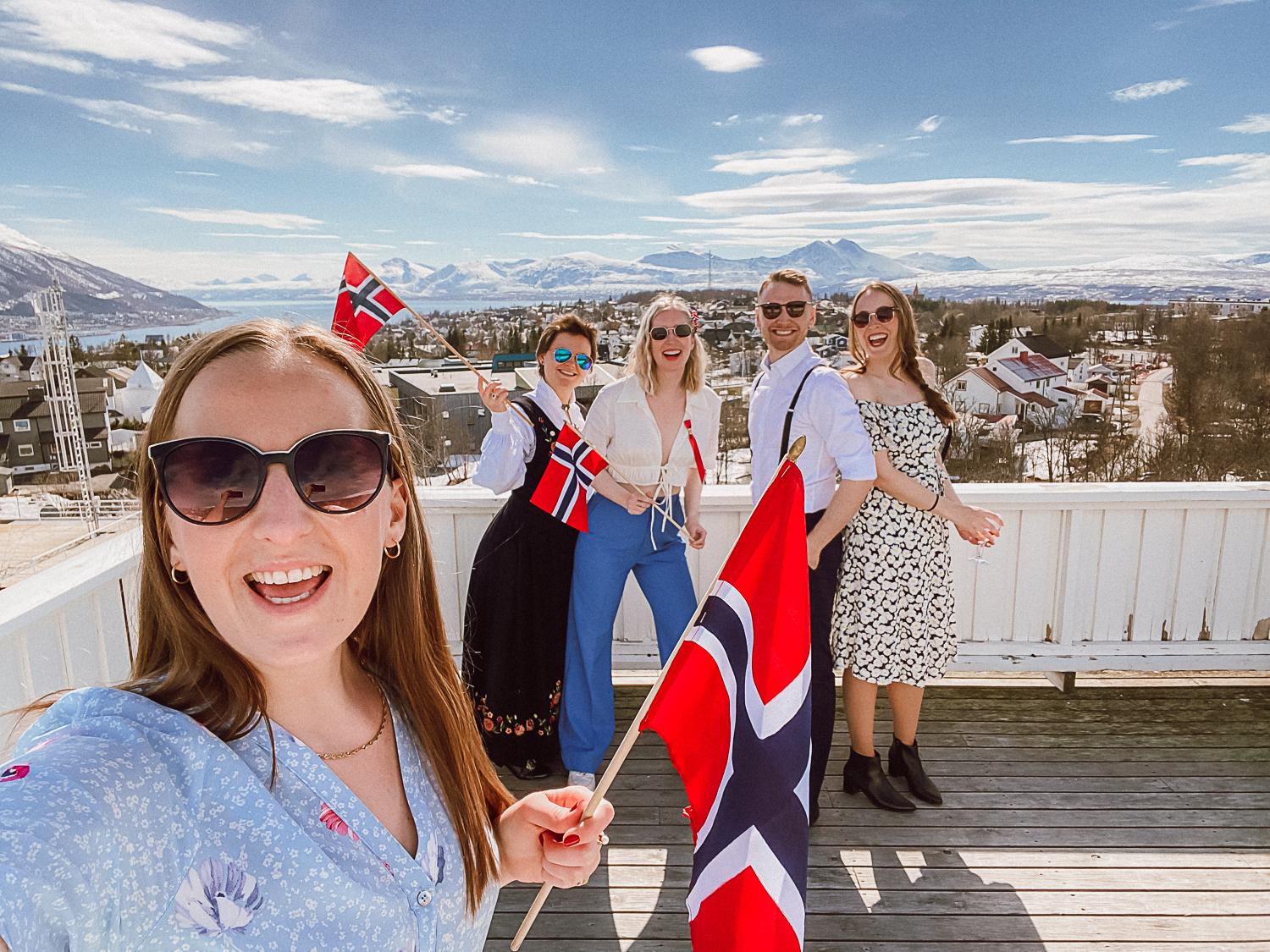
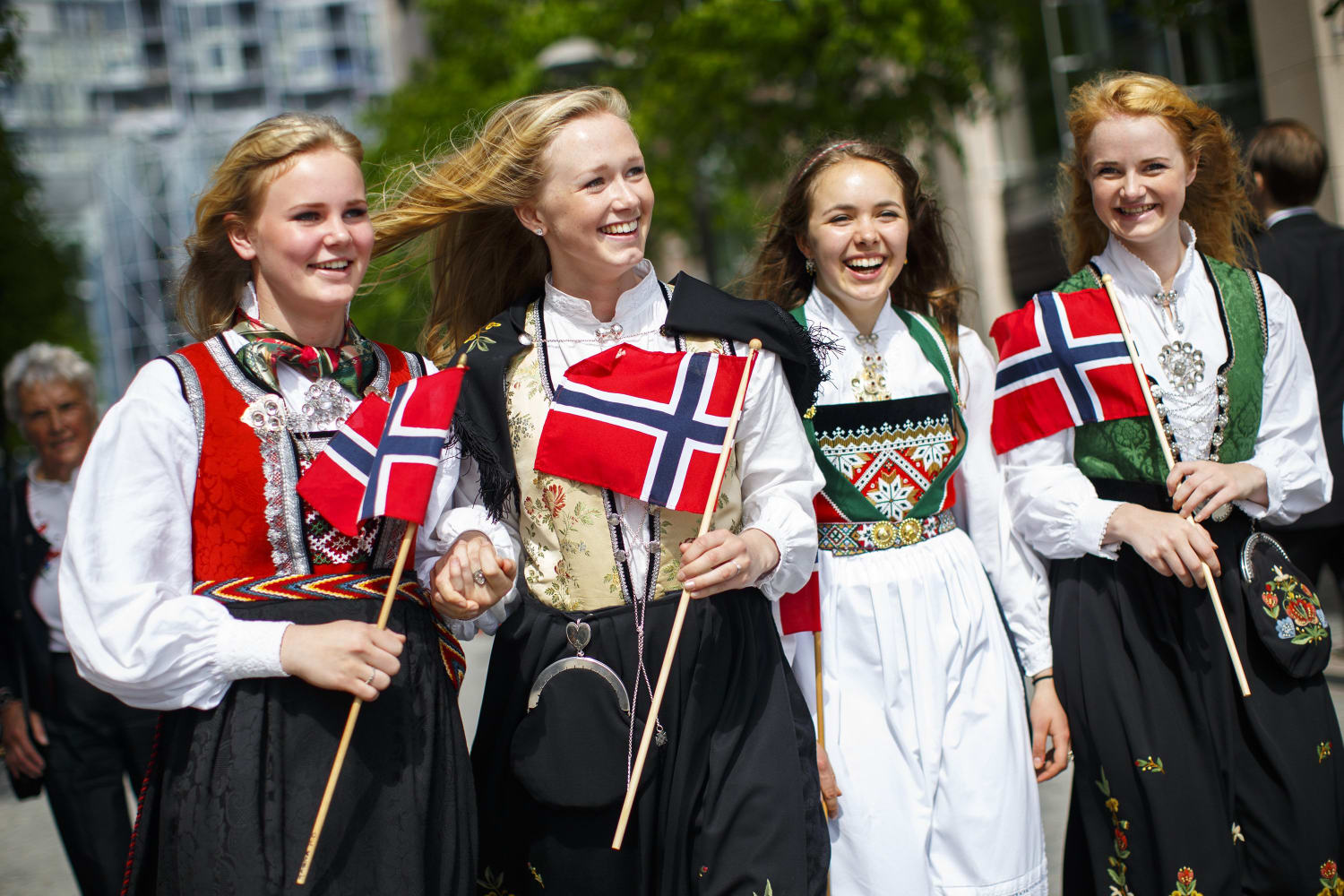
The bunad, Norway’s traditional folk costume, is perhaps one of the most potent visual signifiers of Norwegian identity. Far from being a relic of the past, the bunad is still widely worn today, especially during national celebrations like Constitution Day (May 17th). Each bunad is unique to a specific region and is meticulously crafted, often featuring intricate embroidery and traditional silver. The diversity of bunads across the country underscores regional identities within the broader national framework. The wearing of the bunad by a broad cross-section of the population, from young to old, at significant cultural events, solidifies its role as a powerful and living symbol of Norwegian heritage and pride. Its visual richness and historical depth contribute significantly to the perceived “look” of Norway as a nation that values its traditions.
Modern Scandinavian Aesthetics: Simplicity and Functionality
Contemporary Norwegian style often aligns with the broader Scandinavian design ethos, characterized by minimalism, functionality, and a deep appreciation for natural materials. This translates into everyday fashion that is often understated, practical, and timeless. Clean lines, neutral color palettes, and a focus on quality and durability are hallmarks of this aesthetic. This approach to style reflects a cultural preference for utility and a rejection of ostentation, contributing to a perception of Norwegians as grounded and pragmatic. This modern aesthetic, while distinct from traditional dress, also forms a crucial part of the contemporary “Norwegian look,” resonating with global trends in sustainable and conscious consumption.
The Influence of Outdoor Culture
Norway’s strong outdoor culture, deeply embedded in its society, also influences personal style. Whether it’s functional outerwear for hiking and skiing or casual wear suited for an active lifestyle, the emphasis is on practicality and comfort. This translates into a visual presence that often appears ready for activity, even in urban settings. The prevalence of durable fabrics, waterproof materials, and comfortable footwear are common sartorial choices that reflect this lifestyle. This emphasis on the outdoors adds another layer to the “Norwegian look,” suggesting an active, health-conscious, and nature-attuned populace.
Perceptions and Stereotypes: The Brand Image of “Norwegian”
The question “what does a Norwegian look like?” is often answered through the lens of collective perceptions and, inevitably, stereotypes. These images, while not always accurate in their granular detail, form the bedrock of a nation’s brand identity on the global stage.
The “Blonde, Blue-Eyed” Archetype
The most enduring visual stereotype of a Norwegian is the tall, blonde-haired, blue-eyed individual. This image is reinforced by historical depictions, media portrayals, and the sheer prevalence of these traits within the population. While this archetype captures a significant portion of the population, it also risks oversimplification and overlooks the rich diversity that exists within Norway due to centuries of migration and cultural exchange. This archetype, however, is a powerful element of the national brand, often leveraged in marketing and tourism to evoke a sense of purity, natural beauty, and a connection to ancestral Nordic heritage.
The “Nature Lover” and “Outdoorsy” Persona
Another pervasive element of the Norwegian brand is the image of the nature lover, the avid outdoors person. This persona is often visualized through images of people hiking in scenic landscapes, skiing down snowy slopes, or sailing on serene fjords. This aspect of the national brand is heavily promoted, particularly in tourism, as it capitalizes on Norway’s stunning natural environment. The “look” associated with this persona includes functional clothing, rosy cheeks from fresh air, and an overall impression of health and vitality derived from a close connection with the natural world.
The “Modern, Sophisticated, Yet Grounded” Image
In recent times, the Norwegian brand has also evolved to encompass a sense of modern sophistication coupled with a grounded, down-to-earth sensibility. This is reflected in contemporary design, innovation, and a progressive social outlook. The visual representation of this aspect of the brand can be seen in sleek, minimalist architecture, stylish urban fashion that balances trendiness with practicality, and a general impression of understated confidence. This refined yet unpretentious image contributes to a perception of Norway as a forward-thinking nation that values quality of life, sustainability, and a balanced approach to progress.
The Evolving Visual Narrative: Beyond Static Representations
Understanding what a “Norwegian looks like” is not about pinning down a static, immutable image. Instead, it’s about appreciating the dynamic evolution of a national identity, shaped by history, environment, culture, and the ever-changing global landscape of perception.
Embracing Diversity and Nuance
As Norway, like all nations, continues to evolve, so too does its visual narrative. Increased immigration and globalization contribute to a richer and more diverse population, challenging and expanding traditional notions of what a Norwegian looks like. Contemporary Norway is a mosaic of individuals, each with their unique heritage and appearance, contributing to a more complex and nuanced national identity. The visual brand of Norway is increasingly reflecting this reality, moving away from monolithic archetypes towards a more inclusive and authentic representation.
The Digital Footprint and Global Connection
In the digital age, the “look” of a nation is also shaped by its online presence. Social media, digital art, and global media platforms offer new avenues for Norwegians to express their identities and for the world to engage with them. This digital footprint allows for a more immediate and interactive understanding of the people, their culture, and their visual aesthetics. From viral TikTok trends to internationally acclaimed film and design, the digital realm plays a significant role in continuously updating and refining the visual brand of Norway, making it more accessible and relatable on a global scale.
The Brand of Authenticity and Quality
Ultimately, the perceived “look” of a Norwegian is often intrinsically linked to a broader brand of authenticity, quality, and a deep connection to nature. Whether it’s the craftsmanship of a bunad, the minimalist design of Scandinavian furniture, or the resilience of a people shaped by their environment, these elements coalesce to form a powerful and attractive national brand. The visual cues, from physical appearance to cultural expressions, all contribute to this overarching identity, presenting Norway as a nation that values substance, sustainability, and a life well-lived. The ongoing dialogue about what a Norwegian looks like is, in essence, a continuous redefinition and celebration of this multifaceted national brand.
aViewFromTheCave is a participant in the Amazon Services LLC Associates Program, an affiliate advertising program designed to provide a means for sites to earn advertising fees by advertising and linking to Amazon.com. Amazon, the Amazon logo, AmazonSupply, and the AmazonSupply logo are trademarks of Amazon.com, Inc. or its affiliates. As an Amazon Associate we earn affiliate commissions from qualifying purchases.