
Understanding the results of an HIV test is a crucial step in managing one’s sexual health. When you receive a test result, the terminology used can sometimes be confusing. One of the most common and reassuring outcomes is a “non-reactive” result. This term, however, doesn’t just signify a simple “yes” or “no”; it represents a complex interplay of biological processes and sophisticated diagnostic technology. To fully grasp what a non-reactive HIV test means, we need to delve into the technology behind these tests, how they are designed to detect the virus, and the implications of such a result for individuals and public health.
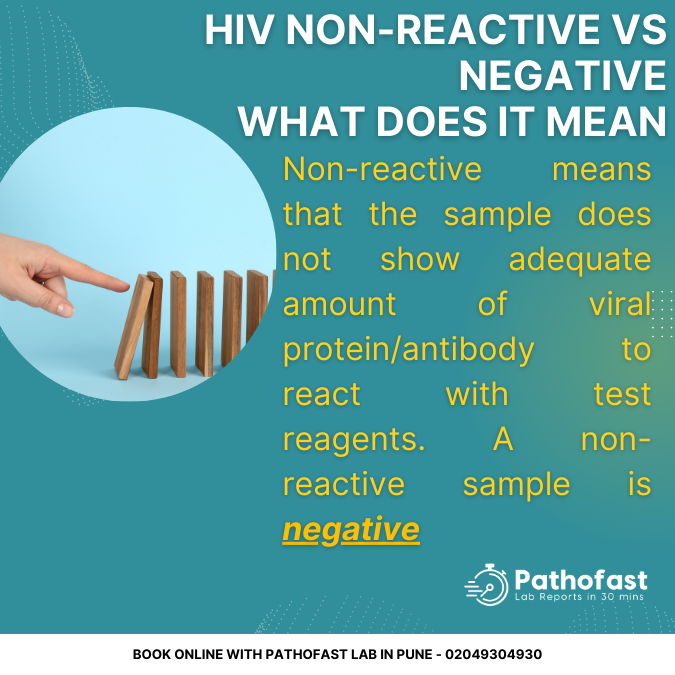
The Technological Underpinnings of HIV Testing
HIV testing technology has advanced dramatically since the early days of the epidemic. The primary goal of these tests is to detect either the presence of HIV antibodies, which the immune system produces in response to the virus, or specific components of the virus itself, such as its genetic material or antigens. The accuracy and speed of these tests are a testament to significant investment in biomedical research and development.
Antibody Detection: The Most Common Approach
The vast majority of HIV screening tests, particularly those used for initial detection, focus on identifying antibodies produced by the body in response to HIV infection. When the human immunodeficiency virus enters the body, the immune system recognizes it as a foreign invader and mounts a defense by producing antibodies. These antibodies are specific proteins that bind to the virus, aiming to neutralize it.
- How it Works: Antibody tests, often referred to as immunoassay or enzyme immunoassay (EIA) tests, utilize a process where a sample of blood, saliva, or urine is exposed to antigens that are known to be present on the HIV virus. If HIV antibodies are present in the individual’s sample, they will bind to these antigens. This binding triggers a detectable signal, often a color change, which indicates a potential presence of HIV.
- The “Window Period”: It’s critical to understand the concept of the “window period.” This is the time between initial HIV infection and when a test can accurately detect the virus or the antibodies it produces. During this period, an individual may be infected but their body may not have yet produced enough antibodies for the test to detect. This is why follow-up testing is sometimes recommended, especially if there was a potential exposure risk. The window period varies depending on the type of test used, with newer tests having shorter window periods.
Antigen Detection: An Earlier Indicator
Some modern HIV tests, often referred to as fourth-generation tests, can detect not only antibodies but also antigens. Antigens are specific parts of the virus itself, such as the p24 antigen. The p24 antigen is one of the core proteins of the HIV virus and is present in the bloodstream early in the infection, even before significant antibody production occurs.
- Advantages of Antigen Testing: Detecting the p24 antigen allows for earlier detection of HIV infection than antibody-only tests. This is particularly valuable in identifying individuals who may be in the acute phase of infection, when they are often most infectious.
- Combination Tests: Fourth-generation tests are “combination” or “comb-” tests because they simultaneously detect both HIV-1 antibodies, HIV-2 antibodies, and the p24 antigen. This multi-faceted approach enhances sensitivity and reduces the window period, providing a more comprehensive picture of infection status.
Nucleic Acid Tests (NATs): The Gold Standard for Early Detection
Nucleic Acid Tests (NATs), such as the HIV-1 RNA test, are highly sensitive and can detect the actual genetic material of the HIV virus. These tests are typically used for specific situations, such as screening blood donations, diagnosing infants born to HIV-positive mothers, or in cases where other tests have yielded indeterminate results.
- Mechanism of NATs: NATs work by amplifying specific segments of the HIV’s RNA to detectable levels. This process, known as polymerase chain reaction (PCR) or similar amplification techniques, allows for the detection of even very small amounts of viral genetic material.
- Early Detection Capability: NATs have the shortest window periods among all HIV testing technologies, capable of detecting infection as early as 10-33 days after exposure. While highly accurate, they are generally more expensive and complex to perform than antibody or antigen tests, which is why they are not typically used for routine screening in most public health settings.
Interpreting a Non-Reactive HIV Test Result
A “non-reactive” result on an HIV test is the most common and, for the individual, the most desired outcome. It signifies that, according to the sensitivity and specificity of the particular test used, the virus or antibodies to the virus were not detected in the sample. However, the interpretation of this result is nuanced and depends on several factors.
What “Non-Reactive” Specifically Implies
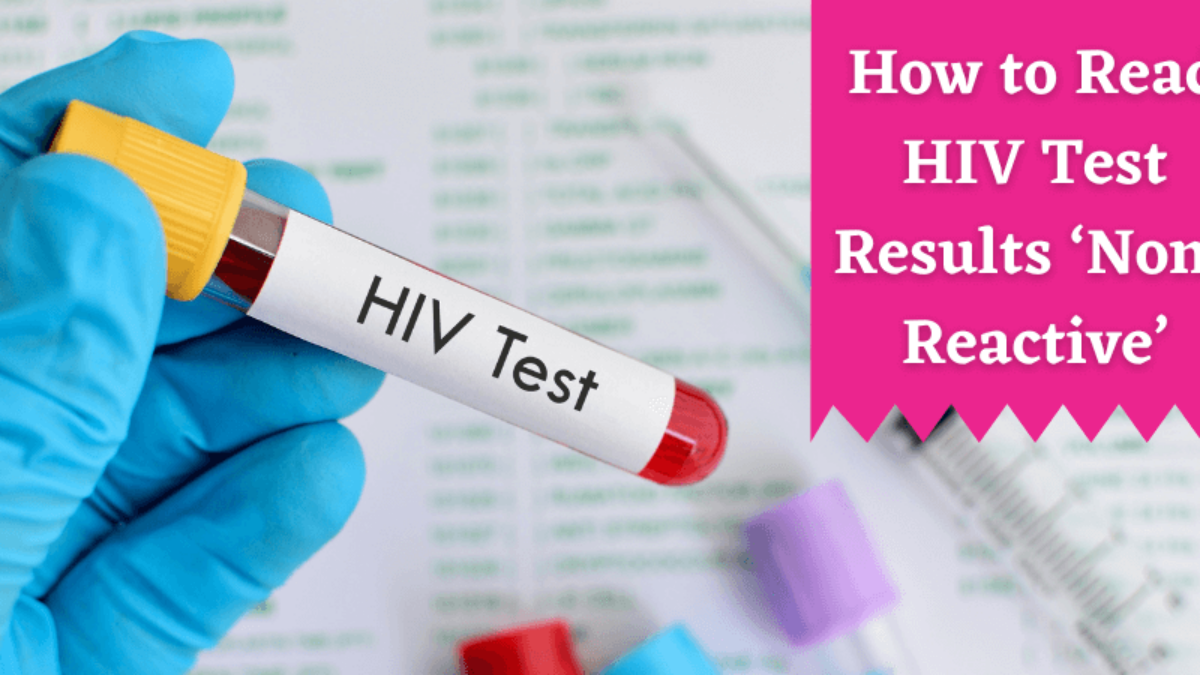
When an HIV test comes back non-reactive, it means that the diagnostic technology employed did not find evidence of HIV infection at the time the sample was collected. This is typically achieved by the test’s immunoassay system failing to detect a signal that would indicate the presence of HIV antibodies or antigens. The technology is designed to have a very low false-positive rate, meaning it’s highly unlikely to report a positive result when the virus is not present.
- High Specificity: The specificity of an HIV test refers to its ability to correctly identify individuals who do not have HIV. A highly specific test will yield very few false positives. Most modern HIV screening tests boast very high specificity, often exceeding 99%. This means that a non-reactive result is highly likely to be accurate.
- Absence of Detectable Markers: A non-reactive result indicates the absence of detectable HIV antibodies, antigens, or viral RNA (depending on the test type) within the detectable limits of the assay. This does not necessarily mean that HIV is impossible to have, but rather that it was not detected by the test.
The Crucial Role of the “Window Period”
The interpretation of a non-reactive result is intrinsically linked to the concept of the “window period.” If a test is performed too soon after a potential exposure to HIV, it might yield a non-reactive result even if the person has been infected. This is because the body has not yet had sufficient time to produce detectable levels of antibodies or antigens.
- Understanding Exposure Risk: The significance of a non-reactive result is amplified when considered in the context of recent potential HIV exposure. If an individual has had a high-risk exposure and receives a non-reactive test result shortly thereafter, it is essential to understand that this result might not be conclusive.
- Recommended Follow-Up Testing: Healthcare providers will often advise individuals who have had a recent potential exposure to undergo follow-up testing. This typically involves repeat testing after the expiration of the window period associated with the specific test used. For instance, if a person had a potential exposure two weeks ago and used a rapid antibody test with a 3-month window period, they would likely be advised to retest at the 3-month mark to confirm the initial non-reactive result. This approach minimizes the risk of a false-negative result due to early-stage infection.
Factors Influencing Test Accuracy Beyond the Window Period
While the window period is the primary consideration when interpreting a non-reactive result, other factors can, albeit rarely, influence the accuracy of an HIV test. These are generally uncommon with modern, well-validated tests but are worth understanding for a complete picture.
- Test Malfunction or User Error: Although highly unlikely with quality-controlled laboratory tests, there’s a theoretical possibility of a test malfunction or an error in sample collection or processing. However, stringent quality assurance protocols in diagnostic laboratories significantly mitigate this risk.
- Rare Immunological Responses: In extremely rare instances, an individual’s immune system might produce antibodies or antigens in a manner that is not typically recognized by standard HIV tests. These are often referred to as “atypical” antibody responses and may require more specialized testing for confirmation.
- Very Early or Very Late Stages of Infection: While NATs are designed for very early detection, and antibody tests are robust in later stages, the absolute earliest moments of infection or exceptionally rare scenarios of immune system suppression can present complexities. However, for the vast majority of individuals, standard screening tests are highly effective.
Public Health Implications and Technological Advancements
The ability to accurately and efficiently detect HIV infection, and to confidently interpret non-reactive results, has profound implications for both individual health and broader public health initiatives. Technological advancements continue to drive progress in HIV testing, making it more accessible, faster, and more informative.
The Impact of Accessible and Accurate Testing
The widespread availability of accurate HIV tests has been a cornerstone of the global response to the epidemic. When individuals can receive reliable results, they are empowered to make informed decisions about their health, seek treatment if necessary, and take steps to prevent further transmission.
- Early Diagnosis and Treatment: A non-reactive result, especially when obtained at the appropriate time relative to potential exposure, offers reassurance and peace of mind. For those who may have had a recent exposure, it guides them on the necessity of further testing, ultimately leading to earlier diagnosis and treatment initiation if infection is present. Early treatment of HIV significantly improves health outcomes and life expectancy.
- Prevention Strategies: Understanding one’s HIV status is a critical component of comprehensive HIV prevention strategies. Knowing that one is HIV-negative (indicated by a non-reactive test, confirmed after the window period) reinforces the importance of continued safe practices, such as consistent condom use, PrEP (Pre-Exposure Prophylaxis), and PEP (Post-Exposure Prophylaxis).
- Reducing Stigma: Increased access to testing and clear interpretation of results contribute to reducing the stigma associated with HIV. When testing is a routine part of healthcare, it normalizes the process and encourages more people to get tested without fear of judgment.

The Evolution of HIV Testing Technologies
The journey of HIV testing has been one of continuous innovation, driven by the need for greater accuracy, speed, and accessibility. These technological leaps have directly influenced the interpretation and utility of results like “non-reactive.”
- From Laboratory-Based to Point-of-Care: Early HIV tests were exclusively performed in specialized laboratories. Today, rapid HIV tests are available, allowing for results in as little as 20 minutes, often at the point of care in clinics, community health centers, and even at home. This shift has dramatically increased testing accessibility.
- Improved Sensitivity and Specificity: Modern HIV tests, particularly those used in clinical settings, have exceptionally high sensitivity and specificity. This means they are very good at correctly identifying those who are infected (high sensitivity) and those who are not infected (high specificity). This technological improvement underpins the confidence placed in a non-reactive result.
- The Future of HIV Testing: Research continues to explore even faster, more sensitive, and less invasive testing methods. This includes exploring multiplex assays that can detect multiple infections simultaneously, as well as exploring novel biomarkers for earlier detection. The ongoing technological evolution promises even greater precision and ease of use in the future.
In conclusion, a non-reactive HIV test result is a highly positive indicator, suggesting the absence of detectable HIV infection at the time of testing. However, its definitive interpretation hinges on understanding the underlying technologies employed, particularly the crucial concept of the window period. Coupled with advancements in diagnostic science, a non-reactive result provides valuable reassurance and empowers individuals to make informed decisions about their health and well-being within the broader context of ongoing public health efforts to combat HIV.
aViewFromTheCave is a participant in the Amazon Services LLC Associates Program, an affiliate advertising program designed to provide a means for sites to earn advertising fees by advertising and linking to Amazon.com. Amazon, the Amazon logo, AmazonSupply, and the AmazonSupply logo are trademarks of Amazon.com, Inc. or its affiliates. As an Amazon Associate we earn affiliate commissions from qualifying purchases.