
In the hyper-competitive ecosystem of New York City, a resume is far more than a chronological list of past employment. It is a high-stakes marketing document, a piece of collateral that serves as the primary touchpoint for your personal brand. In a city that serves as the global capital for finance, fashion, media, and advertising, your professional narrative must be as polished and high-impact as a Madison Avenue ad campaign.
When we ask “what does a New York resume look like,” we are not merely discussing font sizes or margins. We are examining the architecture of a brand identity. In the Manhattan market, “good” is the enemy of “great.” To stand out, your resume must embody a sophisticated blend of minimalist design, strategic positioning, and aggressive value-signaling.
The Manhattan Aesthetic: Minimalism and High-Impact Design
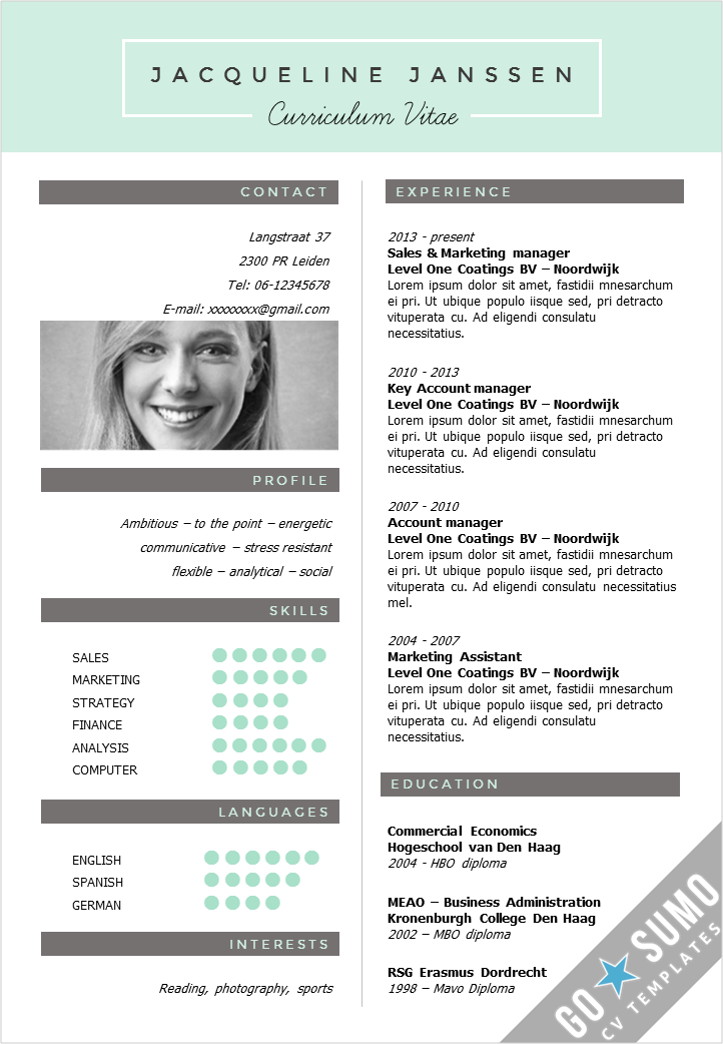
In New York, time is the most expensive commodity. Recruiters and hiring managers at top-tier firms often decide the fate of a candidate in under six seconds. Consequently, the visual identity of a New York resume must prioritize immediate clarity and “premium” aesthetics. This isn’t about flashy graphics; it’s about a design that communicates authority and attention to detail.
Precision over Clutter: The One-Page Rule
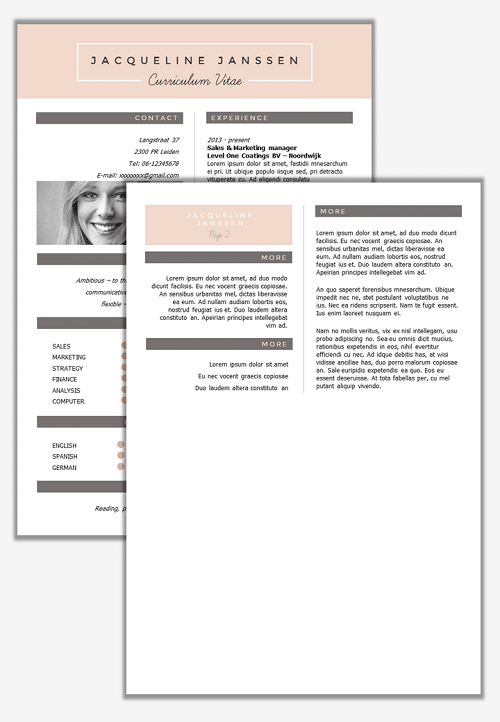
While the “two-page rule” is debated in other regions, the New York gold standard—especially for mid-to-senior level roles—remains a tight, high-density single page. This serves as a brand statement in itself: it suggests that the candidate has the ability to synthesize complex information and prioritize the most impactful data. A cluttered resume suggests a cluttered mind. By ruthlessly editing your career history down to the most prestigious and relevant achievements, you signal that your brand is high-value and curated.
Typography and White Space as Brand Statements
Personal branding is often communicated through what is not on the page. Strategic use of white space prevents “visual fatigue” and guides the reader’s eye to your key “brand pillars”—your job titles and your quantified successes.
In terms of typography, New York resumes lean toward classic, professional typefaces that suggest longevity and stability. For those in creative or branding sectors, sans-serif fonts like Helvetica or Montserrat offer a modern, forward-thinking vibe. For those in traditional corporate sectors, serif fonts like Garamond or Caslon communicate a legacy of excellence. Avoiding “default” fonts like Calibri or Times New Roman is a subtle way to show that you have a deliberate eye for design and brand presentation.
Strategic Positioning: Defining Your Unique Value Proposition (UVP)
A New York resume does not describe responsibilities; it sells results. In the world of brand strategy, we define a brand by its Unique Value Proposition—the specific benefit that only this brand can provide. On a resume, this translates to a shift from “what I did” to “how I created value.”
The Summary Statement: Your Elevator Pitch in Ink
The “Objective” statement is a relic of the past. In its place, the New York resume uses a “Professional Summary” or “Executive Profile.” This is your brand’s tagline. Within three to four lines, you must define who you are, your primary area of expertise, and the “North Star” of your career.
For example, instead of saying “Marketing professional seeking a growth role,” a New York brand narrative would say: “High-growth Brand Strategist with 10+ years of experience scaling D2C startups from Seed to Series C, specializing in cross-channel identity development and $50M+ budget management.” This immediately positions the candidate as a specific solution to a specific corporate problem.
Quantifying the Brand Narrative: Turning Duties into Achievements
In the capital of global capitalism, numbers are the language of success. A resume that lacks data is a brand without a track record. Every bullet point in a New York resume should follow the “Action + Context + Result” formula.
Instead of stating “Managed a team of designers,” a branded resume would state: “Led a cross-functional creative team of 12 to rebrand a legacy portfolio, resulting in a 22% increase in brand equity scores and a $4M reduction in annual agency spend.” By quantifying your impact, you move the resume from a passive document to an active proof-of-concept for your personal brand.

Industry-Specific Branding: Tailoring the Look for NYC’s Power Sectors
New York is not a monolith; it is a collection of distinct industry cultures. A resume that works for a creative director at an agency in DUMBO will look significantly different from one for a Private Equity Associate on Park Avenue. Understanding the “sub-brand” of your industry is crucial.
The Madison Avenue Look: Creative and Bold
For those in marketing, advertising, and design, the resume is a portfolio piece. Here, you have more license to experiment with layout, though the “New York” version remains sophisticated rather than “crafty.” This might include a subtle pop of a brand color (perhaps a deep navy or a slate grey) or a two-column layout that highlights specific skills or software proficiencies. The brand identity here is “The Innovator”—someone who understands trends but isn’t a slave to them.
The Wall Street Standard: Conservative and Timeless
In finance, law, and high-end consulting, the resume brand is “The Steward.” The look is strictly black and white, perfectly aligned, and traditionally structured. Any deviation from the standard format is often viewed as a lack of cultural fit. The branding here is found in the “pedigree”—the naming of prestigious institutions, the mention of high-stakes deals, and the demonstration of an unrelenting work ethic. The brand message is simple: “I am reliable, I am elite, and I understand the rules of the game.”
The Silicon Alley Approach: Modern and Agile
The New York tech scene (Silicon Alley) demands a brand that balances technical prowess with business acumen. These resumes often feature a “Skills Matrix” or a “Tech Stack” section prominently. The tone is more direct and less formal than Wall Street, but more structured than Madison Avenue. The brand identity is “The Problem Solver”—someone who can navigate the complexities of AI, software, or data science to drive a company’s bottom line.
Digital Brand Integration: Beyond the Paper Resume
In the modern era, a resume is rarely an isolated document. It is part of a multi-channel brand presence. A New York resume must be “omnichannel,” providing seamless transitions to your digital footprint.
Syncing with LinkedIn: The Digital Mirror
Your LinkedIn profile is the “extended mix” of your resume. In New York, it is standard practice for a recruiter to scan your resume and then immediately pull up your LinkedIn profile on a second monitor. If the branding—the tone, the dates, the core message—does not align, the brand trust is broken.
The New York resume should include a customized LinkedIn URL in the header. The “About” section on LinkedIn should expand on the “Summary” of the resume, providing more “brand personality” and perhaps a more conversational tone, while maintaining the same professional core.
Portfolio Sites and QR Codes: The Modern Brand Touchpoint
For professionals in design, branding, or media, a link to a digital portfolio is non-negotiable. However, even in non-creative fields, we are seeing the rise of “Personal Landing Pages.” A marketing executive might link to a site that features case studies of their most successful campaigns.
Some modern New York resumes have even begun to utilize discreet QR codes. While controversial in some circles, when used correctly (e.g., “Scan to view the full Q4 Case Study”), it signals that the candidate is tech-savvy and understands modern user journeys—valuable traits for any brand-focused role.
Conclusion: The Resume as an Invitation to a Brand Experience
Ultimately, a New York resume is a distilled version of your professional soul. It reflects your taste, your strategic thinking, and your understanding of the market you wish to enter. It is not a document used to “apply” for a job; it is a document used to “claim” a position.
When you master the New York resume, you are doing more than updating a CV; you are conducting a comprehensive audit of your personal brand. You are deciding which stories are worth telling, which metrics define your worth, and how you want to be perceived in the most competitive city on earth. By focusing on minimalist design, strategic positioning, and industry-specific nuances, you ensure that when a recruiter looks at your resume, they don’t just see a candidate—they see a premium brand that they cannot afford to ignore.
aViewFromTheCave is a participant in the Amazon Services LLC Associates Program, an affiliate advertising program designed to provide a means for sites to earn advertising fees by advertising and linking to Amazon.com. Amazon, the Amazon logo, AmazonSupply, and the AmazonSupply logo are trademarks of Amazon.com, Inc. or its affiliates. As an Amazon Associate we earn affiliate commissions from qualifying purchases.