
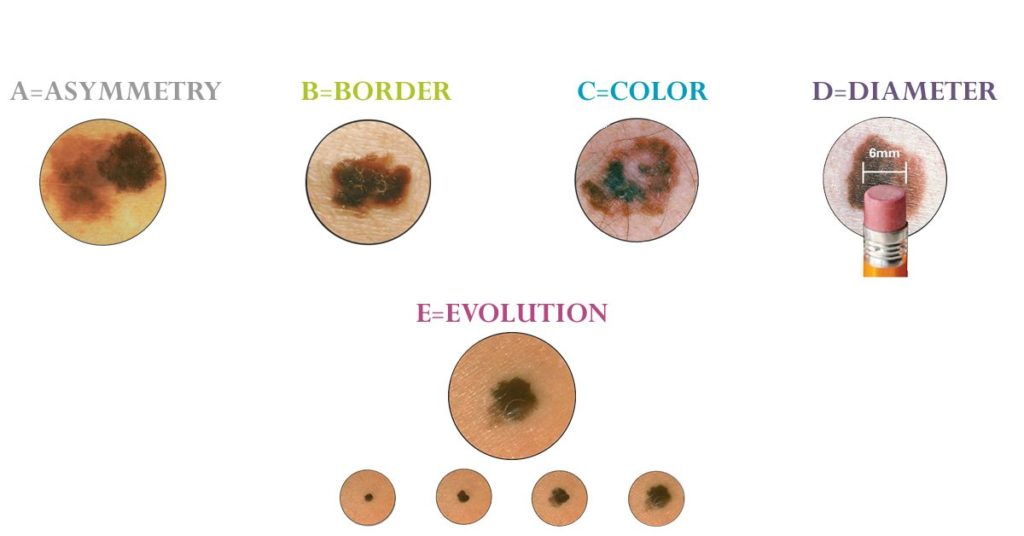
For decades, the standard answer to the question “what does a cancerous mole look like?” relied on the “ABCDE” rule—Asymmetry, Border, Color, Diameter, and Evolving. While these clinical markers remain the gold standard for patient education, the technological landscape of 2024 has fundamentally shifted how we visualize, analyze, and diagnose skin malignancies. We are no longer limited to the naked eye or a simple magnifying glass. Today, the “look” of a cancerous mole is defined by high-resolution pixels, neural network heatmaps, and algorithmic patterns that identify irregularities invisible to the human observer.
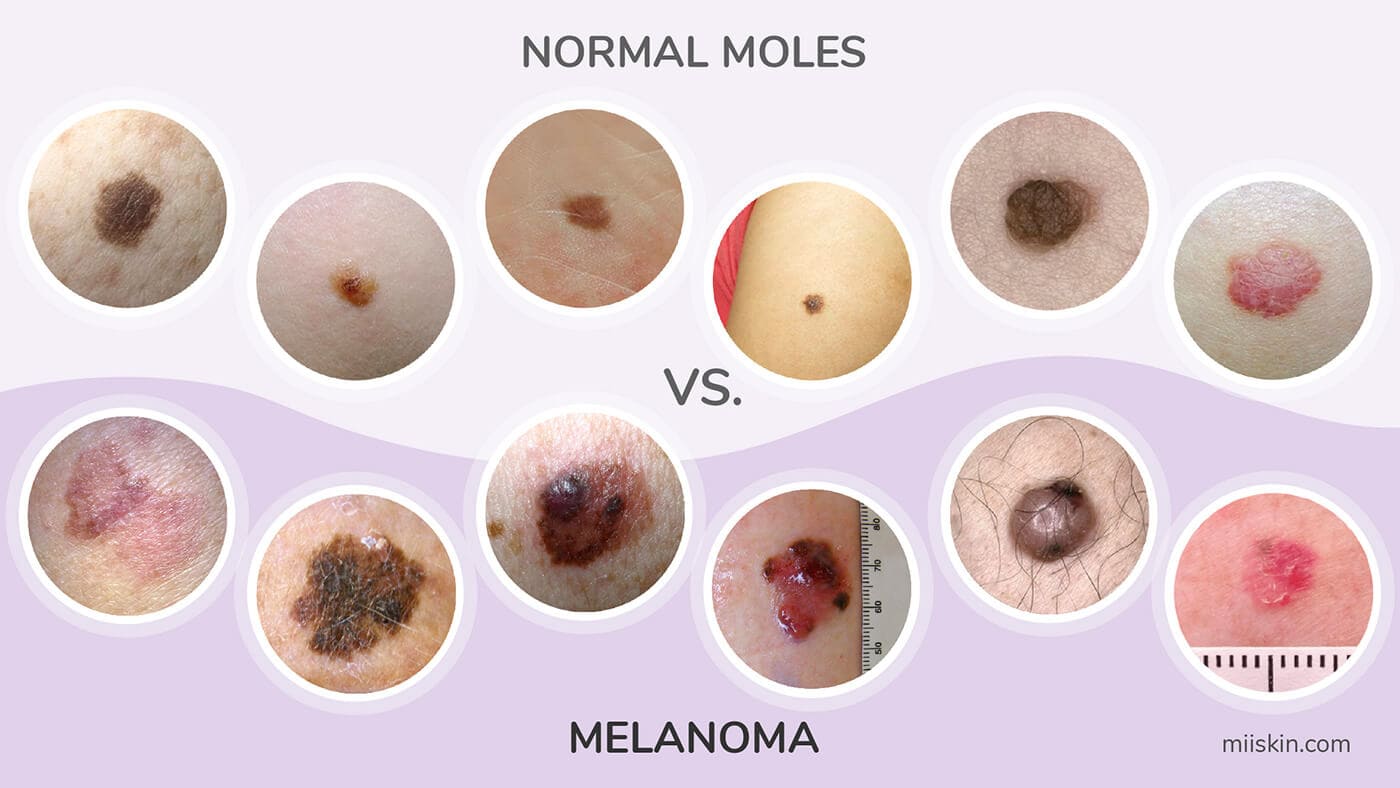
The intersection of healthcare and technology has birthed a new era of digital dermatology. By leveraging Artificial Intelligence (AI), machine learning, and advanced computer vision, the tech industry is providing tools that offer a level of precision previously reserved for laboratory biopsies. This article explores how technology is redefining the visual identification of skin cancer, the software powering these breakthroughs, and the digital security measures protecting this sensitive health data.
The Evolution of Skin Monitoring: From Manual Checks to Digital Precision
The traditional method of identifying a suspicious mole is inherently subjective. A dermatologist uses a dermatoscope—a handheld visual aid—to look for specific structural patterns. However, human error and “diagnostic fatigue” are persistent challenges. The technology sector has stepped in to bridge this gap, transforming the “visual check” into a data-driven process.
The Limitations of the Human Eye and the Digital Solution
Human vision is limited by spectrum and resolution. A mole that looks benign to the eye may harbor cellular irregularities that only high-definition imaging can capture. Tech firms are now developing multispectral imaging tools that “look” beneath the surface of the skin. These tools use different wavelengths of light to visualize blood vessel patterns and melanin distribution, identifying the “look” of cancer before it reaches the surface.
Digitizing the ABCDE Rule
Software developers have successfully translated the ABCDE criteria into mathematical formulas. Asymmetry is no longer a “guess”; it is a calculation of geometric variance across a vertical and horizontal axis. Border irregularity is measured by perimeter-to-area ratios, detecting “spicules” or jagged edges that indicate invasive growth. By digitizing these rules, technology provides a standardized baseline for what constitutes a “suspicious” mole, removing much of the subjectivity from early screenings.
Artificial Intelligence and Machine Learning: Training Algorithms to Spot Malignancy
At the heart of modern skin cancer detection is Artificial Intelligence. The “look” of a cancerous mole is now being taught to computers through massive datasets containing millions of images of confirmed melanomas, basal cell carcinomas, and squamous cell carcinomas.
How Computer Vision Processes Dermoscopic Images
Computer vision is a field of AI that enables computers to derive meaningful information from digital images. When a user or a doctor uploads a photo of a mole, the software breaks the image down into thousands of features. These include “texture analysis”—looking for the chaotic, disorganized patterns typical of cancer—and “globule detection,” which identifies the distribution of pigment. Unlike a human, an AI can compare a single mole against a database of 100,000 similar cases in milliseconds to determine the probability of malignancy.
Deep Learning and Neural Networks in Oncology
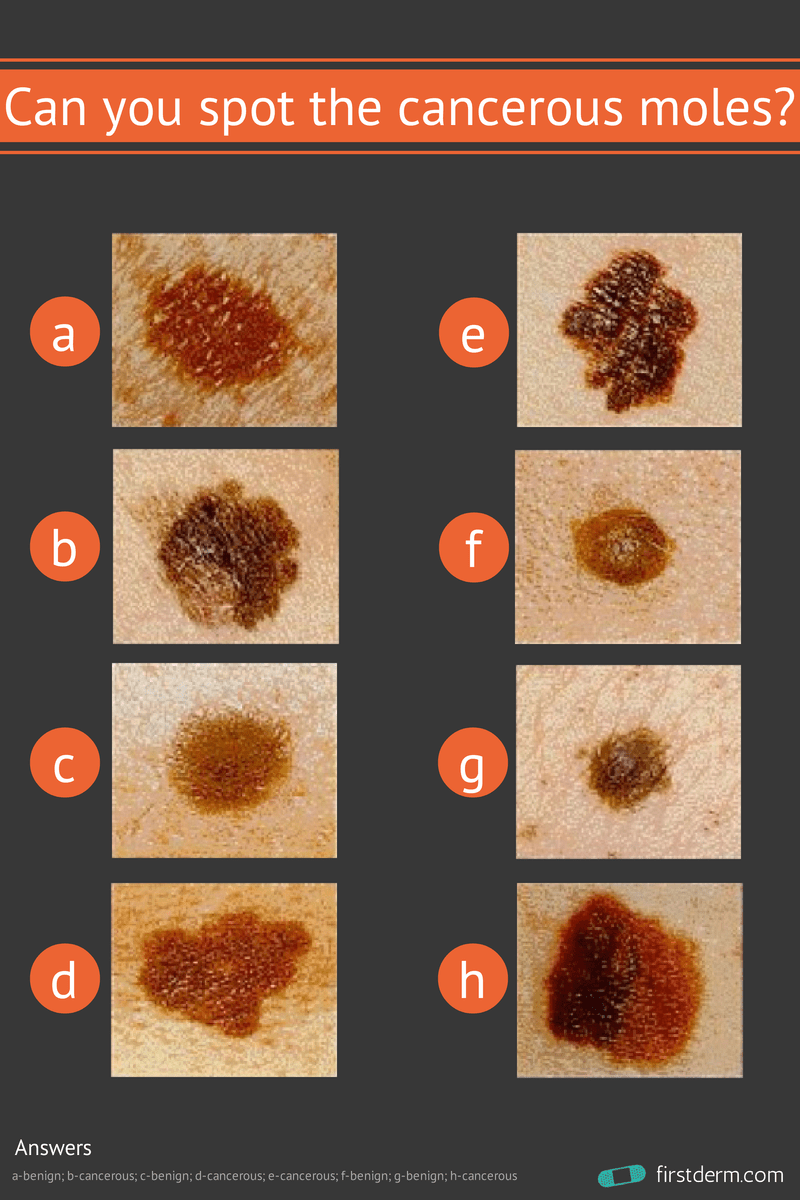
The most advanced tech in this space utilizes Convolutional Neural Networks (CNNs). These are algorithms modeled after the human brain’s visual cortex. Through deep learning, these networks have become incredibly adept at “seeing” the subtle nuances of a cancerous mole. In several high-profile tech studies, CNNs have outperformed board-certified dermatologists in identifying malignant melanomas. The “look” of cancer to a neural network involves identifying non-linear patterns and “feature maps” that indicate a breakdown in cellular architecture.
The Rise of Teledermatology and Consumer Skin-Tracking Apps
Technology has moved the ability to identify suspicious moles from the clinic to the palm of the hand. The proliferation of smartphone apps designed for skin health represents a massive shift in how the public interacts with preventative medicine.
Smartphone Gadgets and High-Resolution Imaging
The hardware in our pockets is a critical part of the diagnostic chain. Modern smartphone cameras, coupled with specialized “clip-on” dermatoscope lenses, allow users to capture medical-grade images at home. These gadgets bridge the gap between consumer tech and professional healthcare, allowing for a clearer visual record of a mole’s evolution over time. Apps like SkinVision and Miiskin use these images to track “evolving” moles—the ‘E’ in the ABCDE rule—by utilizing “map and track” software that alerts users to even the slightest change in a mole’s appearance.
Data Privacy and the Security of Health Information
As we use apps to photograph and analyze potentially cancerous moles, digital security becomes paramount. This is a significant focus within the tech industry: ensuring that “Private Health Information” (PHI) is encrypted and stored according to HIPAA or GDPR standards. The “look” of your skin is a unique biometric identifier. Leading software providers are now implementing end-to-end encryption and decentralized storage to ensure that these sensitive images are protected from data breaches. Digital security isn’t just about protecting passwords; in the niche of health-tech, it’s about protecting the visual data of a person’s body.
Integrating Tech into Preventative Care: The Future of Smart Monitoring
The future of identifying what a cancerous mole looks like lies in continuous, passive monitoring rather than one-off checks. The tech industry is moving toward a more holistic approach to skin health.
Wearable UV Sensors and Predictive Analytics
Beyond just looking at a mole, tech is looking at the environment. Wearable devices now track UV exposure in real-time, syncing with smartphone apps to provide a “risk profile” for the user. If a person has high UV exposure and a history of many moles, predictive analytics software can flag them for more frequent digital screenings. This proactive approach uses data to predict when a mole might begin to look cancerous, rather than waiting for it to happen.
The Collaborative Model: AI as an Assistant, Not a Replacement
The consensus in the tech community is that AI should serve as an “augmented intelligence” tool. While software can identify the visual markers of cancer with high accuracy, the final diagnosis remains with the physician. The “look” of a cancerous mole in the future will likely be presented to a doctor as a “probability score” generated by software, complete with highlighted areas of concern (heatmaps) that the AI has flagged. This collaboration ensures that the speed and data-processing power of technology are tempered by human judgment and clinical context.
Conclusion: A New Lens on Skin Health
When we ask what a cancerous mole looks like today, we are asking a question that involves pixels, algorithms, and data security as much as it involves biology. The tech industry has revolutionized dermatology by providing the tools to see better, analyze faster, and track more accurately.
Through the use of high-resolution computer vision, deep learning neural networks, and secure mobile platforms, the identification of skin cancer has become more accessible and precise. While the “ABCDE” rule remains the fundamental framework, technology has added a new layer of “Digital ABCDEs”—Automated, Biometric, Cloud-based, Data-driven, and Encrypted. As these technologies continue to evolve, the goal remains clear: to ensure that the “look” of a cancerous mole is identified at the earliest possible stage, leveraging the best that modern software and hardware have to offer to save lives.
aViewFromTheCave is a participant in the Amazon Services LLC Associates Program, an affiliate advertising program designed to provide a means for sites to earn advertising fees by advertising and linking to Amazon.com. Amazon, the Amazon logo, AmazonSupply, and the AmazonSupply logo are trademarks of Amazon.com, Inc. or its affiliates. As an Amazon Associate we earn affiliate commissions from qualifying purchases.