
In the vast lexicon of technology, few terms are as fundamental, yet as multifaceted, as “meter.” Far from being a mere unit of length or a simple device, a meter, in its broader technological context, represents the very essence of understanding, control, and progress. It is the tool that quantifies the intangible, gauges the invisible, and translates complex phenomena into actionable data. From the intricate circuits of a microchip to the sprawling networks of a smart city, meters are the silent arbiters of performance, efficiency, and reliability, serving as the indispensable eyes and ears of engineers, developers, and users alike.
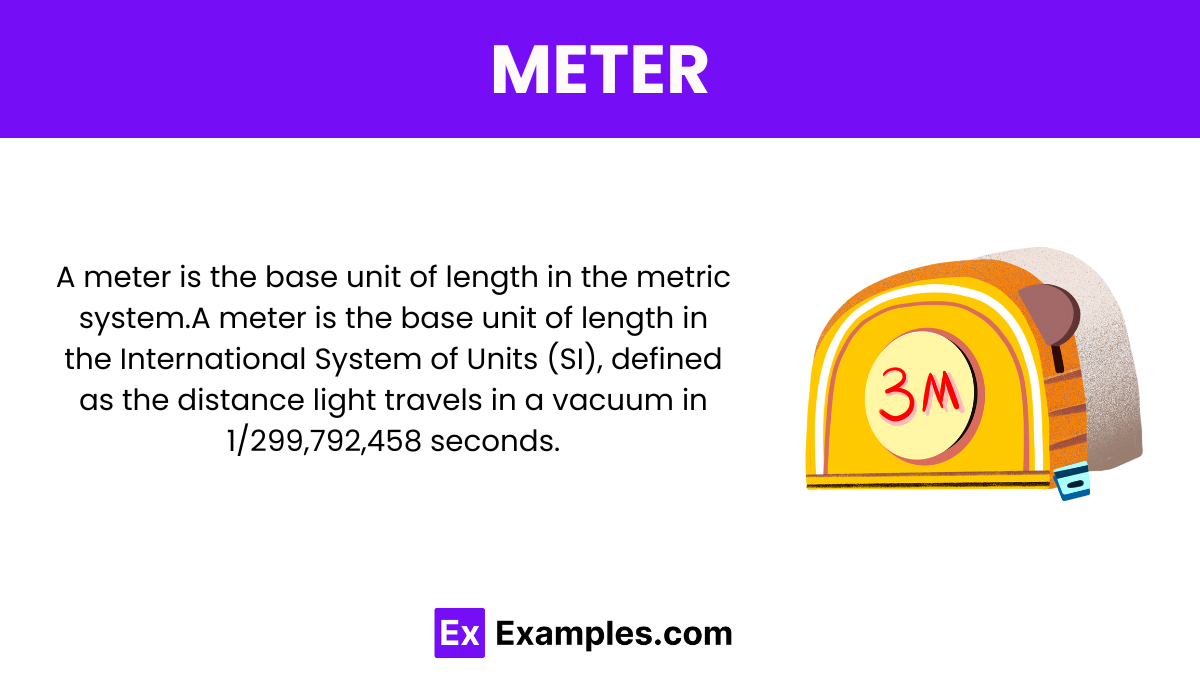
This article delves into the profound significance of “what a meter means” within the technological landscape. We will explore its diverse manifestations, from tangible diagnostic gadgets to sophisticated software-defined metrics, revealing how these ubiquitous tools drive innovation, enable precise troubleshooting, and lay the groundwork for intelligent, automated systems. Understanding the role of meters is not just about appreciating individual devices; it’s about grasping the underlying principle of informed decision-making that underpins all modern technological advancements.
The Fundamental Role of Meters in Tech Diagnostics and Performance
At its core, technology thrives on precision. Whether it’s ensuring a device operates within its specified parameters or diagnosing why it isn’t, meters provide the crucial data points. These instruments are not just about showing a number; they’re about revealing the hidden states and dynamic behaviors of complex systems, enabling engineers and technicians to identify issues, optimize performance, and maintain operational integrity.
Gauging Electrical Health: Multimeters and Power Analyzers
The lifeblood of almost all modern technology is electricity. Understanding its flow and characteristics is paramount for everything from designing a printed circuit board to managing a data center.
-
Multimeters: The Swiss Army Knife of Electronics: Perhaps the most iconic and widely recognized meter in the tech world is the multimeter. Capable of measuring voltage (potential difference), current (flow of charge), and resistance (opposition to flow), it is an indispensable tool for anyone working with electronics. From hobbyists troubleshooting a simple circuit to professional technicians diagnosing complex industrial machinery, the multimeter provides immediate, critical insights into the electrical health of a system. Digital multimeters (DMMs) have largely replaced their analog predecessors, offering greater accuracy, readability, and often additional functions like capacitance, frequency, and temperature measurement. They are essential for verifying power supplies, checking component integrity, and ensuring proper circuit operation, thereby preventing damage and enabling efficient repairs.
-
Power Analyzers: Unveiling Energy Consumption and Quality: Beyond basic electrical parameters, power analyzers delve deeper into the quality and efficiency of electrical power. These sophisticated meters measure not just voltage and current, but also power factor, harmonics, energy consumption (kWh), and peak demand. For data centers, industrial facilities, and even high-performance computing setups, power analyzers are critical for optimizing energy usage, identifying inefficiencies, and ensuring a stable and clean power supply. They play a pivotal role in green computing initiatives by pinpointing areas of energy waste and helping implement strategies for reduction, directly impacting operational costs and environmental footprint.
Network Monitoring and Connectivity: From Signal Strength to Packet Flow
In an increasingly interconnected world, the performance and reliability of networks are critical. Meters here evolve from physical probes to sophisticated software tools that visualize the invisible flow of data.
-
Network Cable Testers and Analyzers: Before data can flow efficiently, the physical medium – the cables – must be sound. Network cable testers verify continuity, detect shorts, open circuits, and wiring mistakes in Ethernet or fiber optic cables. More advanced network analyzers can measure signal quality, crosstalk, and impedance, ensuring that the physical layer of the network infrastructure meets performance standards. These meters are vital during installation and for diagnosing physical layer faults that can cause intermittent connectivity or slow speeds.
-
Wi-Fi Analyzers and Spectrum Scanners: Wireless networks introduce another layer of complexity. Wi-Fi analyzers are essential meters that scan the airwaves, identifying active networks, their channels, signal strength, and potential interference sources. They help optimize Wi-Fi deployments by recommending less congested channels, identifying dead zones, and ensuring robust connectivity in homes, offices, and public spaces. Spectrum scanners go a step further, visualizing radio frequency (RF) activity across a broader range, helping to diagnose interference from non-Wi-Fi devices that might be disrupting wireless communication.
-
Packet Sniffers and Network Performance Monitors: At the logical layer, software-based meters like packet sniffers (e.g., Wireshark) capture and analyze network traffic, allowing IT professionals to inspect individual data packets. This level of detail is invaluable for diagnosing application performance issues, identifying security breaches, and understanding network protocols. Network Performance Monitoring (NPM) tools aggregate data from various network devices, providing real-time dashboards that “meter” bandwidth usage, latency, packet loss, and overall network health, enabling proactive management and rapid incident response.
Environmental Sensing and Smart Systems: Meters Beyond the Wires
The concept of a meter extends far beyond electrical currents and data packets to encompass our physical environment. With the advent of the Internet of Things (IoT) and smart systems, environmental meters have become integral components, gathering data that drives automation, enhances comfort, and informs critical decisions.
Sound, Light, and Air Quality: Measuring Our Digital and Physical Spaces
Our interaction with technology is heavily influenced by our immediate surroundings, and meters provide the objective data needed to optimize these environments.
-
Sound Level Meters: Crafting Acoustic Experiences: From audio engineering and recording studios to industrial noise control and urban planning, sound level meters (decibel meters) quantify acoustic energy. In tech, they are crucial for setting optimal audio levels, calibrating sound systems, ensuring compliance with noise regulations, and even developing quieter computer hardware or data center cooling solutions. Their data helps in designing spaces that promote focus, mitigate distractions, or enhance immersive experiences in virtual reality and gaming.
-
Light Meters: Illuminating Optimal Visuals: Light meters measure illuminance (lux) or luminance (nits), playing a vital role in photography, cinematography, and display technology. For example, they are used to calibrate professional monitors for color accuracy, ensuring consistent visual experiences across different devices. In smart home technology and architectural design, light meters inform automated lighting systems that adjust based on ambient conditions, improving energy efficiency and user comfort. They are also critical for specialized applications like assessing UV exposure or horticultural lighting for controlled environment agriculture.
-
Air Quality Monitors: Breathing Life into Smart Environments: As indoor air quality gains increasing recognition for its impact on health and productivity, air quality monitors have become essential environmental meters. These devices detect various pollutants, including particulate matter (PM2.5, PM10), volatile organic compounds (VOCs), carbon dioxide (CO2), carbon monoxide (CO), and formaldehyde. Integrated into smart HVAC systems, smart homes, and industrial monitoring solutions, they provide real-time data that triggers ventilation, air purification, or alerts, creating healthier and more responsive living and working environments.
The Rise of Smart Meters and IoT Integration
Perhaps one of the most visible applications of advanced metering technology for the general public is the smart meter, a cornerstone of the Internet of Things (IoT) revolution.
-
Smart Utility Meters: Powering Efficiency and Data Insight: Traditional utility meters simply recorded consumption. Smart meters for electricity, gas, and water, however, are sophisticated IoT devices that wirelessly transmit consumption data to utilities at regular intervals, often hourly or even more frequently. This “metered” data is invaluable: it enables automated billing, eliminates the need for manual readings, and provides granular insights into usage patterns for both consumers and providers. For consumers, access to real-time consumption data empowers them to make informed choices about energy use, identify wasteful habits, and manage costs more effectively. For utilities, smart meter data facilitates demand-side management, allowing them to balance loads, predict peak usage, and integrate renewable energy sources more efficiently into the grid.
-
IoT Sensors as Ubiquitous Meters: Beyond utility applications, the IoT paradigm transforms virtually any sensor into a “meter.” Temperature sensors, humidity sensors, motion detectors, pressure sensors, and proximity sensors – all function as specialized meters, continuously gathering data from their environment. This data is then transmitted to cloud platforms, where it is analyzed, leading to automated actions, alerts, or long-term trend analysis. From smart agriculture monitoring soil moisture to industrial IoT platforms tracking machine vibrations for predictive maintenance, these “meters” form the fabric of intelligent, data-driven systems that define modern technological progress.
Data, Analytics, and the Evolution of Digital Metering
As technology matures, the concept of “metering” has increasingly moved from physical hardware to sophisticated software constructs. In the digital realm, performance, resource utilization, and user experience are all “metered” through complex algorithms and data aggregation, forming the bedrock of analytics and artificial intelligence.
Software-Defined Metrics and Virtual Meters
The paradigm of “everything as code” extends to metering, where software algorithms quantify aspects of digital systems that have no direct physical counterpart.
-
Operating System and Application Performance Metrics: Within operating systems, virtual “meters” track CPU utilization, RAM consumption, disk I/O, network bandwidth, and process activity. These metrics are crucial for system administrators and developers to monitor system health, identify bottlenecks, and optimize resource allocation. Similarly, Application Performance Monitoring (APM) tools act as highly sophisticated meters for software applications, tracking response times, error rates, transaction volumes, and user experience metrics. They break down application performance into granular components, effectively metering every step of a user’s journey or a data transaction, allowing for proactive issue detection and performance tuning.
-
Cloud Computing Resource Metering: In cloud environments, the concept of metering is central to both resource management and billing. Cloud providers extensively “meter” CPU cycles, memory usage, data storage, network egress, and API calls. This granular metering allows for flexible, pay-as-you-go billing models and enables users to precisely track and optimize their cloud expenditures. Furthermore, these virtual meters provide the data necessary for autoscaling services, ensuring applications have the resources they need without over-provisioning.
-
Website and User Engagement Analytics: For web and mobile applications, analytics platforms (e.g., Google Analytics) act as powerful user experience meters. They track website traffic, bounce rates, session duration, conversion funnels, and user demographics. This data meters user behavior, revealing what content is engaging, where users drop off, and how effective marketing campaigns are. These digital meters are indispensable for product development, marketing strategy, and overall business intelligence, allowing continuous iteration and improvement based on quantitative user insights.
The Meter as a Data Source: Fueling AI and Automation
The data meticulously collected by all forms of meters, both physical and virtual, is not merely for human consumption; it is the raw material that fuels the intelligent systems of tomorrow.
-
Big Data and Machine Learning Inputs: Every measurement taken by a meter contributes to a vast ocean of big data. This data, when aggregated and processed, becomes an invaluable input for machine learning algorithms. For instance, data from power meters can train AI models to predict energy demand, optimizing grid management. Data from environmental sensors can train models for smart climate control or predictive maintenance of HVAC systems. The more comprehensive and continuous the metering, the richer the dataset, leading to more robust and accurate AI models.
-
Predictive Maintenance and Anomaly Detection: In industrial settings, continuous metering of machine vibrations, temperatures, and power consumption allows AI systems to learn normal operational patterns. Any deviation, however slight, can be flagged as an anomaly, signaling a potential failure before it occurs. This predictive maintenance, driven by smart meters and AI, dramatically reduces downtime, extends equipment lifespan, and optimizes maintenance schedules, saving significant costs and improving operational safety.
-
Automation and Real-time Decision Making: The data streams from meters directly feed into automation platforms. For example, a temperature meter exceeding a threshold can automatically trigger a cooling system; a network performance meter detecting high latency can initiate a failover to a backup server. AI-driven automation takes this a step further, using real-time metered data to make complex, adaptive decisions – optimizing traffic flow in smart cities, adjusting manufacturing processes for quality control, or dynamically managing cloud resources.
Challenges and Future Directions in Metering Technology
While meters are indispensable, their evolution is not without hurdles. As they become more sophisticated and interconnected, new challenges emerge, pushing the boundaries of accuracy, security, and integration.
Accuracy, Calibration, and Reliability
The value of any meter is directly tied to the accuracy and reliability of its measurements.
-
Precision in Complex Environments: Achieving high precision can be challenging in real-world scenarios, particularly in harsh industrial environments, dynamically changing wireless spectrums, or with highly sensitive measurements. Factors like electromagnetic interference, temperature fluctuations, and sensor drift can all compromise accuracy. Rigorous engineering and sophisticated signal processing are required to mitigate these effects.
-
The Criticality of Calibration: To maintain accuracy over time, all meters require regular calibration against known standards. Calibration ensures that the meter’s readings are consistent and traceable to national or international measurement standards. As meters become more integrated and autonomous, ensuring their continuous calibration, sometimes remotely, becomes a significant logistical and technical challenge.
-
Reliability in Uninterrupted Operation: For mission-critical applications, meters must be not only accurate but also highly reliable, operating continuously without failure. This demands robust hardware, fault-tolerant designs, and often redundant systems to ensure an uninterrupted flow of vital data, especially in sectors like healthcare, aerospace, or industrial automation.
Security and Privacy in Connected Metering
As meters transition from isolated devices to networked components of the IoT, they become potential vectors for cyber threats and raise significant privacy concerns.
-
Vulnerability to Cyber Attacks: Smart meters and connected sensors, like any IoT device, can be vulnerable to hacking. A compromised utility meter could be manipulated to report false readings, disrupt critical infrastructure, or serve as an entry point into broader networks. Securing these edge devices, often deployed in vast numbers and remote locations, requires robust encryption, authentication protocols, and continuous monitoring for suspicious activity.
-
Data Privacy and Anonymization: The granular data collected by smart meters can reveal intimate details about occupants’ habits, such as when they are home, their energy-intensive activities, or even the types of appliances they use. Ensuring the privacy of this data, through anonymization, aggregation, and strict access controls, is paramount. Regulatory frameworks (like GDPR) are evolving to address these concerns, but the balance between data utility and privacy remains a complex ethical and technical challenge.
Miniaturization, Integration, and Advanced Sensing
The future of metering promises smaller, smarter, and more integrated solutions.
-
Ubiquitous Sensing through Miniaturization: The trend towards miniaturization will see meters embedded into virtually everything – clothing, infrastructure materials, even biological systems. Nanoscale sensors will provide unprecedented levels of detail and ubiquitous monitoring, creating hyper-aware environments.
-
Multi-sensor Fusion and AI-Driven Interpretation: Future meters will increasingly be multi-modal, combining several sensing capabilities into a single, integrated unit. Furthermore, AI will play a greater role in interpreting the complex data streams from these fused sensors, going beyond simple measurements to derive deeper insights and contextual understanding, leading to more intelligent and adaptive systems.
-
New Frontiers in Quantum and Exotic Material Sensing: Emerging fields like quantum sensing offer the potential for meters with unprecedented precision, capable of measuring magnetic fields, gravity, or time with incredible accuracy. Advances in materials science will also lead to new types of sensors capable of detecting previously unmeasurable phenomena or operating in extreme conditions, opening up entirely new applications for metering technology across scientific research, space exploration, and advanced manufacturing.
In conclusion, “what does a meter mean” is a question that reveals the very heart of technological progress. From the most basic multimeter to the most sophisticated AI-driven analytics platform, meters are the indispensable tools that allow us to quantify, understand, and ultimately control the complex world of technology. They provide the data that fuels innovation, ensures reliability, and empowers us to build smarter, more efficient, and more responsive systems. As technology continues its relentless march forward, the role of meters – evolving, adapting, and becoming ever more insightful – will only grow in importance, continuing to serve as the critical backbone of measurement and monitoring in our increasingly digital and interconnected world.
aViewFromTheCave is a participant in the Amazon Services LLC Associates Program, an affiliate advertising program designed to provide a means for sites to earn advertising fees by advertising and linking to Amazon.com. Amazon, the Amazon logo, AmazonSupply, and the AmazonSupply logo are trademarks of Amazon.com, Inc. or its affiliates. As an Amazon Associate we earn affiliate commissions from qualifying purchases.