
In the annals of corporate communication, the memorandum, or memo, has long stood as a pillar of internal messaging. Its purpose is clear: to convey information, requests, reports, or directives efficiently within an organization. For decades, its “look” was largely standardized, a testament to its formal and functional nature. However, the relentless march of technology has profoundly reshaped not just how we communicate, but also the very appearance and underlying structure of these essential documents. In an era dominated by digital tools, artificial intelligence, and sophisticated security protocols, understanding what a memo looks like requires moving beyond the static image of a paper document to embrace its dynamic, tech-infused manifestations.
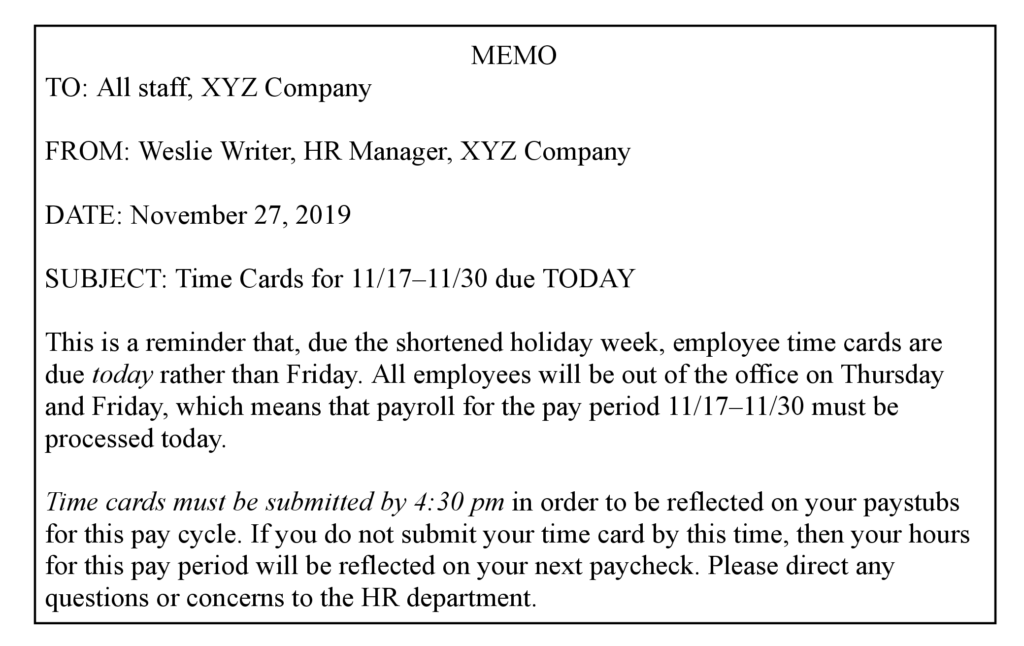
The Evolution of the Memo: From Paper to Pixels
To fully grasp the contemporary appearance of a memo, it’s crucial to acknowledge its origins and the journey it has undertaken from physical artifact to digital data stream. The core elements have endured, but their presentation and the underlying technology enabling them have undergone a radical transformation.
The Traditional Template: A Foundation
Historically, a memo adhered to a strict, recognizable format. It was typically a printed document, often on letterhead, featuring specific headers: “TO:”, “FROM:”, “DATE:”, and “SUBJECT:”. The body would follow, delivering concise information without salutations or closings, maintaining a professional and direct tone. Its physical “look” was uniform: crisp text, sometimes a company logo, and a clear, uncluttered layout designed for rapid assimilation of information. This template was not just about aesthetics; it was a system engineered for efficiency and clear attribution in a paper-based office. It represented a formalized record, often filed physically, and its appearance was synonymous with its authority and archival value. While the physical paper memo is increasingly rare in many offices, its structural elements continue to influence digital formats, providing a familiar framework even within modern applications.
Digital Transformation: Efficiency and Accessibility
The advent of personal computers and word processing software marked the first major shift. Memos moved from typewriters to digital files, allowing for easier editing, sharing via internal networks, and eventually email. This transition didn’t immediately alter the look dramatically, but it opened the door for customization and rapid distribution. Companies could create digital templates ensuring consistency, and the memo’s appearance became standardized across entire organizations with minimal effort.
Today, the digital transformation is complete. Memos are primarily created, shared, and consumed on screens. They exist as email bodies, attachments, collaborative documents in cloud platforms, or even as messages within internal communication tools. This digital existence fundamentally changes “what a memo looks like.” It’s no longer just a static image but an interactive entity, often embedded with links, multimedia, and collaboration features. Its appearance is now dynamic, adapting to various screen sizes and user interfaces, prioritizing readability and accessibility across diverse devices—from desktop monitors to smartphones.
Technological Tools Shaping Modern Memo Design
The modern memo’s appearance is inextricably linked to the software and platforms used to create and disseminate it. These tools not only dictate formatting options but also imbue memos with capabilities far beyond what paper could ever offer.
Word Processors and Collaborative Platforms
Software like Microsoft Word, Google Docs, and Notion serve as the primary canvas for memo creation. These platforms offer a vast array of formatting options that directly influence the memo’s “look”:
-
Templates: Both proprietary and custom templates ensure brand consistency and professional appearance. These templates often incorporate corporate logos, specific fonts, color schemes, and pre-defined sections for standard memo headers, ensuring that every memo adheres to a visual brand identity.
-
Typography and Layout: Digital tools provide granular control over fonts, sizes, line spacing, and paragraph styles. This allows for optimal readability, use of headings and bullet points to break up text, and the strategic use of white space—all contributing to a clean, professional, and easily digestible appearance.
-
Multimedia Integration: Unlike paper memos, digital memos can seamlessly embed images, charts, graphs, and even short video clips or audio snippets. This significantly enhances the memo’s communicative power and visual appeal, transforming it from plain text into a richer, more engaging document.
-
Collaborative Features: Platforms like Google Docs allow multiple users to work on a memo simultaneously, with tracked changes, comments, and version history visible to all collaborators. While not directly altering the final “look,” these features are integral to the memo’s creation process and its evolving appearance during drafting.
Specialized Communication Software
Beyond traditional word processors, dedicated communication and project management platforms like Slack, Microsoft Teams, Asana, and Monday.com have introduced new forms of internal “memos.” While not always labeled as such, their functionalities often serve the same purpose: internal announcements, project updates, and policy dissemination.
-
Structured Messages: Within these tools, “memos” might look like structured posts or announcements with rich text formatting, bolding, italics, bullet points, and the ability to tag specific individuals or channels. They often incorporate emoji reactions, threaded comments, and read receipts, making the communication more interactive and trackable.
-
Integrated Workflows: The “look” of a memo here isn’t just static text; it’s part of a larger workflow. It might include interactive elements like poll questions, integrated task lists, or links to external documents, all within the message interface. This makes the memo a functional piece of an ongoing digital conversation, rather than a standalone document. The visual presentation is optimized for rapid consumption and action within the application’s interface.
AI and Automation in Memo Creation
Artificial intelligence is rapidly transforming the entire document creation workflow, and memos are no exception. AI tools are not just assisting in writing; they are actively shaping the content, structure, and visual presentation of memos, making them more efficient, targeted, and impactful.
AI-Powered Drafting and Summarization
Large Language Models (LLMs) like GPT-4 are now capable of drafting memos from scratch based on a few prompts or summarizing lengthy reports into concise memo formats. This capability drastically alters the “look” of the memo by:
-
Optimizing Conciseness: AI can help eliminate jargon and superfluous language, leading to leaner, more direct memos. This results in a cleaner visual appearance, free from dense paragraphs and unnecessary wordiness.
-
Ensuring Clarity and Tone: AI can be instructed to maintain a specific professional tone, ensuring consistent messaging across an organization. It can also rephrase sentences for maximum clarity, making the memo’s content immediately understandable and visually easier to process.
-
Structure Generation: AI can automatically generate logical headings, subheadings, and bullet points, giving the memo a well-organized and professional visual structure without manual effort. This ensures uniformity in appearance even when different individuals are drafting content.
Template Generation and Style Guide Enforcement

AI can go beyond text generation to assist with the visual aspects of memo creation:
-
Smart Templates: AI-powered tools can suggest or generate templates that adhere to corporate branding guidelines (colors, fonts, logo placement) based on the memo’s purpose or recipient. This ensures every memo automatically has the correct professional “look” without requiring manual design adjustments.
-
Automated Style Checks: AI can analyze a drafted memo against established corporate style guides, identifying deviations in formatting, font usage, or even preferred terminology. This ensures a consistent visual and linguistic identity across all internal communications, reinforcing the corporate brand through every memo.
-
Accessibility Compliance: AI can also flag or automatically correct accessibility issues, such as insufficient color contrast or lack of alternative text for images, ensuring that the memo’s visual presentation is inclusive for all readers.
Personalization and Audience Targeting
Advanced AI systems can analyze internal data to tailor memos to specific audiences, impacting both content and presentation:
-
Dynamic Content: An AI could, for instance, generate a single memo template but dynamically populate sections with information relevant only to specific departments or individuals. This means the same memo could “look” different to various recipients, presenting only the most pertinent information and avoiding irrelevant clutter.
-
Preferred Communication Styles: Over time, AI could learn an individual’s or team’s preferred communication style or formatting. For example, some teams might prefer highly visual memos with infographics, while others prefer bulleted lists. AI can adjust the memo’s presentation accordingly, optimizing engagement and ensuring the “look” resonates with its target audience. This moves beyond a one-size-fits-all appearance to a more adaptive, intelligent design.
Digital Security and Archiving for Memos
The digital nature of modern memos also brings critical considerations regarding their security and longevity. The “look” of a memo extends beyond its visual aesthetics to its underlying digital integrity and management within an organization’s tech infrastructure.
Protecting Sensitive Information: Encryption and Access Control
Digital memos, especially those containing sensitive company data, intellectual property, or financial information, require robust security. The “look” of a secured memo might not be outwardly different, but its protection is fundamental to its integrity:
-
Encryption: Memos transmitted via email or stored in cloud services often rely on encryption protocols (e.g., TLS for transit, AES-256 for rest) to prevent unauthorized interception or access. While invisible to the end-user, this technological layer is crucial to the memo’s trustworthiness and its functional “look” as a secure document.
-
Access Controls: Modern document management systems employ granular access controls. A memo’s “look” might include visible indicators of its classification (e.g., “Confidential,” “Internal Only”), but the real security lies in the backend technology that restricts who can view, edit, or share the document. This is integrated with user authentication systems, ensuring only authorized personnel interact with the sensitive content.
Cloud Storage and Version Control
The shift to cloud-based storage solutions fundamentally alters how memos are managed and accessed, influencing their persistent “look” over time:
-
Centralized Repositories: Memos are no longer scattered across individual hard drives but reside in centralized cloud platforms (e.g., SharePoint, Google Drive, Dropbox Business). This means a memo always “looks” like the latest approved version, accessible from anywhere.
-
Version History: These platforms maintain a complete version history, allowing users to revert to previous iterations. This technological feature ensures that the memo’s “look” can be traced through its development, showing how it evolved and who made specific changes. This audit trail is an intrinsic part of its digital appearance and reliability.
-
Redundancy and Backup: Cloud storage provides automatic backups and redundancy, ensuring that a memo’s digital “look” is preserved against data loss, making it a reliable and permanent record.
Compliance and E-discovery
For many organizations, memos are official records, subject to regulatory compliance and legal discovery processes. The tech infrastructure plays a vital role in this aspect of the memo’s “look”:
-
Metadata: Digital memos carry extensive metadata (creation date, author, last modified, keywords). This data is invisible but critical for e-discovery, providing context and authenticity to the memo’s appearance as a legal document.
-
Retention Policies: Technology enforces automated retention policies, ensuring memos are stored for required periods and defensibly disposed of when no longer needed. This systematic management contributes to the memo’s official “look” as a controlled and compliant document.
-
Audit Trails: Every interaction with a digital memo—who viewed it, when, what changes were made—is logged. This audit trail, a technological feature, contributes to the memo’s authoritative “look” as a verifiable corporate record.
The Future of the Memo: Beyond Text
As technology continues its rapid advancement, the “look” of the memo is poised for even more profound transformations, moving beyond static text to become a highly dynamic, interactive, and intelligent communication tool.
Interactive Memos and Multimedia Integration
The trend towards richer, more engaging communication will see memos incorporating increasingly sophisticated multimedia elements:
-
Embedded Rich Media: Future memos might seamlessly embed interactive dashboards, live data feeds, virtual reality walkthroughs, or augmented reality overlays directly within the document. Imagine a memo announcing a new product, where users can instantly access a 3D model or a simulated experience of the product within the memo itself. The “look” would be less document, more interactive experience.
-
Personalized Interfaces: The memo’s interface could dynamically adjust based on user interaction, allowing readers to drill down into specific data points, view different angles of a diagram, or listen to an audio explanation from the sender. This moves the memo’s appearance from passive consumption to active engagement.
AI-Driven Insights and Actionable Memos
AI will continue to enhance the memo’s functionality, making it not just informative but truly actionable:
-
Predictive Analytics: Memos might integrate AI that can predict potential impacts of the information being conveyed. For example, a memo outlining a policy change could dynamically display projected outcomes based on historical data. This changes the “look” from a report to a strategic insight generator.
-
Automated Action Triggers: AI could integrate memos with workflow automation tools. A memo announcing a new project might automatically generate tasks in a project management system, assign responsibilities, and set deadlines based on its content. The “look” becomes a launchpad for immediate action.
-
Sentiment Analysis and Feedback Loops: AI could analyze reader sentiment from comments or reactions to a memo, providing real-time feedback to the sender on clarity or reception, potentially suggesting revisions to its appearance or content for future communications.

The Blurring Lines: Memos in a Decentralized Communication World
The concept of a distinct “memo” might evolve significantly as communication platforms become more integrated and decentralized.
-
Modular Information Units: Instead of a single, monolithic document, future “memos” might consist of modular information units shared across various platforms—a key bullet point on a dashboard, a summary in a chat bot, a full report in a collaborative workspace. The “look” would be adaptive and context-dependent.
-
Voice and Conversational Memos: With advances in natural language processing, memos could be drafted and consumed via voice interfaces. A “memo” might “look” like a summary generated by an AI assistant in response to a voice query, or even an AI-generated audio message.
-
Blockchain for Veracity: For highly sensitive or legally binding internal communications, blockchain technology could be used to create immutable records of memos, ensuring their integrity and timestamp. This would add an invisible layer of trust and authenticity to the memo’s official “look.”
In conclusion, “what a memo looks like” in the modern technological landscape is a far cry from its paper-bound predecessor. It’s a testament to the power of digital tools, the intelligence of AI, and the critical importance of robust security protocols. From interactive templates and multimedia integration to AI-driven drafting and secure cloud archiving, the contemporary memo is a dynamic, intelligent, and increasingly adaptive entity, continually evolving to meet the complex communication demands of the digital age. Its appearance is not just static visual design but a reflection of the sophisticated technology underpinning its creation, dissemination, and enduring relevance.
aViewFromTheCave is a participant in the Amazon Services LLC Associates Program, an affiliate advertising program designed to provide a means for sites to earn advertising fees by advertising and linking to Amazon.com. Amazon, the Amazon logo, AmazonSupply, and the AmazonSupply logo are trademarks of Amazon.com, Inc. or its affiliates. As an Amazon Associate we earn affiliate commissions from qualifying purchases.