
A mandatory evacuation, a term often associated with urgent pronouncements from authorities during emergencies, carries significant weight and implications. While its immediate purpose is clear – to ensure public safety by removing individuals from harm’s way – its meaning extends beyond a simple directive. Understanding the nuances of a mandatory evacuation is crucial for individuals and communities, as it involves legal obligations, practical considerations, and a profound impact on personal security and financial well-being.
In essence, a mandatory evacuation signifies that an imminent threat to life and property has been identified, and remaining in a designated area is deemed too dangerous. This directive is not a suggestion; it is a legally enforceable order. Failure to comply can result in fines, citations, and even the cost of rescue efforts being passed on to the individual. However, the primary concern driving such an order is always the preservation of human life. The decision to issue a mandatory evacuation is made by authorized government officials, typically local or state emergency management agencies, after careful assessment of the unfolding crisis. This assessment involves a multitude of factors, including the projected intensity and trajectory of a natural disaster like a hurricane or wildfire, the potential for structural collapse due to earthquakes, or the spread of hazardous materials from an industrial accident.
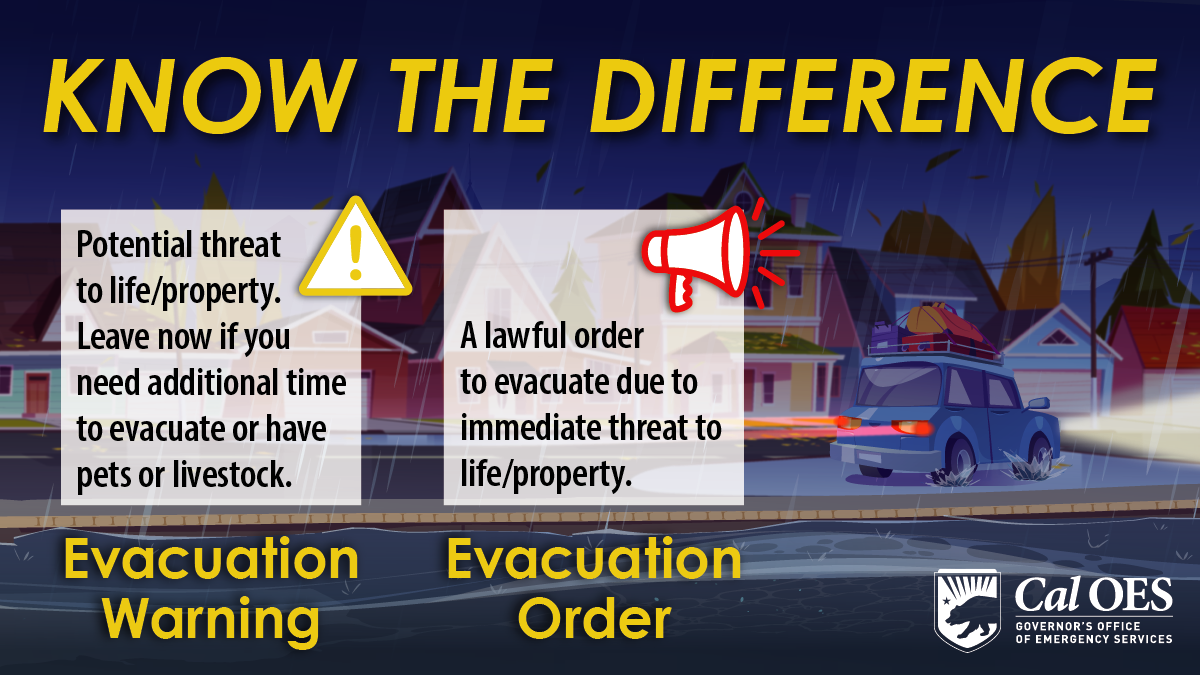
The underlying principle of a mandatory evacuation is the principle of public good and collective safety. While individual liberty is a cornerstone of many societies, it is not absolute when the exercise of that liberty directly endangers oneself and potentially others, or when it impedes the efforts of emergency responders. By evacuating, individuals not only protect themselves but also free up resources and personnel that would otherwise be occupied with rescue operations, allowing these vital services to focus on those who cannot evacuate themselves.
Understanding the Legal Framework and Authority
The authority to issue a mandatory evacuation is rooted in governmental powers designed to protect citizens during emergencies. This power is usually vested in elected officials and appointed emergency management directors, who act based on established protocols and expert advice.
The Role of Government Agencies
At the forefront of issuing and enforcing mandatory evacuation orders are local and state emergency management agencies. These bodies are responsible for monitoring potential threats, assessing risks, and coordinating response efforts. They work in conjunction with other crucial entities such as law enforcement, fire departments, and public works departments to ensure the order is communicated effectively and that evacuation routes are managed. The National Weather Service, the Federal Emergency Management Agency (FEMA), and state-specific disaster preparedness offices all play vital roles in providing data, resources, and guidance that inform these critical decisions.
Legal Implications of Non-Compliance
A mandatory evacuation order is not a polite suggestion; it is a legal command. The implications of ignoring such an order can range from minor inconveniences to severe legal and financial repercussions. Law enforcement agencies are empowered to enforce these orders, which may involve roadblocks, citations, and fines. In some cases, individuals who refuse to evacuate may be held liable for the cost of their own rescue if they become trapped or injured. This financial liability can be substantial, covering the expenses of helicopters, boats, search and rescue teams, and medical attention. Beyond direct financial penalties, non-compliance can also hinder the effectiveness of broader emergency response efforts, potentially putting others at greater risk.
The Practicalities of Responding to a Mandatory Evacuation
Beyond the legal imperative, a mandatory evacuation demands immediate and practical action from those affected. This involves understanding evacuation routes, securing property, and ensuring the safety of family and pets.
Identifying Evacuation Zones and Routes

Before an emergency even arises, it is vital for residents to be aware of whether they reside in a designated evacuation zone. Local governments typically define these zones based on vulnerability to specific hazards, such as floodplains, coastal areas prone to storm surge, or areas with high wildfire risk. Emergency management agencies provide information on designated evacuation routes, which are often prioritized and managed by authorities to facilitate a smooth and orderly departure. It is crucial to have pre-determined routes, including alternatives, as primary roads may become congested or impassable. Understanding these zones and routes in advance can significantly reduce panic and streamline the evacuation process.
Securing Property and Essential Items
Once a mandatory evacuation is issued, the focus shifts to immediate departure. However, there are critical steps to take in securing one’s property to mitigate potential damage and theft. This might include boarding up windows, turning off utilities if advised by authorities, and moving valuable items to higher ground or secure locations. Equally important is the preparation of an emergency kit, often referred to as a “go-bag.” This kit should contain essential items such as food, water, medications, a first-aid kit, batteries, flashlights, copies of important documents, and personal hygiene items. The goal is to have enough supplies to last at least 72 hours, as infrastructure and services may be disrupted for an extended period following the event.
The Importance of Communication and Information
In the midst of an emergency, clear and reliable communication is paramount. Residents are urged to stay informed through official channels. This includes listening to local radio and television broadcasts, monitoring emergency management agency websites and social media feeds, and utilizing emergency alert systems on mobile phones. Understanding the reliability of different information sources is crucial, as misinformation can spread rapidly during a crisis. Official sources provide the most accurate and up-to-date information regarding the threat, evacuation progress, shelter availability, and post-event recovery efforts. Establishing communication plans with family members beforehand is also vital, ensuring everyone knows how to connect and where to meet if separated.
Beyond the Immediate: Long-Term Implications and Recovery
A mandatory evacuation is not merely an event; it triggers a cascade of consequences that extend far beyond the initial departure, impacting individuals and communities on multiple levels.
Displacement and Shelter Considerations
The immediate aftermath of a mandatory evacuation often involves displacement. Individuals and families may find themselves temporarily without a home, relying on public shelters, hotels, or the generosity of friends and family. Understanding the criteria for accessing official shelters, their capacity, and the services they provide is essential. For many, the financial strain of temporary housing and the disruption to daily life can be considerable. Public shelters are typically managed by organizations like the American Red Cross and offer basic necessities, but they may not be suitable for everyone, particularly those with specific medical needs or large families. The duration of displacement can vary greatly depending on the severity of the disaster and the speed of recovery efforts.
Financial and Economic Impacts
The economic ramifications of a mandatory evacuation can be severe and long-lasting. For businesses, it means lost revenue, potential damage to property, and the disruption of supply chains. For individuals, it can translate to lost wages due to inability to work, expenses for temporary housing, repairs to damaged homes, and the potential for increased insurance premiums. For areas heavily reliant on tourism or specific industries, a prolonged disruption can have a devastating impact on the local economy. Government assistance programs, often coordinated by FEMA, play a crucial role in providing financial aid for disaster relief, but these funds are typically intended to aid recovery and may not fully compensate for all losses. Understanding insurance policies and the process for filing claims is a critical step in navigating the financial aftermath.

Psychological and Community Resilience
The experience of a mandatory evacuation can have profound psychological effects on individuals. The trauma of being forced to flee one’s home, the uncertainty of the future, and the potential loss of property or loved ones can lead to stress, anxiety, and post-traumatic stress disorder. Community resilience is built through preparedness, mutual support, and effective leadership. After an evacuation, the rebuilding process extends beyond physical infrastructure to encompass the emotional and social well-being of the community. Support systems, mental health services, and opportunities for community engagement are vital for fostering long-term recovery and a sense of normalcy.
In conclusion, a mandatory evacuation is a serious directive issued by authorities to protect lives during imminent threats. It carries significant legal obligations, demands practical preparation and swift action, and initiates a complex process of displacement, economic disruption, and psychological recovery. Understanding its meaning and implications empowers individuals and communities to navigate these challenging situations with greater preparedness and resilience.
aViewFromTheCave is a participant in the Amazon Services LLC Associates Program, an affiliate advertising program designed to provide a means for sites to earn advertising fees by advertising and linking to Amazon.com. Amazon, the Amazon logo, AmazonSupply, and the AmazonSupply logo are trademarks of Amazon.com, Inc. or its affiliates. As an Amazon Associate we earn affiliate commissions from qualifying purchases.