
The identification of specific tree species is more than a mere academic pursuit; it is often the first step in understanding their potential economic value and ecological significance. For those interested in timber resources, agricultural applications, or even simply appreciating the diversity of the natural world, recognizing a locust tree is a crucial skill. While the term “locust tree” can refer to several species, the most commonly encountered and commercially significant are members of the Robinia genus, particularly the Black Locust (Robinia pseudoacacia). This article delves into the distinctive visual characteristics of the locust tree, focusing on aspects that are relevant to its identification and potential financial or resource-based applications.
Distinctive Bark and Growth Habits: The Foundation of Identification
The initial encounter with a locust tree often reveals its unique bark and growth patterns. These are fundamental characteristics that distinguish it from other hardwood species and provide strong clues to its identity. Understanding these features is paramount for anyone assessing the tree for its timber potential, considering its role in a landscape, or even simply navigating through natural environments where it may be prevalent.
The Textured Tapestry of Locust Bark
Perhaps one of the most striking and readily identifiable features of a mature locust tree is its bark. Unlike the smooth, unblemished surfaces of some younger trees or certain other species, locust bark develops a deeply furrowed and ridged texture as it ages. This bark is typically a grayish-brown to dark brown color. The furrows often run vertically along the trunk, creating a rugged, almost rope-like appearance. In younger trees, the bark will be smoother and may exhibit small lenticels, but as the tree matures, this characteristic ruggedness becomes pronounced.
This texture is not just aesthetically distinctive; it can also offer insights into the tree’s age and health. Deep, well-defined fissures suggest a mature specimen, while a younger tree might still have smoother bark with a hint of the eventual texture. The toughness of the bark also contributes to the tree’s resilience, offering some protection against pests and environmental stressors. For those involved in forestry or timber harvesting, the quality and character of the bark can sometimes be an indicator of the underlying wood quality, though direct examination of the wood itself is always the most definitive.
Growth Form: From Sprawling to Stately
Locust trees, particularly Black Locust, are known for their somewhat variable growth habits. They can often present as multi-trunked or irregularly shaped trees, especially when they have experienced damage or have grown in dense stands where competition influences their form. However, when allowed to grow in open conditions, they can develop into more stately trees with a distinct, upright, and often somewhat narrow crown.
A key characteristic to note is the tendency for locust trees to sucker from their roots. This means that new shoots can emerge from the root system, leading to the formation of dense thickets or groves of trees. This ability to reproduce vegetatively is a significant ecological trait and can also be relevant from a land management perspective. For instance, in areas where erosion control is needed, the dense root system and rapid regrowth of locust can be highly beneficial, potentially leading to a stable, if sometimes unruly, ground cover. This rapid regeneration can also be viewed as a renewable resource, particularly if the species is being cultivated for biomass or rapid timber production. The presence of these root suckers, often appearing as younger, smaller trees around a larger parent tree, is a strong indicator that you are in the presence of a locust species.
Foliage and Flowers: A Closer Look at the Details
Beyond the bark and overall form, the finer details of a locust tree’s foliage and reproductive structures provide further, often definitive, identification markers. These features are particularly useful during the growing season and for differentiating locust from other superficially similar species.
Compound Leaves: The Pinnate Arrangement
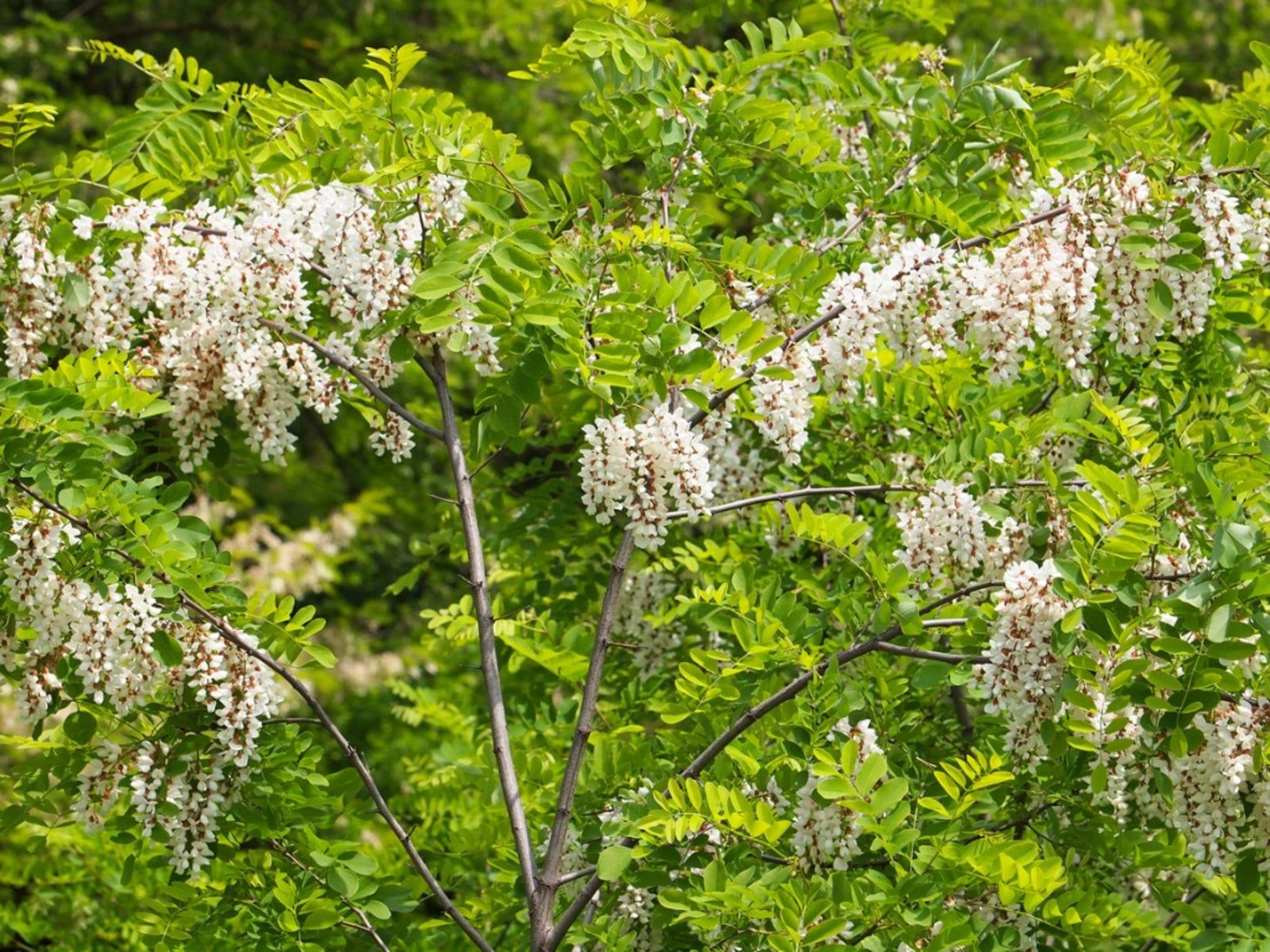
Locust trees are deciduous trees characterized by their pinnately compound leaves. This means that each leaf is made up of multiple leaflets arranged along a central stem (the rachis). Typically, locust leaves have between 7 and 21 ovate to elliptical leaflets, arranged oppositely or sub-opposite along the leaf stalk. The leaflets themselves are usually smooth-edged and may have a slightly notched tip. The overall impression is of a feathery or fern-like leaf.
A crucial identifying feature, especially for Black Locust, is the presence of a pair of small, sharp thorns at the base of each leaf stalk, on the stem itself. These thorns are not always present on every branch, and their prominence can vary, but their general presence is a strong indicator. These thorns served a defensive purpose historically and can be a practical consideration when working around these trees. The arrangement of the leaflets and the presence of these stipular thorns are key differentiators from other species that might have compound leaves. The green color of the leaves is typically a vibrant, healthy green during the summer months, turning a less remarkable yellow in the fall before abscission.
Fragrant Blossoms: A Sign of Spring and Summer Bounty
During the late spring and early summer, locust trees are often adorned with spectacular displays of fragrant flowers. These flowers are typically white or creamy white, pea-shaped, and hang in drooping clusters (racemes). The profusion of these blossoms can transform the appearance of the tree, making it highly visible and aromatic. The scent is often sweet and pervasive, attracting a multitude of pollinators, most notably bees.
This honey-producing capability is one of the significant economic attributes associated with Black Locust. The nectar from these flowers is highly prized for producing a light, delicate, and highly sought-after honey. For beekeepers and those interested in agricultural diversification, the presence of locust trees on a property can represent a valuable opportunity for honey production, adding a tangible financial dimension to understanding the tree’s appearance. The distinct shape and arrangement of the flower clusters are important for positive identification.
Seed Pods and Winter Appearance: Year-Round Recognition
Even after the vibrant foliage has fallen, or in the dormant winter months, the locust tree retains identifiable characteristics that aid in its recognition. The persistent seed pods and the overall structure of the bare branches offer clues for identification when visual cues are otherwise limited.
The Persistent Pods: A Lingering Indicator
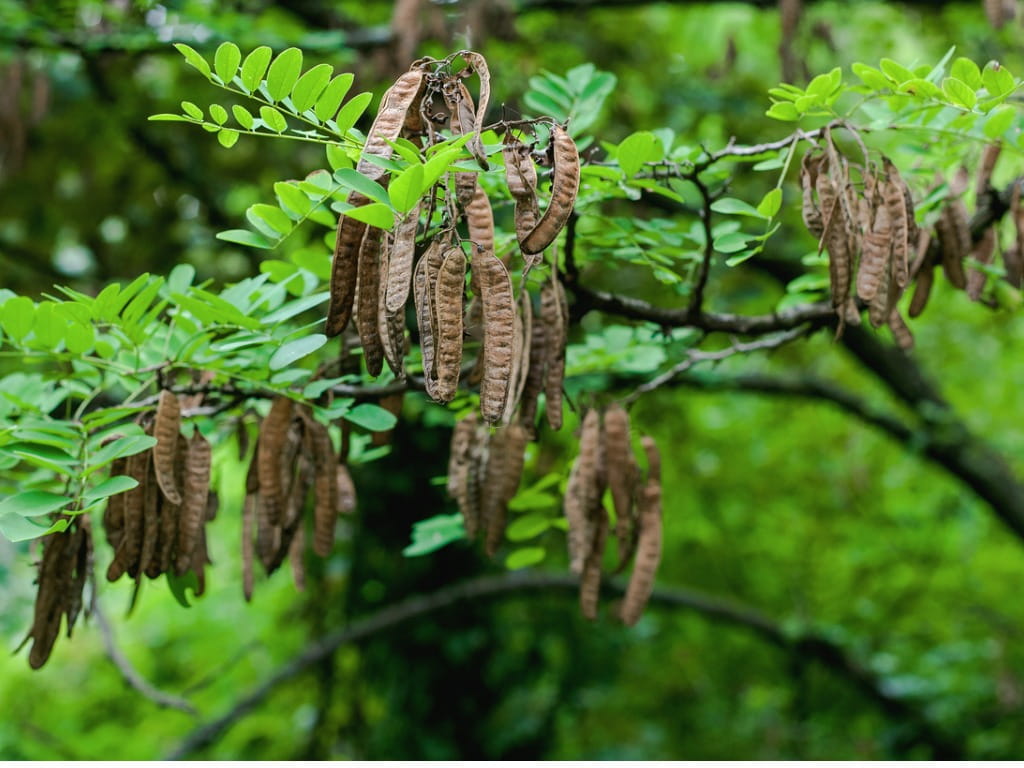
Following the blooming period, locust trees produce seed pods. These are typically flattened, elongated, and contain several small, hard seeds. The pods often persist on the tree well into winter, providing a visual reminder of the tree’s identity even when leafless. The pods are usually reddish-brown to dark brown and can be slightly hairy. The presence of these dried pods, often hanging in clusters, is a strong secondary characteristic for identifying locust, especially if the thorns and bark have already suggested the species.
These seed pods, while not a primary timber product, are part of the tree’s life cycle and ecological role, contributing to seed dispersal and providing a food source for some wildlife. From a land management perspective, understanding the reproductive strategy, indicated by these pods, can inform decisions about regeneration and control of invasive spread, if applicable.

Winter Silhouette: Form Without Foliage
In winter, when the leaves have been shed, the locust tree’s structure becomes more apparent. The branches are often slender and somewhat sparse, with a zig-zagging pattern along the twigs. The distinctive thorns, if present, are even more visible against the bare wood. The overall silhouette of a mature locust tree in winter can be quite angular and open, a contrast to the more rounded canopies of many other deciduous trees.
This winter appearance is crucial for identification in regions with cold climates where trees are often seen in their dormant state for extended periods. By combining the knowledge of the bark’s texture, the potential presence of thorns on the twigs, and the characteristic growth habit, even a leafless locust tree can be reliably identified. This year-round understanding is vital for comprehensive ecological surveys, timber assessments, and landscape planning, where the long-term presence and characteristics of tree species are important considerations for investment and resource management.
In conclusion, recognizing a locust tree involves a multi-faceted approach, examining its bark, growth habit, foliage, flowers, and seed pods. This understanding not only satisfies curiosity about the natural world but also lays the groundwork for appreciating and potentially leveraging its considerable economic and ecological value, particularly as a source of durable timber and valuable honey.
aViewFromTheCave is a participant in the Amazon Services LLC Associates Program, an affiliate advertising program designed to provide a means for sites to earn advertising fees by advertising and linking to Amazon.com. Amazon, the Amazon logo, AmazonSupply, and the AmazonSupply logo are trademarks of Amazon.com, Inc. or its affiliates. As an Amazon Associate we earn affiliate commissions from qualifying purchases.