
In an era defined by hyper-connectivity, cloud computing, and the relentless miniaturization of silicon components, our reliance on stable electrical infrastructure has never been greater. Yet, one of the most powerful and unpredictable forces of nature—lightning—remains a constant threat to our digital ecosystem. While many perceive the lightning conductor as a simple relic of the 18th century, it has evolved into a sophisticated technological system essential for safeguarding modern data centers, telecommunications hubs, and smart industrial facilities.
To understand what a lightning conductor does in a contemporary context, we must look beyond the copper rod. We must examine it as a critical interface between high-energy atmospheric physics and the delicate world of modern electronics.

The Physics of Protection: How Lightning Conductors Function
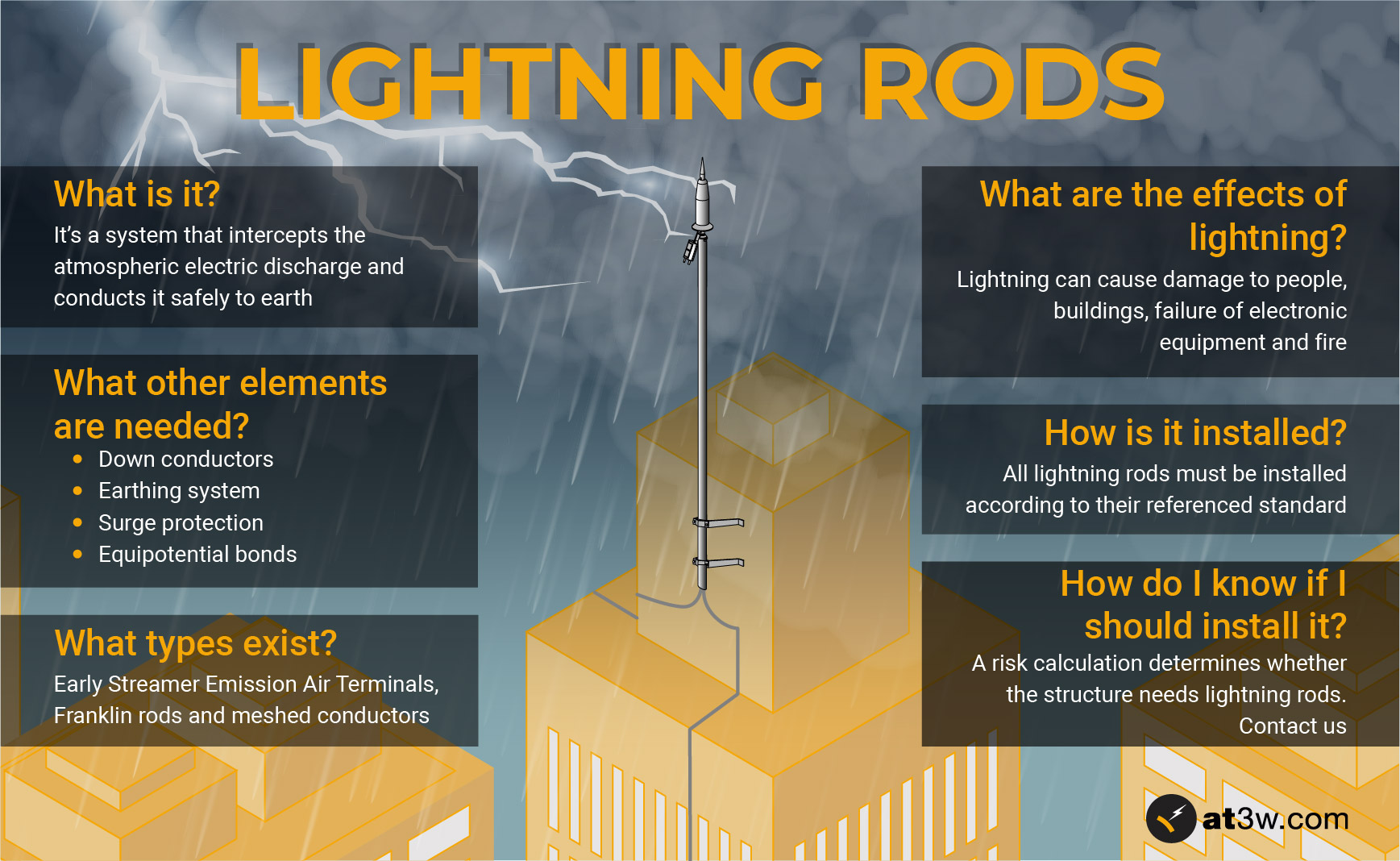
At its most fundamental level, a lightning conductor (often called a lightning rod or air terminal) is a specialized technological interface designed to provide a path of least resistance for atmospheric electrical discharges. Contrary to popular belief, a lightning conductor does not “attract” lightning in the sense of pulling it from miles away; rather, it intercepts a strike that was already destined to hit the immediate vicinity and directs that energy safely into the earth.
The Path of Least Resistance
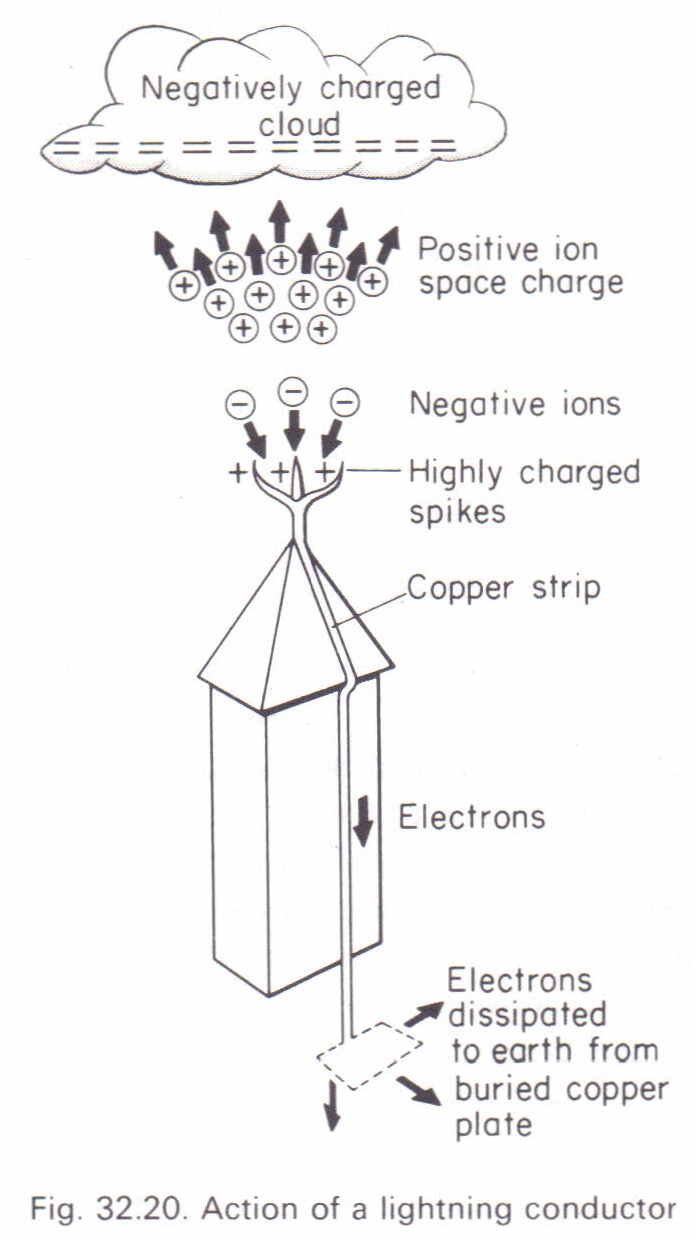
When a downward leader—the initial step of a lightning strike—descends from a storm cloud, it seeks a path to neutralize its massive electrical potential. A lightning conductor, positioned at the highest point of a structure, utilizes its conductive properties to launch an “upward streamer.” When these two meet, the circuit is completed. The conductor’s primary role is to ensure that the millions of volts and thousands of amperes contained in the bolt pass through a heavy-duty conductive cable rather than through the building’s flammable structural materials or sensitive electrical wiring.
The Principle of Point Discharge
Most modern air terminals are engineered with specific geometries. Sharp-pointed rods utilize the principle of point discharge to create a concentrated electric field at their tips. This concentration makes it more likely that the upward streamer will originate from the rod rather than from a less conductive part of the building. In some advanced tech applications, “multi-point” discharge systems are used to dissipate the ground charge into the atmosphere more gradually, theoretically reducing the likelihood of a direct strike altogether.
Components of a Modern Lightning Protection System (LPS)
A professional-grade Lightning Protection System is a multi-component technological assembly. It consists of the Air Terminal (the rod), Down Conductors (heavy-gauge cables that carry the current), and the Earthing System (a network of rods or plates buried deep in the ground). In a tech-centric facility, these components must be perfectly integrated to ensure that the “clamping voltage”—the maximum voltage a system can withstand—is never exceeded during a discharge event.
Beyond the Rod: Integration with Smart Infrastructure and Digital Systems
In the 21st century, the role of the lightning conductor has expanded from mere structural protection to the preservation of digital integrity. For a modern enterprise, the destruction of a physical roof is a minor concern compared to the catastrophic loss of a server array or a proprietary database due to an electromagnetic pulse (EMP) associated with a nearby strike.
Protecting Sensitive Electronics from Transient Voltages
While the lightning conductor handles the “direct strike,” it is only half of the technological equation. A direct hit on a conductor creates a massive electromagnetic field that can induce “transient voltages” in nearby data cables. Modern lightning protection tech integrates Surge Protective Devices (SPDs) at every entry point of a building’s electrical system. These devices act as high-speed electronic gates, snapping shut (or shunting current to ground) in nanoseconds when they detect a spike, effectively isolating the building’s internal tech from the external atmospheric violence.
Lightning Protection in Data Centers and Cloud Infrastructure
For data centers, the lightning conductor is the first line of defense in a tiered security protocol. High-tech facilities utilize “Faraday Cage” designs, where the lightning protection system is integrated into the building’s structural steel. This creates a conductive shield that directs current around the exterior of the building, keeping the internal electromagnetic environment stable. Without this technology, the high-frequency noise generated by a lightning strike could cause “bit-flipping” in memory modules or permanent hardware failure in Solid State Drives (SSDs).
The Role of Early Streamer Emission (ESE) Technology
One of the more controversial yet innovative trends in lightning tech is the Early Streamer Emission (ESE) conductor. These devices use internal electronic components to trigger an upward streamer slightly earlier than a conventional rod would. By doing so, they aim to create a larger “zone of protection,” allowing a single conductor to cover a wider area, such as a large solar farm or an expansive semiconductor fabrication plant. While the efficacy of ESE vs. traditional rods is debated among engineers, it represents the push to bring active electronics into the realm of passive protection.
The Materials Science of Modern Conduction
The efficacy of a lightning conductor is dictated by the materials used in its construction. As we move toward more sustainable and durable tech, the materials science behind these systems has seen significant advancement.
Copper vs. Aluminum: The Conductivity Debate
In high-end technological installations, copper remains the gold standard due to its superior conductivity and resistance to thermal stress. However, in environments where weight or galvanic corrosion (reaction between different metals) is a concern—such as on aluminum-clad smart buildings—specialized aluminum alloys are used. The engineering choice between these materials is a calculated decision based on the electrical impedance requirements of the specific facility.
Corrosion Resistance and Longevity in Extreme Environments
A lightning conductor is exposed to the harshest elements 24/7. Modern conductors often feature specialized coatings, such as tin-plating or stainless-steel jackets, to prevent oxidation. In coastal tech hubs, where salt air can degrade a standard rod in years, these material innovations ensure that the system remains “digitally ready” to handle a strike at any moment without a drop in conductivity.
Innovative Smart Materials and Sensors
The latest frontier in lightning tech is the “Smart Conductor.” These systems are equipped with IoT (Internet of Things) sensors that monitor the health of the grounding system in real-time. If the resistance in the earth-pit increases due to soil drying or corrosion, the system sends an automated alert to the facility manager’s dashboard. Furthermore, “strike counters” can now log the exact time, magnitude, and polarity of a lightning strike, providing data that helps engineers refine the protection protocols for future hardware deployments.
Implementation and Standards in Global Tech Hubs
For technology companies, installing a lightning conductor is not just a safety measure; it is a compliance requirement that dictates insurance premiums and operational uptime.
The IEC 62305 Standard: A Global Benchmark
The International Electrotechnical Commission (IEC) maintains the 62305 standard, which is the definitive technical manual for lightning protection. This four-part standard covers everything from risk management to the protection of electrical and electronic systems within structures. Any modern tech facility—whether it’s a cryptocurrency mining farm or a biotech lab—must adhere to these rigorous calculations to ensure that their lightning conductors are positioned and grounded with mathematical precision.
Risk Assessment Algorithms for High-Tech Facilities
Modern engineers use sophisticated software to perform lightning risk assessments. These algorithms factor in the local “keraunic level” (the frequency of lightning in a region), the height of the building, the value of the electronic assets inside, and the soil resistivity. This data-driven approach ensures that the lightning conductor is not just an afterthought but a precision-engineered component of the building’s technological “skin.”
Conclusion: The Foundation of Digital Resilience
The question “What does a lightning conductor do?” often elicits a simple answer about fire prevention. However, in the context of modern technology, the answer is far more complex. The lightning conductor is the silent guardian of our digital infrastructure. It is the bridge between the raw, chaotic energy of the natural world and the delicate, ordered world of microprocessors and fiber optics.
By providing a controlled path for millions of joules of energy, the lightning conductor allows our global network to remain online during the most violent storms. As we continue to build upward and integrate more sensitive electronics into our homes and workplaces, the evolution of lightning protection technology will remain a vital, albeit invisible, pillar of the tech industry. Whether through smart sensors, advanced materials science, or rigorous engineering standards, the lightning conductor remains as relevant today as it was in the days of Benjamin Franklin—proving that even the most cutting-edge technology requires a solid, grounded connection to the earth.
aViewFromTheCave is a participant in the Amazon Services LLC Associates Program, an affiliate advertising program designed to provide a means for sites to earn advertising fees by advertising and linking to Amazon.com. Amazon, the Amazon logo, AmazonSupply, and the AmazonSupply logo are trademarks of Amazon.com, Inc. or its affiliates. As an Amazon Associate we earn affiliate commissions from qualifying purchases.