
In the rapidly evolving landscape of smart home maintenance and outdoor power equipment (OPE), the lawn dethatcher stands as a testament to the intersection of agricultural science and mechanical engineering. While often mistaken for a standard mower or a simple rake, a dethatcher is a specialized piece of technology designed to solve a specific biological bottleneck: the accumulation of organic debris that hinders the “operating system” of a healthy lawn. In the tech-driven era of landscaping, understanding what a lawn dethatcher does requires a deep dive into the mechanics of tine displacement, the transition from internal combustion to high-torque electric motors, and the integration of smart sensors into modern yard maintenance stacks.

The Mechanics of Modern Dethatching: From Manual Blades to Precision Engineering
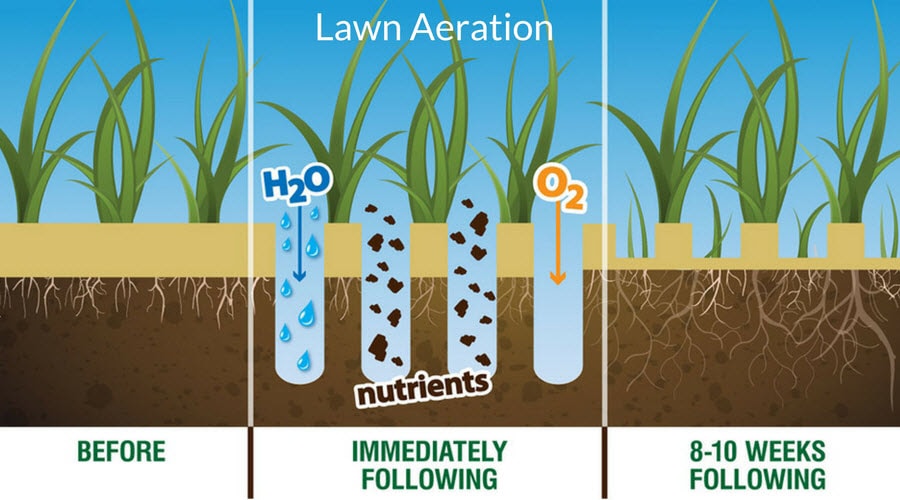
At its core, a lawn dethatcher is a mechanical intervention tool designed to remove “thatch”—a layer of living and dead stems, roots, and clippings that settles between the green vegetation and the soil surface. From a technical perspective, this process is akin to a system cleanup or a disk defragmentation for the earth. When this layer exceeds a half-inch, it becomes an impermeable barrier that disrupts the flow of data (nutrients, water, and oxygen) to the root zone.
The Physics of Tine Displacement
Modern dethatchers, particularly those in the consumer tech space, utilize a series of high-tensile steel tines or knife-like blades mounted on a high-speed rotating cylinder. The engineering challenge lies in the calibration of “strike depth.” Unlike a vertical mower (verticutter) which slices into the soil, a dedicated power dethatcher is engineered to flick the surface layer without compromising the structural integrity of the soil’s crown.
The physics involve centrifugal force; as the cylinder rotates at high RPMs, the tines are extended by inertia. When they encounter the dense thatch layer, they lift and pull the organic matter to the surface. Achieving the optimal balance between motor torque and tine flexibility is essential to ensure that the machine removes debris without uprooting the primary root system—a feat of precision mechanical tuning.
Power Source Evolution: The Shift to Lithium-Ion
The most significant technological shift in the dethatcher category over the last five years has been the migration from gas-powered 4-stroke engines to high-voltage lithium-ion battery platforms. Traditional gas units were plagued by power-to-weight ratio inefficiencies and high maintenance overhead.
Modern electric dethatchers now utilize brushless DC motors (BLDC), which offer significantly higher efficiency and a longer lifespan than brushed counterparts. These motors are controlled by sophisticated Electronic Control Units (ECUs) that monitor load in real-time. If the tines hit a particularly dense patch of thatch, the ECU can surge power to maintain constant RPMs, preventing the “bogging down” effect common in older analog machines. This level of power management represents a significant leap forward in outdoor power equipment technology.
Digital Integration and the Rise of the Smart Dethatcher
As we move further into the decade, the “Internet of Things” (IoT) is beginning to permeate even the most traditional gardening tools. The dethatcher is no longer just a “dumb” mechanical device; it is becoming a data-collecting node in the smart home ecosystem. High-end models are now being integrated with sensors and connectivity features that provide users with actionable insights into their ecosystem’s health.
Sensor-Driven Soil Analysis
The latest generation of professional-grade dethatching equipment often incorporates moisture and density sensors. As the machine traverses the turf, it can map out areas of high compaction and excessive thatch density. This data is often synced via Bluetooth or Wi-Fi to a central smartphone app, creating a “heat map” of the lawn.
For the tech-savvy homeowner, this means dethatching is no longer a seasonal guessing game. By analyzing the resistance encountered by the motor and the feedback from onboard sensors, the software can recommend the exact frequency and depth of dethatching required. This data-centric approach minimizes unnecessary stress on the grass and optimizes the timing of subsequent treatments like fertilization or overseeding.
Automated Scheduling and GPS Mapping
We are currently witnessing the birth of the autonomous dethatcher. Building on the technology developed for robotic lawnmowers, manufacturers are experimenting with autonomous units that utilize LiDAR (Light Detection and Ranging) and RTK-GPS (Real-Time Kinematic GPS) for centimeter-level positioning.

These autonomous systems can be programmed to perform light “dethatching maintenance” passes on a regular schedule, preventing thatch build-up before it becomes a problem. The integration of GPS allows the machine to ensure 100% coverage of the yard, eliminating the human error of missed patches or over-processing specific areas. This transition from manual labor to automated “set-and-forget” technology is the hallmark of the modern smart yard.
Why Your Ecosystem Needs a System Reboot: The Data Behind Dethatching
To understand why a dethatcher is a necessary piece of hardware, one must look at the biological data. A lawn is essentially a biological network, and like any network, it can suffer from “bottlenecks” that degrade performance. Thatch is the primary bottleneck in residential and commercial turf management.
Overcoming the “Thatch Barrier” in Nutrient Delivery
When thatch accumulates, it acts as a hydrophobic sponge. In a tech context, this is equivalent to a firewall that blocks legitimate traffic. Rainwater and liquid fertilizers are trapped in the thatch layer, where they evaporate before ever reaching the roots.
Technical studies in turfgrass science show that a thatch layer of just 0.75 inches can intercept up to 75% of applied irrigation. By utilizing a dethatcher, the user effectively “clears the cache” of the lawn. The mechanical removal of this debris restores the direct link between the surface and the subsurface, ensuring that 100% of resource inputs reach their intended destination. This leads to a more sustainable use of water and chemicals, aligning lawn care with modern green-tech standards.
Impact on Photosynthetic Efficiency and Soil Respiration
Beyond nutrient delivery, thatch buildup creates an environment prone to “system crashes”—in this case, fungal diseases and pest infestations. Thatch traps heat and humidity, creating a microclimate that is an incubator for pathogens.
By mechanically dethatching, you improve the “airflow” and “cooling system” of the lawn. Increased soil respiration allows for a more efficient gas exchange, which is critical for the metabolic processes of the grass. From an engineering perspective, dethatching is a form of thermal management for the soil, preventing the overheating and “smothering” that leads to patch death and system-wide failure of the turf.
Choosing the Right Hardware: A Technical Comparison of Dethatching Gadgets
For consumers looking to upgrade their maintenance stack, choosing between the different types of dethatching hardware is a matter of analyzing specifications and use-case requirements. The market is currently split between “power rakes” and “electric dethatchers,” each with distinct mechanical architectures.
Power Rakes vs. Electric Dethatchers
Power rakes are the “heavyweight servers” of the dethatching world. They typically feature flail blades—heavy metal pieces that spin with immense force. These are designed for “disruptive maintenance” on lawns that haven’t been serviced in years. They are powerful, usually gas-operated, and require significant physical handling.
In contrast, modern electric dethatchers (often called “lawn scarifiers”) use spring tines. These are the “ultrabooks” of the category: lightweight, efficient, and designed for regular maintenance. For most residential applications, the electric dethatcher is the superior tech choice because it offers a better balance of “system impact” vs. “recovery time.” The spring tines are less aggressive, allowing for more frequent use without the “downtime” required for the lawn to heal from a heavy power-raking session.
Future-Proofing Your Yard Maintenance Stack
When investing in dethatching technology, compatibility is key. Most leading tech brands in the OPE space, such as Milwaukee, Ryobi, or EGO, utilize a “battery platform” ecosystem. Choosing a dethatcher that shares a battery architecture with your mower, blower, and string trimmer is a strategic move in power management.
Furthermore, look for units with adjustable depth settings that offer digital or high-precision manual increments. The ability to fine-tune the depth to within a few millimeters is the difference between a successful “system optimization” and a “total system wipe.” As we look toward the future, the integration of these tools into unified smart home platforms like Matter or Apple HomeKit is the next logical step, allowing for a fully synchronized outdoor maintenance routine.
In conclusion, a lawn dethatcher is far more than a simple yard tool. It is a specialized mechanical and digital intervention device designed to optimize the biological performance of turfgrass. By leveraging advanced motor technology, precision engineering, and increasingly sophisticated data integration, the modern dethatcher ensures that the “hardware” of your lawn remains healthy, efficient, and resilient. For the modern technophile, mastering the use of a dethatcher is the ultimate way to ensure their home’s curb appeal is as high-performance as the gadgets inside it.
aViewFromTheCave is a participant in the Amazon Services LLC Associates Program, an affiliate advertising program designed to provide a means for sites to earn advertising fees by advertising and linking to Amazon.com. Amazon, the Amazon logo, AmazonSupply, and the AmazonSupply logo are trademarks of Amazon.com, Inc. or its affiliates. As an Amazon Associate we earn affiliate commissions from qualifying purchases.