
Jade, a term encompassing two distinct minerals – nephrite and jadeite – has captivated humanity for millennia. Its enduring appeal lies not only in its perceived spiritual significance and historical importance but also, fundamentally, in its unique and multifaceted visual characteristics. For those seeking to understand the allure of this precious stone, particularly within the context of luxury goods, high-end design, and discerning brand strategy, grasping the nuances of jade’s appearance is paramount. Beyond a simple green hue, jade presents a spectrum of colors, textures, and translucencies that contribute to its desirability and imbue brands that utilize it with an aura of prestige and timeless elegance.

The Spectrum of Jade’s Hue: Beyond the Monochromatic Green
While the iconic image of jade is often a vibrant, rich green, the reality is far more complex and visually diverse. Understanding this chromatic range is crucial for appreciating its value and how it translates into brand perception. Different hues can signify rarity, origin, and even specific cultural connotations, all of which are leveraged in branding strategies.
Imperial Green: The Pinnacle of Desirability
The most coveted and often the most expensive shade of jade is known as “Imperial Green.” This is a deep, emerald-like green, imbued with an intensity and luminosity that is truly arresting. Its color saturation is high, and it often possesses a desirable translucency that allows light to penetrate and reflect within the stone, creating a vibrant inner glow. This specific shade is so highly prized that it has become synonymous with the ultimate expression of jade’s beauty. Brands that feature Imperial Green jade in their products, whether in high-jewelry collections, luxury watch dials, or exclusive decorative art, are communicating a message of unparalleled quality, rarity, and supreme luxury. The visual impact of Imperial Green immediately elevates the perceived value of any item, making it a powerful tool in a brand’s arsenal.
Other Shades and Their Brand Implications
Beyond the legendary Imperial Green, jade presents a fascinating array of other colors, each with its own aesthetic appeal and potential brand associations.
White and Pale Green Jade: Purity and Serenity
White and pale green jade, often referred to as “mutton fat” jade due to its smooth, creamy texture and opalescent sheen, carries connotations of purity, innocence, and tranquility. This less intense coloration can evoke a sense of calm and understated elegance. Brands aiming to project an image of serenity, mindfulness, or refined simplicity might opt for white or pale green jade. It’s a choice that speaks to a more subtle form of luxury, appealing to a consumer who values introspection and a gentle aesthetic. The visual softness of these shades can also make them highly versatile, fitting seamlessly into minimalist designs or complementing delicate craftsmanship.
Lavender and Purple Jade: Mystique and Rarity
Lavender and purple jade, while less common than green varieties, possess a captivating mystique. These hues can range from delicate lilac to deep amethyst, often with subtle grey undertones. Their relative rarity contributes to their desirability. Brands that incorporate lavender jade can tap into an image of enchantment, spirituality, and unique charm. This color can evoke a sense of the extraordinary and the subtly exotic, appealing to consumers seeking distinctive pieces that stand out from the conventional. The visual depth and regal undertones of purple jade can add a layer of sophisticated allure.
Black and Grey Jade: Sophistication and Power
Black and grey jade, while perhaps less immediately associated with the traditional perception of jade, offer a powerful statement of modern sophistication and understated strength. Black jade, with its deep, opaque luster, can convey an image of resilience, mystery, and executive presence. Grey jade, on the other hand, can offer a nuanced elegance, a more subdued yet equally impactful visual. Brands looking to project an image of authority, professionalism, or cutting-edge design might find these darker shades particularly compelling. They offer a departure from expected norms, signaling a brand that is bold, contemporary, and confident.
Texture and Translucency: The Feel and Depth of Jade
The visual appeal of jade extends far beyond its color. Its characteristic texture and varying degrees of translucency play a significant role in its tactile and visual depth, influencing how it is perceived and marketed by brands. These qualities contribute to the perceived craftsmanship and inherent value of jade artifacts and jewelry.
The “Greasy” Luster and Smoothness
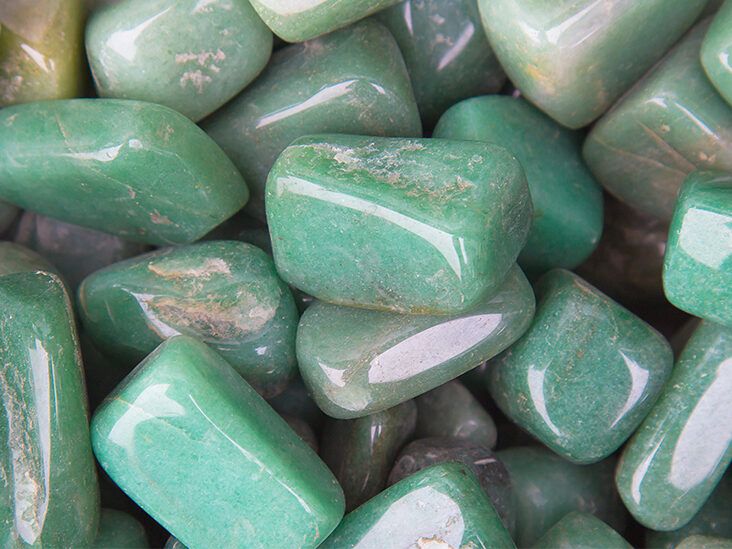
One of the most distinctive visual and tactile qualities of jade is its characteristic luster, often described as “oily” or “waxy.” This effect is particularly pronounced in nephrite jade. When polished, jade exhibits a smooth, almost buttery surface that feels incredibly pleasant to the touch. This tactile experience is a crucial part of its appeal, translating into a visual impression of quality and refinement. Brands that emphasize the tactile nature of their products, especially in luxury goods, can highlight this characteristic to convey a sense of superior material and meticulous finishing. The visual smoothness itself suggests a level of polish and care that resonates with consumers seeking tangible quality.
Translucency: The Play of Light
The degree to which light can penetrate and pass through a jade stone, known as translucency, is another critical factor in its visual appeal and value. While some jade is quite opaque, the most prized varieties, particularly high-quality jadeite, exhibit a desirable translucency. This allows light to interact with the stone’s internal structure, creating a luminous quality and a sense of depth.
Near-Opaque to Moderately Translucent: Subtle Depth
Jade that is nearly opaque or only moderately translucent still possesses a visual richness. The light may reflect more from the surface or penetrate only a short distance, creating a subtle inner glow. Brands might feature this type of jade in pieces where a bolder, more solid visual statement is desired, or where intricate carvings are meant to be the primary focus, with the jade providing a rich backdrop. The visual weight and grounding effect of less translucent jade can be strategically employed in branding to convey stability and traditional craftsmanship.
Highly Translucent: The “Glow” Effect
The most sought-after jade exhibits a high degree of translucency, allowing light to pass through and refract within the stone, creating a captivating “glow” effect. This is often seen in the finest Imperial Green jadeite. The stone appears to have an inner light source, giving it a vibrant, almost alive quality. Brands that can showcase this characteristic are communicating the ultimate in gemological quality and desirability. This level of translucency transforms a static object into something dynamic and visually engaging, a hallmark of exceptional luxury. The way light plays within a highly translucent jade stone is a sophisticated visual cue that brands leverage to signal exclusivity and unparalleled beauty.
Inclusions and Imperfections: Character and Value
While flawless gems are often idealized, the presence of certain inclusions or imperfections in jade can, paradoxically, contribute to its visual character, authenticity, and even its perceived value in specific contexts. Understanding these elements is vital for appreciating the nuanced appearance of jade.
Color Zoning and Veining: Natural Artistry
Jade often displays natural color zoning, where different shades or intensities of color are distributed unevenly throughout the stone. It can also feature veins or streaks, which are essentially natural fissures that have been filled over geological time or are a result of the mineral’s formation process. These natural patterns are not necessarily flaws but rather indicators of the stone’s natural origin and geological history. Brands that embrace these characteristics can position them as unique artistic elements, highlighting the individuality of each piece. Color zoning can create striking visual effects, and veins, when aesthetically pleasing, can add a sense of depth and texture, akin to the natural patterns found in fine wood or marble. This approach allows brands to celebrate the inherent beauty of natural materials, appealing to consumers who value authenticity and organic aesthetics.
Inclusions as Indicators of Authenticity and Character
Certain types of inclusions, such as small mineral crystals or matrix material (the rock from which the jade was formed), can serve as important indicators of a jade stone’s authenticity and origin. While large, unsightly inclusions might detract from the stone’s visual appeal, small, inherent inclusions can, in fact, enhance its character. For brands, particularly in the realm of ethical sourcing and provenance, these natural inclusions can be a talking point, assuring customers that they are acquiring a genuine, natural gem with a rich geological story. The visual presence of these authenticating elements can build trust and a deeper connection between the consumer and the product, underscoring the brand’s commitment to natural integrity.
The Influence of Cut and Polish on Jade’s Appearance
The way a jade stone is cut and polished has a profound impact on its visual presentation, influencing how its color, translucency, and luster are perceived. This aspect of jade’s appearance is where artistry meets mineralogy, and it is a critical consideration for brands aiming to maximize the gemstone’s aesthetic potential.
Carving and Sculptural Forms
Jade has a long and storied history of being carved into intricate sculptures, amulets, and decorative objects. The way a stone is cut and shaped can dramatically alter how light interacts with it and how its colors are displayed. For instance, a skilled carver can strategically use color zoning to create visually stunning effects, making a vein appear as a flowing river or a patch of color as a distant mountain. Brands that commission jade carvings often highlight the artistry and the master craftspeople involved. The visual narrative created through the carving, combined with the inherent beauty of the jade, forms the core of the brand’s storytelling and product appeal.

Cabochon Cuts and Faceted Styles
While many jade pieces are carved, cabochon cuts (smooth, rounded shapes) are very popular, especially for enhancing the color and luster of jade. These cuts are ideal for showcasing the stone’s internal glow and “greasy” luster. Faceting, while less common for jade due to its fibrous structure and the desire to preserve material, is sometimes employed to enhance brilliance, particularly in lighter colored or more translucent stones. The choice of cut directly impacts how a brand presents the jade – a cabochon emphasizes organic beauty and tactile smoothness, while a facet highlights sparkle and light play. Each cut offers a distinct visual language that brands can employ to communicate different facets of their identity, from classic elegance to modern dynamism. The careful selection of cut and polish ensures that the jade’s inherent visual qualities are amplified, creating a finished product that captivates the eye and resonates with the brand’s intended message of quality and desirability.
aViewFromTheCave is a participant in the Amazon Services LLC Associates Program, an affiliate advertising program designed to provide a means for sites to earn advertising fees by advertising and linking to Amazon.com. Amazon, the Amazon logo, AmazonSupply, and the AmazonSupply logo are trademarks of Amazon.com, Inc. or its affiliates. As an Amazon Associate we earn affiliate commissions from qualifying purchases.