
Snapchat, a platform that redefined ephemeral communication, has woven a rich tapestry of visual cues and symbolic gestures into its user experience. Among these, the heart emoji stands out as a particularly potent and multifaceted indicator. Far from being a simple decorative flourish, the heart within Snapchat’s ecosystem represents a spectrum of relationships, engagement levels, and even an individual’s commitment to the platform’s core functionalities. Understanding the nuances of this ubiquitous symbol is key to navigating the social dynamics and appreciating the underlying technological framework that powers these interactions.
The heart on Snapchat is not a monolithic entity. Its meaning is fluid, adapting to the context in which it appears, the color it displays, and the specific feature it is associated with. This article delves deep into the technical and functional aspects of the heart emoji within Snapchat, exploring its evolution, its role in user interaction metrics, and how developers leverage these symbols to enhance user engagement and platform functionality. We will dissect its presence within the Friends Stories, Chat, and even in relation to the popular Snap Score, offering a comprehensive look at its significance from a technological perspective.

The Heart’s Evolution and its Place in Snapchat’s Feature Set
Snapchat’s design philosophy has always prioritized a playful and intuitive user interface. The introduction and evolution of the heart emoji are prime examples of this approach, serving as a visual shorthand for complex social interactions. Initially, the platform relied on more basic indicators, but as user engagement grew, so did the need for more granular feedback mechanisms. The heart, with its universally recognized positive connotations, was a natural fit.
From Basic Affection to Nuanced Engagement Metrics
The earliest iterations of Snapchat’s interaction indicators were more rudimentary. However, as the platform matured and sought to foster deeper connections between users, the heart emoji began to take on more specific roles. Its adoption wasn’t merely aesthetic; it was driven by the platform’s objective to quantify and encourage user interaction. The heart emoji became an easily digestible signal for a variety of engagement levels, from a simple acknowledgment to a deeper expression of connection.
This evolution is intrinsically linked to Snapchat’s underlying algorithms. To effectively track user relationships and engagement, the platform needs quantifiable data. The heart emoji, when assigned to specific actions, provides this data in a readily interpretable format. For developers, these symbols act as key performance indicators (KPIs) that inform feature development, user retention strategies, and even the prioritization of certain user interactions within the app’s architecture.
The Role of Hearts in Direct Messaging and Content Consumption
Within the direct messaging (Chat) feature of Snapchat, hearts serve as immediate and private feedback mechanisms. When a user sends a snap to a friend, the recipient can react by tapping on the snap and selecting an emoji. A heart here signifies a positive reception, a sign of appreciation for the content. This interaction is logged by the platform, contributing to the sender’s engagement metrics and potentially influencing the visibility of future snaps.
The technical implementation of this feature involves real-time event tracking. Each tap on a snap and selection of an emoji is registered as an event. These events are processed by Snapchat’s backend infrastructure, which analyzes the frequency and type of interactions between users. For instance, consistent heart reactions between two users might trigger a change in their “friendship” status within the app, subtly influencing how their snaps and stories are prioritized in each other’s feeds. This data is crucial for maintaining the platform’s dynamic social graph.
Deconstructing the Heart: Color, Context, and their Technological Implications
The true depth of the heart emoji’s meaning on Snapchat is unlocked when we consider its various forms and the contexts in which it appears. The platform uses colored hearts, each carrying a distinct significance, which are directly tied to specific user actions and the underlying metrics they represent. This color-coding is not arbitrary; it’s a deliberate design choice rooted in the need to categorize and quantify different levels of user engagement.
The Red Heart: A Symbol of Reciprocal Friendship
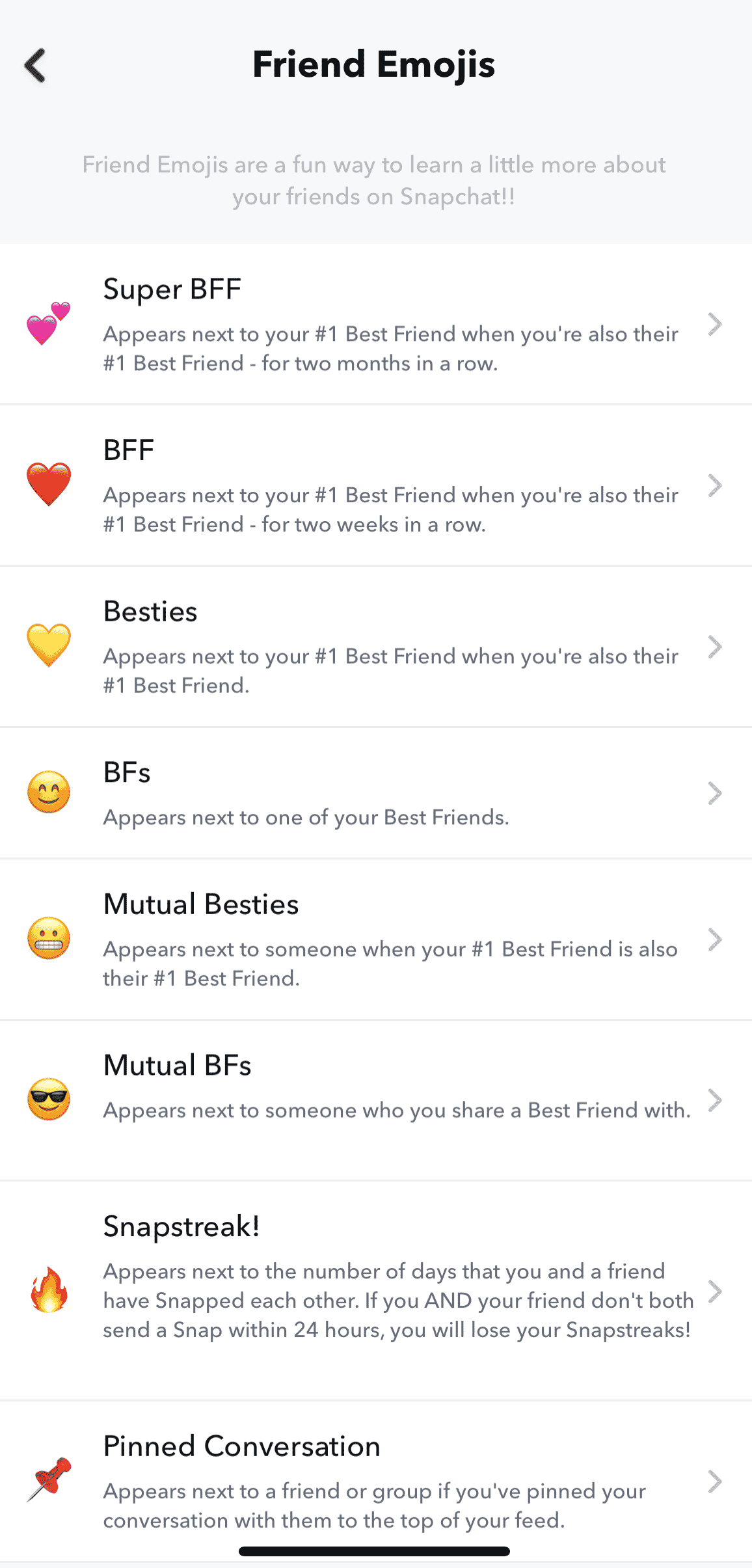
The most coveted heart on Snapchat is the Red Heart. Achieving this signifies a strong, reciprocal friendship. Technically, this is achieved when two users have been each other’s “Best Friends” for a continuous period. Snapchat’s algorithms meticulously track these “Best Friend” designations, which are themselves determined by the frequency of snaps sent to and received from specific users. The Red Heart is a visible badge of honor, indicating a high volume of mutual interaction.
From a technological standpoint, the Red Heart is a result of sophisticated relationship mapping. The app maintains a complex network of user interactions, assigning scores and weights to various actions. When the accumulated score of mutual “Best Friend” status reaches a certain threshold for a sustained duration, the Red Heart emoji is algorithmically awarded. This is not a manual process; it’s a testament to the app’s ability to interpret and categorize the strength of user bonds based on their digital behavior.
The Yellow Heart and Beyond: Ranking and Reciprocity in the Social Graph
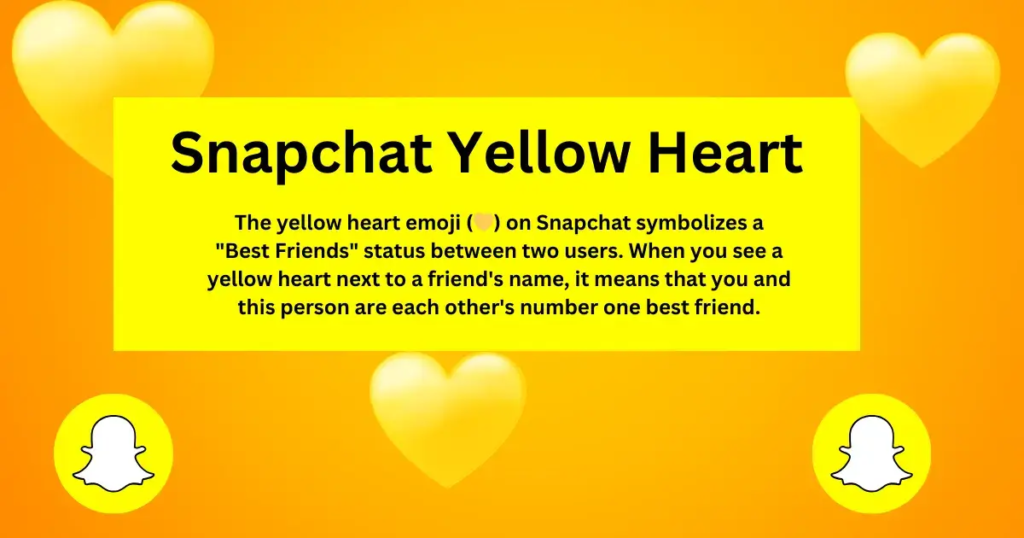
Beyond the Red Heart, other colored hearts serve as stepping stones or indicators of different stages of friendship. The Yellow Heart, for instance, often signifies that one user is the other’s “Best Friend” but the feeling is not yet reciprocated. This distinction is crucial for the platform’s mechanics, as it subtly guides users towards fostering stronger reciprocal relationships.
The technical backbone for these distinctions lies in the precise tracking of snap exchanges. Snapchat records who snaps whom most frequently. When you send a lot of snaps to a particular friend, they might be designated as your “Best Friend,” earning you a Yellow Heart. If they also send a lot of snaps back to you, and you maintain this reciprocal “Best Friend” status for a period, the Yellow Heart can then evolve into a Pink Heart, and eventually, a Red Heart. Each color transition represents a data-driven progression within the app’s internal social graph.
The Pink Hearts, for example, often indicate that you have been “Best Friends” with someone for two weeks straight. The platform’s backend continuously monitors these durations, updating the emoji accordingly. This constant background processing of user interaction data is what gives these seemingly simple emojis their profound meaning within the Snapchat ecosystem. It’s a sophisticated system of automated relationship assessment and reward.
The Heart as a Data Point: Impact on Snap Score and User Experience
The significance of the heart emoji extends beyond individual friendships; it plays a role in broader engagement metrics like the Snap Score. While the exact formula for the Snap Score is proprietary, it is widely understood to be influenced by a multitude of user activities, including sending and receiving snaps, posting stories, and yes, even the presence and evolution of heart emojis in friendships.
Contributing to the Snap Score: A Metric of Engagement
The Snap Score is essentially a numerical representation of a user’s overall activity on the platform. High activity, as indicated by frequent snapping, story posting, and the cultivation of strong friendships (often signified by hearts), contributes positively to this score. Therefore, the presence and evolution of hearts in your friend list are indirectly contributing to your Snap Score.
From a technical perspective, each heart earned or maintained represents a series of successful interactions that the platform wants to acknowledge and incentivize. The algorithms that calculate the Snap Score are designed to reward users who actively engage with the app and its core functionalities. The consistent appearance of heart emojis between users signals a healthy, active relationship, which the Snap Score is designed to reflect. This provides a tangible, albeit simplified, measure of a user’s dedication to the Snapchat community.
Algorithmic Implications: Friend Prioritization and Feature Prominence
The data generated by heart interactions also influences how Snapchat’s algorithms prioritize content and features for individual users. For instance, a strong reciprocal friendship, evidenced by consistent Red Hearts, is likely to result in the snaps and stories of those friends appearing higher in your feed. This ensures that users are presented with content from the people they interact with most frequently and positively.
This algorithmic prioritization is a key component of Snapchat’s user retention strategy. By surfacing content from close friends, the platform aims to create a more engaging and personalized experience. The heart emoji, therefore, acts as a signal to the algorithms, helping them to understand the strength and nature of user relationships. This allows Snapchat to dynamically adjust the user interface and content delivery, ensuring that the most relevant and engaging interactions are brought to the forefront. The technological architecture of Snapchat is built to interpret these social cues and translate them into a superior user experience, with the heart emoji playing a subtle yet vital role in this complex process.
aViewFromTheCave is a participant in the Amazon Services LLC Associates Program, an affiliate advertising program designed to provide a means for sites to earn advertising fees by advertising and linking to Amazon.com. Amazon, the Amazon logo, AmazonSupply, and the AmazonSupply logo are trademarks of Amazon.com, Inc. or its affiliates. As an Amazon Associate we earn affiliate commissions from qualifying purchases.