
In the world of business and personal finance, the phrase “hearing in court” is often met with a mixture of anxiety and confusion. While many perceive a court hearing through the lens of a dramatic television scene, the reality is far more calculated and, more importantly, carries significant financial implications. Whether you are an entrepreneur facing a contract dispute, an investor watching a class-action lawsuit, or an individual navigating a bankruptcy proceeding, understanding what a hearing signifies is essential for sound financial planning and risk management.

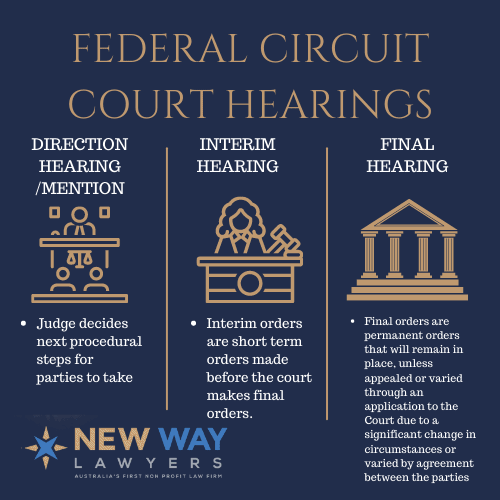
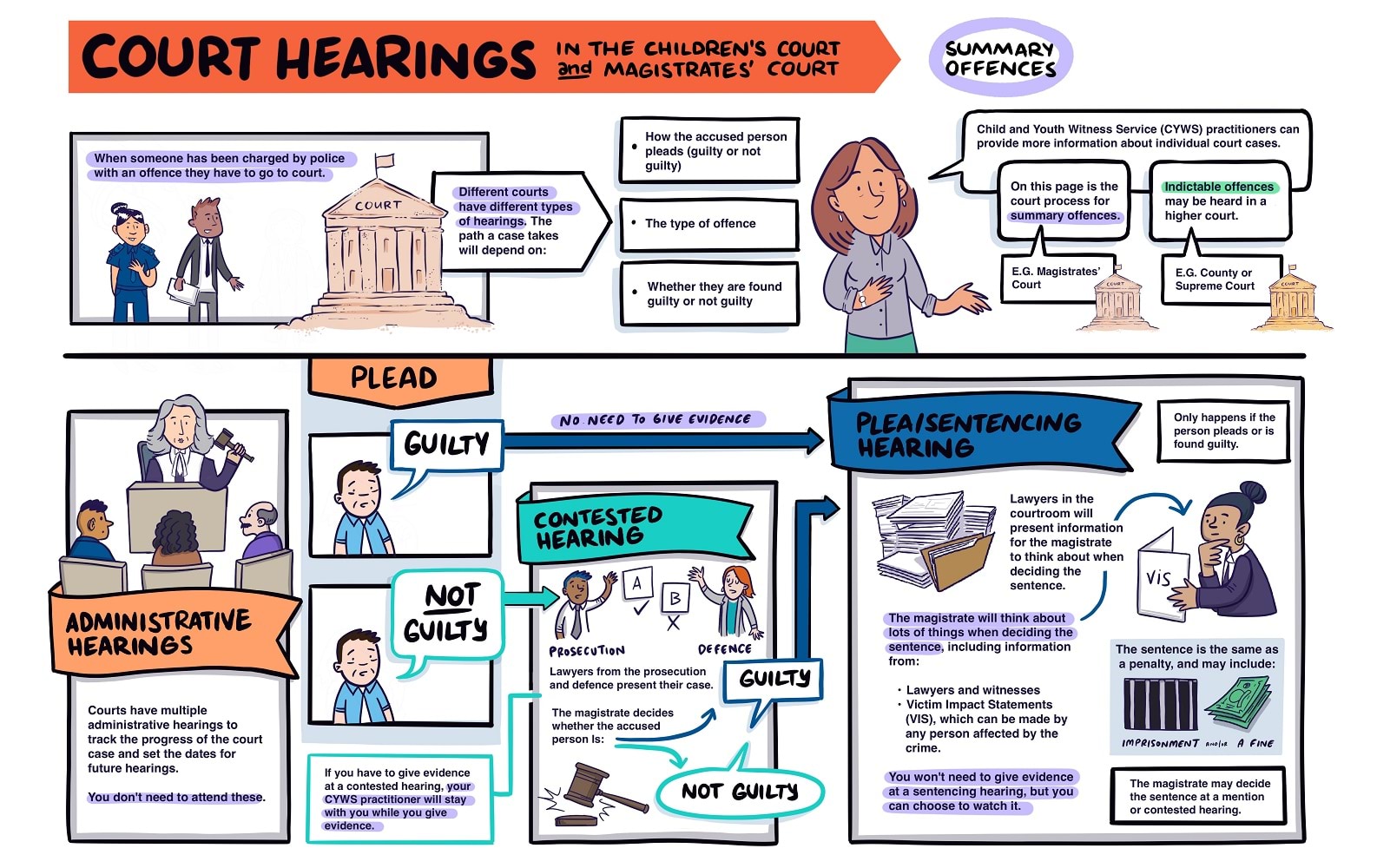
A hearing is a formal proceeding where a judge or officer of the court hears arguments, reviews evidence, and makes decisions on specific issues within a larger case. Unlike a full-scale trial, which typically resolves the entire dispute, a hearing is often focused on a specific motion or procedural milestone. From a “Money” perspective, every hearing is a transaction—a moment where capital is deployed, assets are frozen or released, and the future valuation of a business entity is often decided.
The Economic Anatomy of a Court Hearing: Costs and Liabilities
Every hour spent in a courtroom is backed by a substantial financial commitment. To understand what a hearing means, one must first view it as a significant line item on a budget. The financial stakes begin long before the gavel drops and extend far beyond the judge’s decision.
Direct Costs: Legal Fees and Expert Testimony
The most immediate financial impact of a hearing is the cost of legal representation. Most high-level commercial and financial litigation firms bill by the hour, and a single hearing can involve dozens of hours of preparation. This includes researching case law, drafting motions, and preparing “exhibits”—the financial documents or contracts that will be scrutinized.
Beyond attorneys, complex financial hearings often require “expert witnesses.” These are forensic accountants, valuation experts, or industry specialists who are paid thousands of dollars to provide testimony. For a business, the hearing represents a peak in cash outflow.
Indirect Costs: Opportunity Cost and Time Valuation
When a business owner or a C-suite executive is required to attend a hearing, the company suffers an “opportunity cost.” The time spent in court is time not spent on product development, sales, or strategic expansion. For small businesses and solo entrepreneurs, a single day in court can result in a measurable dip in quarterly revenue. Furthermore, the psychological toll of litigation can lead to “decision fatigue,” potentially affecting other financial decisions within the organization.
Types of Financial Hearings and Their Impact on Your Portfolio
Not all hearings are created equal. In the niche of finance and wealth management, certain types of hearings act as “market movers” or “wealth destroyers.” Understanding the specific nature of these hearings allows individuals and businesses to better forecast their financial health.
Bankruptcy Hearings: Navigating Insolvency
In the context of personal or business finance, a bankruptcy hearing is perhaps the most pivotal. Whether it is a Chapter 7 liquidation or a Chapter 11 reorganization, these hearings determine how assets will be distributed among creditors. For an individual, this hearing means the difference between total asset loss and a structured “fresh start.” For an investor in a bankrupt company, the hearing provides clarity on the “recovery rate”—how many cents on the dollar their investment might be worth.
Securities Litigation: Impact on Market Cap and Shareholder Value
For those involved in the stock market, court hearings regarding securities fraud or regulatory non-compliance are critical. When a major corporation has a hearing regarding its financial reporting or a merger, the outcome can trigger massive swings in market capitalization. Traders often monitor these “court dates” as high-volatility events. A hearing that goes poorly for a company can lead to an immediate sell-off, eroding the wealth of retail and institutional investors alike.
Evidentiary Hearings and Asset Freezes
In cases of financial fraud or tax disputes, a court may hold an evidentiary hearing to determine if a “preliminary injunction” or “asset freeze” is necessary. This is a critical moment for personal finance; if a judge decides to freeze accounts during a hearing, the individual or business loses all liquidity. This can lead to a domino effect of missed payments, defaulted loans, and damaged credit scores.
Risk Management: The Financial Strategy of Pre-Hearing Settlements
Because the cost of a hearing is so high, many sophisticated financial entities use hearings as leverage for settlements. In the financial world, a hearing date is often viewed as a “deadline for negotiation.”
Cost-Benefit Analysis: Trial vs. Settlement
Before a hearing, a CFO or financial advisor will typically perform a cost-benefit analysis. They weigh the “expected value” of winning the hearing against the “certain cost” of the legal fees and the risk of a total loss. If the projected legal costs of the hearing and subsequent trial exceed the potential settlement amount, a financial professional will almost always recommend settling out of court. This is a purely mathematical approach to justice, where the “meaning” of the hearing is shifted from a search for truth to a mitigation of financial loss.
Protecting Corporate Integrity and Brand Equity
A public hearing can be damaging to a company’s “brand equity”—an intangible but vital financial asset. Negative testimony or the public disclosure of internal financial documents can lead to a loss of consumer trust, which translates directly to lower sales. By settling before a high-profile hearing, a company “buys” its privacy and protects its long-term revenue streams.
Digital Financial Tools for Tracking Litigation Liabilities
As we move further into a data-driven economy, managing the financial risks associated with court hearings has become more streamlined. Finance-forward companies are now utilizing specific tools to track and predict the outcomes of legal proceedings.
Using FinTech to Project Litigation Impact
Modern financial software now allows companies to treat “legal risk” as a quantifiable variable. By using predictive analytics, firms can look at historical data from similar hearings to estimate the likelihood of a specific financial outcome. This helps in maintaining accurate “contingent liability” reports on balance sheets, ensuring that shareholders are not blindsided by a sudden legal loss.
Insurance and Indemnification as Financial Buffers
To protect against the drain of court hearings, many individuals and businesses invest in “Directors and Officers” (D&O) insurance or professional liability insurance. These financial products are designed to cover the costs of hearings and legal defense. Understanding the fine print of these policies is a crucial part of financial literacy. A hearing without insurance coverage is a direct threat to capital; a hearing with insurance coverage is a manageable business expense.
The Long-Term Financial Implications of a Hearing’s Outcome
The conclusion of a hearing rarely marks the end of the financial journey. Instead, it sets the stage for the next phase of fiscal management.
Impact on Creditworthiness and Future Financing
The result of a court hearing is a public record. Credit rating agencies monitor these records closely. A hearing that results in a judgment against a business or individual can lead to a downgraded credit score, making it significantly more expensive to borrow money in the future. Higher interest rates on loans and lines of credit are the “hidden taxes” of a lost court hearing.
Taxation and Legal Judgments
From a personal finance perspective, how a court-ordered payment is structured can have massive tax implications. For example, some legal settlements are tax-deductible as business expenses, while others are not. A hearing that leads to a “punitive damage” award can be particularly devastating because these payments are often not tax-deductible, creating a double financial blow.
Strategic Reinvestment and Pivot
On the flip side, a successful hearing can release contested funds or protect a patent that generates millions in royalty income. For a savvy investor or business owner, a favorable hearing outcome is a “liquidity event.” It provides the capital necessary to reinvest in the market, expand operations, or acquire competitors.
Conclusion: Viewing the Courtroom Through a Financial Lens
When we ask “what does a hearing in court mean,” we must look past the legal jargon and see the underlying financial reality. A hearing is a critical juncture in the management of wealth. It represents the intersection of law and capital, where decisions are made that can either deplete a fortune or protect an empire.
For anyone involved in the world of money—be it as a business owner, an investor, or someone managing personal assets—understanding the mechanics of a court hearing is a form of financial defense. By recognizing the direct costs, assessing the risks to market value, and utilizing insurance and settlement strategies, you can navigate the legal system not just as a participant, but as a strategic manager of your financial future. In the end, the most important “judgment” in a court hearing is often the one that appears on your year-end financial statement.
aViewFromTheCave is a participant in the Amazon Services LLC Associates Program, an affiliate advertising program designed to provide a means for sites to earn advertising fees by advertising and linking to Amazon.com. Amazon, the Amazon logo, AmazonSupply, and the AmazonSupply logo are trademarks of Amazon.com, Inc. or its affiliates. As an Amazon Associate we earn affiliate commissions from qualifying purchases.