
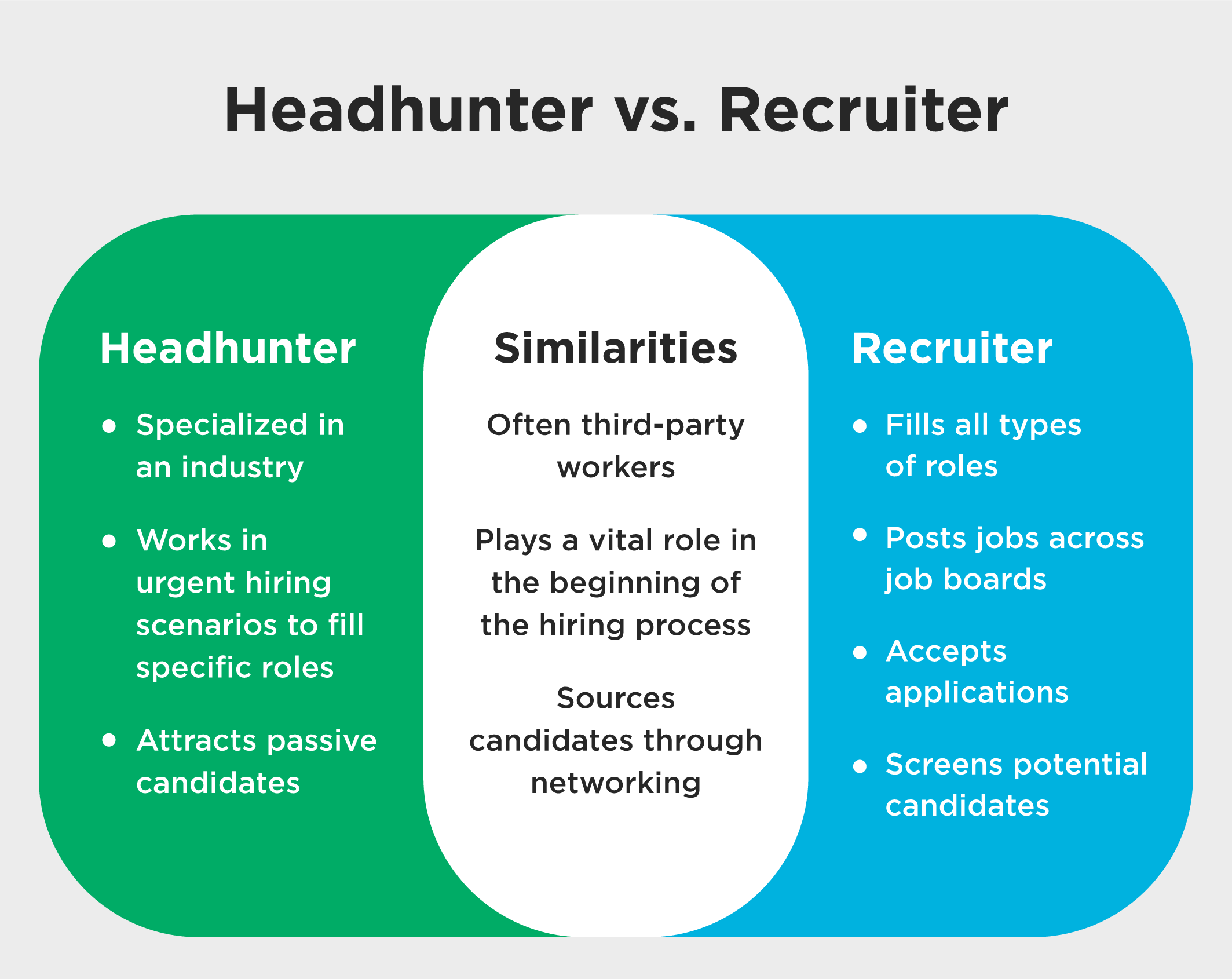
In the modern corporate ecosystem, human capital is not just a resource; it is the most volatile and valuable asset on a company’s balance sheet. When a multi-billion dollar corporation loses a CEO or a high-growth startup needs a specialized Chief Technology Officer to scale toward an IPO, they don’t post a job listing on a public board. Instead, they engage a headhunter. To the uninitiated, a headhunter might seem like a glorified recruiter, but in the world of high finance and corporate strategy, they are talent brokers who facilitate the movement of human equity.

Understanding what a headhunter does requires a shift in perspective from “finding a job” to “managing a financial transaction.” This article explores the mechanics of headhunting through the lens of business finance, executive compensation, and the economic impact of elite talent acquisition.
The Financial Mechanics of Headhunting: Fee Structures and ROI
At its core, headhunting is a high-margin service industry. Unlike standard HR recruiting, which is often an internal cost center, external headhunting—officially known as executive search—operates on a commission or retainer model that reflects the high stakes of the roles being filled.
Retained Search vs. Contingency Models
The financial arrangement between a company and a headhunter usually falls into two categories. Contingency firms are paid only when a candidate is successfully hired. This model is common for mid-level management where the volume is higher. However, for “C-suite” roles (CEO, CFO, COO), companies use Retained Search. In this model, the headhunter is paid an upfront fee to conduct an exhaustive, exclusive search. This fee is guaranteed, regardless of whether a hire is made immediately, because the company is paying for the headhunter’s time, network, and deep-market intelligence.
The 20-30% Rule
The standard “price” of a headhunter is typically calculated as a percentage of the candidate’s first-year total cash compensation. This usually ranges from 20% to 35%. For an executive earning a base salary of $400,000 with a $100,000 signing bonus, a headhunting firm stands to earn upwards of $150,000 for a single placement. From a business finance perspective, this is a significant capital expenditure, but one justified by the potential ROI a top-tier executive brings to the firm’s valuation.
Risk Mitigation and the Cost of a Bad Hire
Why do companies pay these exorbitant fees? Because the cost of a “bad hire” at the executive level is catastrophic. Industry data suggests that a failed executive hire can cost a company up to 10 times the individual’s salary when accounting for lost productivity, severance, recruitment restarts, and damage to institutional morale. A headhunter acts as a financial insurance policy, vetting candidates through rigorous psychological profiling and deep-background financial audits to ensure the “asset” is sound.
Human Capital as a Balance Sheet Asset
In the world of investing and business finance, we often talk about R&D, real estate, and intellectual property. However, a headhunter views the “talent” as the primary driver of these other assets. Their role is to identify individuals who can move the needle on a company’s stock price or market share.
The “Passive Candidate” Arbitrage
Most high-value professionals are not looking for work. They are currently employed, well-compensated, and focused on their current KPIs. A headhunter’s primary function is to identify these “passive candidates” and convince them to move. This is essentially a form of talent arbitrage—moving a high-performing asset from a place where it is currently valued to a place where its value (and compensation) can be maximized.
Impact on Corporate Valuation
When a public company announces a new, high-profile CFO from a competitor, its stock price often reacts instantly. Headhunters are the silent architects of these market shifts. They understand that a “rockstar” executive isn’t just an employee; they are a signal to investors that the company is serious about growth. By placing the right person in the right seat, a headhunter directly influences the company’s ability to raise capital, attract further talent, and execute successful exits.
Confidentiality and Market Intelligence
Beyond just filling a seat, headhunters provide companies with “market mapping.” They know what the competition is paying, who is unhappy, and which departments are underperforming across the industry. This intelligence is invaluable for a CFO or Business Development head when planning a merger, acquisition, or expansion. The headhunter serves as a confidential consultant on the competitive landscape of the industry’s payroll.

Navigating the Compensation Matrix: Negotiating High-Stakes Packages
One of the most critical functions a headhunter performs is that of the “honest broker” during compensation negotiations. Because they understand the financial limits of the hiring company and the financial expectations of the candidate, they can bridge gaps that would otherwise lead to a breakdown in communication.
Base, Bonus, and Equity Structures
In high-level finance and tech, salary is often the smallest part of the package. Headhunters deal in complex compensation structures including Restricted Stock Units (RSUs), Performance Shares, and Long-Term Incentive Plans (LTIPs). A headhunter’s job is to translate these financial instruments for the candidate, ensuring that the “total package” is competitive enough to warrant the risk of leaving a secure position.
The Art of the “Buyout”
When a headhunter poaches an executive, that executive often leaves behind unvested stock options or deferred bonuses at their current firm. This creates a “golden handcuff” scenario. The headhunter must work with the hiring company’s finance department to structure a “make-whole” provision—often in the form of a massive sign-on bonus or accelerated equity vesting—to compensate the executive for the money they are leaving on the table.
Performance-Based Clawbacks
Increasingly, headhunters must facilitate the inclusion of “clawback” clauses in contracts. From a business finance perspective, this protects the company if the executive fails to meet specific financial milestones or engages in misconduct. The headhunter ensures both parties agree to these terms, maintaining a balance between the executive’s financial upside and the company’s financial security.
Headhunting as a Lucrative Business Model and Side Hustle
For those interested in personal finance and entrepreneurship, the world of headhunting offers one of the most profitable paths with the lowest overhead. It is a business built entirely on information, relationships, and “financial matchmaking.”
Starting an Independent Search Firm
Many experienced corporate recruiters eventually leave large firms to start their own boutique headhunting shops. The overhead is minimal—essentially a phone, a LinkedIn Recruiter subscription, and a robust CRM. However, the income potential is immense. Closing just three or four high-level placements a year can generate a high six-figure income. This makes it an attractive “side hustle” for industry experts who have deep networks in specific niches like FinTech, Biotech, or Private Equity.
The Micro-Niche Strategy
The most successful independent headhunters focus on “micro-niches.” Instead of being a generalist, they might focus exclusively on “VP of Sales for SaaS companies in the Series B stage.” By narrowing the focus, the headhunter becomes a specialist in the specific financial metrics and compensation benchmarks of that niche, allowing them to charge premium fees for their specialized knowledge.
Leveraging AI and Financial Tools
In the modern era, headhunters are using data-driven tools to identify candidates before they even know they are ready to move. They use predictive analytics to see which companies are struggling (signaling that their top talent might be looking for an exit) and which companies just received a massive infusion of Venture Capital (signaling they are ready to spend on big hires). This data-centric approach turns headhunting into a sophisticated financial operation.
The Future of Talent Brokerage
As the global economy becomes more decentralized and the “war for talent” intensifies, the role of the headhunter will only grow in importance. They are the liquidity providers of the labor market, ensuring that the most valuable human assets are deployed where they can generate the highest economic return.
Whether you are a business owner looking to scale, an executive looking to maximize your lifetime earnings, or an entrepreneur looking for a high-margin business model, understanding the mechanics of headhunting is essential. It is not just about “hiring”; it is about the strategic movement of capital in its most potent form: the human mind. By mastering the financial nuances of this industry, headhunters remain the invisible hands that shape the leadership of the world’s most influential companies.
aViewFromTheCave is a participant in the Amazon Services LLC Associates Program, an affiliate advertising program designed to provide a means for sites to earn advertising fees by advertising and linking to Amazon.com. Amazon, the Amazon logo, AmazonSupply, and the AmazonSupply logo are trademarks of Amazon.com, Inc. or its affiliates. As an Amazon Associate we earn affiliate commissions from qualifying purchases.