
The question “what does a gram of gold look like?” seems simple, almost trivial. One might imagine a tiny, glistening nugget, perhaps a sliver of an ancient coin. While physically accurate, this inquiry opens a gateway into a fascinating world where the tangible meets the digital, where centuries of tradition intersect with cutting-edge technology, and where an enduring symbol of wealth becomes a strategic asset in a globalized financial landscape. A single gram of gold, far from being just a shiny speck, is a nexus of investment opportunity, technological innovation, and brand prestige, encapsulating stories of personal finance, market trends, and even the future of digital commerce.
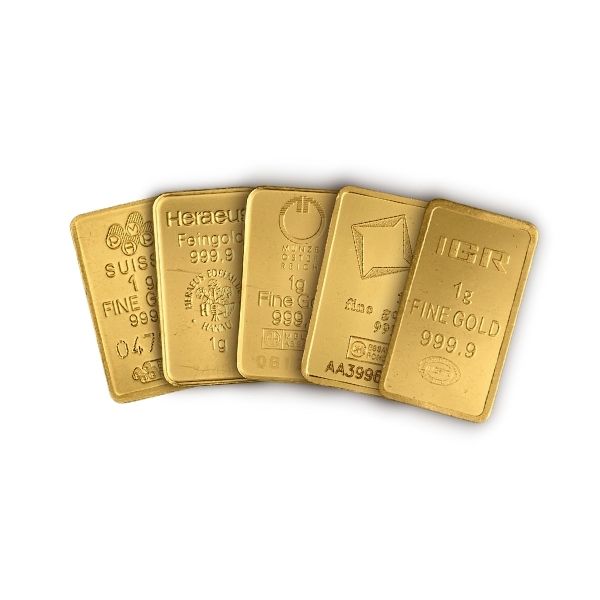
The Tangible Reality: A Gram of Gold in Your Hand
Before delving into its broader implications, understanding the physical reality of a gram of gold is crucial. It’s often surprisingly small, dense, and possesses an unmistakable allure that has captivated humanity for millennia.
Physical Characteristics and Common Forms
Imagine holding a single gram of pure gold. What you’d observe is a remarkably dense and relatively small object. Gold is one of the densest naturally occurring elements, meaning a small volume carries significant weight. A gram of gold, depending on its form, might be roughly the size of a standard pea or even smaller, like a grain of rice, if it’s a flattened flake. Its characteristic brilliant, metallic yellow hue is instantly recognizable, and its inherent malleability and ductility mean it can be shaped into various forms without losing its luster.
Commonly, a gram of gold might appear as:
- A Tiny Grain or Flake: Often seen in raw, alluvial gold, these small, irregular pieces are the most natural form.
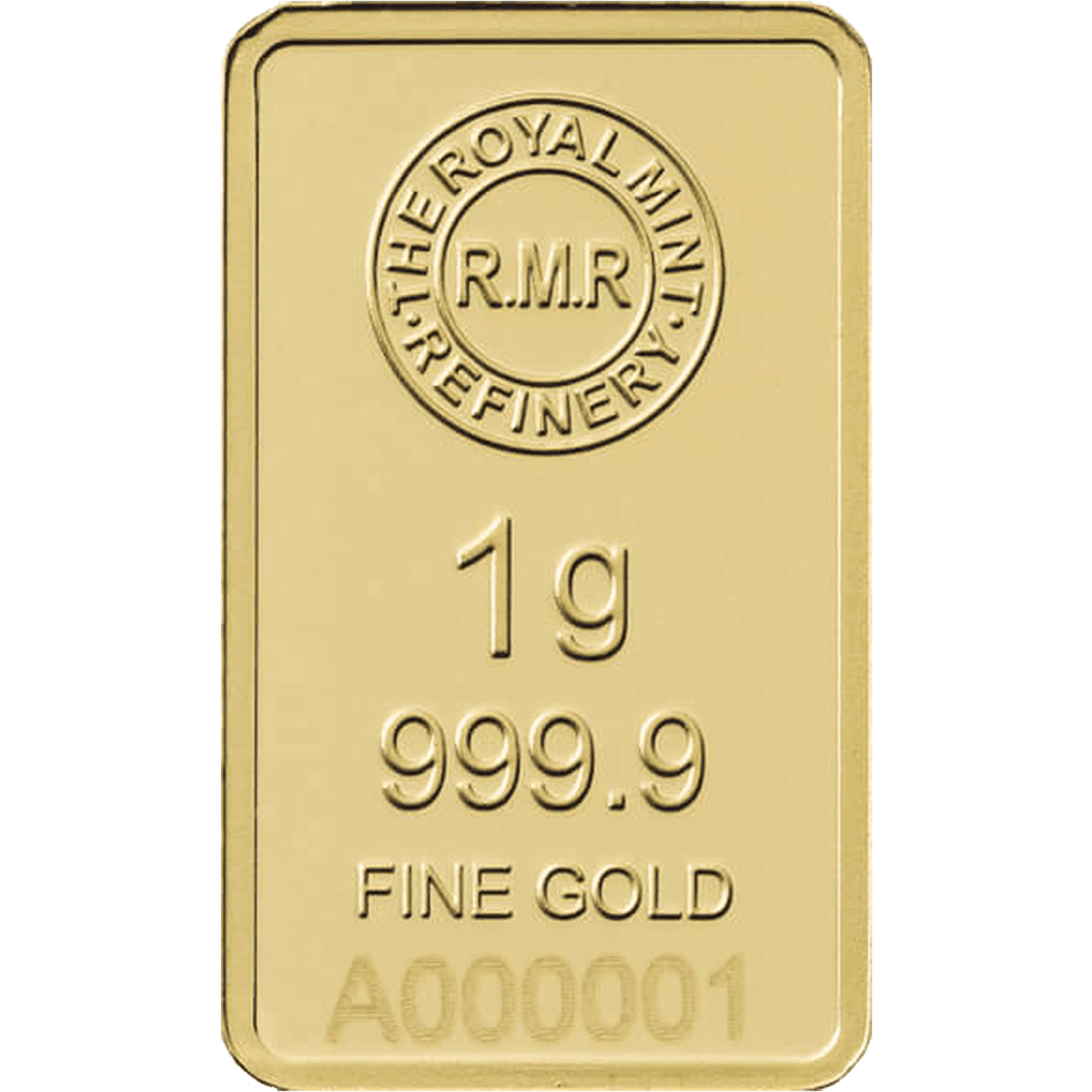
- A Component of a Small Bar or Wafer: Many refiners produce fractional gold bars, such as 1-gram bars, which are tiny, rectangular ingots, often embossed with the refiner’s stamp, purity, and weight. These are popular for entry-level investors or as gifts.
- Part of a Small Coin: While most investment coins are heavier (e.g., 1/10th ounce, 1/4 ounce, 1 ounce), some mints produce fractional coins or specialty collectible pieces that might incorporate a gram of gold.
- Gold Dust: In its most refined state, gold can be processed into a fine powder, often used in industrial applications, dentistry, or electronics.
- A Piece of Jewelry: While rarely a standalone piece, a gram of gold constitutes a significant portion of many delicate rings, earrings, or pendants, contributing to their weight and value.
Regardless of its form, the physical sensation of holding a gram of pure gold is distinctive – its heft disproportionate to its size, a silent testament to its concentrated value.
Beyond Appearance: The Intrinsic Value and Historical Significance
The allure of gold transcends its physical beauty. For thousands of years, gold has served as a universal medium of exchange, a store of wealth, and a symbol of power and prestige. Its rarity, resistance to corrosion, and intrinsic beauty made it ideal for these roles. Ancient civilizations prized gold for jewelry, religious artifacts, and coinage, establishing its enduring value proposition. This historical legacy continues to shape our perception of gold today, making it a “safe-haven” asset during times of economic uncertainty and a hedge against inflation. A single gram, therefore, isn’t just a physical object; it’s a tangible link to millennia of human history, finance, and culture, embodying a universal understanding of wealth that transcends borders and epochs.
The Digital Dimension: Gold in the Age of Tech and AI
While gold’s physical form remains timeless, the ways we interact with, track, and invest in it have been profoundly transformed by technology. The rise of digital platforms, AI-driven analytics, and blockchain has ushered gold into a new era, bridging its ancient appeal with modern financial innovation.
Tracking and Trading: Leveraging Technology for Gold Investment
The modern gold market is far removed from a bustling bazaar. Today, investors rely heavily on technology to navigate the complexities of gold acquisition and management. Financial apps and online platforms provide real-time spot prices, historical data, and analytical tools, allowing individuals to track gold’s performance against other assets, monitor market trends, and execute trades with unprecedented speed and efficiency. Brokerage platforms, accessible via a smartphone or computer, facilitate the purchase of various gold-related assets, including physical gold (often stored in vaults on the investor’s behalf), gold exchange-traded funds (ETFs), and gold mining stocks.
AI tools, though still nascent in direct retail gold trading, are beginning to play a role in advanced market analysis. Algorithmic trading systems can process vast amounts of financial data, identify patterns, and even predict short-term price movements with a degree of accuracy impossible for human analysts. While individual investors might not directly use these sophisticated AI tools, the broader market is increasingly influenced by such technologies, contributing to liquidity and potentially revealing optimal entry and exit points for gold investments.
The Rise of Digital Gold and Gold-Backed Tokens
Perhaps the most significant technological shift in the gold market is the emergence of “digital gold” and gold-backed cryptocurrencies. This innovation leverages blockchain technology to tokenize physical gold, creating digital assets that represent a specific amount of real gold held in a secure vault. Companies offering these services effectively fractionalize large gold holdings, allowing investors to own a digital “share” of physical gold, sometimes down to a fraction of a gram.
The advantages of gold-backed tokens are compelling:
- Accessibility: Investors can buy and sell gold 24/7 on various exchanges, without the complexities of physical storage or insurance.
- Fractional Ownership: It lowers the barrier to entry, allowing individuals to invest in gold with smaller amounts than typically required for physical bars or coins.
- Liquidity: Digital gold can often be traded more easily and quickly than arranging the sale and delivery of physical bullion.
- Transparency and Security: Blockchain’s immutable ledger provides a transparent record of ownership, while cryptographic security protects transactions.
- Reduced Transaction Costs: For smaller amounts, digital gold can bypass some of the premiums and shipping costs associated with physical gold.
This convergence of gold and blockchain represents a paradigm shift, making gold investment more democratic, liquid, and technologically advanced, appealing to a new generation of investors accustomed to digital assets.
Securing Your Investment: Digital Security and AI in the Gold Market
As gold investment increasingly moves online, digital security becomes paramount. Reputable platforms employ robust cybersecurity measures, including multi-factor authentication, encryption, and cold storage for digital assets, to protect client funds and personal information. Users are also educated on best practices to prevent phishing attacks and unauthorized access to their accounts.
AI is also beginning to contribute to security within the gold sector. In financial crime detection, AI algorithms can analyze transaction patterns, flag suspicious activities, and identify potential fraud or money laundering attempts faster and more accurately than human analysis. For instance, AI could detect unusual trading volumes in gold ETFs or suspicious account access patterns on a digital gold platform. Furthermore, while not directly related to digital gold, AI and advanced imaging technologies are used in physical gold authentication, helping to detect counterfeits by analyzing metallurgical composition, density, and surface imperfections with high precision, adding a layer of trust to both physical and digital gold markets.
The Brand of Gold: Trust, Design, and Market Presence
Beyond its intrinsic value and technological integration, gold’s presence in the market is heavily influenced by branding. The reputation of refiners, the aesthetic appeal of gold products, and strategic marketing all play crucial roles in how gold is perceived, purchased, and integrated into personal and corporate identities.
The Reputation Game: Why Brand Matters in Gold Acquisition
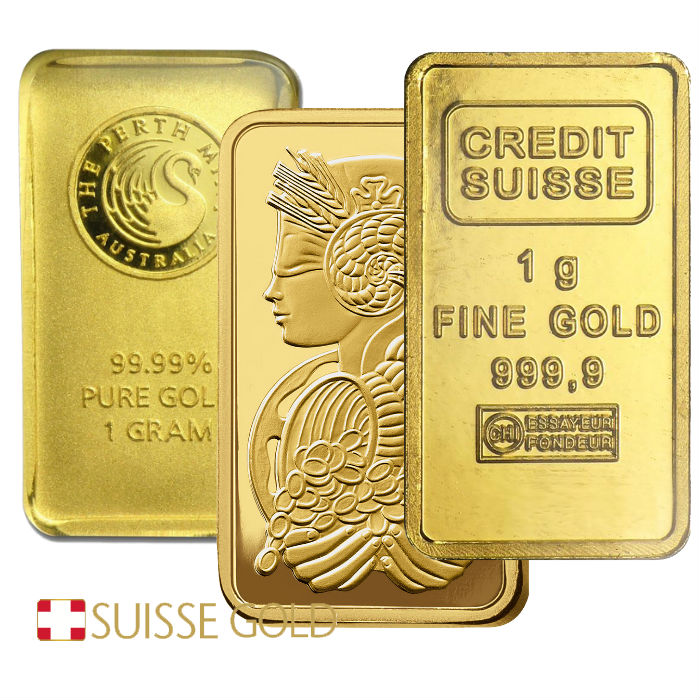
When purchasing gold, whether physical or digital, the brand behind the product is often as critical as the gold itself. Investors seek assurance of purity, weight, and authenticity, and this assurance primarily comes from the reputation of the refiner, mint, or digital gold provider. Established brands like the Royal Canadian Mint, the Perth Mint, PAMP Suisse, and Johnson Matthey carry significant weight because they adhere to stringent international standards (e.g., LBMA Good Delivery accreditation). Their hallmarks stamped on gold bars and coins are universally recognized symbols of quality and trust.
For digital gold platforms, brand reputation translates into trust in their operational security, transparency of their physical gold reserves (often verified by independent auditors), and the reliability of their blockchain technology. A strong brand signifies a commitment to ethical practices, security, and customer service, which are non-negotiable for investors entrusting their assets to a third party. Choosing a recognized brand mitigates risks, ensures liquidity, and provides peace of mind, making the “brand” of gold an integral part of its perceived value and market acceptance.
Gold as a Personal and Corporate Statement: Design and Identity
Gold products are not merely commodities; they are often meticulously designed objects that communicate luxury, heritage, and status. The design of gold coins, for instance, often features intricate historical or national symbols, making them collectible works of art in addition to investment vehicles. Bullion bars, while simpler, are often sleek and precisely crafted, embodying industrial elegance. High-end jewelry pieces, where gold is combined with gemstones, are explicit personal branding statements, signifying taste, wealth, and celebration.
For corporations, gold plays a role in corporate identity both directly and indirectly. Gold mining companies often brand themselves on their ethical sourcing, sustainability efforts, and contribution to global supply chains. Luxury brands incorporate gold into their products and marketing to convey exclusivity and timeless value. Even financial institutions that deal in precious metals leverage the enduring power of gold in their branding to symbolize stability and wealth management expertise. The gleam of gold, whether in a logo or a product, consistently evokes feelings of value, reliability, and aspiration.
Marketing Gold: From Safe Haven to Luxury Asset
The marketing of gold is a sophisticated endeavor, tailored to appeal to diverse audiences. For investors, gold is marketed as a “safe-haven” asset, a hedge against inflation, and a diversifier in volatile markets. Marketing campaigns highlight its historical performance, scarcity, and role in preserving wealth across generations. Financial advisors and gold dealers emphasize its stability during economic downturns and geopolitical uncertainty.
Conversely, the luxury market frames gold as an aspirational good, a symbol of success, love, or personal achievement. Marketing for gold jewelry focuses on emotional connections, craftsmanship, and timeless elegance. Designers promote unique pieces as statements of personal style. The advertising imagery often features pristine environments, sophisticated individuals, and themes of enduring beauty, positioning gold not just as a metal, but as an experience and an heirloom. This dual marketing strategy — appealing to both pragmatic investors and emotional consumers — underscores gold’s unique position at the intersection of finance, luxury, and human desire.
Navigating the Gold Market: Practicalities for the Modern Investor
For those considering gold as part of their financial strategy, understanding the practical aspects of acquisition, storage, and portfolio integration is essential in today’s dynamic market.
Buying and Selling: Reputable Sources and Smart Practices
Purchasing gold, whether in its physical or digital form, requires diligence. For physical gold, always buy from reputable dealers, mints, or banks. Verify their credentials, check for positive reviews, and ensure they provide certificates of authenticity for their products. Be aware of premiums (the price above the spot price) and understand that these vary based on the product type (bars vs. coins), size, and dealer. When selling, compare offers from multiple dealers to ensure you receive a fair price close to the prevailing spot rate.
For digital gold or gold-backed tokens, choose platforms with a proven track record, strong security protocols, and transparent auditing of their physical gold reserves. Read their terms and conditions carefully, especially regarding fees for transactions, storage, and redemption options. Always exercise caution against unsolicited offers and avoid platforms promising unrealistic returns, as these are often indicators of scams.
Storage and Security: Protecting Your Golden Asset
Once acquired, the security of your gold investment is paramount. For physical gold, options include:
- Home Safes: Suitable for small quantities, but require careful consideration of insurance implications and physical security measures.
- Bank Safe Deposit Boxes: Offer higher security and are a common choice for moderate amounts of gold, though access is limited to banking hours.
- Private Vault Facilities: Specialized facilities that provide highly secure, insured storage, often with independent auditing. This is generally the most secure option for significant holdings.
For digital gold, security primarily revolves around protecting your digital wallet and account access. Use strong, unique passwords, enable two-factor authentication (2FA), and be vigilant against phishing attempts. If your digital gold is held on a platform, understand their security measures and ensure they are robust. Remember, if you don’t control the private keys for your digital gold, you are relying on the platform’s security.
Is Gold Right for Your Portfolio? A Modern Financial Perspective
The decision to invest in gold should align with your broader financial goals and risk tolerance. Gold is typically viewed as a long-term asset, a diversifier that can mitigate portfolio volatility during market downturns, and a hedge against inflation. It generally does not produce income (like dividends from stocks or interest from bonds) but can appreciate in value.
A gram of gold, therefore, is more than just a physical curiosity. It’s an entry point into a complex ecosystem where personal finance, technological advancements, and the power of branding converge. For the modern investor, understanding these multifaceted dimensions is key to making informed decisions and leveraging gold’s enduring appeal in a rapidly evolving financial world.
In conclusion, a gram of gold looks like a tiny, dense, glistening nugget, but its true appearance is far more expansive. It embodies millennia of human valuation, it is digitized and traded on global networks powered by advanced technology, and it is meticulously branded and marketed to resonate with both investors and luxury consumers. It represents not just a commodity, but a sophisticated financial instrument and a timeless symbol, continually adapting to the demands and innovations of the 21st century.
aViewFromTheCave is a participant in the Amazon Services LLC Associates Program, an affiliate advertising program designed to provide a means for sites to earn advertising fees by advertising and linking to Amazon.com. Amazon, the Amazon logo, AmazonSupply, and the AmazonSupply logo are trademarks of Amazon.com, Inc. or its affiliates. As an Amazon Associate we earn affiliate commissions from qualifying purchases.