
In the rapidly evolving landscape of mobile software and social networking, Tinder remains a dominant force, not just as a cultural phenomenon, but as a sophisticated piece of engineering. To the casual user, the interface is a series of intuitive swipes and colorful icons. However, each visual element represents a specific function within the app’s codebase. One of the most frequently questioned symbols is the “Golden Heart.” Within the context of technology and app development, the golden heart is more than a romantic gesture; it is a UI indicator for a specific premium feature set known as Tinder Gold.
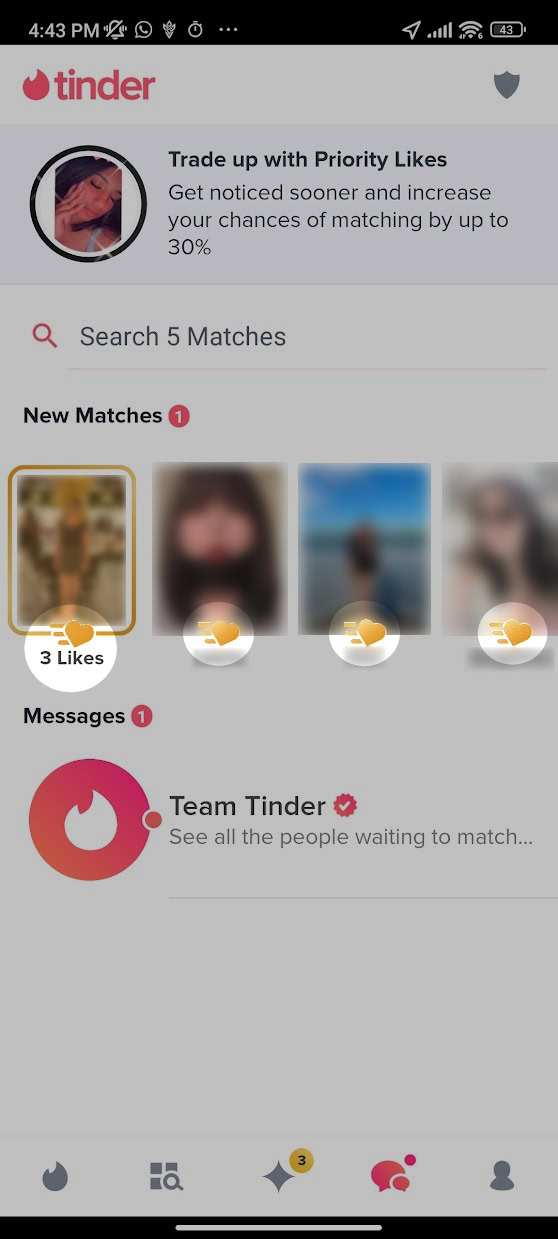
Understanding what the golden heart means requires a deep dive into the app’s architecture, its subscription-based monetization model, and the user experience (UX) design choices that differentiate free tiers from paid tiers.
Decoding the Tinder Interface: The Role of the Golden Heart
The Tinder interface is designed around the concept of “minimalist complexity.” It hides a powerful matching algorithm behind simple gestures. The golden heart serves as the primary visual signifier for the “Likes You” feature, which is a core component of the Tinder Gold subscription tier.
The Visual Language of Dating Apps
In software design, iconography is used to guide user behavior without the need for extensive text. On Tinder, the standard green heart represents a “Like,” and the blue star represents a “Super Like.” The introduction of the golden heart was a strategic UI update intended to denote “exclusivity” and “efficiency.” When a user sees a golden heart next to a profile name or in their navigation bar, the software is communicating that a “Like” has already been registered in the database for that user by another party. This transforms the app from a blind discovery tool into a curated list of confirmed interests.
Tinder Gold: The Feature Behind the Icon
Technically, the golden heart is the hallmark of Tinder Gold, a premium subscription service launched to monetize the user base by offering high-utility features. The most significant of these is the “See Who Likes You” function. In the standard free version of the app, users must swipe through a stack of profiles, and a match is only created if both parties swipe right—a “double-blind” system. The golden heart bypasses this logic, allowing the software to reveal the identities of users who have already swiped right on the subscriber.
How the “Likes You” Feature Operates Under the Hood
To understand the golden heart, one must understand how Tinder handles data. Every time a user swipes right, a “Like” is stored in Tinder’s back-end database, associated with the user’s unique ID. For free users, this data is hidden behind an obfuscated UI (often a blurred image). For those with the golden heart status, the app executes a specific query to display these profiles in a clear, actionable grid.
Real-Time Notifications and Grid Views
When a user upgrades to the tier represented by the golden heart, the app’s API begins delivering a different set of data to the client-side interface. Instead of the standard “Discovery” stack, users can access the “Likes You” grid. This section of the app refreshes in real-time. From a technical standpoint, this requires high-concurrency data handling to ensure that as soon as User A likes User B, User B (if they have the golden heart) sees that update immediately. The golden heart icon acts as the gateway to this optimized data view.
Algorithmic Integration: How Tinder Prioritizes Matches
The presence of the golden heart also influences how the app’s algorithm presents profiles. While Tinder is tight-lipped about its proprietary “ELO” or “Desirability” scores, it is documented that premium features often grant a “Boost” or increased visibility. The golden heart indicates to the system that the user is a “power user.” Consequently, the algorithm may prioritize showing the subscriber’s profile to others to increase the likelihood of more golden heart notifications appearing, thereby reinforcing the value of the subscription.
Comparing Tinder Icons: Gold Heart vs. Blue Star vs. Green Heart
To navigate the app effectively, users must distinguish between the various technical triggers represented by different icons. Each color and shape corresponds to a different function within the app’s software logic.

The Standard Swipe (Green Heart)
The green heart is the basic “Like” function. In terms of software logic, it is a simple binary input. It signals to the server that User A has an interest in User B. If User B also sends a green heart (or its swipe equivalent) to User A, the system creates a “Match” object, opening a communication channel.
The Super Like (Blue Star)
The blue star represents a “Super Like.” This is a high-priority notification. Unlike the standard green heart, which is invisible to the recipient until they also swipe right, a Super Like is broadcasted to the recipient’s UI immediately. The technical difference here is the “push” nature of the notification, designed to cut through the noise of the standard stack.
Why the Gold Heart is a Premium Distinction
The golden heart is distinct because it represents a passive gain rather than an active action. While the green heart and blue star require the user to find a profile first, the golden heart informs the user that the work has already been done. It represents a state of “pending matches.” From a UX perspective, this reduces “swipe fatigue,” a common issue in dating app software where users become overwhelmed by the volume of profiles.
The Evolution of Dating App Monetization and UI/UX
The implementation of the golden heart is a masterclass in app monetization strategy. By gating a highly desired piece of information (who has already liked you) behind a premium icon, Tinder successfully transitioned from a free-to-use utility to a “freemium” powerhouse.
From Basic Swiping to Tiered Ecosystems
Tinder’s technical roadmap has moved from a single-tier app to a multi-tiered ecosystem (Plus, Gold, Platinum). The golden heart was the first major step in this evolution. Developers and product managers at Match Group (Tinder’s parent company) recognized that “time” was the most valuable commodity for their users. By building a feature that collates “Likes” into a single, accessible folder marked by the golden heart, they sold a technical solution to a human problem: the inefficiency of manual searching.
Security and Privacy Considerations for Gold Users
With the advanced features of the golden heart comes a greater need for robust data security. Because Tinder Gold users are paying for access to specific user data (the identities of those who liked them), the app must ensure that this data is transmitted securely. This involves encrypted API calls and secure authentication tokens to prevent unauthorized access to the “Likes You” list. Furthermore, the app must balance this with privacy settings, allowing users to control how and when their “Likes” are revealed to Gold subscribers.
Maximizing the Efficiency of Tinder’s Technical Features
For users who see the golden heart on their profile or in their settings, it is a tool meant for data management. Understanding the tech behind it allows for a more streamlined experience.
Optimizing Your Profile for the Gold Grid
Since the golden heart feature places your profile in a specific “Likes You” grid for others, your lead image becomes your most important piece of data. In this grid view, the UI is condensed. Users with the golden heart feature are looking at multiple profiles at once, rather than one by one. This technical shift in how profiles are viewed means that high-contrast, clear photography is essential for the app’s image-processing software to present the user effectively in a smaller thumbnail format.
Managing Subscription Settings and Technical Support
On the software side, the golden heart is tied to the user’s App Store or Google Play billing account. If the icon disappears, it usually indicates a synchronization error between the app’s database and the third-party payment processor. Troubleshooting the golden heart often involves refreshing the “Restore Purchases” function within the app’s settings, which re-validates the digital receipt and re-enables the premium UI elements.

Conclusion: More Than Just a Symbol
In the context of modern technology, the golden heart on Tinder is a sophisticated UI component that signals a shift in data access. It represents a move away from the “gamified” randomness of the standard swipe and toward a data-driven, efficient matching process. By understanding that the golden heart is the visual representation of Tinder Gold’s “Likes You” database query, users can better navigate the app’s ecosystem.
Whether viewed as a marketing tool, a monetization strategy, or a UX enhancement, the golden heart illustrates how dating apps use software design to influence social interaction. It stands as a testament to how specific features can be condensed into a single icon, simplifying complex back-end processes into a seamless, user-friendly experience. As Tinder continues to iterate on its software, the golden heart remains a pivotal element in its technical identity, defining the boundary between the casual user and the “power user” in the digital dating age.
aViewFromTheCave is a participant in the Amazon Services LLC Associates Program, an affiliate advertising program designed to provide a means for sites to earn advertising fees by advertising and linking to Amazon.com. Amazon, the Amazon logo, AmazonSupply, and the AmazonSupply logo are trademarks of Amazon.com, Inc. or its affiliates. As an Amazon Associate we earn affiliate commissions from qualifying purchases.