
The role of a flight engineer, while perhaps less visible in the cockpit of modern airliners than pilots, remains a critical component of safe and efficient aviation operations. Historically a distinct position, the responsibilities once solely held by a flight engineer have evolved, integrating into the duties of pilots and ground-based technical support. However, understanding what a flight engineer did and how those functions are now managed offers profound insight into the complex technological ecosystem that keeps aircraft flying. This exploration delves into the core competencies and technological oversight inherent in the flight engineer role, focusing on the intricate systems they managed and the technological prowess required to do so.
The Technical Heart of the Aircraft: Systems Management
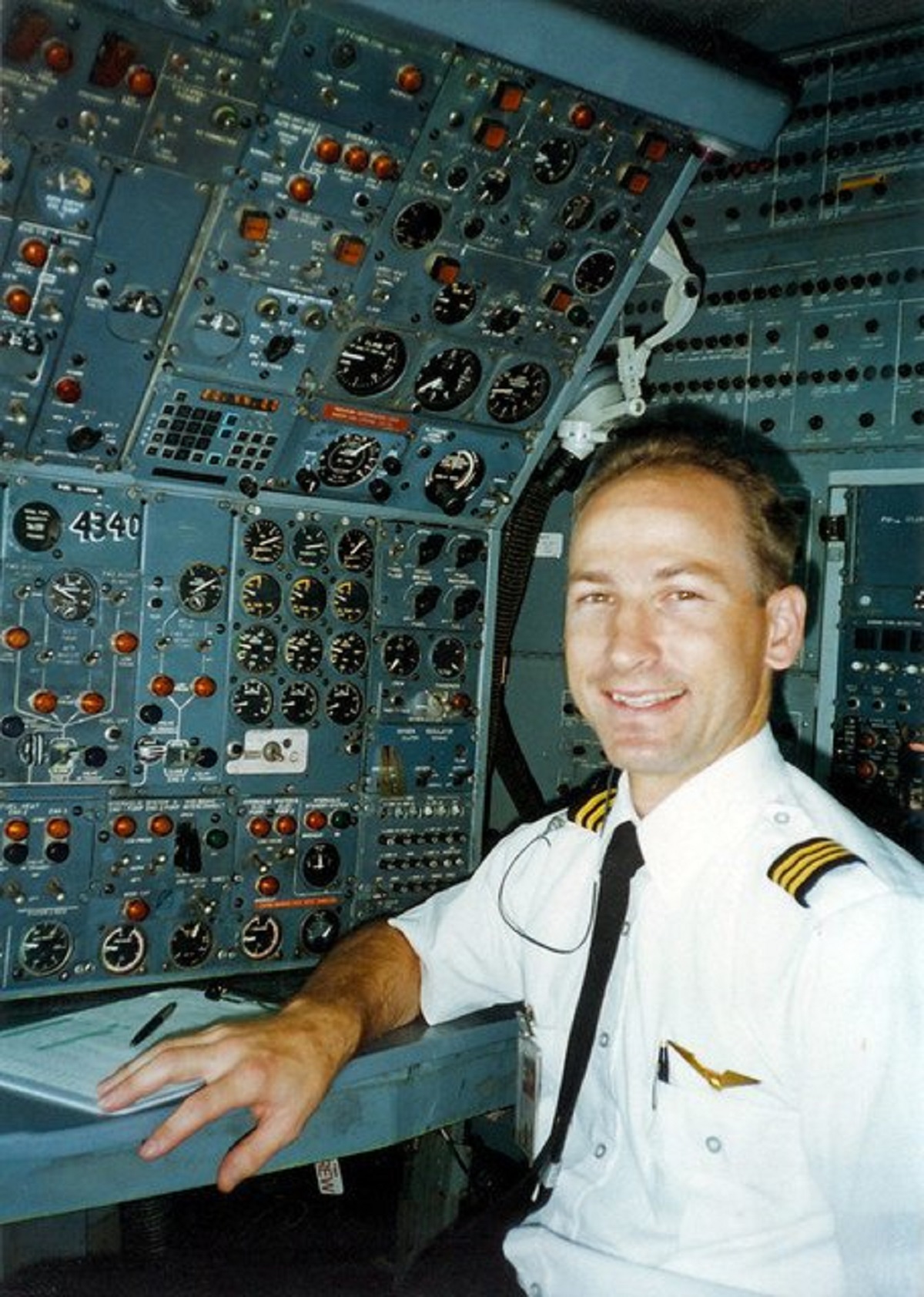
The flight engineer was essentially the onboard technical expert, responsible for monitoring and managing the myriad of complex systems that keep an aircraft operational during flight. This required an intimate understanding of the aircraft’s engineering, from its propulsion systems to its environmental controls. Their role was to ensure that all systems were functioning within optimal parameters and to diagnose and address any anomalies that arose.
Propulsion and Powerplant Oversight
At the core of a flight engineer’s duties was the meticulous supervision of the aircraft’s engines. This extended far beyond simply monitoring gauges. They were responsible for:
Engine Performance Monitoring
During flight, the flight engineer constantly analyzed data from various sensors to gauge engine performance. This included monitoring parameters such as exhaust gas temperature (EGT), oil pressure and temperature, fuel flow, and RPMs. Deviations from normal ranges could indicate developing issues, from minor inefficiencies to potentially serious malfunctions. Their ability to interpret these readings in real-time was crucial for anticipating problems before they became critical.
Fuel Management and Crossfeed
Efficient fuel management is paramount for flight safety and economy. The flight engineer managed the aircraft’s fuel system, ensuring that fuel was distributed correctly between tanks to maintain balance and optimize performance. This involved operating fuel pumps and crossfeed valves, calculating fuel consumption rates, and projecting remaining fuel for the duration of the flight and for potential diversions. Inadequate fuel planning or management could lead to catastrophic outcomes.
Powerplant Health and Diagnostics
Beyond immediate flight performance, the flight engineer had a role in assessing the overall health of the powerplant. They understood the operational limits of the engines and could identify subtle trends that might suggest wear and tear or impending component failure. This proactive approach, informed by a deep understanding of engine mechanics and thermodynamics, contributed significantly to preventative maintenance strategies.
Systems Integration and Environmental Control
The flight engineer’s purview extended to a wide array of other critical aircraft systems, ensuring the comfort and safety of passengers and crew, as well as the optimal functioning of the aircraft itself.
Electrical and Hydraulic System Management
Modern aircraft rely on sophisticated electrical and hydraulic systems to power everything from flight controls to cabin lighting. The flight engineer monitored the output of generators and alternators, managed battery charging, and ensured the proper functioning of hydraulic pumps and accumulators. They were trained to troubleshoot issues like voltage fluctuations, circuit overloads, and hydraulic leaks, often implementing corrective actions on the fly.
Environmental Control Systems (ECS)
Maintaining a stable and comfortable cabin environment is a key responsibility. The flight engineer managed the ECS, which regulated cabin pressure, temperature, and airflow. This involved understanding the complex interplay of bleed air, air conditioning units, and outflow valves. They were responsible for setting appropriate cabin altitudes and ensuring that the system could cope with varying external conditions, from frigid high altitudes to hot ground temperatures.
Pneumatic Systems and Anti-Ice
Pneumatic systems, often powered by bleed air from the engines, are vital for numerous functions, including anti-icing of wings and engines, cabin pressurization, and operation of various actuators. The flight engineer monitored the pressure and flow of these systems, ensuring their effective operation, particularly in adverse weather conditions where ice formation poses a significant threat.
The Evolution of the Flight Engineer Role: From Crew Member to Integrated System

The traditional role of a dedicated flight engineer has significantly diminished in modern commercial aviation, primarily due to advancements in aircraft automation and avionics. However, the functions performed by flight engineers have not disappeared; they have been absorbed into other roles, highlighting a fundamental shift in how aircraft are managed.
The Rise of Automation and Integrated Cockpits
Modern aircraft are equipped with highly sophisticated Flight Management Systems (FMS) and Electronic Centralized Aircraft Monitoring (ECAM) or Engine Indicating and Crew Alerting System (EICAS) displays. These systems automate many of the monitoring and control functions that were once the sole responsibility of the flight engineer.
Fly-by-Wire Technology and Computerized Control
Fly-by-wire systems replace mechanical linkages with electronic signals, allowing for more precise control and increased automation. This reduces the need for manual manipulation of certain flight controls, which were historically within the flight engineer’s domain to monitor and adjust. Computers now manage a vast array of inputs and outputs, providing pilots with simplified interfaces and automated responses.
Integrated Monitoring and Alerting Systems
ECAM/EICAS systems present a consolidated view of aircraft systems to the pilots, highlighting potential issues and suggesting appropriate checklists or procedures. This consolidated information reduces the cognitive load on the flight crew and ensures that critical alerts are immediately visible and actionable, effectively integrating the monitoring functions previously performed by a dedicated flight engineer.
The Pilot as a Systems Manager
In contemporary aircraft, the pilot-in-command and the first officer are trained to manage a far broader range of aircraft systems than their predecessors. Their role now encompasses the responsibilities that were once distributed among a dedicated flight engineer.
Enhanced Pilot Training and Avionics Proficiency
Modern pilot training programs place a strong emphasis on understanding and managing complex aircraft systems. Pilots are trained to interpret sophisticated display systems, understand the underlying principles of automated functions, and troubleshoot system anomalies that may arise, even when automation is engaged. Proficiency with advanced avionics is no longer an option but a core competency.
Collaboration with Ground-Based Technical Support
While the flight engineer was the onboard expert, modern aviation also relies heavily on sophisticated ground-based technical support. Data from aircraft systems can be transmitted in real-time or downloaded post-flight, allowing maintenance and engineering teams to analyze performance trends and predict potential failures. This collaborative approach between the flight crew and ground teams ensures a comprehensive approach to aircraft health.
The Legacy and Future of Technical Oversight in Aviation
Though the specific title of “flight engineer” may be fading from the active cockpit, the spirit of their role—meticulous technical oversight and deep system understanding—remains an indispensable aspect of aviation. The evolution of the flight engineer’s duties underscores the relentless technological advancement that has shaped modern air travel, making it safer and more efficient than ever before.
The Enduring Importance of Technical Acumen
Regardless of who is performing the task, the need for a profound understanding of aircraft systems and their interdependencies cannot be overstated. The principles of aerodynamics, thermodynamics, electrical engineering, and fluid dynamics that underpinned the flight engineer’s expertise are still fundamental to safe flight operations.
Specialized Roles in Modern Aviation
While dedicated flight engineers are rare in commercial passenger aviation, specialized technical roles persist in other sectors. In military aviation, particularly on large transport or bomber aircraft, dedicated aircrew members with extensive technical responsibilities may still exist. Furthermore, the expertise of flight engineers has transitioned into roles such as aircraft maintenance engineers, systems engineers for manufacturers, and technical specialists within airlines.

The Continuous Drive for Safety and Efficiency
The historical flight engineer was a testament to the proactive approach to aviation safety. Their vigilant monitoring and diagnostic capabilities contributed significantly to preventing incidents and ensuring the reliability of aircraft. The modern integration of these responsibilities into the pilot’s role, coupled with advanced automation and ground support, represents a continuous evolution towards even greater levels of safety and operational efficiency. The legacy of the flight engineer lives on in the sophisticated systems and highly trained crews that ensure our skies remain safe.
aViewFromTheCave is a participant in the Amazon Services LLC Associates Program, an affiliate advertising program designed to provide a means for sites to earn advertising fees by advertising and linking to Amazon.com. Amazon, the Amazon logo, AmazonSupply, and the AmazonSupply logo are trademarks of Amazon.com, Inc. or its affiliates. As an Amazon Associate we earn affiliate commissions from qualifying purchases.