
The allure of the fashion world often conjures images of glamorous photoshoots, runway shows, and perfectly curated wardrobes. At the heart of this visual symphony lies the fashion stylist, a professional whose expertise transforms creative visions into tangible realities. While their work might seem purely aesthetic, understanding what a fashion stylist truly does reveals a complex blend of artistic sensibility, strategic thinking, and an intimate understanding of the industry’s economic underpinnings. Far from simply picking out clothes, a stylist is a consultant, a trend forecaster, a collaborator, and often, a savvy businesswoman.
The Stylist as a Brand Architect
In the realm of branding, a fashion stylist is more than just an outfit assembler; they are instrumental in constructing and refining both individual and corporate brand identities. Their work directly impacts how a brand is perceived, the emotions it evokes, and ultimately, its commercial success. This involves a deep dive into the essence of the brand, translating its core values, target audience, and desired market position into a cohesive and compelling visual narrative.
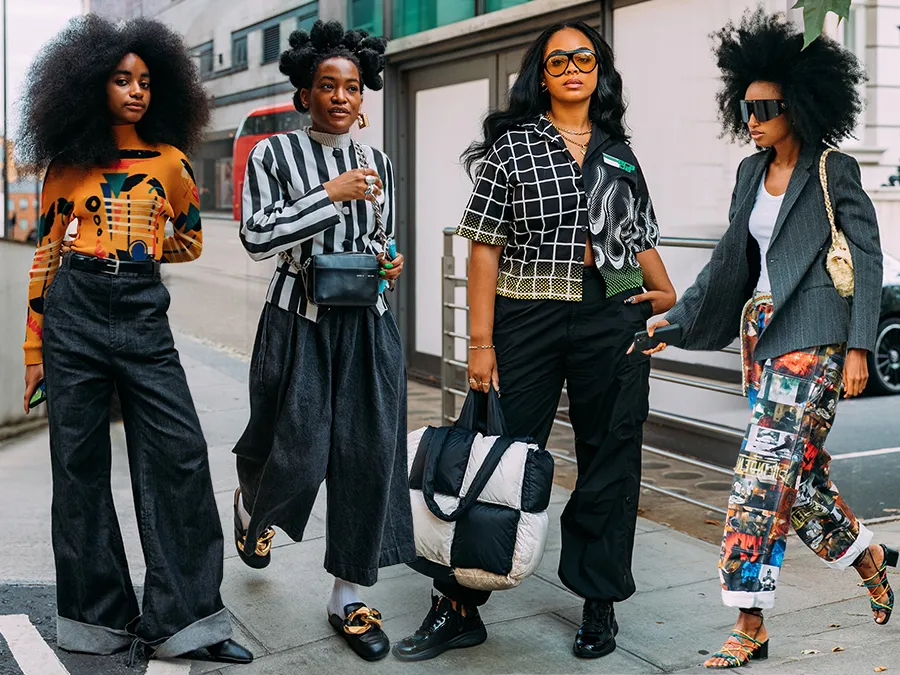
Defining the Brand’s Visual Language
Every brand, whether it’s a global fashion house, a burgeoning startup, or a public figure, possesses a unique essence that needs to be communicated visually. A fashion stylist is tasked with deciphering this essence and translating it into a distinct visual language. This process begins with rigorous research and analysis. They immerse themselves in the brand’s history, its mission statement, and its target demographic. For a luxury brand, this might mean understanding its heritage of craftsmanship and exclusivity, translating into refined silhouettes, rich fabrics, and a sense of understated elegance. For a fast-fashion retailer, the focus might shift to trend-driven pieces, vibrant colors, and a more accessible, youthful aesthetic.
The stylist then considers the emotional impact of the brand. What feelings should the brand evoke? Is it confidence, playfulness, sophistication, or rebellion? This emotional resonance is then meticulously woven into the fabric of every styling decision. Through careful selection of garments, accessories, and even the way these elements are combined, the stylist shapes the perception of the brand, ensuring it connects with its audience on a deeper, more meaningful level.
Crafting a Cohesive Brand Narrative
A powerful brand isn’t just a logo or a product; it’s a story. Fashion stylists are storytellers, using clothing as their medium to craft a compelling and consistent narrative. This narrative needs to be present across all touchpoints where the brand’s visual identity is expressed, from editorial photoshoots and advertising campaigns to red carpet appearances and in-store displays.
For a fashion brand, this means creating looks that align with the seasonal collections, the campaign themes, and the overall brand ethos. The stylist ensures that each garment, accessory, and styling choice contributes to the overarching story being told. This consistency builds recognition and reinforces the brand’s message in the minds of consumers. For example, a sustainable fashion brand might consistently style its models in natural fabrics, earthy tones, and minimalist designs, reinforcing its commitment to eco-consciousness.
Beyond individual campaigns, stylists are often involved in developing broader styling guidelines or “brand books” that dictate the visual language for future projects. This ensures that as the brand evolves, its core identity remains intact, fostering trust and loyalty among its audience. The stylist’s ability to foresee how styling choices will resonate over time and across different platforms is a testament to their strategic foresight and understanding of brand longevity.
Influencing Consumer Perception and Purchasing Decisions
Ultimately, the work of a fashion stylist has a direct impact on how consumers perceive a brand and, consequently, their purchasing decisions. When a stylist creates visually appealing and aspirational looks for a brand, it elevates its desirability. Consumers are drawn to brands that project a strong, confident, and aesthetically pleasing image. The stylist’s ability to present clothing in a way that is both covetable and relatable is crucial.
For instance, a well-styled outfit in a magazine editorial can spark immediate interest, leading consumers to seek out those specific pieces or to associate the brand with a particular lifestyle or aspiration. In e-commerce, well-executed product styling can significantly increase conversion rates, as it helps potential buyers visualize themselves wearing the items and understand how to integrate them into their own wardrobes.
Moreover, stylists often work with influencers and celebrities, leveraging their public platforms to showcase a brand’s offerings. The way a celebrity is styled for a red carpet event or a social media post can generate significant buzz and directly influence public opinion and sales. The stylist, in this capacity, acts as a crucial bridge between the brand and its potential customers, shaping desires and driving demand through carefully considered visual communication. Their work is not just about making things look good; it’s about making brands desirable, memorable, and ultimately, profitable.
The Stylist as a Strategic Business Partner
The fashion industry is a competitive and dynamic marketplace. For brands to thrive, they need to be strategically positioned and effectively marketed. Fashion stylists are increasingly recognized not just as creative contributors, but as integral strategic business partners who play a pivotal role in a brand’s market presence and financial success. Their insights and execution directly contribute to brand visibility, market penetration, and ultimately, revenue generation.
Maximizing Brand Visibility and Market Reach
A key function of a fashion stylist is to ensure that a brand is seen and noticed in the crowded marketplace. This involves strategically placing the brand’s products and visual identity in front of the right audiences through various channels. This isn’t simply about dressing models; it’s about creating compelling visual content that captures attention and generates interest.
For editorial and advertising campaigns, stylists work with photographers, art directors, and marketing teams to create imagery that is not only aesthetically pleasing but also strategically aligned with the brand’s marketing objectives. This might involve developing looks that highlight specific product lines, convey a particular brand message, or tap into current cultural trends. The more impactful and memorable the visual representation, the greater the potential for brand exposure and recognition.

Beyond traditional advertising, stylists are instrumental in digital marketing efforts. This includes curating looks for social media content, collaborating with influencers for sponsored posts, and styling for e-commerce platforms. The right styling can transform a product image from ordinary to extraordinary, making it more clickable, shareable, and ultimately, more likely to drive traffic and sales. By understanding where a brand’s target audience consumes media and what visual content resonates with them, stylists can ensure their work amplifies brand visibility and extends its market reach.
Enhancing Product Appeal and Sales Conversion
The direct correlation between effective styling and sales is undeniable. A fashion stylist’s ability to present garments in the most flattering and desirable light can significantly influence a consumer’s decision to purchase. This is particularly evident in online retail, where customers cannot physically touch or try on clothing. High-quality, well-styled product imagery becomes paramount.
Stylists meticulously consider how fabrics drape, how colors interact, and how pieces can be combined to create a complete, aspirational look. They understand that showcasing a single item in isolation might not be as effective as presenting it as part of a curated outfit, demonstrating its versatility and potential for integration into a customer’s existing wardrobe. This visualization helps consumers overcome purchase hesitation by providing clear examples of how to wear and style the item.
Furthermore, stylists often play a role in visual merchandising for brick-and-mortar stores. The way clothing is displayed on mannequins, in store windows, and on racks can dramatically impact customer engagement and sales. A well-styled display can create an inviting atmosphere, draw customers in, and encourage them to explore the collection. By understanding the psychology of shopping and the visual cues that drive purchasing behavior, stylists contribute directly to a brand’s bottom line. Their expertise transforms clothing from mere items into desirable assets, directly impacting sales conversion rates and overall revenue.
Managing Budgets and Resource Allocation
While creativity is at the forefront of a stylist’s role, sound financial management is an equally critical, though often less visible, aspect of their business acumen. Fashion stylists, particularly those working independently or leading their own teams, are responsible for managing budgets, negotiating with suppliers, and allocating resources effectively to achieve the best possible outcomes for their clients and brands.
This involves a pragmatic understanding of the financial constraints and objectives of each project. A stylist must be adept at sourcing garments, whether through purchasing, borrowing from showrooms, or collaborating with designers, all while staying within predetermined budgets. This requires strong negotiation skills to secure favorable rates from rental houses, sample rooms, and sometimes even designers themselves.
Moreover, stylists must be able to assess the return on investment for their styling efforts. They need to understand how their creative decisions translate into tangible business results, such as increased sales, enhanced brand perception, or successful campaign outcomes. This financial literacy allows them to justify their fees, demonstrate their value, and build long-term, profitable relationships with clients. The ability to balance creative vision with financial responsibility is what elevates a stylist from a mere aesthetician to a valuable strategic partner in the business of fashion.
The Stylist as a Trend Navigator and Visionary
The fashion industry is in constant flux, propelled by evolving aesthetics, cultural shifts, and economic influences. At the vanguard of this movement are fashion stylists, who act as astute navigators of trends, translating ephemeral ideas into tangible styles that resonate with consumers and shape the market. Their foresight and ability to interpret the zeitgeist are crucial for brands seeking to remain relevant and innovative.
Researching and Foreseeing Market Trends
A significant portion of a fashion stylist’s work involves deep and continuous research into emerging trends. This goes beyond simply observing runway shows; it encompasses analyzing socio-economic factors, cultural movements, art, music, and even global events that can influence fashion. Stylists pore over industry reports, subscribe to trend forecasting services, attend trade shows, and maintain extensive networks within the fashion ecosystem to glean insights into what will be popular in the coming seasons.
They are adept at identifying the subtle shifts in silhouettes, color palettes, fabric choices, and stylistic nuances that signal the direction of fashion. This predictive capability allows them to advise brands on upcoming trends, helping them to align their collections and marketing strategies accordingly. For example, a stylist might foresee a growing consumer interest in comfort and sustainability, leading them to recommend the incorporation of more relaxed fits and eco-friendly materials into a brand’s offerings. This proactive approach ensures that brands are not just reacting to trends but are anticipating and even shaping them.
Translating Trends into Wearable and Marketable Styles
Forecasting a trend is only the first step; the real artistry lies in translating these abstract predictions into concrete, wearable, and commercially viable styles. A stylist must possess the creative vision to interpret runway looks or street style influences and adapt them to suit a brand’s specific identity and target audience. What looks cutting-edge on a runway might need significant modification to be accessible and appealing to a broader consumer base.
This involves understanding the practicalities of garment construction, fabric behavior, and how different pieces can be combined to create flattering and functional outfits. The stylist acts as a bridge between high-fashion concepts and everyday wearability. They might take an avant-garde silhouette and reimagine it in a more subdued fabric, or they might combine unexpected elements to create a fresh, contemporary look that feels both novel and familiar. Their expertise ensures that brands can capitalize on emerging trends without alienating their existing customer base or compromising their core identity.
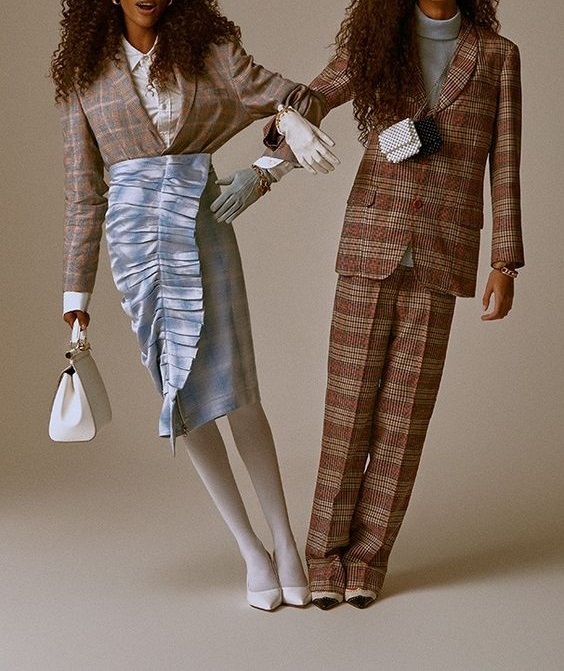
Cultivating a Unique Aesthetic for Enduring Brand Identity
While staying abreast of trends is vital, a truly successful fashion stylist also understands the importance of cultivating a unique and enduring aesthetic for the brands they work with. This involves developing a distinct visual signature that sets the brand apart from its competitors and fosters customer loyalty. This signature is built upon a deep understanding of the brand’s core values, its heritage, and its desired market position.
A stylist’s role extends beyond seasonal styling; they contribute to the long-term brand narrative. This might involve establishing a consistent visual vocabulary that permeates all aspects of the brand’s presentation, from lookbooks and campaign imagery to influencer collaborations and retail displays. This consistent aesthetic builds recognition, reinforces brand messaging, and creates a sense of familiarity and trust for consumers. For example, a brand that consistently champions a minimalist, Scandinavian-inspired aesthetic will build a reputation for understated elegance and quality, attracting a specific clientele. The stylist, as the guardian of this aesthetic, ensures its consistent application, solidifying the brand’s identity and its position in the market for years to come.
aViewFromTheCave is a participant in the Amazon Services LLC Associates Program, an affiliate advertising program designed to provide a means for sites to earn advertising fees by advertising and linking to Amazon.com. Amazon, the Amazon logo, AmazonSupply, and the AmazonSupply logo are trademarks of Amazon.com, Inc. or its affiliates. As an Amazon Associate we earn affiliate commissions from qualifying purchases.