
The euro coin, a tangible symbol of European economic integration, presents a fascinating blend of national identity and shared currency. While the European Central Bank (ECB) oversees the monetary policy for the eurozone, the design of the euro coins themselves is a testament to the diverse heritage and artistic traditions of the member states. Understanding what a euro coin looks like involves delving into both its universal features and the unique national expressions that adorn its reverse side. This exploration is crucial for anyone interacting with the currency, from tourists to business owners, and offers insights into the broader narrative of European unity and individual sovereignty.
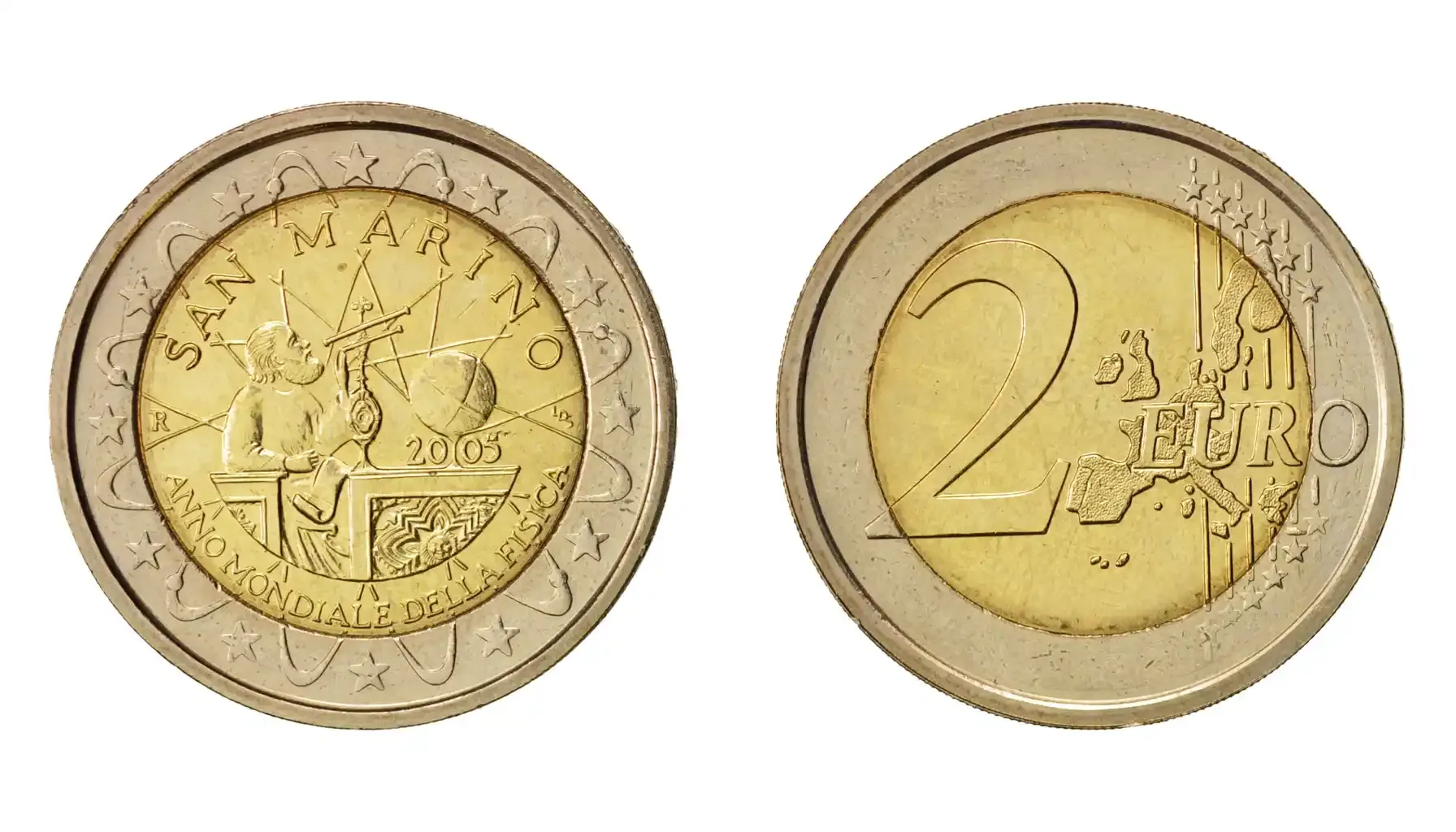
The Common Face: A Unifying Symbol
At the heart of every euro coin lies a standardized obverse (the “heads” side) designed to promote a sense of unity and recognition across the entire eurozone. These common designs are intentionally inclusive, aiming to represent the shared values and aspirations of the European Union.
The Edge of Unity: Shared Imagery and Design
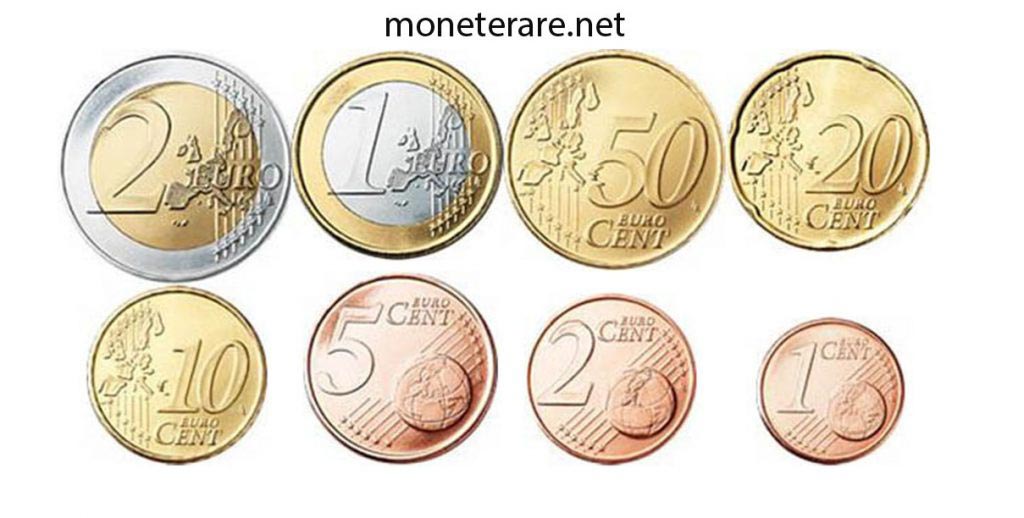
The initial set of common designs, introduced in 2002, featured a map of Europe that depicted the EU as a whole, a move intended to highlight the continent’s interconnectedness. However, with the expansion of the EU, the map was updated to reflect the growing membership. The second series of common sides, introduced in 2007, features a more abstract representation of Europe, symbolizing the continent’s continued integration and shared future. These designs are crucial for establishing a consistent and recognizable identity for the euro across all denominations.
Denominational Distinction: Size, Color, and Composition
Beyond the imagery, euro coins are immediately distinguishable by their physical characteristics, which vary according to their value. This deliberate differentiation aids in quick identification and practical use.
The Eight Values: From Cent to Two Euros
There are eight different denominations of euro coins: 1 cent, 2 cents, 5 cents, 10 cents, 20 cents, 50 cents, 1 euro, and 2 euros. Each denomination has a distinct size, weight, color, and edge design. For instance, the lower denominations (1, 2, and 5 cents) are copper-colored, the middle denominations (10, 20, and 50 cents) are gold-colored (made of an alloy called Nordic Gold), and the higher denominations (1 and 2 euros) are bimetallic, featuring a gold-colored outer ring and a silver-colored inner disc (or vice versa for the 1 euro coin). This careful consideration of physical attributes ensures that the coins are easily managed and differentiated, even by individuals with visual impairments.
Edge Engravings: Security and Identity
The edges of euro coins also carry distinguishing features. The 1, 2, and 5 cent coins have a smooth edge. The 10, 20, and 50 cent coins have a continuous edge with a coarse milling, meaning it has raised lines. The 1 and 2 euro coins have a highly distinctive edge: the 1 euro coin has finely reeded edges, while the 2 euro coin has even more finely reeded edges with alternating plain and reeded sections, and sometimes even inscriptions. These edge features not only add to the aesthetic appeal but also contribute to security, making counterfeiting more difficult.
The National Face: A Celebration of Diversity
While the obverse of euro coins presents a unified European front, the reverse side, known as the national side, offers each member state the opportunity to showcase its unique cultural heritage, historical figures, or national symbols. This duality is a core principle of the euro’s design, symbolizing “unity in diversity.”
Unveiling National Identity: Emblematic Imagery
Each of the eurozone member states has the right to mint its own national side of the euro coins. This allows for a rich tapestry of designs, reflecting the distinct character of each country. From iconic landmarks and national heroes to abstract artistic representations, the national faces are a visual encyclopedia of European identity.
A Gallery of Icons: National Symbols and Figures
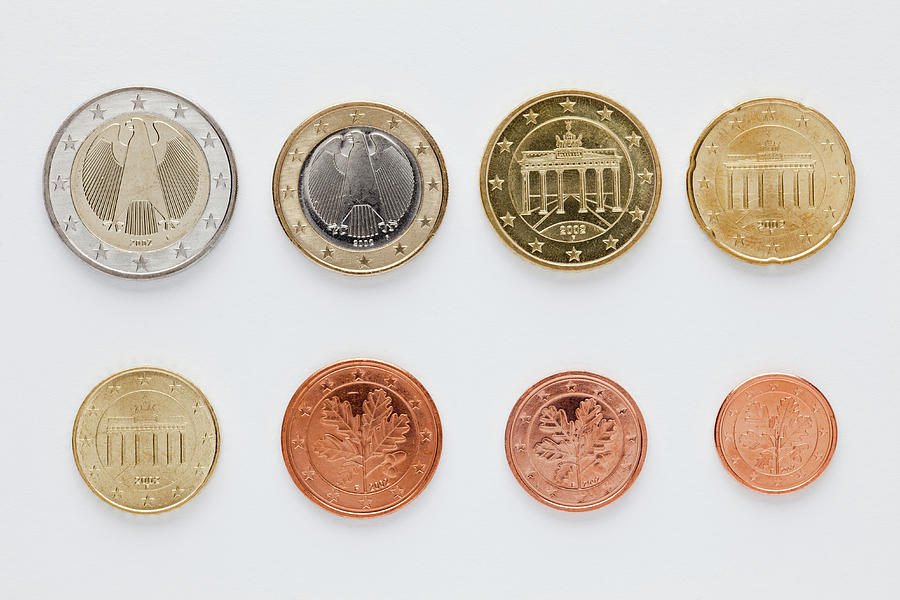
For example, Germany’s 1 and 2 euro coins typically feature the federal eagle, a symbol of German sovereignty. France often showcases Marianne, a symbol of the French Republic, or other national motifs. Spain frequently depicts historical figures like King Juan Carlos I or national symbols like the coat of arms. Italy has featured famous Italian works of art, such as Leonardo da Vinci’s Vitruvian Man, or iconic monuments. The diversity is immense, ranging from the ancient Acropolis of Athens on Greek coins to the national emblem of Finland, the crowned lion. These designs are not static; countries can update their national coin designs, usually every 15 years, to reflect contemporary themes or changes in national symbolism.
The Legal Framework: Governing National Designs
The design of the national side is not entirely arbitrary. There are specific guidelines and regulations set forth by the European Union to ensure that the national faces of the euro coins meet certain criteria.
Euro Regulations: Ensuring Cohesion and Legality
These regulations stipulate that the national side must include the twelve stars of the European Union and the mint year. Furthermore, the design must be easily recognizable and clearly identify the issuing country. While the general specifications for the common side are set by the European Commission, the specific designs for the national sides are decided by each member state. This process often involves national competitions and public consultation, ensuring that the chosen designs have broad popular support and accurately represent the nation’s identity. The commitment to these guidelines ensures that despite the national variations, all euro coins remain undeniably euro coins, recognizable and legal tender across the entire eurozone.
The Euro Coinage System: A Practical Perspective
Beyond the visual and symbolic aspects, the euro coinage system is designed for practicality and ease of use. The standardized nature of the common side, combined with the distinct national sides, creates a robust and functional currency.
Facilitating Transactions: Ease of Recognition and Use
The consistent physical attributes of the coins – their size, weight, and color – are crucial for automated coin-handling machines, such as vending machines and public transport ticket machines. These machines are programmed to recognize the specific physical characteristics of each denomination, ensuring seamless transactions. The distinct edge patterns on the higher denominations also aid in their recognition by automated systems and by visually impaired individuals.
A Global Standard: Facilitating International Exchange
The euro, as a single currency for a significant economic bloc, has become a major international reserve currency. The standardization of its coinage, while accommodating national diversity, facilitates international exchange and trade. Businesses operating across multiple eurozone countries benefit from a uniform coinage system, reducing logistical complexities and transaction costs. Tourists can travel freely across borders without the need for currency exchange, further simplifying their experience.
Security Features: Combating Counterfeiting
The production of euro coins involves sophisticated minting techniques and security features to prevent counterfeiting. The precision in the metal alloys, the intricate designs, and the specific edge engravings all contribute to making these coins difficult to replicate.
Technological Defenses: Ensuring Authenticity
The use of specific metal compositions, such as the Nordic Gold alloy for the 10, 20, and 50 cent coins, and the bimetallic structure for the 1 and 2 euro coins, is a deliberate security measure. The specific milling and inscription patterns on the edges of the 1 and 2 euro coins are also difficult to reproduce accurately by counterfeiters. Central banks and the European Central Bank continually monitor the integrity of the euro coinage and implement measures to stay ahead of counterfeiters. The ongoing innovation in minting technology ensures that euro coins remain a secure and reliable form of currency.
Conclusion: More Than Just Currency
The euro coin is far more than a simple medium of exchange. It is a powerful emblem of European unity, a celebration of national diversity, and a testament to meticulous design and engineering. From the unifying imagery on its common face to the distinct artistic expressions on its national side, each euro coin tells a story of shared aspirations and individual identities. The practical design, with its varying sizes, colors, and edge features, ensures ease of use and recognition. Furthermore, the robust security features underscore the commitment to maintaining the integrity of this significant global currency. Understanding what a euro coin looks like is to appreciate the intricate balance between a shared future and a rich, multifaceted past, making it a truly captivating aspect of the European economic landscape.
aViewFromTheCave is a participant in the Amazon Services LLC Associates Program, an affiliate advertising program designed to provide a means for sites to earn advertising fees by advertising and linking to Amazon.com. Amazon, the Amazon logo, AmazonSupply, and the AmazonSupply logo are trademarks of Amazon.com, Inc. or its affiliates. As an Amazon Associate we earn affiliate commissions from qualifying purchases.