
In the landscape of modern digital communication, the dolphin emoji ( ) serves as more than just a playful aquatic icon. Formally recognized by the Unicode Consortium as “U+1F42C,” this symbol represents a fascinating intersection of software engineering, digital linguistics, and user interface design. As we navigate an era dominated by rapid-fire messaging and social media engagement, understanding the technical and contextual meaning of the dolphin emoji provides a unique window into how technology shapes human expression.
From a technical perspective, the dolphin emoji is a piece of data—a specific hex code that triggers a rendering engine to display a graphic. However, from a communication standpoint, its meaning is layered, shifting based on the platform, the algorithm interpreting it, and the cultural context of the digital space it inhabits.

The Technical Evolution of Emojis and the Unicode Standard
To understand what the dolphin emoji means, one must first understand how it exists within the global tech infrastructure. Emojis are not mere images; they are standardized characters governed by the Unicode Consortium, a non-profit organization that ensures text-based data is consistent across all software platforms and devices.
From Pixel Art to Global Standards
The dolphin emoji was first introduced in Unicode 6.0 in 2010. Before this standardization, graphical icons were proprietary to specific mobile carriers, particularly in Japan (the birthplace of the emoji). A dolphin sent from a Docomo phone might not appear on a KDDI device. The integration into Unicode 6.0 meant that the dolphin became a “global citizen” of the digital world. This standardization allowed developers to build cross-platform applications where a user on an iPhone in New York could send a to a user on a Samsung device in Tokyo, with both parties recognizing the intended icon.
How Operating Systems Render the Dolphin (U+1F42C)
While the Unicode character remains consistent, the visual representation (the “glyph”) is determined by the operating system’s font library. This is where the tech-driven “meaning” of the emoji can subtly shift.
- Apple’s iOS: Features a realistic, 3D-shaded, light-blue dolphin jumping to the left. It leans toward a sleek, “premium” aesthetic.
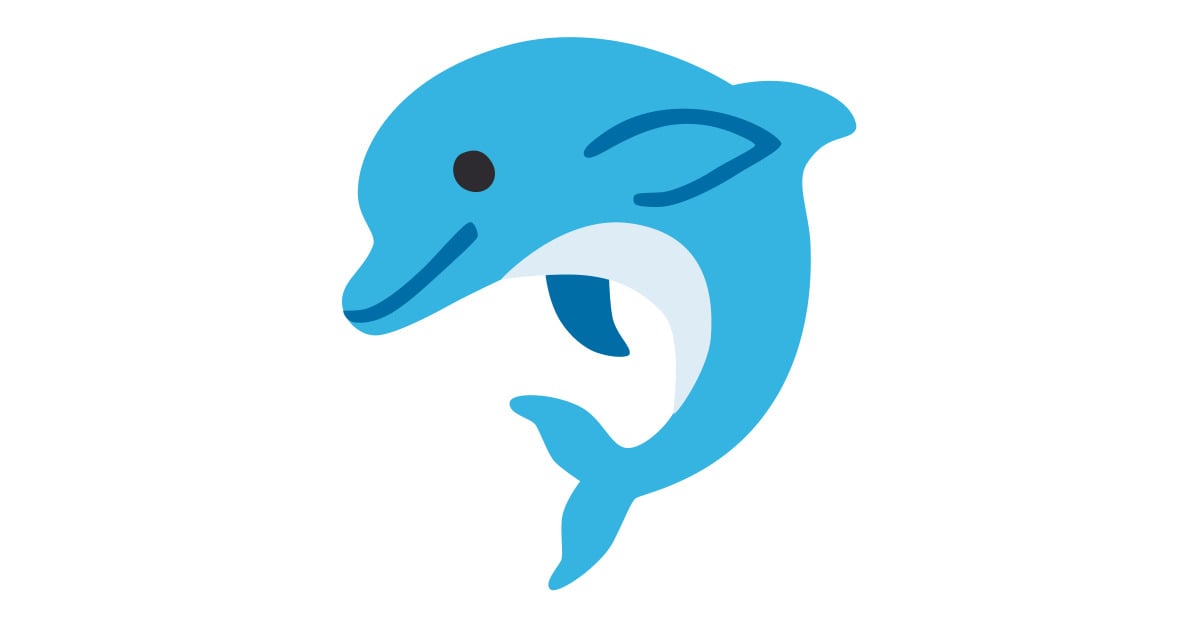
- Google’s Android: Historically presented a more stylized, cartoonish version, though recent updates have moved toward a more anatomical design to ensure cross-platform parity.
- Microsoft Windows: Often uses a thick-outlined, flat design optimized for high-contrast visibility on desktop monitors.
These rendering differences are not merely stylistic choices; they affect the user experience (UX). A “playful” looking dolphin on one OS might be interpreted as a “majestic” one on another, demonstrating how hardware and software ecosystems influence the emotional weight of a digital message.
Algorithmic Interpretation: Emojis in Natural Language Processing (NLP)
Beyond human-to-human interaction, the dolphin emoji is a critical data point for artificial intelligence and machine learning models. As Big Tech moves toward more sophisticated sentiment analysis, emojis act as powerful modifiers that help algorithms understand the intent behind a string of text.
Sentiment Analysis and the Dolphin’s Positive Weight
In the realm of Natural Language Processing (NLP), the dolphin emoji is categorized with a high “positive valence.” Tech companies use sentiment analysis tools to scan millions of social media posts to gauge public opinion on products or news. Within these datasets, the is rarely associated with negativity. It is typically clustered with themes of joy, environmental consciousness, freedom, and intelligence. When a user tweets about a new gadget and includes a dolphin emoji, the backend sentiment engine identifies the post as overwhelmingly positive, even if the text itself is brief.
The Role of AI in Deciphering Contextual Meaning
Modern Large Language Models (LLMs), such as those powering ChatGPT or Google Gemini, are trained on vast corpora of internet data where emojis are prevalent. These models have learned that the dolphin emoji often signifies “playfulness” or “friendliness.” However, AI also detects nuanced “tech-subculture” meanings. For instance, in certain niche software communities, the dolphin is synonymous with the MySQL database logo. An AI analyzing a technical forum thread will interpret the not as a marine mammal, but as a reference to database management systems. This highlights the sophisticated way modern tech parses visual data based on the surrounding digital ecosystem.
User Interface and Experience: The Psychology of Visual Icons
The integration of the dolphin emoji into keyboard interfaces is a masterpiece of UX design. The goal of any modern mobile OS is to reduce “friction” in communication, and the dolphin emoji plays a specific role in how we interact with our screens.
Accessibility and Alt-Text for the Dolphin Emoji
A critical aspect of the dolphin emoji’s technical existence is its role in digital accessibility. For visually impaired users, screen readers do not “see” the image; they read the metadata. The standard alt-text for is “Dolphin.” Developers must ensure that when an emoji is used in a User Interface (UI), it doesn’t disrupt the flow of assistive technologies. This technical requirement ensures that the meaning of the “dolphin”—as a symbol of grace or the ocean—is conveyed regardless of the user’s ability to see the screen.
Predictive Text and Suggestive Keyboards
When you type the word “ocean,” “beach,” or “smart” into a modern smartphone, the predictive text engine frequently suggests the dolphin emoji. This is the result of a sophisticated suggestion API that maps semantic keywords to Unicode characters. This tech creates a feedback loop: by suggesting the dolphin for “smart,” the software reinforces the cultural meaning of the emoji. The technology is not just reflecting our language; it is actively shaping it by nudging users toward specific visual symbols.
Digital Security and Hidden Contexts
In the world of cybersecurity and encrypted communication, emojis can take on a more “clandestine” meaning. The dolphin emoji, while seemingly innocent, is often analyzed by digital forensic experts for its use as a “signal” or “code” in specific online subcultures.
The Dolphin as a “Safe” Icon in Encrypted Messaging
In the context of end-to-end encrypted apps like Signal or Telegram, the dolphin can be used as a verification method or a “safe word.” Because emojis are easily recognizable but can have varied subjective meanings, they are often used by tech-savvy users to verify identities or signal that a channel is secure without alerting automated keyword-based surveillance systems.
Steganography and Hidden Meanings in Digital Subcultures
Digital steganography—the practice of hiding information within a non-secret file or message—sometimes utilizes emojis. While a is just a to the average observer, within a specific developer community or a gaming Discord server, it might be used to signify a specific software update, a “bug found,” or a successful server migration. This “emoji-speak” allows for high-density communication; a single character (the dolphin) can replace an entire sentence of technical status updates, saving space and time in fast-moving dev environments.

Conclusion: The Future of the Dolphin in the Digital Stack
As we look toward the future of technology—incorporating Augmented Reality (AR) and the Metaverse—the meaning of the dolphin emoji will continue to evolve. In a 3D digital space, the may transition from a 2D icon to a 3D asset that follows a user’s avatar, representing their digital identity or a “badge of intelligence.”
Ultimately, the dolphin emoji is a testament to the sophistication of modern communication technology. It is a bridge between binary code and human emotion. Whether it is being used by a brand to project a friendly image, categorized by an AI for sentiment analysis, or rendered by a GPU on a high-definition display, the remains a vital component of the digital lexicon. Understanding its meaning requires looking past the surface of the icon and into the complex technical layers—the Unicode standards, the NLP algorithms, and the UX designs—that allow us to communicate a sense of wonder and intelligence with a single tap on a screen.
aViewFromTheCave is a participant in the Amazon Services LLC Associates Program, an affiliate advertising program designed to provide a means for sites to earn advertising fees by advertising and linking to Amazon.com. Amazon, the Amazon logo, AmazonSupply, and the AmazonSupply logo are trademarks of Amazon.com, Inc. or its affiliates. As an Amazon Associate we earn affiliate commissions from qualifying purchases.