
Beyond the purely functional aspects of protection and hygiene, a doctor’s attire is a profoundly powerful, often underestimated, tool in brand communication. It serves as an immediate visual cue, conveying a multitude of messages about professionalism, authority, trustworthiness, and the very identity of the healthcare institution they represent. In a profession where trust is paramount and first impressions can significantly influence patient perception and comfort, the strategic consideration of what a doctor wears moves far beyond mere uniform compliance; it becomes an integral part of personal and corporate branding within the healthcare landscape.

This article delves into how the sartorial choices of medical professionals contribute to their individual brand, enhance the corporate identity of hospitals and clinics, and subtly yet effectively shape patient experiences. We will explore the historical significance, psychological impact, and modern interpretations of medical attire, emphasizing its role as a silent ambassador of care and competence.
The Doctor’s Wardrobe as a Branding Tool
In the competitive and trust-dependent realm of healthcare, every element that contributes to perception is a branding asset. The doctor’s wardrobe is a front-line brand ambassador, communicating volumes before a single word is spoken.
Non-Verbal Communication and First Impressions
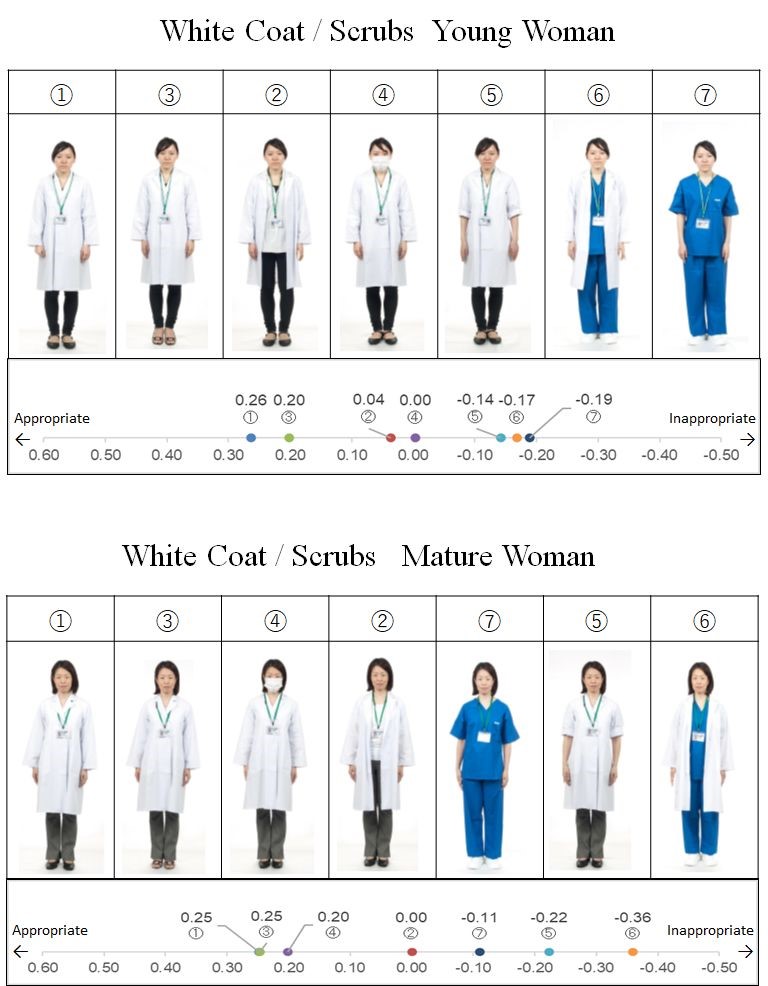
From the moment a patient encounters a healthcare professional, their attire triggers an immediate assessment. A crisp lab coat, well-fitting scrubs, or even smart casual wear in specific settings, instantly communicates professionalism, attention to detail, and a commitment to hygiene – all critical components of a healthcare brand. This immediate visual data forms the bedrock of a first impression, often shaping a patient’s initial level of comfort and trust. Research consistently shows that patients report higher levels of confidence in doctors who appear well-dressed and groomed. This “halo effect” suggests that a professional appearance imbues the wearer with perceived competence and reliability, essential attributes for any medical practitioner. For healthcare institutions, ensuring their staff’s attire reflects these values is a direct investment in their corporate brand image, signaling a commitment to excellence and patient-centric care.
Consistency and Recognizability: Building Trust
For large healthcare systems, brand consistency is paramount. Standardized attire, such as a uniform type of scrubs or a particular style of lab coat, plays a crucial role in creating a cohesive institutional identity. When patients see a unified visual presentation across different departments or facilities, it reinforces the brand promise of quality, standardization, and integrated care. This visual consistency helps in building a recognizable brand identity, making the institution memorable and trustworthy. Moreover, consistent attire helps patients quickly identify different roles within a medical team (e.g., nurses, doctors, technicians often wear distinct colors or styles), streamlining communication and enhancing operational efficiency – an indirect yet powerful benefit to the brand’s perception of organization and competence.
Personal Branding within Professional Guidelines
While institutional branding provides a foundational framework, individual doctors also navigate the landscape of personal branding within these guidelines. A doctor’s personal brand is their unique blend of expertise, empathy, and professionalism. While a lab coat might be standard, the way it’s worn – clean, pressed, sleeves rolled up purposefully – speaks volumes about the individual. Subtle elements like a well-chosen pen, a professional watch, or a meticulously maintained name badge become extensions of an individual’s brand, conveying attention to detail and a respect for their profession. Grooming, fit of clothing, and overall presentation are critical; they reflect an individual’s self-respect and, by extension, their respect for their patients and colleagues. Doctors who thoughtfully curate their professional appearance, even within a strict dress code, enhance their personal brand as approachable, competent, and dedicated caregivers.
The Iconic Lab Coat: A Symbol of Authority and Purity
Few garments carry as much symbolic weight in the professional world as the doctor’s white lab coat. Its presence transcends mere clothing, embodying centuries of medical advancement and patient expectations.
Historical Significance and Evolution of the Lab Coat
The lab coat’s journey from scientific laboratories to clinical settings is deeply intertwined with the branding of modern medicine. Originally associated with purity, cleanliness, and the scientific method in research, it began to be adopted by physicians in the late 19th and early 20th centuries. This shift was strategic: it aimed to distinguish emerging evidence-based medicine from the less scientific practices of the past. The white color was chosen to signify sterile conditions, cleanliness, and an adherence to scientific rigor. Over time, the lab coat became synonymous with medical authority, knowledge, and trustworthiness. Its very form, typically reaching below the hip or even to the knee, visually commands respect and establishes a clear professional boundary, intrinsically linking it to the brand of expertise and medical wisdom.
Branding the Institution: Logos and Embroidery
For hospitals and clinics, the lab coat serves as a prime canvas for corporate branding. A strategically placed logo or an embroidered institutional name on a lab coat instantly associates the individual physician with the larger healthcare brand. This uniform branding reinforces the corporate identity, signaling a unified team operating under a common standard of care and professionalism. When multiple physicians across different specialties wear the same branded lab coat, it builds a cohesive visual identity, projecting an image of an integrated, high-quality healthcare system. Furthermore, name badges with clear titles on lab coats not only aid in identification but also establish hierarchy and expertise, enhancing the brand’s perception of organized, professional care. This attention to detail in branding reinforces the institution’s commitment to transparency and professionalism.
Patient Perception and the “White Coat Effect”
The psychological impact of the lab coat on patients is profound, often referred to as the “white coat effect.” For many, the sight of a doctor in a lab coat evokes feelings of trust, reassurance, and confidence in their knowledge and ability. It can reduce anxiety by signaling competence and a structured approach to care. However, the white coat can also create a sense of formality or distance, and in some pediatric or mental health settings, its potential for intimidation has led to alternative attire choices. Understanding this dual perception is crucial for brand managers in healthcare. While the traditional positive associations remain strong, some institutions are exploring ways to soften this image where appropriate, perhaps by doctors wearing lab coats only for certain interactions, or opting for colored lab coats in less formal settings. The deliberate choice to wear or not wear a lab coat, therefore, becomes a strategic branding decision, carefully calibrated to the specific context and patient demographic.

Scrubs: Practicality Meets Modern Professionalism
While the lab coat projects a formal authority, scrubs have evolved to represent a different facet of the healthcare brand: practicality, approachability, and teamwork.
The Rise of Scrubs: Comfort, Hygiene, and Team Identity
Originally confined to operating rooms due to their sterile nature and ease of cleaning, scrubs have become ubiquitous in almost all healthcare settings. Their practical benefits—comfort during long shifts, durability, and simplified laundering—have made them a staple. From a branding perspective, scrubs communicate a sense of readiness and hands-on engagement. They suggest a focus on hygiene and patient care above formality, aligning with a brand image that prioritizes immediate, effective treatment. Furthermore, the adoption of scrubs across various roles within a medical team fosters a sense of unity and teamwork. When doctors, nurses, and allied health professionals wear similar attire, it subtly breaks down hierarchical barriers and reinforces the idea of a cohesive unit working towards a common goal, enhancing the institutional brand of collaborative care.
Branding Through Color and Customization
The seemingly simple design of scrubs offers surprising opportunities for branding. Many healthcare institutions utilize color-coding to differentiate roles (e.g., green for surgeons, blue for nurses, burgundy for residents), which streamlines operations and reinforces a clear organizational structure—a sign of a well-managed brand. Beyond role identification, color schemes can be chosen to align with the institution’s brand palette, creating a subtle yet pervasive visual identity. In pediatric settings, vibrant colors or cartoon patterns on scrubs can convey a more approachable, less intimidating brand message, specifically tailored to calm young patients and their families. While less formal than a lab coat, the quality of the fabric, the fit, and the cleanliness of scrubs continue to be critical brand touchpoints, silently communicating the institution’s commitment to quality and professionalism. Customization, even in subtle forms like professional embroideries or specific cuts, allows for a degree of individual expression without compromising institutional standards.
The Brand Message of Approachability and Teamwork
One of the most significant branding advantages of scrubs is their ability to convey approachability. In contrast to the sometimes intimidating formality of a lab coat, scrubs tend to present doctors as more accessible and less hierarchical. This can be particularly beneficial in fostering open communication with patients and building rapport, which are cornerstones of a positive patient experience and a strong healthcare brand. The image of a doctor in scrubs often suggests a hands-on, empathetic caregiver, directly involved in patient care rather than solely in an supervisory role. For institutions aiming to cultivate a brand identity focused on compassionate, patient-centered care and collaborative teamwork, the strategic adoption and presentation of scrubs are invaluable. They project a brand image of a united, dedicated team working seamlessly to deliver care.
Beyond the Uniform: The Unseen Elements of a Doctor’s Brand
While the core garments define much of a doctor’s professional image, the nuances of personal presentation extend the brand message far beyond the fabric itself. These often-overlooked elements solidify the perception of professionalism and care.
Grooming and Personal Presentation: An Extension of Brand
Grooming, including hair, nails, and subtle use of makeup or minimal jewelry, forms an integral part of a doctor’s overall professional brand. A tidy appearance reinforces the brand values of meticulousness, attention to detail, and self-respect—qualities patients naturally extend to a doctor’s medical practice. Clean, well-maintained hands and nails are particularly crucial in a healthcare setting, directly linking to hygiene and care. For institutions, encouraging high standards of personal grooming among all staff members reinforces their corporate brand image as clean, professional, and health-conscious organizations. These seemingly small details contribute significantly to patient comfort and confidence, affirming the healthcare brand’s commitment to holistic quality.
The Role of Footwear: Comfort, Safety, and Professionalism
Often overlooked, footwear plays a practical and symbolic role in a doctor’s brand. Given the long hours spent on their feet, comfort and support are paramount. However, the choice of footwear also contributes to the overall professional image. Clean, appropriate shoes—whether medical clogs, sturdy sneakers, or professional flats—convey practicality, preparedness, and an understanding of the demands of the job. Conversely, overly casual, dirty, or worn-out footwear can detract from an otherwise professional presentation. For a healthcare brand, ensuring that staff adhere to standards for safe and professional footwear aligns with the brand promise of safety, efficiency, and a well-run environment. It signifies an attention to detail that extends from the head to the toe, reflecting positively on the institution’s overall brand.
Consistency Across Settings: Online and Offline Brand Alignment
In today’s digital age, a doctor’s brand extends beyond the physical clinic into the online realm. The attire and overall presentation captured in professional headshots, hospital websites, social media profiles, and even telemedicine calls must align with their in-person brand. Inconsistent branding—such as overly casual online photos contrasted with a formal clinic presence—can erode trust and confuse patient perceptions. Healthcare institutions must guide their staff in maintaining a consistent professional image across all public-facing platforms, ensuring that the visual brand messaging remains cohesive. This alignment reinforces the institutional brand’s integrity and credibility, providing a seamless experience for patients whether they interact in person or virtually. A doctor’s attire, therefore, is not just about what they wear in the hospital, but how their professional image is presented everywhere, solidifying their consistent brand of care and competence.
Conclusion
The question “what does a doctor wear” delves far deeper than a simple description of clothing. It uncovers a sophisticated interplay between garments, personal presentation, and the powerful forces of branding in healthcare. A doctor’s attire is a strategic component of their personal brand, contributing to their perceived authority, empathy, and trustworthiness. Simultaneously, it serves as a critical visual element of an institution’s corporate identity, communicating quality, cohesion, and a commitment to patient-centric care.
From the symbolic weight of the lab coat to the practical professionalism of scrubs, and extending to the meticulous details of grooming and footwear, every aspect of a doctor’s presentation contributes to shaping patient perceptions and building invaluable trust. In an industry where confidence and credibility are paramount, conscious choices about medical attire are not merely sartorial decisions; they are fundamental investments in professional identity and the enduring brand of healthcare excellence.
aViewFromTheCave is a participant in the Amazon Services LLC Associates Program, an affiliate advertising program designed to provide a means for sites to earn advertising fees by advertising and linking to Amazon.com. Amazon, the Amazon logo, AmazonSupply, and the AmazonSupply logo are trademarks of Amazon.com, Inc. or its affiliates. As an Amazon Associate we earn affiliate commissions from qualifying purchases.