
In the ever-evolving landscape of digital communication, acronyms and shorthand often pepper our online interactions. Among these, “DM” stands out as a ubiquitous and versatile term. But what exactly does a DM mean, and how does its interpretation and application vary across different digital contexts? This article delves into the core meaning of DM, focusing specifically on its prevalent role within the Tech sphere. We’ll explore its origins, its multifaceted applications, the etiquette surrounding it, and its implications for digital interaction, security, and the future of communication.

The Genesis and Evolution of the DM
The concept of a “direct message” predates widespread internet use, finding its roots in early computer networks and bulletin board systems. However, its explosion in popularity and widespread adoption is intrinsically tied to the rise of social media platforms and instant messaging applications. Understanding its evolution provides crucial context for appreciating its current significance.
From BBS to Social Media Feeds
In the nascent days of online communities, platforms like bulletin board systems (BBS) and Usenet allowed users to send private messages to each other. These were essentially digital letters, separate from public forum posts. As the internet grew, so did the ways people connected. Email, while a form of direct communication, was often asynchronous and less “instantaneous” than what modern users associate with a DM.
The true democratization of the DM began with the advent of social networking sites. Platforms like Friendster and MySpace introduced private messaging features, allowing users to connect with friends and acquaintances beyond public wall posts. However, it was the meteoric rise of Twitter that cemented “DM” as a household acronym. Twitter’s distinct approach, with its public timeline and private direct messages, normalized the term and its function. Users were encouraged to “DM me if you want to connect,” making it an integral part of networking and communication.
The Ubiquity Across Modern Platforms
Today, the DM is an indispensable feature across virtually every major social media platform, communication app, and even some professional networking sites. From Facebook Messenger and Instagram Direct to LinkedIn Messaging, WhatsApp, Telegram, and Slack, the underlying principle remains the same: a private, one-to-one or small-group communication channel separate from public feeds. This universality has made understanding and utilizing DMs a fundamental aspect of digital literacy. Whether you’re coordinating with friends, reaching out to a brand, or connecting with a professional contact, the DM is often the go-to tool. Its ease of access and immediate nature make it highly effective for quick exchanges, sensitive discussions, and building personal connections online.
The Multifaceted Applications of the DM in Tech
Within the tech ecosystem, the DM transcends mere personal chat. It serves as a critical tool for collaboration, customer support, content dissemination, and even personal branding. Its versatility makes it a cornerstone of how individuals and organizations interact digitally.
Collaboration and Project Management
In the world of software development, remote teams, and online collaborations, DMs are indispensable. Platforms like Slack, Microsoft Teams, and Discord heavily rely on direct messaging for team communication. Developers use DMs to quickly clarify code snippets, discuss urgent issues, or share updates without cluttering public channels. Project managers can use DMs to send private instructions, feedback, or reminders to individual team members. This allows for efficient problem-solving and keeps the flow of information streamlined, ensuring that sensitive or specific discussions don’t distract those not directly involved. The ability to create private group DMs further enhances this, allowing for focused discussions among a subset of a larger team.
Customer Support and Brand Interaction
For businesses and brands operating online, the DM has become a primary channel for customer support and engagement. Many companies actively encourage users to “DM us for support” or “DM for inquiries.” This offers a more private and personalized avenue for customers to resolve issues, ask questions, or provide feedback without broadcasting their concerns publicly. For brands, this direct line of communication allows for a more nuanced and empathetic response, fostering customer loyalty and satisfaction. It also provides valuable insights into customer needs and pain points, which can inform product development and marketing strategies. Furthermore, influencers and creators often use DMs to manage collaborations, sponsorships, and fan interactions, building a closer community around their content.
Networking and Relationship Building
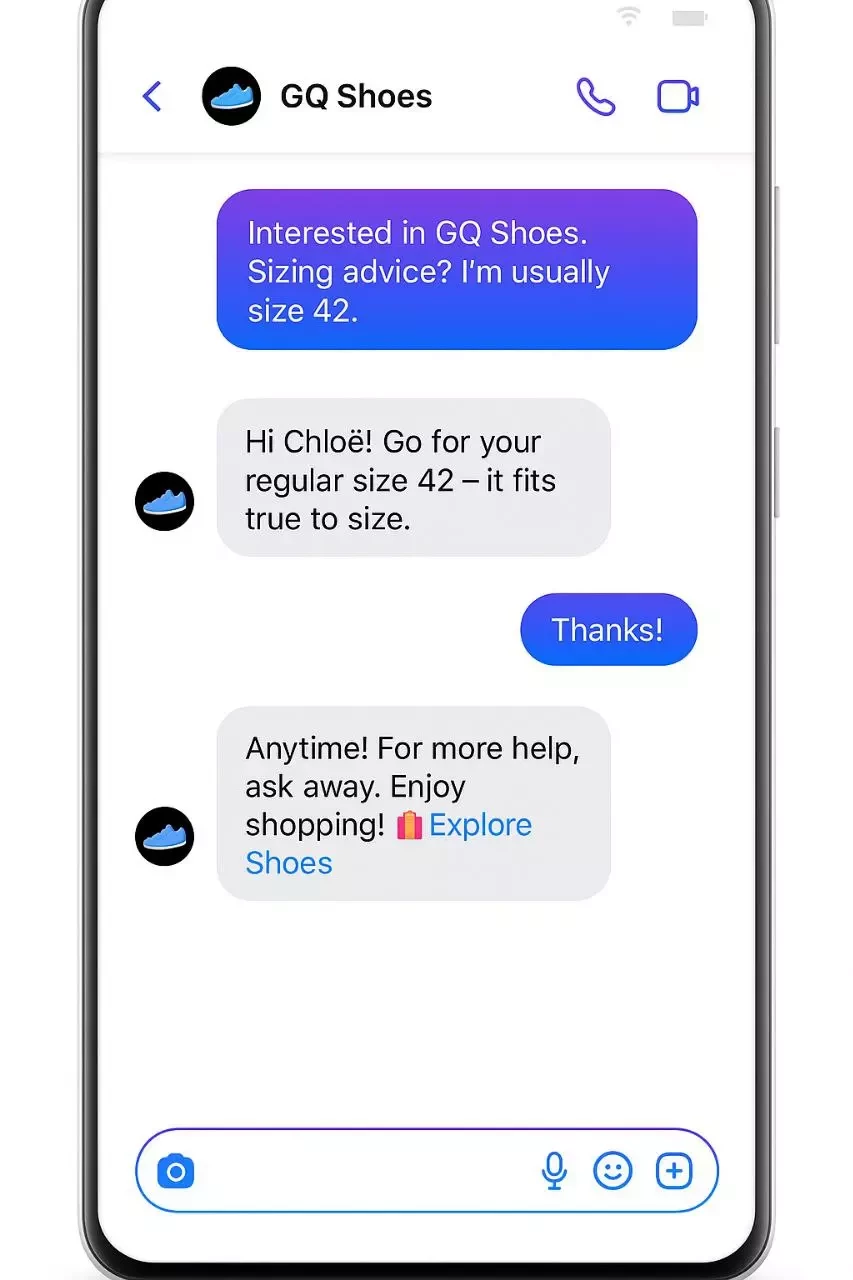
Beyond professional collaborations and customer service, DMs are a powerful tool for personal and professional networking. On platforms like LinkedIn, sending a well-crafted DM can be the first step in establishing a new professional connection, seeking advice, or exploring career opportunities. Similarly, on platforms like Instagram and Twitter, DMs can facilitate conversations with like-minded individuals, potential collaborators, or even mentors. The ability to initiate a private conversation allows for a more focused and personal approach to building relationships, moving beyond superficial public interactions. This can lead to genuine friendships, valuable mentorships, and mutually beneficial professional relationships, all initiated through a simple direct message.
The Etiquette and Best Practices of DMing
While the DM is a powerful tool, its effectiveness hinges on understanding and adhering to a set of unwritten rules and best practices. Navigating these nuances ensures that your direct messages are received positively and achieve their intended purpose.
Respecting Privacy and Boundaries
The fundamental principle of a DM is its privacy. Therefore, the primary etiquette rule is to respect the sender’s or recipient’s privacy. This means refraining from sharing the content of a DM without explicit permission. It also extends to understanding when a DM is appropriate. Sending a DM for a question that could be easily answered publicly or is irrelevant to the recipient can be perceived as intrusive. Always consider whether a public comment, an email, or another form of communication might be more suitable. Before sending a DM to someone you don’t know well, consider if you have a genuine reason to connect and if your message is concise and respectful of their time.
Clarity, Conciseness, and Context
In the fast-paced digital world, DMs are often read on the go, making clarity and conciseness paramount. Get straight to the point without unnecessary preamble. Clearly state your purpose for messaging, whether it’s a question, a request, or information sharing. Providing sufficient context is also crucial, especially when initiating a conversation with someone you haven’t interacted with before. Remind them how you know them or why you’re reaching out. This helps them understand your message and respond more effectively. Avoid vague or ambiguous language, and proofread for typos and grammatical errors, as these can detract from your professionalism.
Responsiveness and Professionalism
While DMs are often informal, maintaining a degree of professionalism is generally advisable, especially in professional or brand-related contexts. Respond to DMs in a timely manner, even if it’s just to acknowledge receipt and indicate when a more detailed response can be expected. Ignoring DMs, particularly from customers or professional contacts, can lead to frustration and damage your reputation. When responding, maintain a polite and courteous tone. If the conversation becomes sensitive or requires a more formal exchange, consider transitioning to email. However, for quick queries or confirmations, the DM remains an efficient and effective tool when used thoughtfully.
The Future of DMing and its Impact on Digital Interaction
As technology continues to advance, the DM is likely to evolve, becoming even more integrated into our digital lives. its core function of private, direct communication will remain, but its capabilities and applications may expand significantly.
Integration with AI and Automation
The future of DMs is increasingly intertwined with artificial intelligence (AI). AI-powered chatbots are already handling many customer service DMs, providing instant responses to common queries. In the future, AI could assist in composing DMs, suggesting relevant information, or even automatically filtering and prioritizing incoming messages based on urgency and importance. For businesses, AI could help analyze DM conversations to identify trends, sentiment, and emerging issues, providing invaluable insights without manual review. This will lead to more efficient and personalized communication experiences for both users and organizations.
Enhanced Security and Privacy Features
As the volume and sensitivity of DMs increase, so does the importance of security and privacy. Expect to see continued advancements in end-to-end encryption, disappearing messages, and other privacy-focused features. Platforms will likely offer more granular control over who can DM you and how your messages are stored and accessed. Biometric authentication and advanced spam detection will also play a crucial role in safeguarding direct messages from unauthorized access and malicious intent. The growing awareness of data privacy will drive innovation in creating secure and trustworthy direct messaging environments.
The Blurring Lines Between Public and Private
While DMs are inherently private, the lines between public and private digital interactions are becoming increasingly blurred. Some platforms are experimenting with “close friends” lists or ephemeral group chats that mimic the feel of a DM within a semi-public context. The way we use DMs may also influence public content. For instance, trends that start in DMs can eventually make their way into public discourse. Understanding these evolving dynamics is crucial for effective digital communication. The core value of the DM – its ability to foster genuine, one-on-one connections – will likely endure, adapting to new technological paradigms while remaining a fundamental pillar of our digital social fabric.
aViewFromTheCave is a participant in the Amazon Services LLC Associates Program, an affiliate advertising program designed to provide a means for sites to earn advertising fees by advertising and linking to Amazon.com. Amazon, the Amazon logo, AmazonSupply, and the AmazonSupply logo are trademarks of Amazon.com, Inc. or its affiliates. As an Amazon Associate we earn affiliate commissions from qualifying purchases.