
Navigating the transition from student life to the professional world is often filled with a dizzying array of administrative jargon. Among the most critical terms you will encounter is “degree conferral.” While it might sound like a mere formality, understanding what it means for your degree to be conferred is essential for your personal brand, your financial future, and your ability to navigate the tech-driven job market.
A conferred degree is the final, official status of your educational journey. It indicates that the university’s governing body has formally granted your degree after verifying that every academic, financial, and administrative requirement has been satisfied. It is the bridge between “finishing classes” and “holding a credential.” In this guide, we will break down the technicalities of this process and explore why it remains a cornerstone of professional identity in an era of rapid digital transformation.
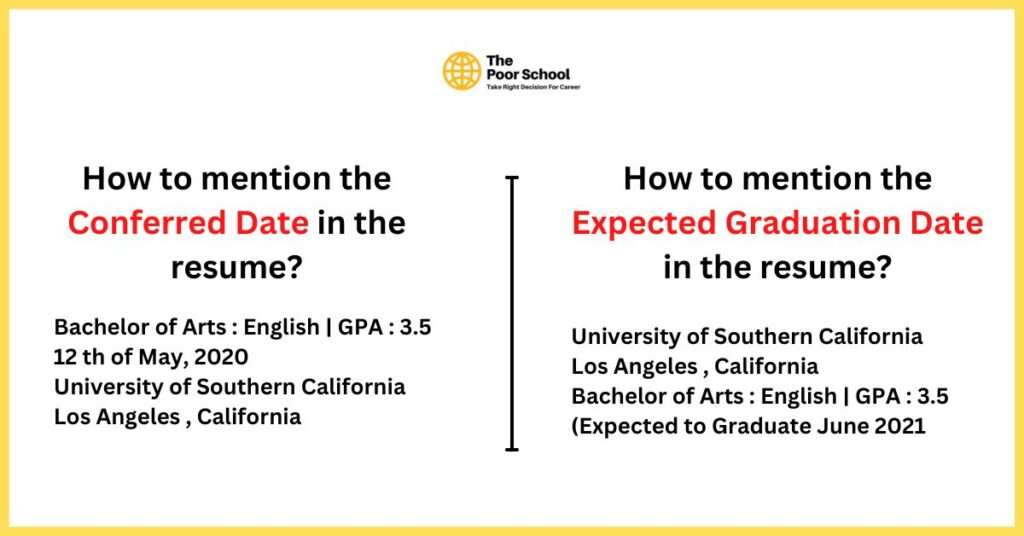
Decoding the Terminology: Awarded, Conferred, and Completed
To the average student, “graduating” feels like a single event—walking across a stage in a cap and gown. However, in the eyes of a registrar and future employers, there are distinct stages to this process. Understanding these nuances is the first step in protecting your professional reputation.
The Timeline of Degree Conferral
“Completing” a degree refers to the moment you finish your final exam or submit your last thesis chapter. At this stage, your GPA is likely calculated, but your status is still “pending.” You have met the academic requirements, but the institution has not yet performed its final audit.
“Conferred,” on the other hand, is a legal and administrative designation. It usually happens several weeks or even months after your commencement ceremony. During this window, the registrar’s office conducts a “degree audit” to ensure you haven’t missed a core credit, owe the library any fines, or have any outstanding disciplinary issues. Only after this audit is complete is the degree officially “conferred.”
Why Your Graduation Date Might Not Be Your Conferral Date
It is a common misconception that the date you walk across the stage is your conferral date. In reality, most universities have specific “conferral dates” scattered throughout the year (often at the end of the Fall, Spring, and Summer semesters).
If you finish your requirements in May, but the official conferral date isn’t until June 15th, you cannot legally claim to have a degree until that June date. For high-stakes industries like law, medicine, or cybersecurity, misrepresenting this date—even by a few weeks—can be flagged during background checks as a “discrepancy,” potentially damaging your brand before you even start your first day.
The Brand Impact: Building Your Professional Identity
In the competitive landscape of the 2020s, your degree is more than just a piece of paper; it is a primary asset in your personal brand. How you communicate this asset to the world determines your perceived value in the marketplace.
Authenticity in the Digital Resume Era
In an age where “fake news” and “AI-generated credentials” are rising concerns, authenticity is the highest currency of personal branding. When a degree is conferred, it becomes a verified fact that can be checked by third-party services.
Claiming a degree on your LinkedIn profile before it is conferred can be seen as a breach of trust. Conversely, highlighting your “Conferred [Degree Name]” status demonstrates a commitment to accuracy and professional ethics. For entrepreneurs and consultants, this official status is the “trust signal” that allows them to charge premium rates for their expertise.
Leveraging Your Credentials for Personal Branding
Once your degree is conferred, it’s time to integrate it into your brand strategy. This goes beyond just adding letters after your name. It involves:
- Updating Digital Profiles: Ensure your LinkedIn, personal website, and professional bios reflect the exact degree name and conferral date.
- Networking with Authority: Use your conferred status as a milestone to reach out to alumni networks or industry leaders, positioning yourself as a “recently credentialed professional” rather than a “student.”
- Content Creation: Share insights from your capstone project or thesis on platforms like Medium or Substack. Now that the degree is conferred, you are no longer just a student expressing an opinion; you are a degree-holder contributing to the discourse of your field.

Tech and the Future of Credentialing: From Paper to Blockchain
The way we verify conferred degrees is undergoing a massive technological shift. As companies move toward automated hiring systems, the “conferred” status is becoming a data point in a much larger ecosystem of digital security.
How HR Tech Verifies Your Degree
Gone are the days when an HR manager would manually call a university to verify your transcripts. Today, most large corporations use Applicant Tracking Systems (ATS) and third-party verification services like the National Student Clearinghouse or Parchment.
These tech platforms plug directly into university databases. If an applicant marks “Degree Conferred” on their application but the database shows “Pending,” the ATS might automatically filter the candidate out for “non-compliance.” Understanding the technical status of your degree ensures that you don’t get trapped in an algorithmic “no-man’s-land.”
The Rise of Digital Diplomas and AI-Driven Background Checks
We are moving toward a future where degrees are issued as “Verifiable Credentials” (VCs) using blockchain technology. Some forward-thinking institutions now issue digital diplomas that are cryptographically signed.
For the tech-savvy professional, this means your conferred degree can be embedded in a digital wallet, allowing for instant, tamper-proof verification. Furthermore, AI-driven background check tools are becoming more sophisticated, cross-referencing social media profiles with official academic records. Ensuring your “conferred” status is consistent across all digital touchpoints is vital for maintaining digital security and professional integrity.
The Financial Equation: Maximizing the ROI of Your Conferred Degree
Education is one of the most significant investments you will ever make. The “conferred” status is the moment that investment officially moves from “work-in-progress” to “capital.”
Navigating Salary Negotiations with Official Credentials
A conferred degree is often a hard requirement for specific salary bands. In many corporate structures, you cannot be promoted to a “Level 2” or “Senior” position without a conferred bachelor’s or master’s degree.
If you are negotiating a job offer while your degree is still “pending,” you may find yourself with a lower starting salary or a “contingent offer.” The moment your degree is conferred, you gain significant financial leverage. You can—and should—request a salary review or a title adjustment once the official status is reflected on your transcripts. This is particularly true in fields like Data Science, Engineering, and Finance, where credentials directly correlate to billable hours and departmental budgets.
Conferred Degrees as a Gateway to Specialized Side Hustles
For those looking to generate online income or launch a side hustle, a conferred degree opens doors to high-paying niches.
- Professional Consulting: Many platforms that connect consultants with businesses require proof of a conferred degree to verify expertise.
- Academic Coaching and Tutoring: Premium tutoring services for graduate-level exams (like the GRE, GMAT, or LSAT) require a conferred degree for their instructors.
- Expert Witness Work: In legal and financial sectors, you can earn substantial fees as an expert witness, but only if your credentials are fully conferred and verifiable.
By treating your degree as a financial asset, you can look for ways to earn a “Degree Premium”—the extra income earned over a lifetime compared to those without the credential.

Conclusion: The Long-Term Value of Your Academic Milestone
In summary, a conferred degree is the ultimate validation of your hard work, signifying that you have met all requirements and are officially recognized by your institution. It is a critical data point for the technology that powers modern hiring, a cornerstone of your professional brand, and a key lever in your financial advancement.
As you move forward, remember that the “conferred” status is not just the end of your education; it is the beginning of your professional authority. Keep your digital records updated, understand the tech that verifies your background, and use your new status to build a brand and a career that reflects the investment you’ve made in yourself. Whether you are entering the tech world, building a corporate identity, or focused on wealth creation, your conferred degree is the foundation upon which your future successes will be built.
aViewFromTheCave is a participant in the Amazon Services LLC Associates Program, an affiliate advertising program designed to provide a means for sites to earn advertising fees by advertising and linking to Amazon.com. Amazon, the Amazon logo, AmazonSupply, and the AmazonSupply logo are trademarks of Amazon.com, Inc. or its affiliates. As an Amazon Associate we earn affiliate commissions from qualifying purchases.