
The rhythmic clickety-clack of the train wheels, the hiss of the brakes, and the reassuring chime of the departure signal – these are the auditory hallmarks of a journey by rail. But behind the seamless operation and the passenger experience lies a pivotal figure, the conductor. Often romanticized in popular culture, the train conductor is far more than just the person who punches tickets. They are the ultimate orchestrator of the train’s journey, a multifaceted professional responsible for the safety of everyone on board, the efficient operation of the service, and the overall passenger experience. In a world increasingly defined by technology, branding, and financial acumen, understanding the conductor’s role offers a fascinating glimpse into a profession that blends time-honored responsibility with evolving operational demands.

While the traditional image of a conductor might conjure up images of uniform and a pocket watch, their responsibilities today are deeply intertwined with the very themes that define our modern world: the implementation of advanced technology, the careful management of a public-facing brand, and the critical importance of operational efficiency that directly impacts financial viability.
The Conductor as Chief Safety Officer: Navigating the Tracks of Responsibility
At its core, the conductor’s primary and most non-negotiable duty is the safety of the train, its crew, and its passengers. This responsibility is paramount and permeates every aspect of their role. It’s a commitment that requires constant vigilance, a deep understanding of operational procedures, and the ability to make critical decisions under pressure.
Ensuring Operational Integrity: The Technical Backbone
The safe operation of a train relies on a complex interplay of sophisticated technology and stringent protocols. Today’s trains are far from the steam engines of yesteryear. They are intricate systems incorporating advanced signaling, communication, and diagnostics. The conductor acts as a crucial link in this technological chain, ensuring that all systems are functioning optimally and that procedures are adhered to.
- Pre-Trip Inspections and System Checks: Before the train even leaves the station, the conductor, in conjunction with the engineer, conducts thorough pre-trip inspections. This involves a meticulous check of various onboard systems, from braking mechanisms and door controls to passenger amenities and emergency equipment. They are not necessarily the hands-on technicians, but they are the ones who must understand the diagnostic readouts, interpret error codes, and liaise with maintenance personnel if any issues are detected. This directly relates to Tech trends, as conductors are increasingly trained on digital interfaces for diagnostics and operational monitoring. The efficiency of these checks, facilitated by user-friendly software and apps, directly impacts the train’s punctuality and revenue.
- Communication and Coordination: Effective communication is the lifeblood of train operations. The conductor is the primary point of contact between the train crew, the central control center, and potentially other trains on the line. They utilize radio systems, internal communication devices, and often digital dispatching platforms to receive instructions, report status updates, and coordinate movements. This reliance on seamless digital communication highlights the influence of Tech in streamlining operations and improving real-time information flow.
- Emergency Response and Procedure Adherence: In the event of any incident, be it a mechanical failure, a medical emergency, or an external threat, the conductor is the designated leader on board. They are trained in detailed emergency procedures, from evacuation protocols to first aid. Their ability to calmly and decisively implement these procedures, often guided by digital emergency manuals and communication protocols, is critical to minimizing harm and ensuring the well-being of all passengers. This aspect underscores the Tech imperative of having reliable and accessible digital resources for crisis management.
Passenger Safety and Well-being: The Human Element
Beyond the mechanical aspects, the conductor is the face of the railway service for passengers, and their well-being is a core responsibility. This involves a blend of proactive measures and responsive care.
- Boarding and Alighting Supervision: A significant portion of passenger safety occurs during the boarding and alighting process. Conductors are responsible for ensuring passengers board and disembark safely, often communicating with station staff to confirm clearances and ensuring that doors are properly secured. This requires an understanding of passenger flow and the potential hazards associated with busy platforms, a concept that has become even more critical with the adoption of digital passenger counting systems and real-time platform occupancy data, a nod to Tech integration.
- Onboard Security and Incident Management: While dedicated security personnel may be present on some services, the conductor plays a vital role in maintaining a secure environment onboard. They monitor passenger behavior, address disruptive conduct, and are trained to handle minor disputes or passenger-related issues. In more serious situations, they are the initial point of contact for reporting and managing incidents, often utilizing digital reporting tools. This aspect touches on Digital Security in the sense of secure communication channels and data reporting.
- Passenger Assistance and Information: Conductors are the primary source of information for passengers. They answer questions about the route, arrival times, connections, and onboard services. In an era of personalized service, this information delivery is becoming increasingly sophisticated, with conductors often utilizing handheld devices or integrated train systems to provide real-time updates. This bridges the gap between Tech accessibility and the Brand perception of customer service.
The Conductor as Brand Ambassador: Crafting the Passenger Experience
In today’s competitive landscape, the passenger experience is a crucial differentiator. The conductor, as the most visible representative of the railway company, plays a significant role in shaping this experience and, by extension, the brand’s reputation.
Delivering Exceptional Service: The Face of the Railway
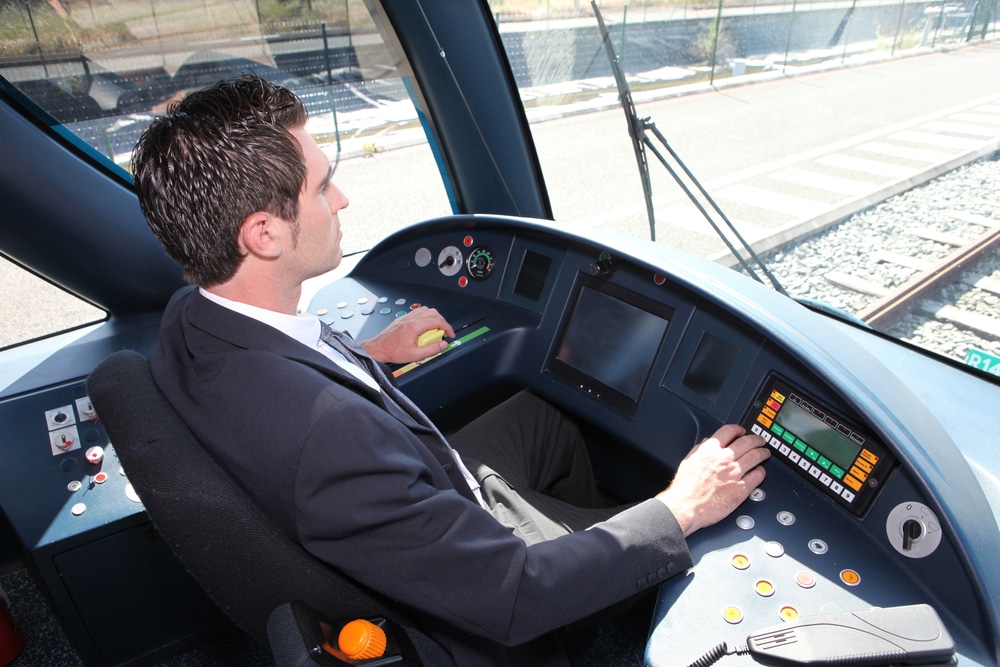
The conductor’s demeanor, professionalism, and helpfulness directly influence how passengers perceive their journey and the railway company itself. This is where the principles of Personal Branding and Corporate Identity become evident in the conductor’s role.
- Customer Interaction and Service Excellence: A friendly greeting, clear announcements, and a willingness to assist go a long way in creating a positive impression. Conductors are trained in customer service protocols, aiming to make the journey as comfortable and stress-free as possible. The emphasis on efficient and courteous service directly contributes to customer satisfaction and loyalty, which are core components of Brand Strategy.
- Managing Passenger Flow and Comfort: Conductors are often involved in managing seating arrangements during busy periods, ensuring that luggage is stored appropriately, and addressing any comfort-related issues passengers might have. Their ability to anticipate needs and provide solutions contributes to a smooth and enjoyable journey, reinforcing the Brand promise of reliability and passenger care.
- Communication and Information Dissemination: Clear and timely announcements are vital for passenger confidence. Conductors ensure passengers are informed about arrival times, delays, and any service disruptions. The use of integrated audio-visual systems, often controlled or initiated by the conductor, enhances this communication, projecting a modern and efficient Brand image. This also ties into Marketing by ensuring positive word-of-mouth and repeat business.
Upholding Brand Standards: Consistency and Professionalism
The conductor’s uniform, their conduct, and their communication all contribute to the overall Corporate Identity of the railway operator. Adherence to company standards is not just about appearance; it’s about projecting an image of reliability, professionalism, and trustworthiness.
- Professional Demeanor and Appearance: The conductor’s uniform signifies their role and authority, and maintaining a neat and professional appearance is essential. Their interactions with passengers, colleagues, and the public are conducted with decorum, reflecting the company’s values and commitment to quality. This is a direct manifestation of Personal Branding within a corporate context.
- Resolving Issues and Maintaining Reputation: When issues arise, whether they are operational glitches or passenger complaints, the conductor is often the first line of defense. Their ability to de-escalate situations, find solutions, and communicate effectively with passengers can significantly impact the Reputation of the railway company. Positive resolutions can turn a potentially negative experience into a testament to good customer service.
- Information Accuracy and Consistency: Providing accurate and consistent information about schedules, services, and policies is crucial for maintaining passenger trust. Any misinformation or conflicting information can damage the Brand and lead to frustration. Conductors are trained to be knowledgeable and to access accurate information through their devices and internal systems.
The Conductor as Operational Navigator: Driving Efficiency and Financial Viability
While safety and service are paramount, the conductor’s role also has direct implications for the financial health of the railway operation. Efficient management of the train and its journey contributes to revenue generation and cost control.
Optimizing Service Delivery: The Engine of Profitability
The conductor’s ability to manage the train’s schedule and onboard operations directly impacts the efficiency of the service, which in turn affects profitability.
- Punctuality and Schedule Adherence: The conductor’s vigilance in ensuring timely departures and arrivals is crucial. Delays can lead to cascading disruptions across the network, resulting in increased operational costs and potential revenue loss through passenger dissatisfaction and compensation claims. This directly relates to Business Finance by minimizing inefficiencies.
- Fare Collection and Revenue Integrity: On many services, the conductor is responsible for verifying tickets and collecting fares. This requires efficient processes and accurate record-keeping, often facilitated by modern ticketing systems and handheld devices. Ensuring that all passengers are accounted for and that revenue is collected correctly is a fundamental aspect of financial management. This directly ties into Online Income and Financial Tools for tracking and verification.
- Resource Management and Efficiency: Conductors play a role in ensuring that onboard resources, such as amenities and supplies, are managed effectively. This can involve reporting needs for replenishment or identifying issues that might lead to waste. While not directly managing budgets, their observations contribute to overall operational efficiency and cost-effectiveness.
Navigating Operational Challenges: The Art of Problem-Solving
The railway environment is dynamic, and unforeseen challenges are inevitable. The conductor’s ability to navigate these challenges with efficiency and resourcefulness is critical for maintaining the smooth flow of operations.
- Managing Irregular Operations: When disruptions occur, such as track work, signal failures, or weather-related issues, the conductor must adapt and manage the situation effectively. This involves re-routing passengers where possible, providing clear and timely updates, and working closely with dispatch to minimize the impact on the schedule. This requires quick thinking and access to real-time operational data, a hallmark of advanced Tech integration.
- Communication with Stakeholders: The conductor acts as a conduit for information between passengers, the operational control center, and even external agencies during emergencies. Their ability to communicate effectively and clearly ensures that all stakeholders are informed and can act accordingly. This efficient flow of information is vital for both operational success and the Brand’s reputation for transparency.
- Contributing to Operational Improvement: Through their daily experiences, conductors gain invaluable insights into the practical challenges of train operations. By providing feedback on procedures, technology, and passenger needs, they can contribute to ongoing efforts to improve efficiency and enhance the passenger experience, which ultimately impacts the company’s bottom line. This is akin to providing Case Studies for continuous improvement in Marketing and operations.
In conclusion, the role of a train conductor, while seemingly straightforward, is a complex and demanding profession that requires a unique blend of technical understanding, customer service skills, and operational acumen. They are the guardians of safety, the ambassadors of the brand, and the navigators of operational efficiency, all contributing to the vital network of public transportation. As technology continues to evolve and passenger expectations rise, the conductor’s role will undoubtedly continue to adapt, but their fundamental responsibility for the smooth, safe, and satisfactory journey of every passenger will remain at the heart of their vital profession.
aViewFromTheCave is a participant in the Amazon Services LLC Associates Program, an affiliate advertising program designed to provide a means for sites to earn advertising fees by advertising and linking to Amazon.com. Amazon, the Amazon logo, AmazonSupply, and the AmazonSupply logo are trademarks of Amazon.com, Inc. or its affiliates. As an Amazon Associate we earn affiliate commissions from qualifying purchases.