
The romanticized image of a train conductor, punching tickets with a clicker and waving a lantern, often simplifies a role that is, in reality, profoundly complex, technologically advanced, and critically important to the smooth, safe, and profitable operation of modern rail systems. Far more than just a ticket checker, the train conductor is the nexus of a moving community, a front-line safety officer, an operational manager, and a crucial ambassador for the rail company. In an era increasingly defined by rapid technological advancements, intense brand competition, and stringent financial oversight, understanding what a conductor does on a train means examining their responsibilities through the intertwined lenses of technology, brand strategy, and financial impact.
The Traditional Core: Guardians of the Journey
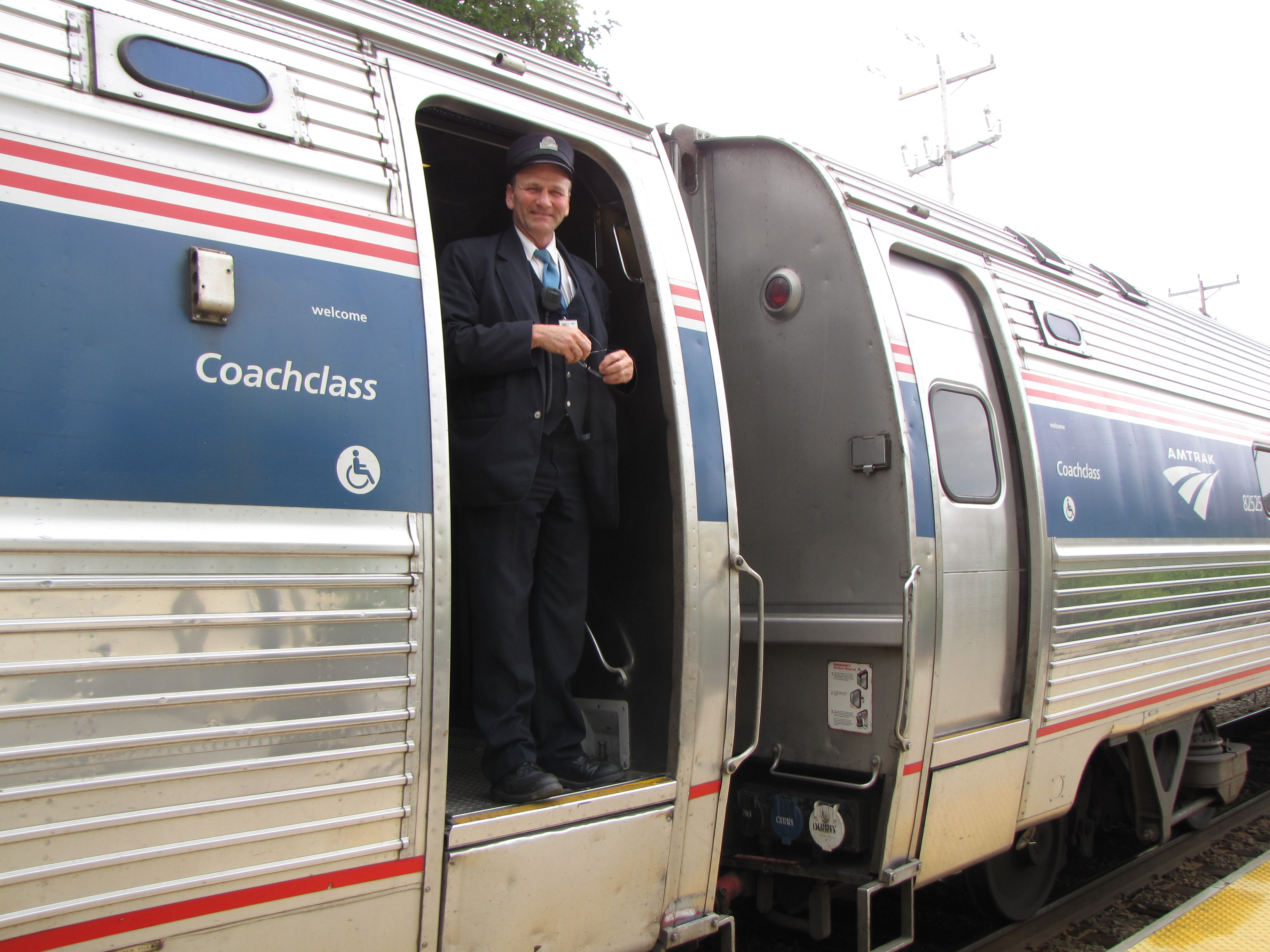
At its heart, the conductor’s role has always been about ensuring a safe and orderly journey. While the tools have evolved, the fundamental commitment to passenger well-being and operational integrity remains the bedrock of their profession. These core duties form the historical and functional foundation upon which all modern responsibilities are built.
Ensuring Passenger Safety and Comfort
The paramount responsibility of any train conductor is the safety of everyone onboard and in proximity to the train. This mandate begins long before the train leaves the station and continues until the last passenger disembarks. Conductors are integral to pre-departure safety checks, collaborating closely with the engineer to ensure that doors are clear, brakes are functioning, and signals are understood. During the journey, they are continuously vigilant, patrolling the train cars to monitor for any potential hazards, assist passengers with disabilities, address medical emergencies, and ensure general order and security.
Their proactive announcements provide crucial information, from safety instructions to destination updates, ensuring passengers are informed and comfortable. In an emergency, it is the conductor who takes charge, implementing protocols for evacuation, coordinating with emergency services, and providing clear, calm direction to passengers. From a Brand perspective, a company’s commitment to safety is its most fundamental promise, and the conductor is its most visible embodiment. Any perceived lapse in safety, however minor, can severely damage a brand’s reputation, making the conductor’s vigilance a direct contribution to maintaining public trust and company image. Furthermore, the Money implications of safety are immense; accidents incur astronomical costs in terms of human lives, injury compensation, damage to rolling stock, and regulatory fines, highlighting the conductor’s role as a key player in financial risk mitigation.
Operational Oversight and Schedule Adherence
Beyond safety, conductors are orchestrators of the journey itself. They are responsible for the efficient flow of operations, communicating constantly with dispatchers, the engineer, and other crew members to navigate the complex rail network. This includes monitoring track conditions, managing passenger boarding and alighting at each station to minimize dwell times, and ensuring that the train departs and arrives as close to schedule as possible. The conductor is the on-board operations manager, making real-time decisions in response to unforeseen events such as mechanical issues, passenger disruptions, or external delays.
Their ability to communicate effectively and make sound judgments directly impacts the efficiency of the entire rail system. Delays can ripple across the network, causing significant disruption and financial penalties for the operating company. From a Brand perspective, punctuality and reliability are core attributes that passengers value highly. A train company that consistently runs on time builds a reputation for dependability, fostering customer loyalty and attracting new riders. Conversely, frequent delays erode trust and can lead to negative public sentiment, which directly impacts the brand’s standing. From a Money standpoint, efficient operations translate directly into cost savings (e.g., reduced fuel consumption from optimized stops, less overtime pay for crews) and improved revenue by maximizing train utilization and passenger throughput.
The Conductor in the Digital Age: Tech-Driven Efficiency and Safety
The modern conductor operates at the cutting edge of transportation technology. The hand lantern has been replaced by sophisticated digital tools, and intuition is augmented by real-time data. Technology has not diminished the conductor’s role but has transformed it, requiring new skills and a deeper understanding of integrated systems.
Leveraging Modern Communication and Navigation Tools
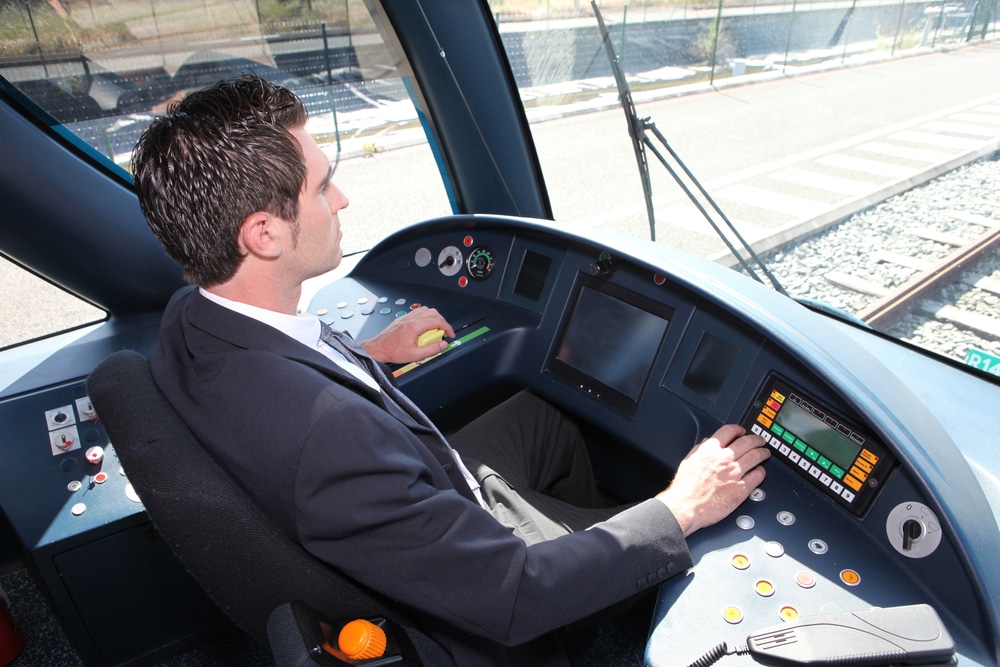
Today’s conductors are equipped with an array of Tech tools that enable seamless communication and precise navigation. Digital radio systems ensure crystal-clear communication with dispatch centers, other trains, and station personnel, even in challenging environments. Global Positioning System (GPS) tracking allows for real-time monitoring of train location and speed, which is crucial for safety and scheduling. Conductors use ruggedized tablets or smartphones loaded with proprietary Software and Apps that provide immediate access to train manifests, detailed schedules, operational manuals, and incident reporting forms. These Gadgets are often integrated into the train’s onboard systems, allowing the conductor to monitor vital parameters like door status, brake pressure, and climate control, ensuring optimal operating conditions. The move towards such digital systems significantly enhances productivity and data accuracy.
Digital Ticketing, Data Management, and Predictive Safety
The physical ticket puncher is largely a relic. Modern conductors utilize handheld scanners to validate Digital Ticketing and mobile passes, verifying their authenticity and ensuring every passenger has a valid fare. Many systems also allow for on-board payment processing using card readers, enhancing convenience and revenue capture. This process generates valuable anonymized data on ridership patterns, which, when analyzed using AI Tools and big data analytics by the company, can inform route optimization, pricing strategies, and resource allocation.
Beyond ticketing, conductors play a role in Predictive Safety. They receive and interpret alerts from sophisticated Digital Security systems and predictive maintenance platforms that monitor the train’s components for early signs of malfunction. For example, a system might flag a potential issue with a door mechanism or an abnormal sensor reading, allowing the conductor to take pre-emptive action or report the issue to maintenance before it escalates into a major breakdown. This proactive approach, driven by advanced technology, not only enhances safety but also significantly reduces maintenance costs and minimizes operational downtime, directly impacting the company’s Money through efficiency.
The Human Element Amidst Automation
While AI Tools and automation are increasingly integrated into rail operations, the human element of the conductor remains indispensable. Technology assists, informs, and streamlines, but it cannot fully replace the nuanced judgment, problem-solving abilities, and empathetic customer service that a human conductor provides. In complex, unforeseen situations – a medical emergency requiring rapid decision-making, an unruly passenger conflict, or a sudden change in track conditions – the conductor’s ability to think critically, adapt, and lead is paramount. The role thus shifts from purely manual tasks to one that demands data interpretation, strategic decision-making, and advanced interpersonal skills. This requires continuous training on new technologies and a robust understanding of both the machinery and the human psychology involved, ensuring the Productivity of both the individual and the system.
Beyond Operations: Shaping the Brand and Customer Experience
In today’s competitive transportation landscape, a company’s Brand is its lifeline. Train conductors are not merely employees; they are the living embodiment of the rail company’s values, mission, and commitment to its customers. Their interactions, demeanor, and effectiveness directly contribute to the overall perception and reputation of the service.
The Face of the Rail Company
For many passengers, the conductor is the primary, and often only, human interaction they have with the rail company. From the moment they step onto the train, the conductor’s professional appearance, clear communication, and helpful attitude set the tone for the entire journey. A conductor who is approachable, knowledgeable, and willing to assist creates a positive atmosphere, transforming a simple commute into a pleasant experience. Conversely, a conductor who is dismissive or unhelpful can quickly sour a passenger’s impression, potentially leading to negative reviews and a reluctance to choose that service again.
This direct interaction is a powerful form of Marketing. Positive word-of-mouth, often stemming from an excellent experience with a conductor, is invaluable. Conductors are integral to shaping the Corporate Identity and perception. Their ability to manage expectations, provide accurate information about delays, or simply offer a reassuring presence significantly contributes to passenger satisfaction and loyalty, which are critical elements of a strong brand.
Crisis Management and Reputation Safeguarding
When disruptions occur – be it a significant delay, a mechanical issue, or an onboard emergency – the conductor’s role shifts dramatically to Crisis Management. Their ability to communicate calmly, clearly, and authoritatively under pressure is crucial for safeguarding the company’s Reputation. How a conductor handles an unexpected event, how they inform passengers, and how efficiently they implement protocols can determine whether an incident becomes a minor inconvenience or a major PR disaster.
In such scenarios, the conductor acts as the front-line media for the company, even if unofficially. Their actions are observed by hundreds, and potentially shared instantly on social media, directly impacting public perception. The decisions they make in real-time can mitigate panic, ensure safety, and demonstrate the company’s commitment to passenger welfare, thereby protecting its Brand Strategy and long-term standing.
Personal Branding Through Professionalism
Beyond the corporate identity, conductors, through consistent professional conduct and exceptional service, develop their own form of Personal Branding. A conductor known for their friendly demeanor, helpfulness, or exemplary handling of a difficult situation builds a positive reputation among regular commuters and colleagues alike. This personal brand directly reflects well on the rail company, creating a synergistic relationship where individual excellence elevates the entire organization. In an age of social media, positive stories about dedicated conductors can go viral, providing authentic and powerful Marketing material that no advertising campaign can replicate. This human touch, this dedication to service, reinforces the brand’s commitment to its customers beyond mere functionality.
The Financial Impact: Protecting Revenue and Optimizing Operations
While often seen through the lenses of safety and customer service, the conductor’s role also has significant and measurable Money implications, directly affecting the rail company’s profitability and long-term financial health.
Revenue Assurance and Fare Collection
A primary financial responsibility of the conductor is Revenue Assurance. This involves ensuring that every passenger has a valid ticket or pays the correct fare. Fare evasion can represent a substantial loss of Online Income for rail companies, impacting their overall profitability. Conductors are equipped with handheld devices to scan tickets, process payments for on-board fares, and identify instances of evasion. Their diligence in this task directly contributes to the company’s bottom line, effectively acting as mobile revenue auditors. Accurate handling of cash and digital transactions is also crucial for maintaining Financial Tools integrity and preventing fraud, safeguarding the company’s assets.
Mitigating Costs Through Operational Excellence
Beyond direct revenue, conductors play a critical role in Mitigating Costs through efficient operations. Their management of boarding and alighting processes at stations directly impacts “dwell time” – the time a train spends stopped. Reducing dwell times, even by a few seconds per station, can significantly improve overall schedule adherence, reduce fuel consumption, and optimize the utilization of expensive rolling stock. Prompt and accurate reporting of mechanical or infrastructure issues can prevent minor problems from escalating into major, costly breakdowns requiring extensive repairs or long service interruptions. Adherence to safety protocols, as discussed, is a direct defense against financially crippling accidents, which encompass not only property damage but also extensive legal fees, compensation payouts, and increased insurance premiums – all impacting Business Finance.
Career Path and Economic Value of the Role
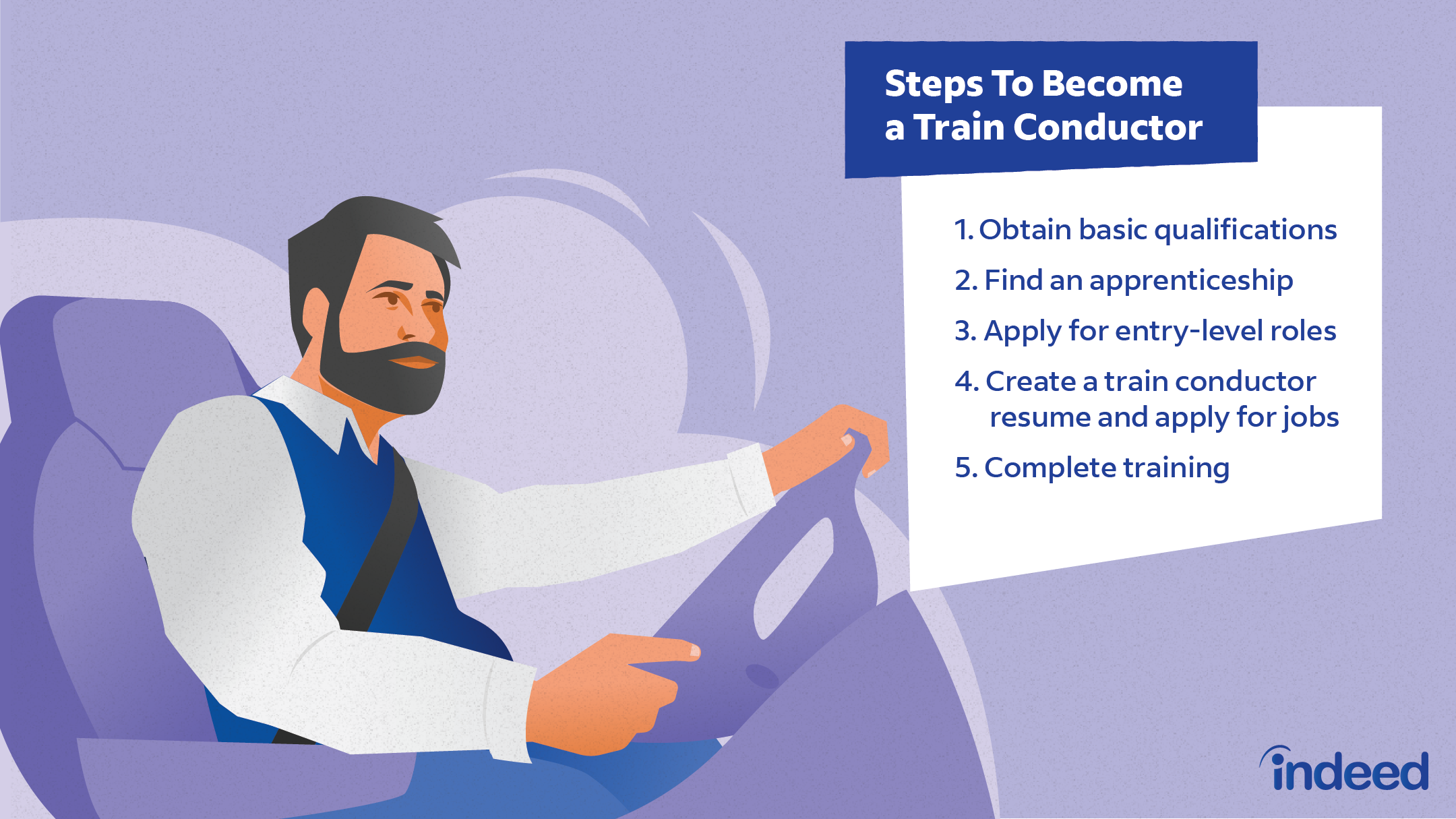
The conductor is a highly skilled professional, often requiring extensive training, certification, and ongoing professional development. The economic value of their role is significant, reflected in competitive salaries and benefits, often negotiated through union representation. Their expertise in safety protocols, operational management, and customer relations makes them indispensable. While AI Tools and automation might streamline some tasks, the safety-critical, human-centric nature of the conductor’s responsibilities ensures that their role cannot be fully automated.
Investing in conductor training, well-being, and technological tools is a strategic financial decision for rail companies. It’s an investment that pays dividends in enhanced safety records, improved operational efficiency, higher customer satisfaction, and a stronger brand reputation. For individuals considering careers in transportation, understanding the diverse responsibilities and the intersection with technology, brand, and finance can reveal a robust career path with stable income and significant impact, offering a form of Personal Finance security.
In conclusion, the question “what does a conductor do on a train?” reveals a multifaceted and increasingly sophisticated role. Far from a simple gatekeeper, the modern train conductor is a crucial operator, a tech-savvy manager, a primary brand ambassador, and a key guardian of financial integrity within the complex ecosystem of rail transportation. Their critical contributions span safety and efficiency, directly impacting the passenger experience and the company’s profitability. As technology continues to evolve and customer expectations shift, the conductor’s role will undoubtedly adapt, but their fundamental importance as the human heart of the journey will remain central to the success of rail travel.
aViewFromTheCave is a participant in the Amazon Services LLC Associates Program, an affiliate advertising program designed to provide a means for sites to earn advertising fees by advertising and linking to Amazon.com. Amazon, the Amazon logo, AmazonSupply, and the AmazonSupply logo are trademarks of Amazon.com, Inc. or its affiliates. As an Amazon Associate we earn affiliate commissions from qualifying purchases.