
In the modern automotive landscape, the synergy between mechanical engineering and digital monitoring has transformed how we maintain vehicles. One of the most critical, yet often misunderstood, components of a vehicle’s exhaust system is the catalytic converter. This device is responsible for converting toxic gases into less harmful emissions through a sophisticated chemical reaction. However, when this component becomes clogged or “poisoned,” it exhibits specific symptoms that can be identified through both physical acoustics and advanced digital diagnostic tools. Understanding what a clogged catalytic converter sounds like—and how technology helps us interpret those sounds—is essential for any tech-savvy car owner or technician.
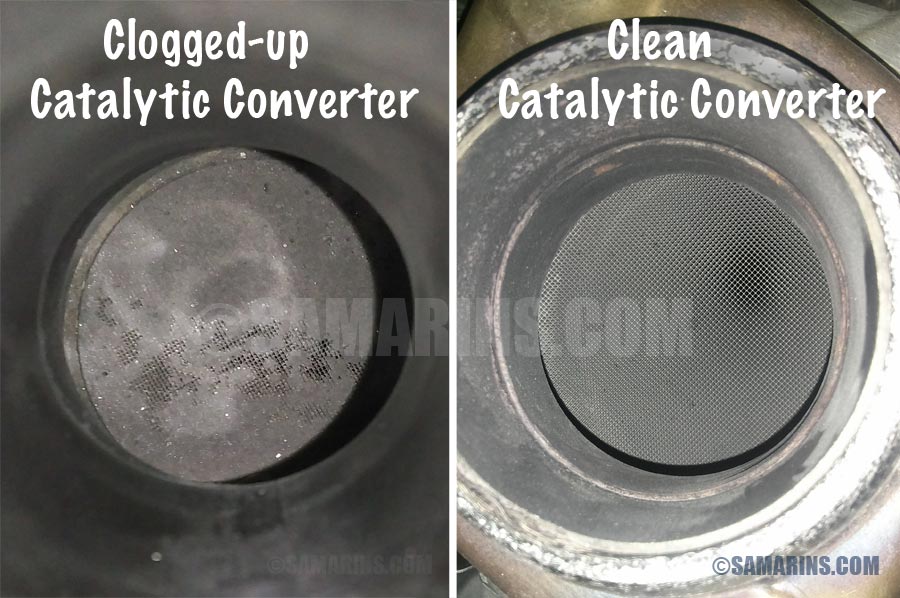
The Mechanics of Failure: Identifying the Acoustic Profile
When a catalytic converter fails, it rarely does so silently. Because it is a physical filter composed of a ceramic honeycomb structure coated with precious metals (platinum, palladium, and rhodium), its degradation creates specific auditory disruptions. These sounds are the result of physical obstruction or structural disintegration within the exhaust stream.
Identifying the Metallic Rattle
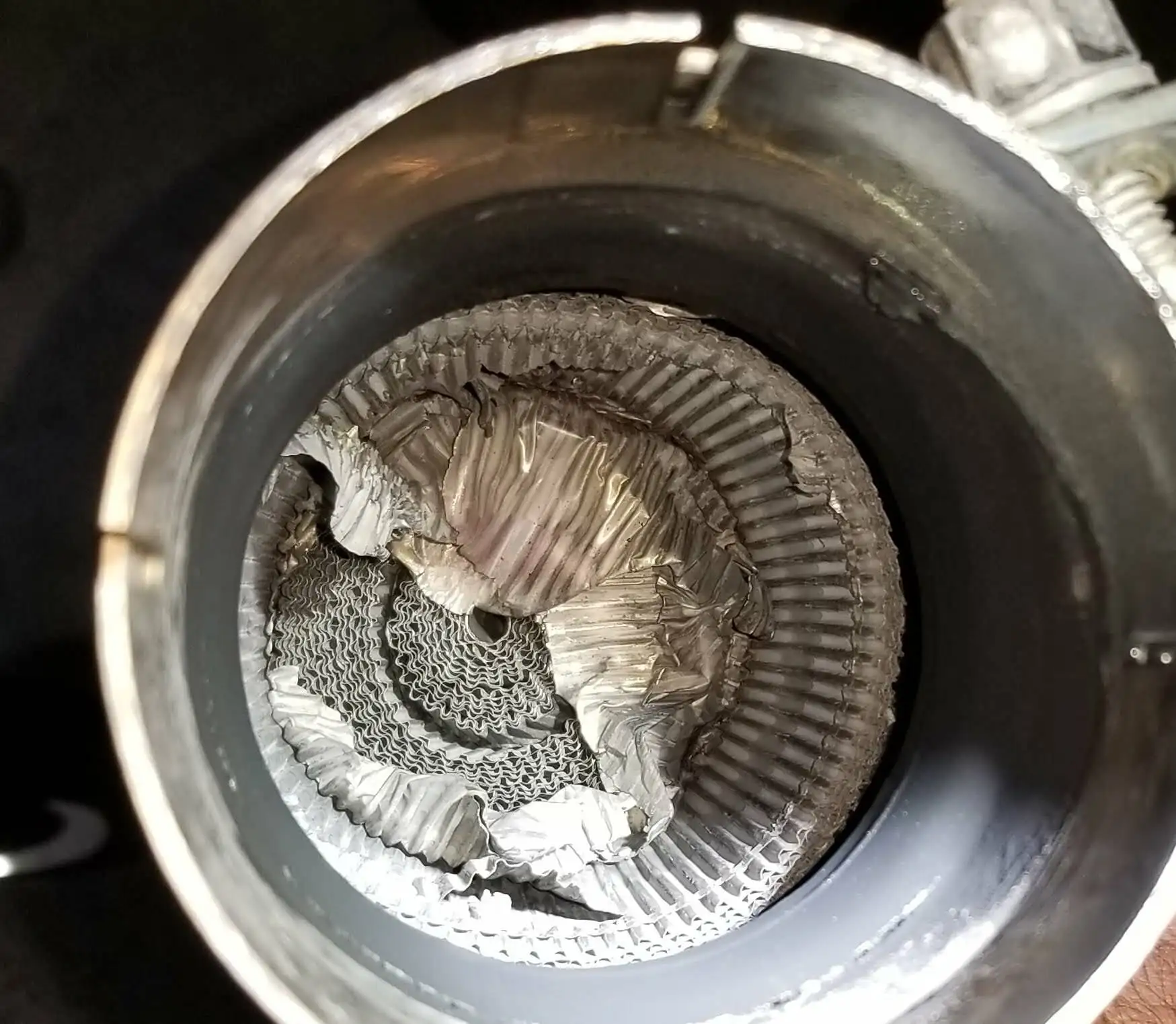
One of the most distinct sounds associated with a failing catalytic converter is a persistent metallic rattling. This usually occurs when the internal ceramic “monolith”—the honeycomb structure—shatters due to thermal shock, physical impact, or overheating from unburned fuel entering the system. As the engine vibrates or as you accelerate, these broken pieces bounce around inside the metal canister. From a technical perspective, this rattle indicates that the structural integrity of the filter has been compromised, meaning the device can no longer effectively process exhaust gases.
The Hissing of Exhaust Backpressure
A clogged catalytic converter acts like a plug in a tailpipe. As the honeycomb becomes filled with carbon deposits or melted by excessive heat, exhaust gases cannot flow freely. This creates a significant buildup of backpressure. Technicians often describe the resulting sound as a faint hissing or a “whistle” emanating from the underside of the vehicle. This occurs as the pressurized gas forces its way through tiny gaps or seeks exit through the exhaust manifold gaskets. In some cases, this pressure can even cause “exhaust chugging,” where the engine sounds like it is struggling to breathe during high-RPM operations.
Engine Hesitation and Audible Backfiring
Beyond the converter itself, a clog affects the entire engine’s acoustic performance. Because the engine cannot expel exhaust efficiently, the intake of fresh air is also hindered. This leads to a rich fuel mixture, which can cause the engine to stumble or hesitate. In advanced stages of clogging, unburned fuel may ignite in the hot exhaust pipes, leading to audible “pops” or backfires. These sounds are a clear indicator that the engine’s timing and combustion cycles are being disrupted by the mechanical bottleneck in the exhaust system.
Digital Diagnostics: Leveraging OBD-II Technology
While the human ear is a valuable tool, modern automotive technology allows us to confirm a clogged catalytic converter with surgical precision using On-Board Diagnostics (OBD-II). Since the 1990s, vehicles have been equipped with sophisticated software that monitors the efficiency of the exhaust system in real-time.
Decoding the P0420 and P0430 Software Codes
The most common digital indicator of a failing catalytic converter is the activation of the Check Engine Light (CEL). When a technician connects a diagnostic scanner to the vehicle’s OBD-II port, they frequently find the codes P0420 (Catalyst System Efficiency Below Threshold – Bank 1) or P0430 (Bank 2). These codes aren’t just arbitrary numbers; they are generated by the Engine Control Unit (ECU) after comparing data from the upstream and downstream oxygen sensors. If the software determines that the converter is no longer cleaning the exhaust effectively—or if the flow rate is restricted—it logs these faults in the system’s non-volatile memory.
Analyzing Live Sensor Data Streams
High-end diagnostic tools and smartphone-integrated apps allow users to view live data “PIDs” (Parameter IDs). By looking at the voltage graphs of the Oxygen (O2) sensors, a tech-savvy user can see the “heartbeat” of the converter. In a healthy system, the upstream sensor fluctuates rapidly, while the downstream sensor remains relatively steady. If the downstream sensor begins to mimic the upstream sensor’s waveform, the technology has identified that the converter’s internal chemistry is failing. Furthermore, “Fuel Trim” data can provide insights into whether the engine is compensating for the restricted airflow caused by a clog, showing a “long-term fuel trim” (LTFT) that deviates significantly from zero.
Thermal Imaging and Vacuum Testing
Modern technicians also utilize infrared (IR) thermometers and digital vacuum gauges to diagnose clogs. By using a thermal imaging camera, a technician can see if the inlet of the converter is significantly cooler than the outlet. In a functioning converter, the chemical reaction generates heat, making the exit hotter. If the tech shows a “cold” outlet, the unit is likely clogged. Additionally, a digital vacuum gauge connected to the intake manifold can reveal a steady drop in vacuum pressure as the engine RPMs increase—a classic sign of an exhaust restriction.
The Role of Smart Sensors and Predictive Maintenance
As we move toward more autonomous and connected vehicles, the technology surrounding emission control is becoming even more proactive. The integration of high-fidelity sensors and AI-driven telemetry is changing how we approach “the sound” of a failing part.
Oxygen (O2) and NOx Sensor Integration
Modern vehicles utilize wideband oxygen sensors and Nitrogen Oxide (NOx) sensors that provide much higher resolution data than older “thimble” style sensors. This hardware allows the vehicle’s software to detect minute changes in exhaust flow and chemistry before the driver ever hears a rattle or a hiss. By monitoring the “light-off” time—the time it takes for the converter to reach operating temperature—the vehicle’s computer can predict the remaining lifespan of the component. This is a shift from reactive repair to predictive maintenance.
Real-time Telemetry and Fleet Management
For commercial vehicles and modern “connected” cars, diagnostic data is often sent to the cloud via telematics. If a catalytic converter begins to show signs of restricted flow or efficiency loss, the manufacturer or fleet manager can receive an alert via an app or dashboard. This digital “early warning system” uses algorithmic analysis to differentiate between a temporary sensor glitch and a genuine physical clog, allowing for repairs to be scheduled before the vehicle suffers a total breakdown or a costly “limp mode” event.
The Future of Emission Tech: AI and Acoustic Fingerprinting
Looking forward, the automotive industry is exploring the use of Artificial Intelligence to diagnose mechanical failures through sound. This field, known as “acoustic fingerprinting,” uses machine learning to analyze the specific frequencies of a vehicle’s operation.
AI-Driven Sound Recognition
Imagine a smartphone app or a built-in vehicle diagnostic system that “listens” to your car. By using the vehicle’s internal microphones (originally designed for noise cancellation or voice commands), an AI model can identify the specific frequency of a ceramic rattle or the unique air-turbulence signature of an exhaust clog. This technology compares the live sound profile against a database of thousands of failure recordings, providing a highly accurate diagnosis without the need for physical disassembly.
The Shift to Zero-Emission Tech
While the catalytic converter is a masterpiece of 20th-century chemical engineering and 21st-century digital monitoring, the ultimate trend in automotive tech is the transition to Electric Vehicles (EVs). EVs do not utilize catalytic converters, as they lack an internal combustion engine. However, the legacy of diagnostic technology developed for converters—such as sensor fusion, real-time data logging, and predictive analytics—is being adapted for battery management systems (BMS). The “sound” of a failing car is being replaced by the “data” of a failing battery cell, but the technological principles remain the same.

Conclusion
A clogged catalytic converter is more than just a mechanical nuisance; it is a complex failure that bridges the gap between physics and digital data. Whether it is the unmistakable metallic rattle of a shattered ceramic monolith or the subtle hissing of excessive backpressure, the acoustic cues are the first line of defense for a driver. However, it is the integration of OBD-II scanners, live data analysis, and predictive software that allows for a definitive diagnosis in the modern era. As automotive technology continues to evolve, our ability to “hear” and interpret these failures will only become more sophisticated, ensuring that our vehicles remain efficient, compliant, and reliable on the road.
aViewFromTheCave is a participant in the Amazon Services LLC Associates Program, an affiliate advertising program designed to provide a means for sites to earn advertising fees by advertising and linking to Amazon.com. Amazon, the Amazon logo, AmazonSupply, and the AmazonSupply logo are trademarks of Amazon.com, Inc. or its affiliates. As an Amazon Associate we earn affiliate commissions from qualifying purchases.