
In the realm of semiotics—the study of signs and symbols—few objects carry as much layered meaning as the Christmas wreath. While the average consumer views the wreath as a simple festive ornament, for brand strategists and marketing professionals, it represents a masterclass in visual communication. To understand “what a Christmas wreath means” in a professional context is to understand the power of continuity, the psychology of the circle, and the strategic deployment of seasonal iconography to foster brand loyalty.
In the world of corporate identity, symbols are the shorthand of values. Just as a wreath on a front door signals a message of welcome and tradition, the integration of such symbols into a brand’s seasonal strategy communicates a specific set of promises to the marketplace. This article explores the deep-seated meanings behind the wreath and how these principles translate into modern brand strategy, marketing, and corporate design.
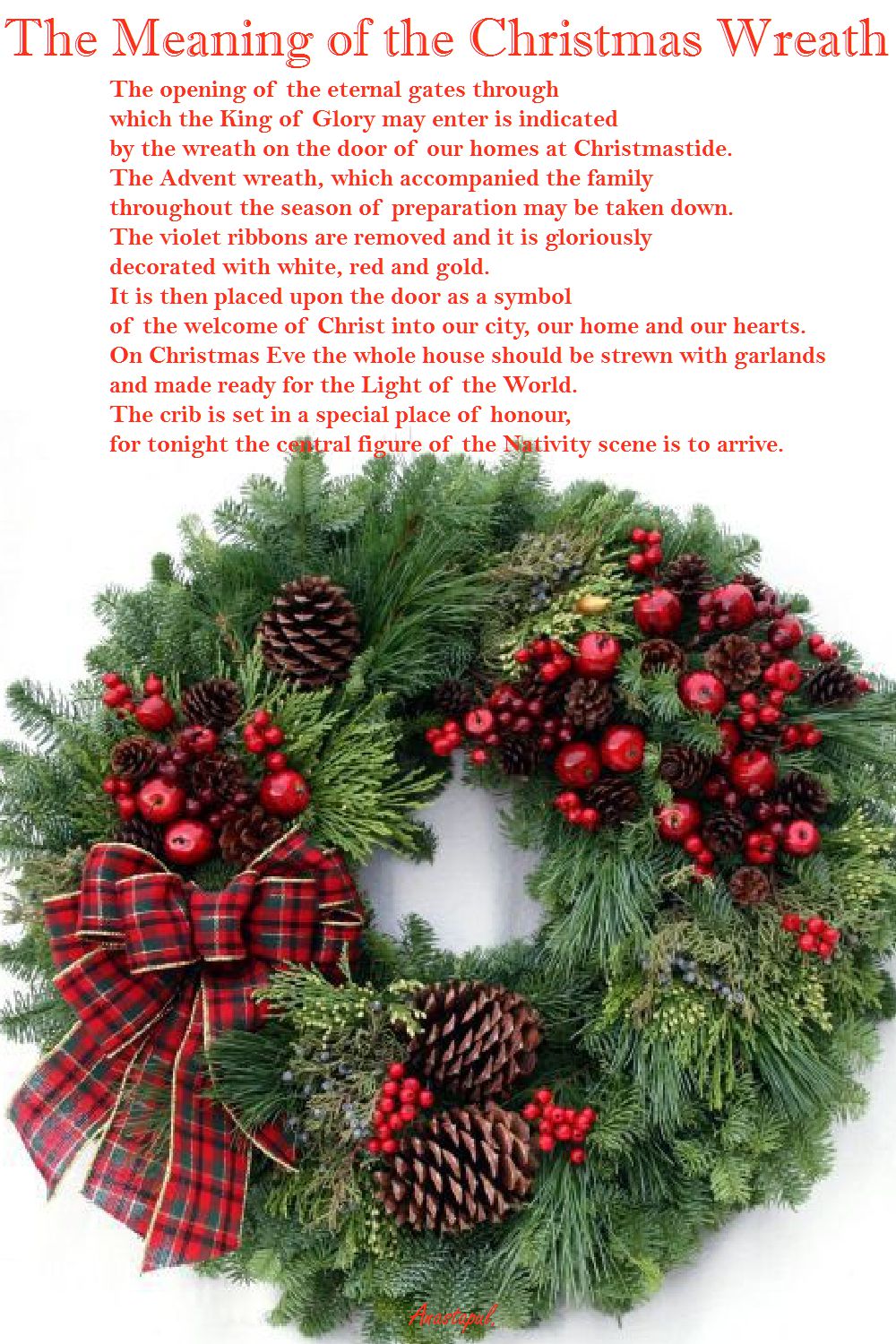
The Psychology of the Circle: Symbolism and Continuity in Brand Design
At its most fundamental level, the wreath is a circle. In design theory, the circle is the most powerful geometric shape because it lacks a beginning or an end. It represents totality, wholeness, and—most importantly for a brand—longevity. When a business incorporates the “wreath ethos” into its visual identity, it is tapping into a prehistoric psychological comfort associated with the eternal loop.
The Eternal Loop: Why Brands Favor Circular Logos
The wreath’s circular shape has historically symbolized eternal life and the cycle of the seasons. In brand strategy, this translates to “brand endurance.” Consider iconic circular logos like those of BMW, Target, or even the Starbucks siren, which is often framed in a manner reminiscent of a classic laurel wreath. These brands utilize the circle to suggest a closed ecosystem of quality and a perpetual commitment to the consumer.
When a brand adopts wreath-like imagery during the holiday season, it is reinforcing the idea that the company is a permanent fixture in the consumer’s life. It suggests that while trends may come and go, the brand—like the evergreen branches of a wreath—remains constant and resilient against the “winter” of market fluctuations.
Psychological Safety and Inclusion in Visual Identity
A wreath is traditionally hung on a door, serving as a boundary marker between the public world and the private sanctuary of the home. In branding, this symbolizes the “inclusive gate.” A brand that utilizes wreath-themed marketing is effectively saying, “You are welcome here.”
This sense of belonging is a critical component of brand equity. By leveraging the traditional meaning of the wreath—hospitality and protection—companies can soften their corporate image. This is particularly effective for high-tech or financial firms that may otherwise seem cold or impersonal. The wreath serves as a visual “handshake,” inviting the customer into a community.
The Seasonal Brand Pivot: Leveraging Tradition for Consumer Connection
Meaning is rarely static; it is built through repetition and cultural context. The Christmas wreath carries centuries of tradition, from the Roman “corona” symbolizing victory to the Christian advent wreath. For a brand, the “meaning” of the wreath lies in its ability to act as a bridge between the company’s commercial goals and the consumer’s personal values.
The Wreath as a Narrative Tool in Festive Marketing
In marketing, the wreath is often used as a frame. Whether it is framing a product in a social media ad or encircling a logo on a shopping bag, the wreath elevates the object within it to the status of a “gift” or a “celebration.” This is a strategic move in brand storytelling.
By placing a product within a wreath, a brand is not just selling a commodity; it is selling a meaningful contribution to the consumer’s holiday narrative. The meaning shifts from “this is a product” to “this is a piece of your tradition.” This narrative pivot is essential for driving emotional resonance, which is a stronger predictor of purchase intent than price or features during the holiday season.
Evoking Nostalgia to Build Brand Loyalty
The wreath is an “anchor” symbol. It triggers nostalgia—a powerful psychological state that brands can leverage to bypass cynical consumer filters. When a brand aligns itself with the traditional meaning of the wreath, it associates itself with the consumer’s positive memories of home, family, and safety.
Professional brand strategy involves “borrowed equity.” By using the wreath, a brand borrows the centuries of positive sentiment associated with the holiday season and applies it to its own corporate identity. This creates a “halo effect” (pun intended), where the positive attributes of the symbol are transferred to the brand itself.
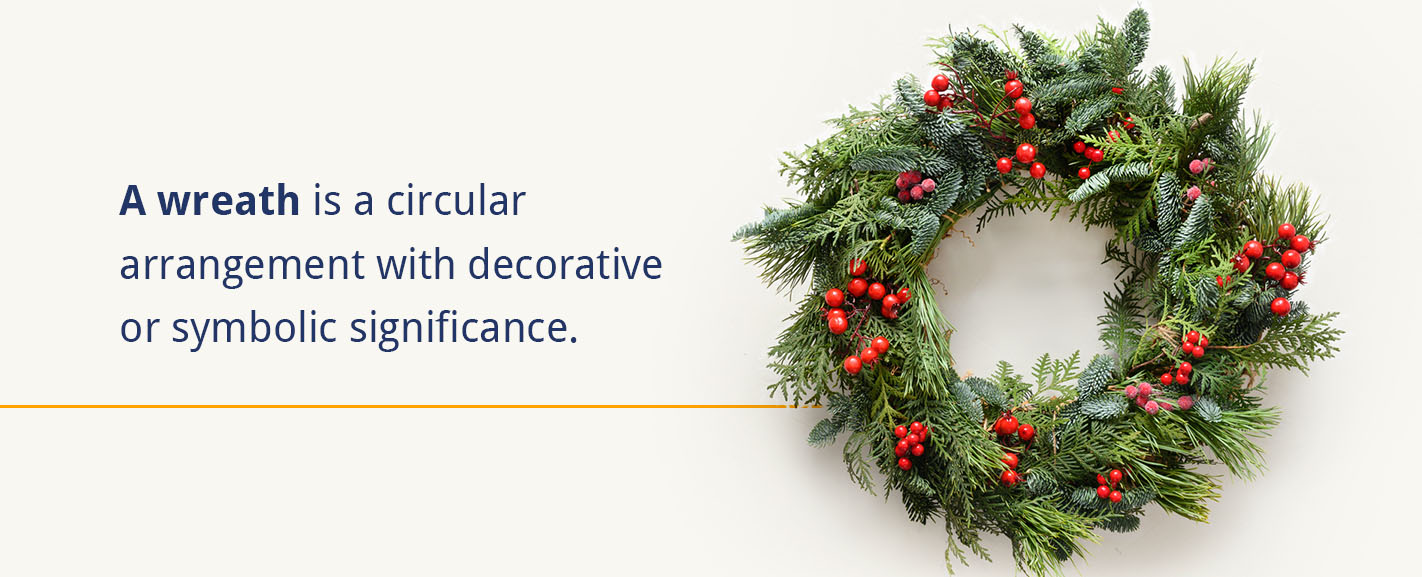
Visual Language and Seasonal Iconography in Corporate Identity
Beyond the shape, the components of a wreath—the greenery, the ribbons, and the ornaments—each hold specific meanings that can be deconstructed through the lens of corporate design and color theory.
Beyond the Greenery: Color Theory in Holiday Branding
The traditional colors of a Christmas wreath—evergreen, deep red, and gold—are not accidental. Each has a specific psychological impact that brands utilize to direct consumer behavior:
- Evergreen (Stability): Represents growth, wealth, and health. In branding, it signals a “safe” and sustainable company.
- Red (Action): Often used in ribbons, red stimulates appetite and urgency. It is the color of the “call to action” (CTA).
- Gold (Prestige): Represents high quality and luxury. Brands use gold accents in their holiday wreath designs to signal a premium experience or a “limited edition” status.
When a brand chooses to deviate from these colors—for example, using a minimalist white and silver wreath—it is signaling a “Modernist” or “Disruptor” brand identity. The meaning of the wreath then shifts from “Tradition” to “Sophistication” or “Innovation.”
Materiality and Brand Values: Sustainable Wreaths vs. Plastic
In the modern market, the material of the wreath carries as much meaning as the symbol itself. A corporate office that displays a live, locally sourced balsam wreath is communicating a commitment to sustainability and corporate social responsibility (CSR). Conversely, a high-gloss, metallic, synthetic wreath might communicate a brand identity focused on futurism, artifice, or high-fashion.
Strategic brand managers must ensure that the physical manifestation of these symbols aligns with their core brand pillars. A company that claims to be “eco-friendly” but uses plastic-based, non-recyclable holiday decor creates a “brand fracture”—a disconnect between what the brand says and what it does.
Implementing Symbolism: Lessons for Modern Marketers
Understanding what a Christmas wreath means is only the first step. The second is the strategic implementation of that meaning into a cohesive brand experience.
Integrating Traditional Symbols without Diluting Core Identity
The challenge for most brands is how to adopt holiday symbolism without losing their unique voice. The most successful brands do not simply “slap a wreath on the logo.” Instead, they interpret the wreath through their own brand lens.
For example, a tech company might create a “digital wreath” made of glowing circuits or pixels. This honors the tradition (the wreath) while reinforcing the brand’s niche (technology). This approach ensures that the brand remains relevant while participating in the cultural conversation. It shows that the brand is culturally literate—it understands the symbols of its audience but respects its own identity enough not to mimic everyone else.
Case Studies in Seasonal Brand Adaptation
Consider how high-end luxury brands like Tiffany & Co. or Cartier use wreaths. They don’t use standard store-bought decorations. Their wreaths are bespoke, architectural, and often feature their signature brand colors (Tiffany Blue or Cartier Red).
In these cases, the “meaning” of the wreath is elevated from a common holiday decoration to a “luxury installation.” This reinforces the brand’s positioning as an arbiter of taste. On the other end of the spectrum, a brand like Coca-Cola uses the wreath to emphasize “universal joy” and “sharing,” aligning with their long-standing brand strategy of being the “connector” of people. Both use the same symbol, but the meaning is tailored to their specific brand equity.

Conclusion: The Wreath as a Masterclass in Symbolic Marketing
So, what does a Christmas wreath mean? In the context of brand strategy, it is a tool of semiotic engineering. It is a symbol of continuity, a marker of hospitality, a vessel for nostalgia, and a palette for color-driven psychological influence.
For the professional brand strategist, the wreath is a reminder that symbols are never “just decorations.” They are powerful vehicles for communicating complex values in an instant. By understanding the deep-rooted meanings of the wreath, brands can more effectively navigate the holiday season, turning a seasonal ornament into a strategic asset that builds trust, reinforces identity, and ultimately drives a deeper connection with the global consumer base. In the end, the wreath is not just a sign of Christmas; it is a sign of a brand that knows how to speak the language of its audience.
aViewFromTheCave is a participant in the Amazon Services LLC Associates Program, an affiliate advertising program designed to provide a means for sites to earn advertising fees by advertising and linking to Amazon.com. Amazon, the Amazon logo, AmazonSupply, and the AmazonSupply logo are trademarks of Amazon.com, Inc. or its affiliates. As an Amazon Associate we earn affiliate commissions from qualifying purchases.