
The world of healthcare is incredibly diverse, with countless specialized roles contributing to patient well-being. Within this intricate ecosystem, the cardiac catheterization laboratory, or “cath lab,” stands as a critical hub for diagnosing and treating a wide range of cardiovascular conditions. At the forefront of this specialized environment are cath lab nurses. Far from a general nursing role, these professionals are highly skilled individuals who play an indispensable part in the highly technical and life-saving procedures performed within their domain. This article delves into the multifaceted responsibilities, required expertise, and the dynamic nature of being a cath lab nurse, exploring how their unique skill set integrates with the cutting-edge technology that defines modern cardiac care.
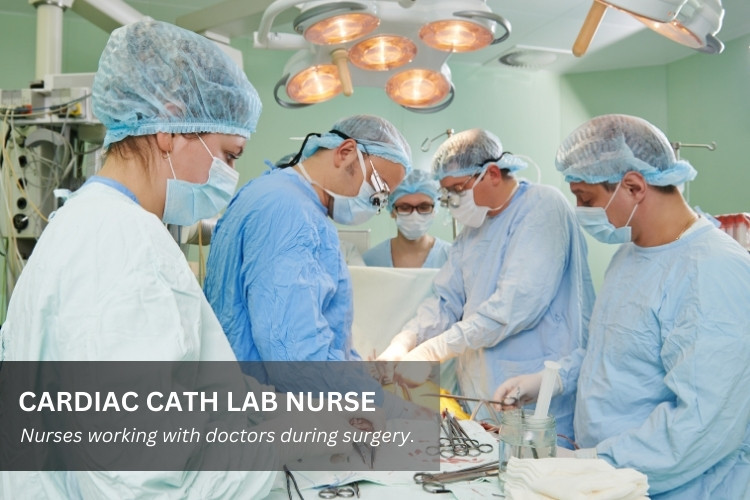
The Technological Battlefield: Understanding the Cath Lab Environment
The cath lab is not merely a room; it’s a sophisticated technological environment where advanced imaging, diagnostic, and interventional equipment converge. For a cath lab nurse, a deep understanding and comfort with this technology are paramount, forming the bedrock of their ability to provide safe and effective patient care.
Navigating the Advanced Imaging and Diagnostic Equipment
At the heart of the cath lab lies an array of sophisticated imaging systems. Cath lab nurses are intimately familiar with the operation of fluoroscopy units, which provide real-time X-ray images essential for guiding catheters and wires through the intricate vascular system. They understand the principles behind intravascular ultrasound (IVUS) and optical coherence tomography (OCT), technologies that offer cross-sectional views of blood vessels, providing crucial anatomical and pathological information beyond traditional angiography.
Furthermore, these nurses are adept at managing and interpreting data from various diagnostic tools. This includes pressure monitoring systems, which measure pressures within the heart chambers and great vessels to assess cardiac function and identify abnormalities. They are also skilled in utilizing electrocardiogram (ECG) monitoring, not just to observe rhythm but to recognize subtle changes that may indicate ischemia or arrhythmias during procedures. The ability to quickly interpret these complex data streams and communicate critical findings to the physician is a hallmark of the experienced cath lab nurse.
Mastering Interventional Devices and Tools
Beyond diagnostics, the cath lab is a staging ground for minimally invasive interventional procedures. Cath lab nurses are experts in handling a vast array of interventional devices. This includes a wide variety of catheters designed for different purposes – diagnostic catheters for visualizing vessels, angioplasty balloons for dilating stenotic lesions, and stent delivery systems for reinforcing opened arteries.
They must possess an encyclopedic knowledge of guidewires, their different lengths, stiffness, and tip configurations, and how they are manipulated to navigate tortuous anatomy. They are also instrumental in the preparation and deployment of devices such as atherectomy catheters for plaque removal, embolic protection devices, and closure devices used to seal arterial punctures post-procedure. The sterile handling and precise management of these instruments under pressure are critical to preventing complications and ensuring procedural success. This requires not only technical proficiency but also a meticulous attention to detail and an unwavering commitment to aseptic technique.
The Interplay Between Nurse and Machine
The relationship between the cath lab nurse and the technology is symbiotic. The nurse acts as a critical interface, translating the physician’s instructions into action and ensuring the seamless integration of various technological components. They are responsible for setting up and troubleshooting equipment, managing patient data, and ensuring all systems are functioning optimally before, during, and after a procedure. This often involves pre-procedure checks of imaging consoles, hemodynamic monitoring systems, and accessory equipment. During the procedure, they are constantly monitoring patient vital signs displayed on monitors, adjusting settings as needed, and ensuring the smooth flow of information between the physician and the technology. Their expertise ensures that the physician can focus on the delicate art of intervention, confident that the technological backbone is managed expertly.
The Core Competencies: Clinical Skills and Procedural Expertise
While technology provides the tools, it is the cath lab nurse’s clinical acumen and procedural expertise that truly drive patient care within this specialized unit. Their role demands a profound understanding of cardiovascular physiology, disease processes, and the intricate steps of cardiac interventions.
Advanced Cardiovascular Assessment and Monitoring
Cath lab nurses possess a level of cardiovascular assessment that extends far beyond that of a general medical-surgical nurse. They are trained to recognize the subtle signs and symptoms of acute coronary syndromes, heart failure, valvular heart disease, and arrhythmias. During procedures, they are hyper-vigilant in monitoring hemodynamic parameters, such as arterial and venous pressures, cardiac output, and oxygen saturation. They can interpret changes in these parameters in real-time, anticipating potential complications and alerting the physician to any deviations from the norm.
This advanced monitoring extends to recognizing ECG changes indicative of myocardial ischemia, injury, or infarction. They are proficient in identifying various arrhythmias that may occur during or after a procedure and are prepared to initiate appropriate interventions, including administering emergency medications or preparing for cardioversion. Their ability to perform a rapid and accurate cardiovascular assessment, both pre- and post-procedure, is crucial for identifying subtle changes in a patient’s condition.
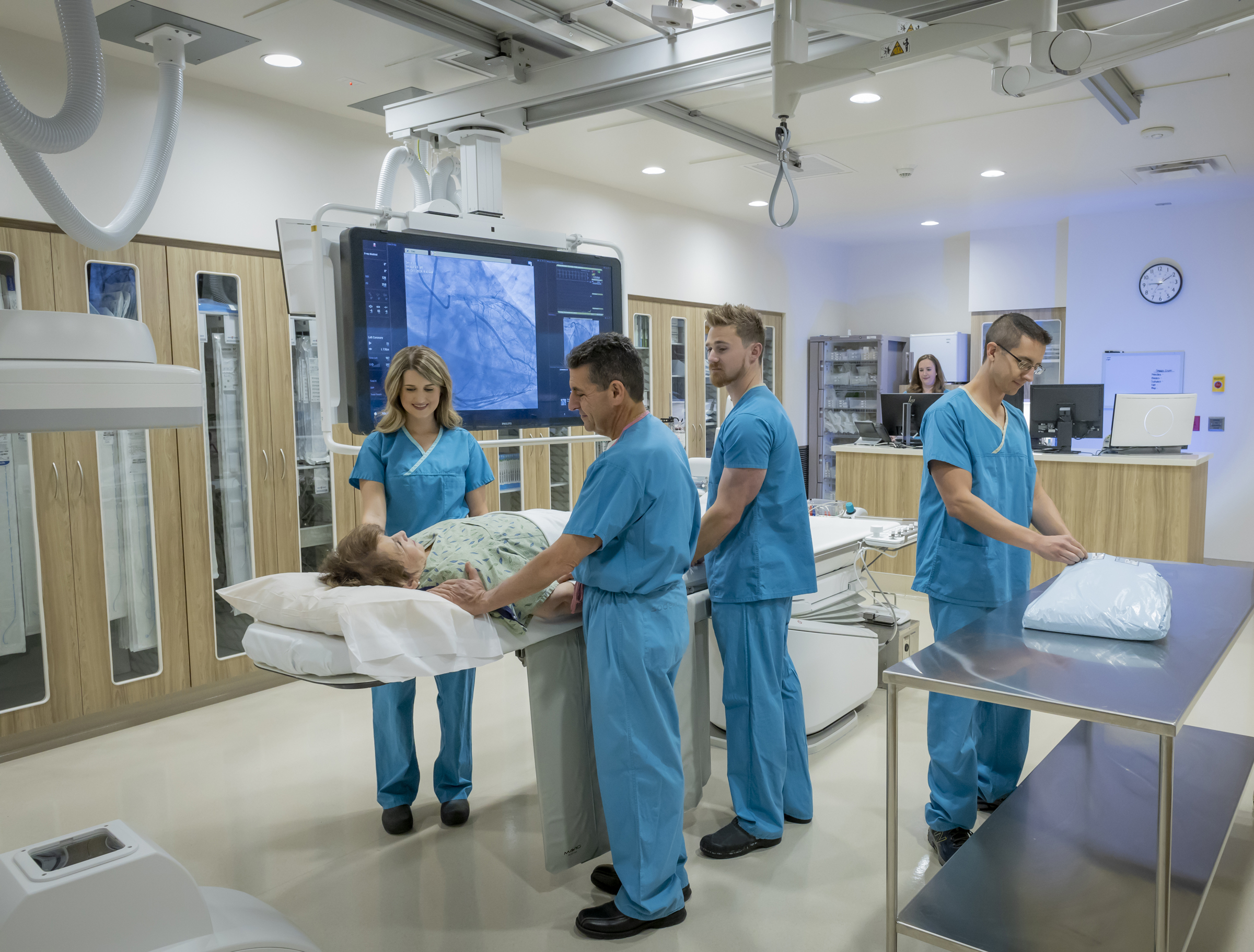
Mastering the Catheterization Procedure: From Access to Closure
The cath lab nurse is an integral member of the procedural team, actively participating in every phase of a cardiac catheterization. This begins with patient preparation, which involves detailed explanations of the procedure, obtaining informed consent, and ensuring the patient is physically and psychologically ready. They are responsible for establishing vascular access, typically in the femoral or radial artery, which requires precise technique and an understanding of vascular anatomy to minimize complications like bleeding or hematoma formation.
During the procedure, the nurse acts as the physician’s right hand, anticipating their needs and handing them the correct instruments and catheters. They meticulously manage sterile fields, ensuring no breaches in aseptic technique occur. They are responsible for flushing catheters and wires to prevent air emboli, administering medications as ordered by the physician (such as anticoagulants, sedatives, and vasodilators), and monitoring the patient’s response to these interventions. Post-procedure care is equally critical, involving the application of hemostatic devices to the access site, ongoing monitoring of vital signs and the access site for bleeding or other complications, and ensuring the patient’s comfort and recovery.
Emergency Preparedness and Response
The high-stakes nature of the cath lab necessitates a robust understanding of emergency protocols. Cath lab nurses are trained to respond rapidly and effectively to life-threatening emergencies, such as cardiac arrest, acute myocardial infarction during a procedure, or anaphylactic reactions to contrast dye. They are proficient in advanced cardiac life support (ACLS) and are prepared to initiate chest compressions, administer emergency medications, and operate defibrillators.
Their role in an emergency extends beyond direct patient care. They are responsible for coordinating with other hospital departments, such as the operating room or intensive care unit, to facilitate the smooth transfer of critically ill patients. They also play a vital role in debriefing after critical events, contributing to a culture of continuous learning and improvement within the cath lab team. This constant state of readiness and the ability to remain calm and decisive under immense pressure are defining characteristics of a cath lab nurse.
Beyond the Procedure: The Broader Role and Future of Cath Lab Nursing
The responsibilities of a cath lab nurse extend far beyond the confines of the procedure room. Their impact is felt in patient education, interdisciplinary collaboration, and a commitment to continuous professional development in a rapidly evolving field.
Patient Education and Advocacy
Effective patient education is a cornerstone of the cath lab nurse’s role, particularly in a setting where patients may be experiencing significant anxiety and discomfort. They take the time to explain complex procedures in clear, understandable terms, addressing patient concerns and alleviating fears. This includes educating patients about the purpose of the procedure, what to expect during and after, potential risks and benefits, and essential post-procedure care instructions.
Furthermore, cath lab nurses act as crucial patient advocates, ensuring that their needs and preferences are considered throughout their cath lab experience. They champion patient safety, meticulously verifying patient identity, allergies, and medications, and ensuring that all procedural checklists are meticulously followed. Their compassionate approach helps to build trust and rapport, contributing to a more positive and supportive patient journey.
Collaboration and Communication within the Healthcare Team
The success of a cath lab procedure relies heavily on seamless interdisciplinary collaboration. Cath lab nurses work closely with a diverse team, including interventional cardiologists, radiologists, technologists, anesthesiologists, and other nursing staff. Effective communication is paramount, ensuring that all team members are informed of the patient’s status, procedural progress, and any potential issues.
They act as a central point of information, relaying vital data between the physician and other members of the healthcare team. This collaborative spirit extends to post-procedure handoffs, where detailed and accurate information is crucial for ensuring optimal patient recovery and preventing complications. Their ability to foster a cohesive and communicative team environment is essential for patient safety and procedural efficiency.
Continuous Learning and Professional Development in a Technological Landscape
The field of interventional cardiology is characterized by rapid technological advancements and evolving treatment modalities. For cath lab nurses, continuous learning and professional development are not optional; they are essential for maintaining competency and providing the highest standard of care. This involves staying abreast of new devices, techniques, and emerging research in cardiovascular medicine.
Many cath lab nurses pursue advanced certifications, such as the Cardiac Cath Lab Nurse (CCRN) or Cardiovascular Nursing (CVN) certifications, to validate their specialized knowledge and skills. They actively participate in continuing education courses, workshops, and conferences, sharing knowledge and best practices with colleagues. This commitment to lifelong learning ensures that they remain at the forefront of their profession, ready to embrace new technologies and adapt to the ever-changing landscape of cardiac care, ultimately benefiting the patients they serve.
aViewFromTheCave is a participant in the Amazon Services LLC Associates Program, an affiliate advertising program designed to provide a means for sites to earn advertising fees by advertising and linking to Amazon.com. Amazon, the Amazon logo, AmazonSupply, and the AmazonSupply logo are trademarks of Amazon.com, Inc. or its affiliates. As an Amazon Associate we earn affiliate commissions from qualifying purchases.