
In the traditional legal landscape, a case brief was a static document, often handwritten or typed in a rigid format, used primarily by law students and clerks to summarize judicial opinions. However, as the legal industry undergoes a massive digital transformation, the “look” and “feel” of a case brief have evolved. Today, a case brief is less of a simple summary and more of a dynamic, tech-enabled data point within a larger LegalTech ecosystem.
For professionals navigating the intersection of law and technology, understanding what a modern case brief looks like requires looking beyond the text. It involves analyzing how Artificial Intelligence (AI), cloud-based collaboration, and sophisticated LegalTech software have reshaped the anatomy of legal research.
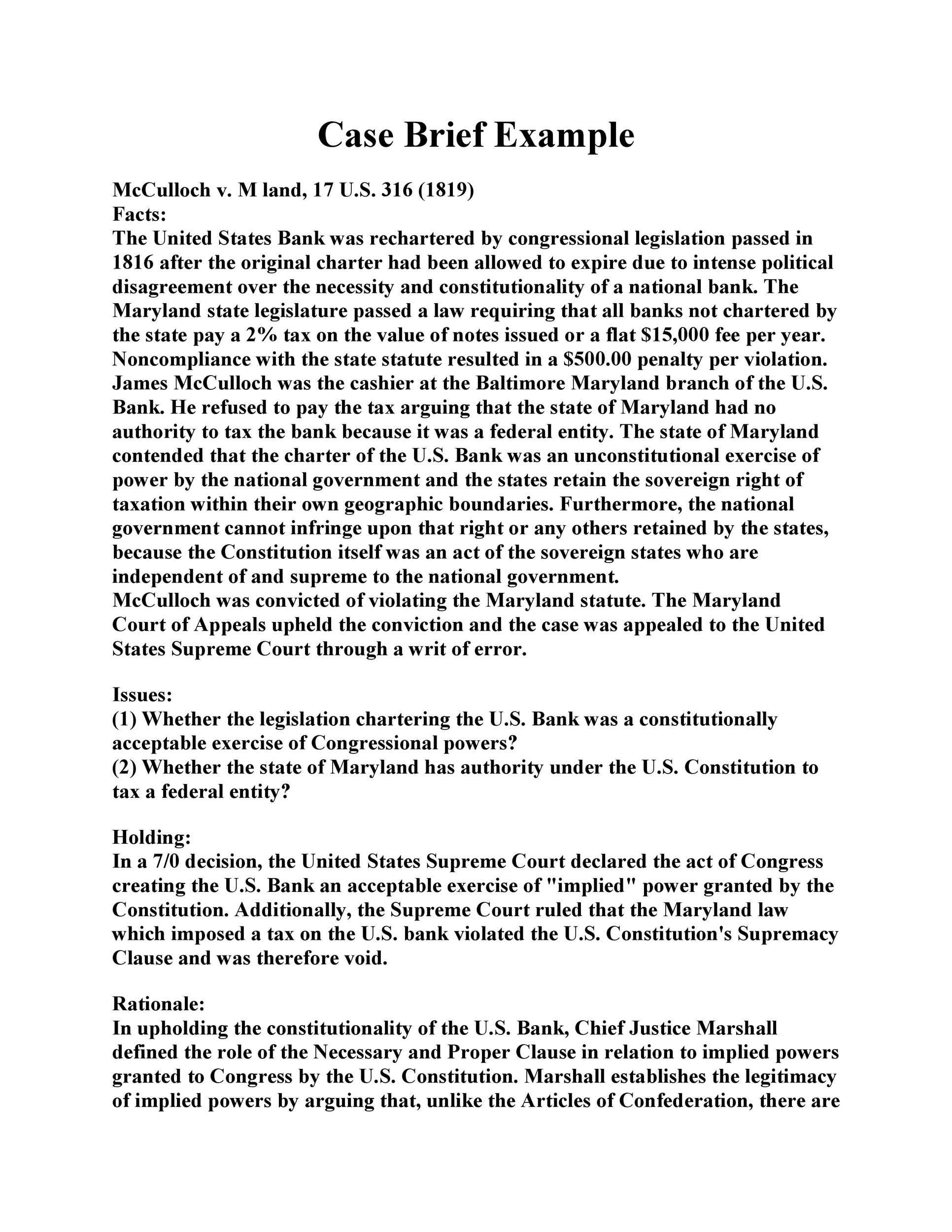
The Evolution of the Case Brief in the Digital Age
The shift from physical law libraries to searchable digital databases has fundamentally altered the structural expectations of a case brief. In the past, brevity was a necessity dictated by physical filing space and the manual effort of cross-referencing. Today, the case brief functions as a high-speed roadmap for digital litigation support.
From Paper to Pixels: Why Traditional Methods are Changing
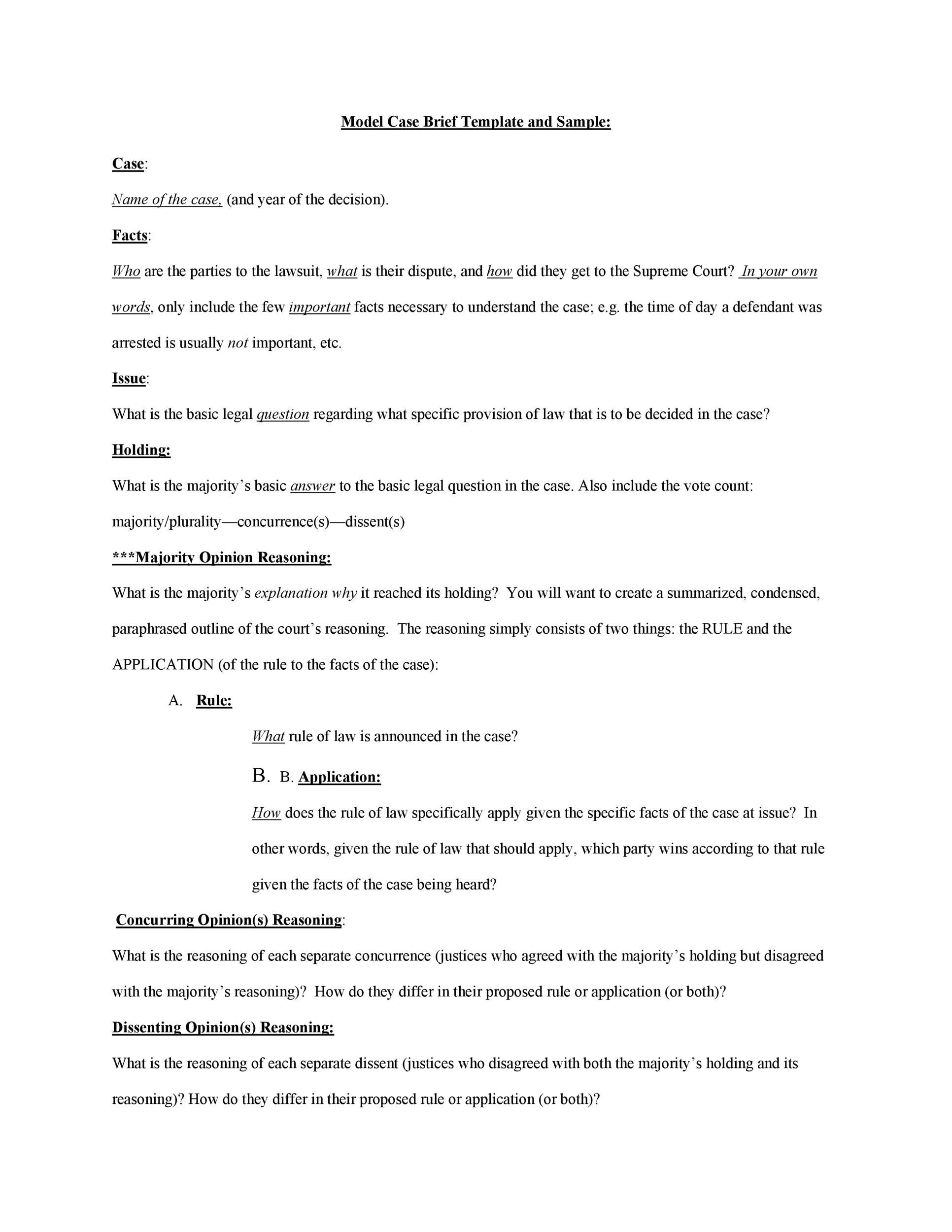
The traditional FIRAC (Facts, Issue, Rule, Analysis, Conclusion) model remains the logical backbone of any brief. However, in a tech-centric environment, these sections are no longer isolated. A modern case brief “looks” like a node in a network. It is often embedded with hyperlinks that lead directly to the cited statutes or secondary sources within a digital repository like Westlaw, LexisNexis, or specialized SaaS platforms. This transition allows for a “non-linear” reading experience where a practitioner can jump from a summary to the raw data in a single click.
The Role of LegalTech in Streamlining Research
Modern LegalTech tools have introduced the concept of “automated briefing.” Software can now scan a 50-page judicial opinion and extract the core components of a brief in seconds. Consequently, a modern case brief often features machine-generated tags and metadata. These tags allow the brief to be indexed by internal search engines, making it discoverable for future cases. When we ask what a case brief looks like today, the answer includes a sidebar of metadata: jurisdiction tags, judge sentiment analysis, and success-rate percentages for the specific legal theory used.
The Core Components of a Tech-Enabled Case Brief
If you were to open a modern case brief on a high-end legal workstation today, it would look significantly more interactive than a standard Word document. The integration of Natural Language Processing (NLP) has allowed for a more granular breakdown of legal information.
Automated Citation and Metadata Integration
At the top of a modern case brief, you won’t just find the case name and citation. You will find “active” headers. Using tools like Bluebook-compliant citation software or browser extensions, the citations are verified in real-time. If a case has been overturned or called into question (often referred to as “red-flagged”), the digital brief will reflect this status visually. This real-time validation is a hallmark of the tech-driven brief, ensuring that the “Rule” section of the brief isn’t built on “bad law.”
Digital Fact Mapping and Procedural History
The “Facts” section of a brief has also seen a digital makeover. Instead of long-form prose, many modern briefs utilize fact-mapping software or chronologies that are hyperlinked to the electronic discovery (eDiscovery) database. This means a brief might contain a timeline widget or a clickable list of exhibits. When a user hovers over a factual claim, a tool-tip may appear showing the source document, such as a PDF of a contract or a digital transcript from a deposition.
The “Issue” and “Holding” in the Era of AI Search
The “Issue” and “Holding” sections remain the heart of the document, but they are now optimized for semantic search. When an attorney drafts these sections in a modern CMS (Content Management System), they are often prompted by AI to use specific keywords that align with the firm’s internal taxonomy. This ensures that if another lawyer in the firm is looking for “breach of fiduciary duty in cloud computing contracts,” this specific brief will surface due to its optimized structure.

Top Software Tools for Crafting and Managing Case Briefs
The aesthetic and functional quality of a case brief is often determined by the stack of technology used to create it. We are moving away from generic word processors toward specialized LegalTech environments.
AI Summarization Tools: Efficiency vs. Accuracy
Generative AI tools, such as CoCounsel (by Casetext) or Harvey AI, have redefined the “drafting” phase. These platforms use Large Language Models (LLMs) to ingest a court’s opinion and output a structured brief. A modern brief generated by these tools often includes a “Confidence Score” or a list of “Verification Links.” This allows the human reviewer to verify the AI’s work, creating a document that looks like a collaborative effort between human intelligence and machine efficiency.
Cloud-Based Collaboration Platforms for Legal Teams
What a case brief looks like is also defined by how it is shared. Tools like Notion, Trello, or specialized legal platforms like Clio and PracticePanther allow briefs to exist as “live” documents. Instead of a static PDF, the brief might look like a collaborative board where team members can leave comments, assign tasks based on the “Analysis” section, and track changes in real-time. This version control is crucial for maintaining a “single source of truth” in complex, multi-jurisdictional litigation.
Best Practices for Organizing Digital Case Briefs
To ensure a case brief is effective in a high-tech environment, it must follow specific organizational principles that prioritize readability on screens and compatibility with data systems.
Version Control and Data Security
Because a case brief often contains sensitive legal strategies, its digital “look” includes layers of security. This involves encrypted access logs and SOC2-compliant hosting environments. A professional digital brief is never just a file on a desktop; it is a secured asset with tiered access permissions. Organizationally, this means the brief includes a “header” indicating the security level and the version history, ensuring that the most recent legal analysis is always the one being referenced.
Hyperlinking Precedents for Instant Navigation
The most useful modern briefs are those that act as a hub. By using internal hyperlinking (linking to other briefs within the firm’s private cloud) and external hyperlinking (linking to public dockets), the brief becomes an interactive portal. This organizational style reduces the cognitive load on the reader, allowing them to verify the “Analysis” section without manually searching for the cited cases. Visually, this looks like underlined blue text or interactive “cards” that preview the cited content when hovered over.
Future Trends: The Generative AI Revolution in Case Briefing
As we look toward the future, the case brief will likely become even more automated and data-rich. We are approaching an era where the brief might not even be a document in the traditional sense, but a dashboard.
Visual data representation is the next frontier. Future case briefs may include “outcome predictors” based on historical data of the presiding judge. Imagine a brief where the “Conclusion” section is accompanied by a graph showing the 75% probability of a similar ruling in your specific district. This integration of data analytics into the brief moves it from a descriptive tool to a predictive one.
Furthermore, as “Voice-to-Text” and AI “Chat-with-your-Doc” technologies improve, a lawyer might interact with a case brief via a voice interface or a chatbot. Instead of reading the brief, they might ask, “What was the court’s reasoning regarding the third-party liability issue?” and receive an instant, synthesized answer based on the digital brief’s structured data.
In conclusion, a modern case brief looks like a sophisticated, interlinked, and highly secure digital asset. It leverages AI for summarization, cloud technology for collaboration, and data analytics for strategic insight. While the fundamental goal remains the same—to distill complex legal opinions into actionable summaries—the technology behind it has turned the humble case brief into a powerhouse of legal intelligence. For any professional in the Tech or LegalTech space, mastering this digital format is not just about style; it is about maximizing the speed and accuracy of legal decision-making in an increasingly fast-paced digital world.
aViewFromTheCave is a participant in the Amazon Services LLC Associates Program, an affiliate advertising program designed to provide a means for sites to earn advertising fees by advertising and linking to Amazon.com. Amazon, the Amazon logo, AmazonSupply, and the AmazonSupply logo are trademarks of Amazon.com, Inc. or its affiliates. As an Amazon Associate we earn affiliate commissions from qualifying purchases.