
Dental bridges, a cornerstone of restorative dentistry, have evolved significantly, transforming from simple prosthetics to sophisticated, technologically advanced solutions. Understanding what a dental bridge looks like in the modern era requires delving into the materials, design principles, and the underlying technology that enables their creation and integration. This exploration will focus on the technological advancements that have redefined the appearance, function, and patient experience of dental bridges.
The Modern Dental Bridge: Materials and Aesthetics
The visual appearance of a dental bridge is intrinsically linked to the materials used in its construction. Gone are the days when purely metallic options were the only choice. Today’s dental bridges offer a remarkable spectrum of materials, each contributing to a natural look and feel.
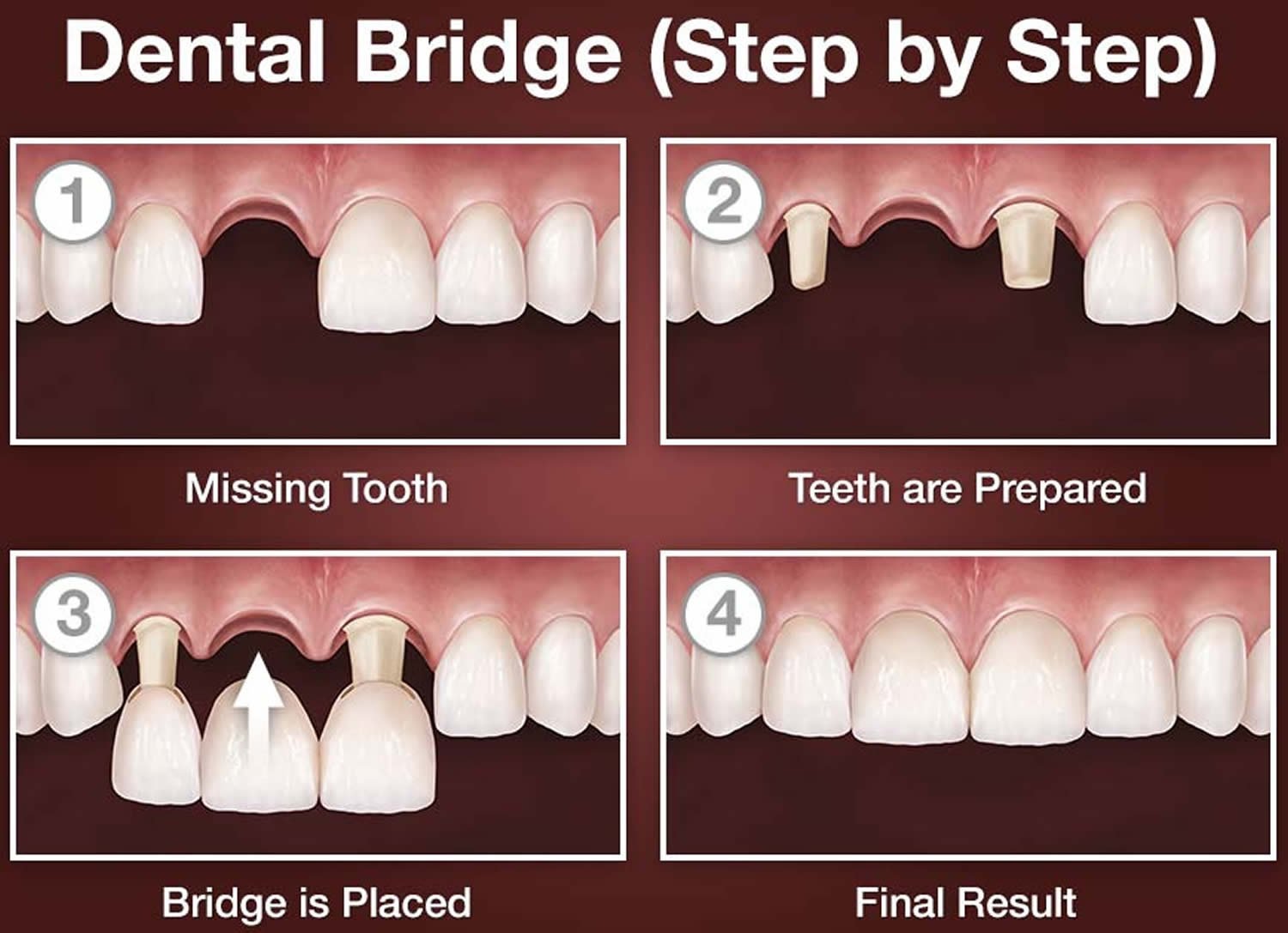
Porcelain-Fused-to-Metal (PFM) Bridges: A Classic with Refinements
While not the cutting-edge of today, Porcelain-Fused-to-Metal (PFM) bridges remain a popular and recognizable option. Visually, they present a metal substructure, often made of gold or a strong base metal alloy, meticulously crafted to support the missing tooth or teeth. This metal framework provides durability and strength. Over this metal, a layer of porcelain is meticulously applied and fired. This porcelain is carefully shaded and contoured to match the surrounding natural teeth in terms of color, translucency, and shape.
The “look” of a PFM bridge is characterized by the porcelain’s ability to mimic natural enamel. However, the inherent nature of metal can sometimes lead to a slightly opaque appearance compared to a completely all-ceramic restoration. In some cases, a dark line can become visible at the gum line over time, particularly if the gum tissue recedes, revealing the metal margin. Despite these limitations, PFM bridges offer a good balance of aesthetics and affordability, making them a widely utilized solution. The technological aspect here lies in the precision of the metal casting and the sophisticated layering techniques employed by dental technicians to achieve a lifelike appearance.
All-Ceramic Bridges: The Pinnacle of Natural Aesthetics
All-ceramic dental bridges represent a significant leap forward in terms of visual realism and biocompatibility. These bridges are constructed entirely from ceramic materials, such as zirconia or lithium disilicate (e.g., E.max). Visually, all-ceramic bridges are virtually indistinguishable from natural teeth. The translucent nature of these materials allows light to pass through them, reflecting and scattering light in a manner that closely mimics the optical properties of natural enamel.
Zirconia Bridges: Zirconia, a highly durable ceramic, offers exceptional strength, making it ideal for bridges that require robust support. Modern zirconia bridges are often layered with aesthetic porcelain to further enhance their natural appearance, particularly for front teeth. Advancements in CAD/CAM (Computer-Aided Design/Computer-Aided Manufacturing) technology allow for the precise milling of zirconia frameworks, ensuring a perfect fit. The “look” is characterized by a bright, opaque base that can be expertly layered with translucent porcelains to achieve intricate color gradients and depth. This material is particularly effective for posterior bridges where strength is paramount.
Lithium Disilicate (E.max) Bridges: Lithium disilicate is another advanced ceramic material that excels in aesthetics. It offers a higher degree of translucency than many forms of zirconia, making it an excellent choice for anterior bridges where a highly lifelike and natural appearance is crucial. E.max bridges can be fabricated using both pressing techniques and CAD/CAM milling. The “look” of an E.max bridge is one of exceptional beauty, with a smooth surface and a gentle luminescence that closely matches natural dentition. These bridges can be stained and glazed to achieve a precise color match, creating restorations that are both strong and aesthetically superior.
The technological marvel behind all-ceramic bridges lies in the digital workflow. From intraoral scanning that captures precise tooth anatomy to CAD software that designs the bridge and CAM machines that mill it from a solid block of ceramic, every step is driven by cutting-edge technology. This digital precision ensures optimal fit, function, and aesthetics.
The Role of Digital Technologies in Bridge Design and Fabrication
The visual appearance and functional performance of modern dental bridges are profoundly shaped by the integration of digital technologies. Computer-Aided Design (CAD) and Computer-Aided Manufacturing (CAM) have revolutionized the way dental prosthetics are created, leading to enhanced precision, efficiency, and aesthetic outcomes.
Digital Impressioning and Data Capture
The traditional method of taking dental impressions involved using trays filled with putty-like materials. While effective, this process could be uncomfortable for patients and sometimes lead to inaccuracies. Modern dentistry has largely replaced this with digital impressioning using intraoral scanners.
Intraoral Scanners: These handheld devices emit light or other waves that capture detailed 3D images of the patient’s teeth and gums. The resulting digital impression is a highly accurate, real-time model. The “look” of this data is a series of interconnected points and surfaces that form a virtual representation of the oral cavity. This data is immediately available for the dentist and the dental laboratory, eliminating the need for physical models to be shipped. The technological advantage here is the speed, accuracy, and comfort of the impression-taking process. It also allows for early detection of potential issues and facilitates better communication between the patient and the dental team.
3D Cone Beam Computed Tomography (CBCT): In complex cases or when planning for implant-supported bridges, CBCT scans are utilized. These scans provide detailed cross-sectional images of the teeth, jawbone, and surrounding structures. The “look” of CBCT data is a volumetric representation, allowing dentists to visualize anatomical details in three dimensions. This technology is crucial for assessing bone density, nerve pathways, and the precise placement of implants, all of which directly influence the final design and success of the dental bridge.
Computer-Aided Design (CAD) for Bridge Planning
Once the digital impression data is captured, it is imported into specialized CAD software. This software allows dental professionals to design the dental bridge with remarkable precision.
Virtual Design and Simulation: The CAD software enables dentists and dental technicians to virtually place the bridge onto the digital model. They can meticulously design the shape, size, and contours of the pontic (the artificial tooth) and the crowns that will anchor it to the adjacent teeth. The “look” in this phase is a digital blueprint, where every curve and angle is precisely sculpted. This allows for a highly personalized design that harmonizes with the patient’s natural bite and facial aesthetics. Software can simulate different occlusal schemes and assess how the bridge will function under chewing forces, ensuring optimal performance and longevity.

Material Selection and Shade Matching: Within the CAD software, different materials can be virtually tested for strength and aesthetics. Advanced algorithms can assist in shade matching by analyzing the color nuances of the surrounding teeth, helping to achieve a seamless integration. The technological sophistication lies in the ability to manipulate virtual models with extreme accuracy, leading to designs that are both functionally sound and visually impeccable.
Computer-Aided Manufacturing (CAM) for Precision Fabrication
The digital design created in the CAD phase is then sent to CAM machines for fabrication. This automated manufacturing process ensures that the bridge is produced with the highest level of accuracy and consistency.
Milling and 3D Printing: Depending on the chosen material, the bridge is either milled from a solid block of ceramic or resin using a high-precision milling machine, or it can be 3D printed layer by layer.
- Milling: For materials like zirconia and lithium disilicate, milling machines carve the bridge from a pre-selected block of material. The “look” of the milled component is a precise replica of the digital design, with intricate details captured perfectly. The CAM machines use diamond-tipped burs and precise movements to create restorations that fit flawlessly.
- 3D Printing: For certain resins and even some ceramic materials, 3D printing technology is used. This additive manufacturing process builds the bridge layer by layer based on the digital design. The “look” of 3D printed bridges can vary depending on the material, but advancements are leading to increasingly detailed and aesthetically pleasing outcomes.
Sintering and Finishing: After milling or printing, ceramic bridges often undergo a sintering process at high temperatures to achieve their final strength and density. The finishing stage involves hand-layering porcelain, staining, and glazing to perfect the color and surface texture, making the bridge indistinguishable from natural teeth. The technological integration here is the seamless transition from digital design to physical creation, minimizing human error and maximizing precision.
The Future of Dental Bridges: Innovation and Integration
The evolution of dental bridges is far from over. Continuous technological advancements are pushing the boundaries of what is possible, promising even more sophisticated, aesthetically pleasing, and patient-centric solutions. The “look” of future dental bridges will be characterized by even greater customization, biomimicry, and seamless integration with digital health ecosystems.
Biomimetic Materials and Design
The future of dental bridge materials lies in biomimicry – creating materials that closely mimic the properties and appearance of natural tooth structure. This includes developing advanced ceramics with even greater translucency, optimized light-refracting properties, and enhanced biocompatibility.
Nanotechnology in Ceramics: Nanotechnology is being explored to create ceramics with microstructures that precisely replicate the layered architecture of natural enamel and dentin. This could lead to bridges that possess an unparalleled level of natural depth, vibrancy, and opalescence. The “look” would be one of perfect integration, where the restoration is truly invisible.
Smart Materials: Research is also underway into “smart” dental materials that can adapt to their environment. This could include materials that release therapeutic agents to prevent decay or inflammation, or materials that can subtly change color to better match surrounding teeth as they age or undergo natural color changes.
AI-Powered Design and Diagnostics
Artificial intelligence (AI) is poised to play an increasingly significant role in dental bridge design and diagnostics. AI algorithms can analyze vast datasets of successful restorations and patient anatomies to optimize bridge design for each individual.
Predictive Analytics for Longevity: AI can be used to predict the long-term performance of a designed bridge based on factors like bite force, occlusal forces, and patient habits. This allows for proactive design modifications to enhance durability and prevent potential issues. The “look” of a bridge designed with AI assistance will be one of optimized function and longevity, ensuring it remains aesthetically pleasing for years to come.
Enhanced Diagnostics and Treatment Planning: AI can also assist in analyzing digital scans and CBCT data to provide more accurate diagnoses and more precise treatment plans. This leads to bridges that are not only aesthetically superior but also perfectly suited to the patient’s oral health needs.
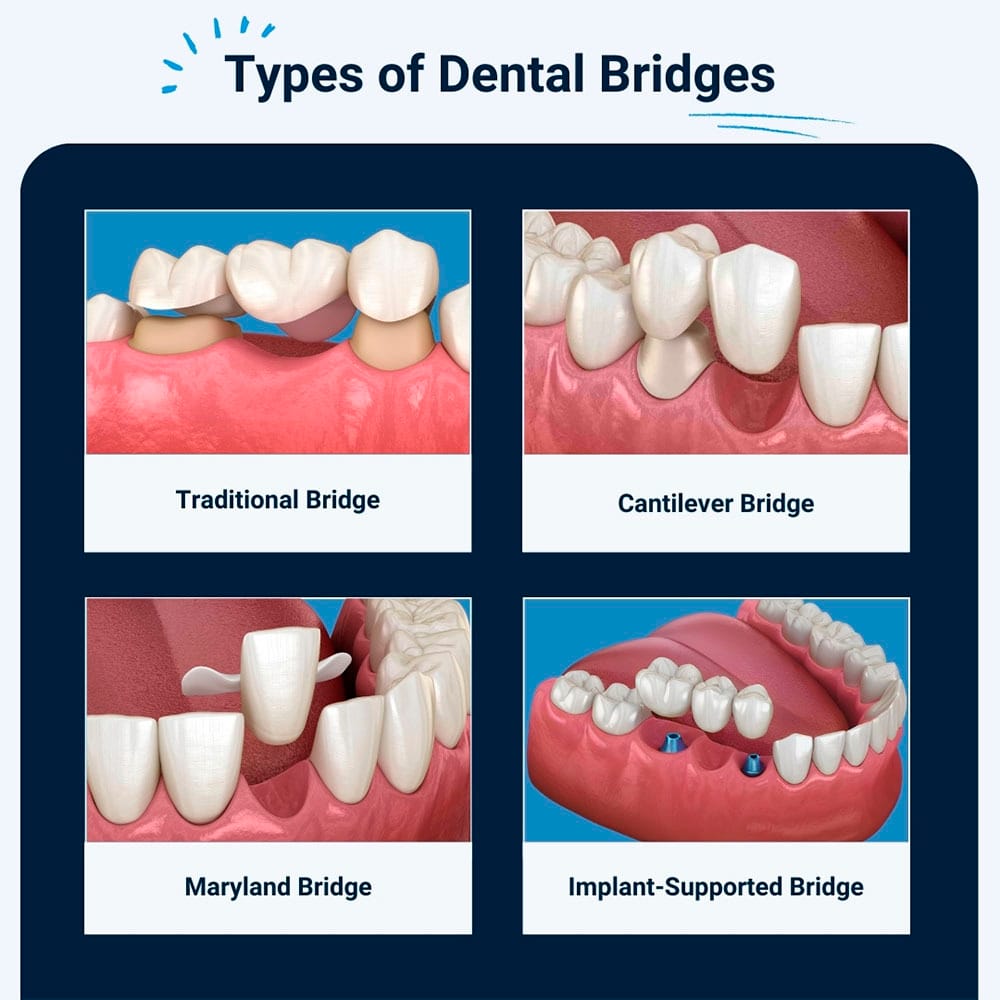
Fully Digital Workflows and Chairside Fabrication
The trend towards fully digital workflows will continue, with more advanced chairside fabrication technologies becoming accessible. This means that in some cases, a patient could potentially have a dental bridge designed and fabricated within a single dental visit.
Advanced Intraoral Scanners and Milling Units: The sophistication of intraoral scanners will continue to increase, capturing even more detailed and accurate data. Similarly, compact yet powerful milling units will become more prevalent in dental offices, allowing for same-day fabrication of high-quality ceramic bridges. The “look” of this accelerated process will be one of efficiency and immediate restoration of function and aesthetics.
Integration with Dental Management Software: Seamless integration of CAD/CAM systems with dental practice management software will streamline the entire process, from initial consultation to final placement. This interconnectedness ensures a smooth and efficient patient journey, enhancing the overall experience and the final aesthetic outcome.
In conclusion, the question “what does a bridge look like in dentistry” now encompasses a sophisticated interplay of advanced materials, digital design tools, and precision manufacturing technologies. From the lifelike translucency of all-ceramic restorations to the AI-driven optimization of future designs, the technological evolution of dental bridges is creating solutions that are not only functional and durable but also aesthetically indistinguishable from natural teeth, profoundly enhancing patient confidence and quality of life.
aViewFromTheCave is a participant in the Amazon Services LLC Associates Program, an affiliate advertising program designed to provide a means for sites to earn advertising fees by advertising and linking to Amazon.com. Amazon, the Amazon logo, AmazonSupply, and the AmazonSupply logo are trademarks of Amazon.com, Inc. or its affiliates. As an Amazon Associate we earn affiliate commissions from qualifying purchases.