
The world of fine wine is often shrouded in mystique, with Bordeaux standing as the undisputed titan of the industry. For the uninitiated, however, the term “Bordeaux” can be as intimidating as it is prestigious. To understand the flavor profile of this storied region, one must look past the labels and grasp the fundamental business of viticulture, the strategic positioning of its appellations, and the economic variables that dictate the market value of a vintage. When we examine Bordeaux through the lens of brand strategy and corporate identity, we begin to see that its taste is not merely a product of soil and climate, but a highly engineered expression of a centuries-old market dominance.
The Architecture of a Bordeaux Blend: A Case Study in Brand Consistency
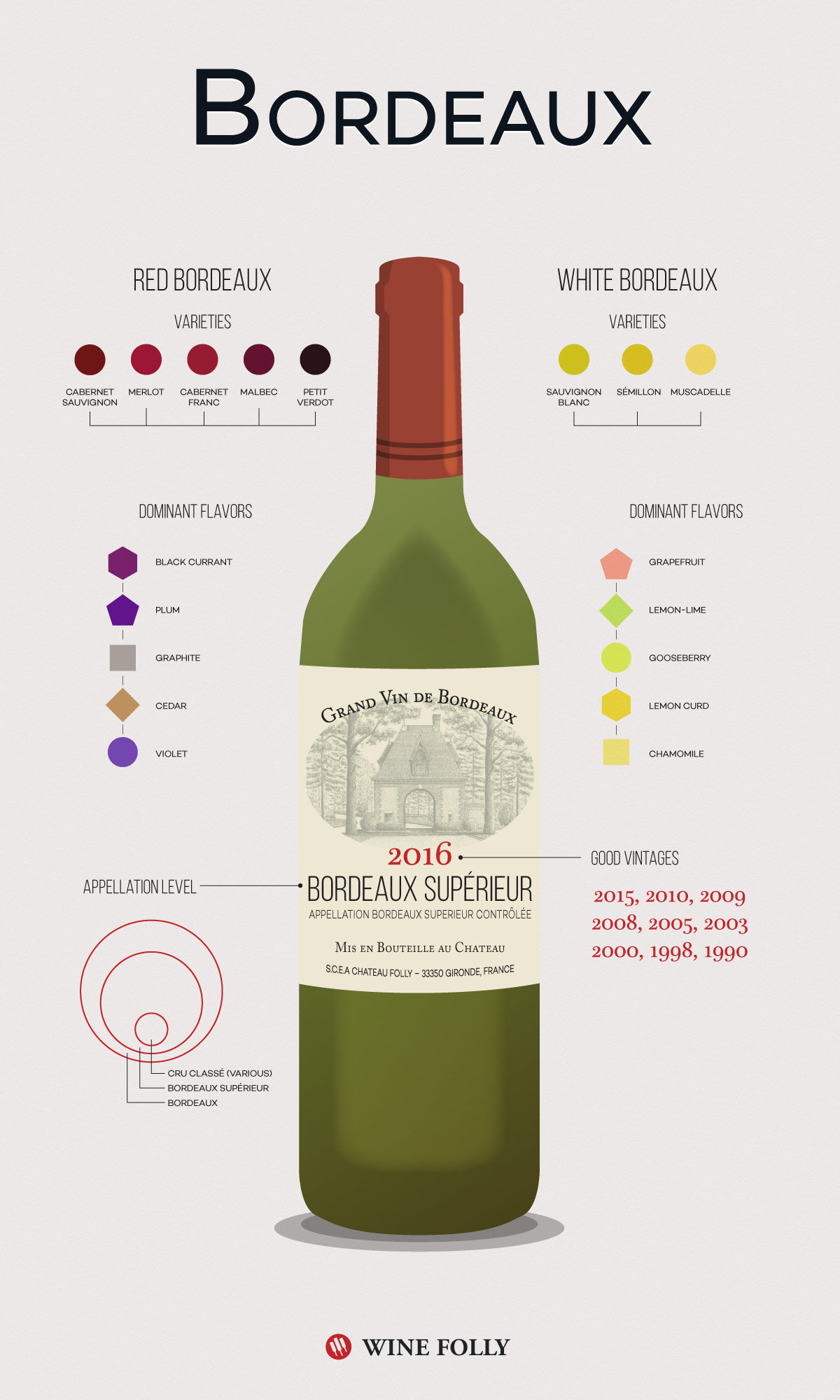
At its core, a Bordeaux wine is a blend. Unlike many New World wines that prioritize single-varietal purity—such as a Napa Valley Cabernet or an Oregon Pinot Noir—Bordeaux is defined by the strategic orchestration of grapes. This is the ultimate example of product diversification within a singular brand identity.
The Dominance of Cabernet Sauvignon and Merlot
The majority of Bordeaux wines rely on the interplay between Cabernet Sauvignon and Merlot. Cabernet Sauvignon provides the structure—the “corporate backbone” of the wine—offering firm tannins, high acidity, and notes of blackcurrant and cedar. Merlot, by contrast, acts as the softening agent, adding plushness, roundness, and a fruit-forward profile that makes the wine approachable.
From a brand strategy perspective, this blending process is designed to mitigate risk. By combining different grapes, producers ensure that the final product meets a specific, high-quality standard regardless of the environmental volatility of a given year. The “taste” of a Bordeaux is therefore a masterclass in risk management and consistency. When a consumer buys a bottle from a top-tier estate, they are not buying a gamble; they are buying an investment in a predictable, standardized sensory experience that the brand has spent centuries refining.
The Terroir-Driven Value Proposition
The term terroir refers to the environmental factors that affect a crop’s phenotype. In Bordeaux, terroir is the brand’s unique selling proposition. The distinction between the Left Bank (dominated by gravel soils, favoring Cabernet Sauvignon) and the Right Bank (dominated by clay and limestone, favoring Merlot) allows producers to segment their offerings. The consumer learns to associate the Left Bank with power, structure, and aging potential, and the Right Bank with elegance, aromatic complexity, and immediacy. This segmentation is a sophisticated marketing tactic, allowing the region to capture different segments of the luxury market while maintaining a cohesive umbrella brand.
The Sensory Profile: Decoding the Market Language of Flavor
When you pour a glass of Bordeaux, you are engaging with a narrative of luxury and heritage. The sensory experience is typically divided into three distinct phases, mirroring the structure of a professional pitch or a well-executed marketing campaign.
Primary Flavors: The Immediate Hook
The immediate impression of a Bordeaux is one of “dark fruit.” You will frequently encounter notes of blackberry, black cherry, and plum. For younger wines, these primary flavors are vibrant and aggressive, acting as the “hook” that grabs the consumer’s attention. In marketing terms, this is the brand awareness phase—clear, bold, and unmistakable.

Secondary and Tertiary Notes: The Depth of Brand Heritage
As the wine breathes, it begins to reveal its complexity. These are the secondary and tertiary flavors: cedar, tobacco, graphite, violet, and dried herbs. These notes are the result of careful oak aging and time spent in the cellar. In a corporate context, these flavors represent the brand’s history. They signal prestige, gravitas, and the passage of time. A wine that lacks these secondary characteristics is often viewed as “commodity” wine; a wine that possesses them in abundance is a “luxury asset.” The presence of cedar or tobacco indicates that the product has undergone the necessary maturation to justify a premium price point.
Texture and Tannin: The Structural Integrity
The “mouthfeel” of a Bordeaux is dictated by its tannins. High-quality Bordeaux is characterized by “silky” or “fine-grained” tannins. These are the result of meticulous vineyard management and precise extraction during the winemaking process. If the tannins are harsh, the brand fails its quality control standards. If they are well-integrated, they provide a smooth, long-lasting finish that reinforces the consumer’s perception of the wine’s quality.
Strategic Aging: Turning Inventory into High-Value Assets
One of the most defining characteristics of the Bordeaux taste profile is how it changes over time. Unlike many consumer goods that depreciate the moment they leave the shelf, a fine Bordeaux is designed to appreciate in both complexity and prestige.
The Life Cycle of a Vintage
When a Bordeaux is young, it is often described as “closed” or “tight.” The tannins are dominant, and the flavors are not yet harmonized. From a branding perspective, this is the “incubation period.” Investors and collectors understand that the current sensory profile is an incomplete representation of the product’s final potential. This is a brilliant strategic maneuver: by creating a product that requires patience, producers cultivate a dedicated base of collectors who view wine as a long-term asset rather than a consumable good.
The Maturity Curve
As the wine reaches its maturity—often a decade or more after bottling—the harsh edges soften, and the flavors integrate into a seamless whole. The fruit transitions from fresh to dried, and the tertiary notes of forest floor, truffle, and leather become more prominent. The taste is now one of refined, established power. This evolution is the hallmark of a legacy brand. It proves that the product has the “structural integrity” to survive time, which is perhaps the most important marker of value in the world of luxury goods.
The Impact of Market Perception on the Palate
It is a psychological reality that our perception of taste is heavily influenced by branding. The “Bordeaux effect” is a documented phenomenon where the knowledge of a wine’s origin, pedigree, and price point alters the actual sensory experience.
Brand Equity and Consumer Perception
When a consumer tastes a wine labeled as a “Grand Cru Classé,” their brain is already primed for an experience of superior quality. The history of the chateau, the classification system established in 1855, and the scarcity of the product all coalesce to heighten the sensory input. A wine that might be dismissed as “austere” in a blind tasting is often elevated to “sophisticated” once the label is revealed. This is the power of a strong corporate identity. The branding of Bordeaux is so effective that it transcends the liquid in the glass, embedding itself into the consumer’s expectations and influencing their neural response to flavor.

The Future of the Bordeaux Identity
As the global wine market becomes more crowded, Bordeaux is facing new challenges in maintaining its brand relevance. There is a constant push-pull between traditionalism—the adherence to time-honored techniques—and the need to appeal to a younger, more global demographic. However, the taste of Bordeaux remains firmly rooted in the idea of “Classic Excellence.” Whether it is a mass-marketed bottle from the Entre-Deux-Mers or a legendary First Growth from Pauillac, the underlying strategy is the same: to deliver a product defined by structural balance, sophisticated aging, and an unmistakable identity of prestige.
In conclusion, understanding what a Bordeaux tastes like requires moving beyond the palate and into the boardroom of history. It is a flavor profile built on the pillars of strategic blending, careful terroir management, and a long-term investment philosophy. Every sip is an engagement with a brand that has successfully positioned itself as the gold standard of the wine industry, proving that in the world of luxury, the most important ingredients are often the ones you cannot see: reputation, history, and the relentless pursuit of consistent quality.
aViewFromTheCave is a participant in the Amazon Services LLC Associates Program, an affiliate advertising program designed to provide a means for sites to earn advertising fees by advertising and linking to Amazon.com. Amazon, the Amazon logo, AmazonSupply, and the AmazonSupply logo are trademarks of Amazon.com, Inc. or its affiliates. As an Amazon Associate we earn affiliate commissions from qualifying purchases.