
Bone stimulators represent a sophisticated intersection of medical engineering and therapeutic technology. Designed to accelerate the natural healing process of fractures or spinal fusions, these devices utilize electromagnetic fields or low-intensity ultrasound waves to stimulate osteogenesis. For patients navigating the recovery process, understanding the physical hardware is essential for compliance and ease of use. While their primary function is biological, their design is distinctly technological, mimicking the ergonomics of wearable gadgets and portable diagnostic equipment.
The Anatomy of Electromagnetic Bone Growth Stimulators
Electromagnetic bone growth stimulators are the most common form of these devices, often prescribed for non-union fractures—breaks that fail to heal on their own. They operate by generating a low-level pulsed electromagnetic field (PEMF) at the fracture site.
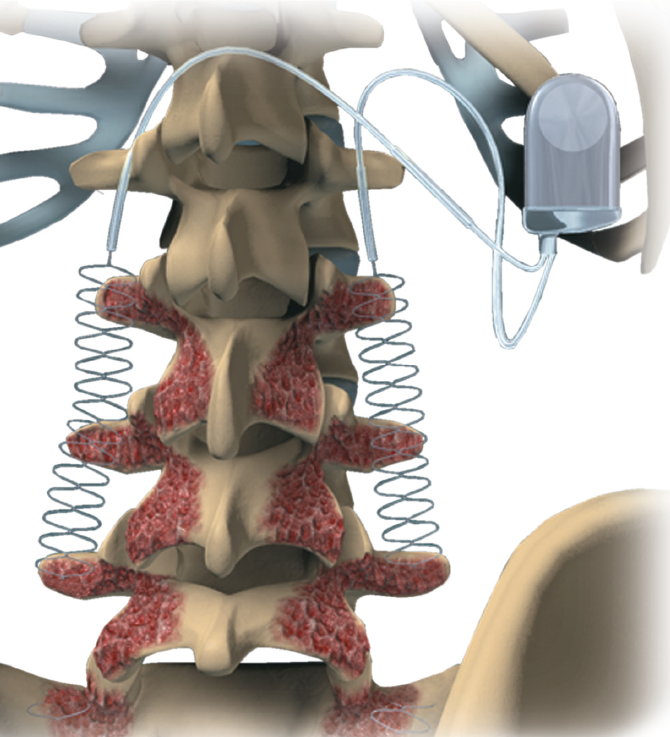
External Wearable Units
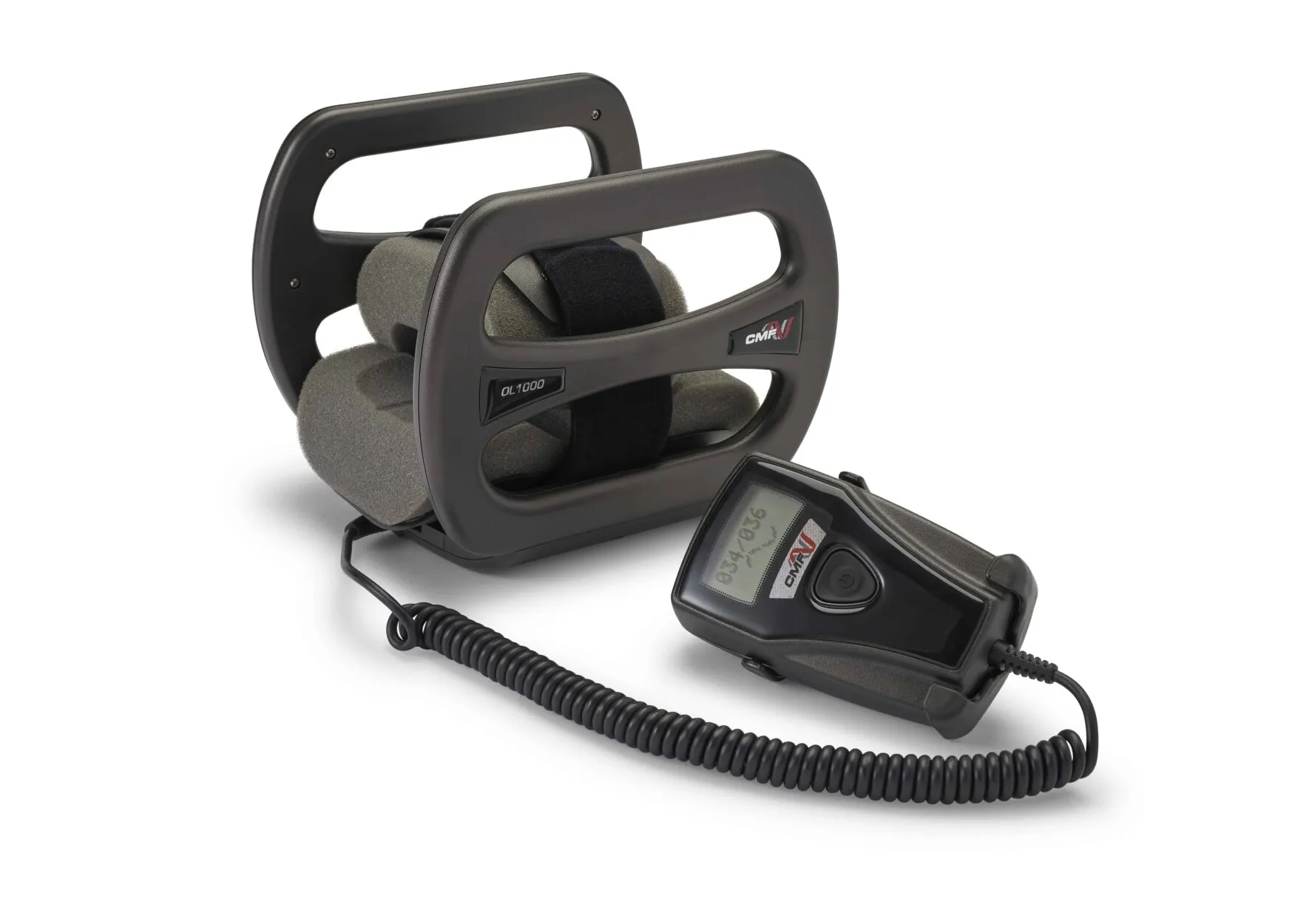
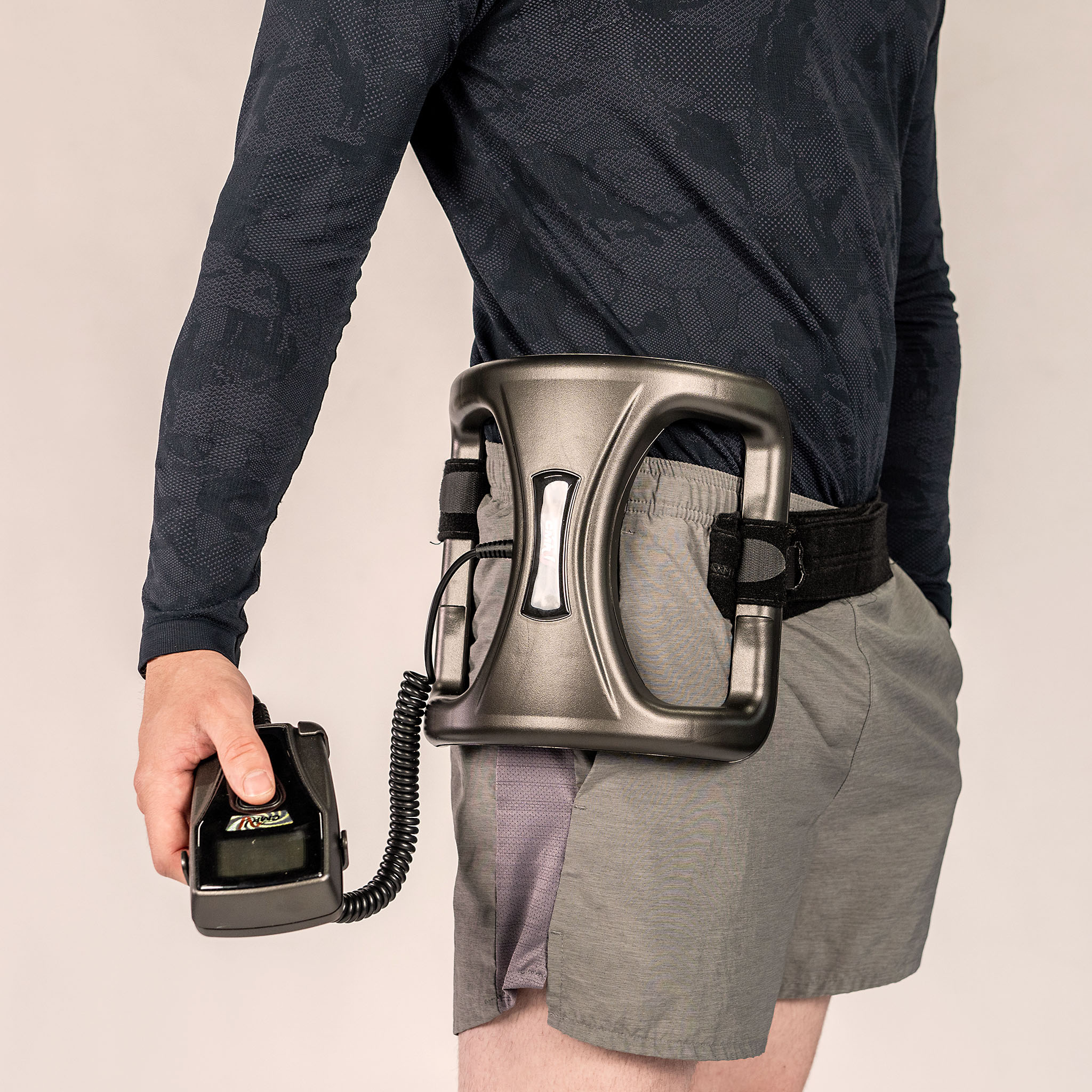
The physical appearance of an external bone stimulator is designed for integration into a patient’s daily routine. Most models consist of a central processing unit (CPU) connected to a treatment coil or transducer. The control module is typically a sleek, lightweight plastic housing roughly the size of a smartphone. It features a digital display that tracks treatment time, battery life, and compliance metrics.
The treatment coil is the component that interacts with the body. Depending on the location of the injury, these coils are often housed within a rigid or semi-rigid plastic casing that can be strapped to a limb. For a fractured tibia, for instance, the device looks like a brace with a circular or rectangular housing that fits securely around the lower leg, held in place by Velcro-style adjustable straps. The aesthetic is utilitarian, resembling modern athletic bracing or sports medicine equipment rather than clinical hospital machinery.
Integrated Control Interfaces
Modern stimulators prioritize user experience, incorporating intuitive interfaces. The controls are generally minimalist, featuring a power button, an “active” indicator light, and a status screen. The data storage capabilities are a key technological feature; the device tracks every second of usage to ensure the patient is meeting the daily duration requirements set by their orthopedic surgeon. From a tech perspective, these devices function much like wearable activity trackers, recording biological data points—in this case, “dose” delivery—that the physician can retrieve later.
Ultrasonic Stimulators: Portable Precision Hardware
Ultrasonic bone stimulators utilize low-intensity pulsed ultrasound (LIPUS) to create micro-vibrations that promote bone tissue regeneration. Because ultrasound requires consistent contact with the skin, the physical design of these devices differs significantly from their electromagnetic counterparts.
The Transducer and Coupling Gel
An ultrasonic bone stimulator looks remarkably similar to a handheld digital thermometer or a small handheld gaming device. The main unit is a compact, battery-operated handheld controller. Attached to this by a flexible cord is the transducer head—a small, flat, circular or rectangular component that the user holds against the skin directly over the fracture site.
The transducer face is usually made of a smooth, durable polymer designed to be used in conjunction with a conductive ultrasound gel. This setup requires the user to apply a dollop of gel to the skin, place the transducer on the site, and hold it in place for the duration of the treatment, which is usually about 20 minutes a day. The portability of this tech is a primary design goal; it is lightweight enough to be carried in a purse or a small bag, allowing patients to administer their “dose” of ultrasonic waves anywhere, from an office cubicle to an airplane seat.
Feedback Systems and Haptic Alerts
Beyond the physical shell, the “tech” of an ultrasonic stimulator is evident in its feedback loops. These devices are equipped with sensors that detect if the transducer has proper contact with the skin. If the coupling is broken—meaning the device isn’t positioned correctly to transmit waves through the tissue—the unit will emit an audible beep or display a warning icon on the LCD screen. This real-time feedback is a hallmark of current medical hardware design, ensuring that even a non-medical professional can achieve the precision required for effective treatment.
Design Considerations for Patient Compliance
The efficacy of bone stimulator technology is entirely dependent on user compliance. If the device is bulky, uncomfortable, or overly complex to operate, patients are less likely to use it as prescribed. Consequently, manufacturers have prioritized human-factors engineering to ensure the hardware is as unobtrusive as possible.
Ergonomics and Wearability
Weight distribution is a primary concern for engineers designing these devices. For units meant to be worn for several hours a day, the weight must be balanced to prevent muscle fatigue or skin irritation. Modern stimulators use lightweight lithium-ion batteries, which keep the overall weight of the wearable components to a minimum.
Materials have also evolved; modern devices utilize hypoallergenic, breathable fabrics for the straps and medical-grade plastics for the outer shells. The goal is to make the device feel like a piece of high-end sports gear rather than a medical appliance. Many manufacturers have even moved toward modular designs, where the controller can be detached from the coil, allowing the patient to remain mobile while the battery charges or while they transition between sitting and standing.
Digital Connectivity and Compliance Tracking
The latest generation of bone stimulators incorporates wireless connectivity. While the devices look like standard medical hardware, internal firmware allows for advanced data logging. Some units can communicate via Bluetooth to a smartphone application. This software ecosystem allows the patient to monitor their healing progress visually on a dashboard, while the doctor receives automated reports on the patient’s compliance.
From a technological standpoint, this turns a passive medical device into an active part of a digital health network. The screen on the device might be small, but the backend architecture is substantial, utilizing encryption and secure data transfer protocols to ensure that the patient’s treatment history remains private while being accessible to the care team.
Future Trends in Bone Stimulation Technology
As we look at the evolution of these gadgets, the trajectory is clearly toward further miniaturization and increased integration with smart devices. The next wave of bone stimulators is likely to feature “smart patches”—flexible, adhesive circuits that stick directly to the skin, eliminating the need for bulky straps and wires altogether.
Flexible Electronics and Thin-Film Tech
Current hardware still relies on rigid components for the CPU and battery, but advancements in flexible electronics are set to change the silhouette of bone stimulators. By using thin-film batteries and printed circuit boards that can bend with the contours of the body, these devices will become nearly invisible under clothing. The stimulator of the future will look like a discreet patch, worn continuously, and controlled entirely via a smartphone app.
Improved Power Management
Energy efficiency is another area of focus. Current stimulators require frequent charging, which can be a nuisance for long-term recovery plans. Engineers are exploring energy-harvesting technologies and high-density power cells that will extend the operational time of these devices significantly. As the hardware becomes more efficient, the size of the control unit will continue to shrink, further blurring the line between medical intervention and everyday wearable technology.
In summary, a bone stimulator is a specialized piece of diagnostic-adjacent hardware that has been refined for ease of use and long-term compliance. Whether it is an electromagnetic system with a structured brace or a portable ultrasonic unit, these devices prioritize portability, user feedback, and data logging. For the patient, understanding that these tools are essentially sophisticated, specialized pieces of electronic equipment helps clarify how to maintain them, how to monitor their performance, and how they function as a vital component of the modern orthopedic toolkit.
aViewFromTheCave is a participant in the Amazon Services LLC Associates Program, an affiliate advertising program designed to provide a means for sites to earn advertising fees by advertising and linking to Amazon.com. Amazon, the Amazon logo, AmazonSupply, and the AmazonSupply logo are trademarks of Amazon.com, Inc. or its affiliates. As an Amazon Associate we earn affiliate commissions from qualifying purchases.