
The term “bone graft” conjures images of surgery and medical procedures, but the visual reality of a bone graft, and indeed the technology behind its creation and application, is a fascinating intersection of biology and advanced engineering. While the immediate thought might be of a biological tissue, understanding what a bone graft “looks like” in the modern medical landscape necessitates exploring the materials, processes, and even the digital representations involved. This article delves into the visual and technological aspects of bone grafts, moving beyond the purely biological to appreciate the innovations that enable these life-changing procedures.

The Diverse Forms of Bone Graft Materials
Bone grafts are not a monolithic entity; their appearance and composition vary significantly depending on their origin and purpose. Understanding this diversity is crucial to appreciating their functionality and the technological sophistication employed in their development.
Autografts: The Body’s Own Material
When we consider the most “natural” bone graft, we are referring to an autograft. This is bone harvested directly from the patient’s own body. The appearance of an autograft is precisely like that of healthy bone. If it’s cortical bone (the dense outer layer), it will appear dense, white, and solid. Cancellous bone (the spongy, inner layer) will have a more porous, trabecular structure, resembling a honeycomb. The size and shape are dictated by the surgical need and the donor site, which could be the hip (iliac crest), leg (tibia), or rib.
Technologically, the “look” of an autograft is straightforwardly biological. However, the surgical techniques used to harvest and shape it involve sophisticated instruments and imaging. Pre-operative planning often utilizes 3D imaging software, allowing surgeons to visualize the defect and precisely plan the harvest site, ensuring the optimal shape and volume of bone are obtained. This digital planning translates directly to the physical graft, albeit through the surgeon’s hands and specialized tools. The technology here lies in the precision surgical instrumentation and advanced imaging modalities that guide the procurement of this biological material.
Allografts: Donor Bone with Modified Aesthetics
Allografts are derived from a deceased donor, processed and sterilized before use. Visually, allografts can appear very similar to autografts, depending on the processing method. Cortical allografts will be dense and white, while cancellous allografts will exhibit their characteristic porous structure. However, processing often involves decellularization, where the donor cells are removed to minimize immune rejection. This can sometimes subtly alter the visual texture or color compared to fresh bone.
The technology behind allografts is extensive and focuses on safety and efficacy. This involves advanced sterilization techniques such as gamma irradiation or ethylene oxide treatment, which, while crucial for safety, can sometimes cause minor discoloration or changes in the mechanical properties, affecting the visual integrity. Furthermore, demineralization processes can be employed to create demineralized bone matrix (DBM). DBM appears as a putty, paste, or gel, a stark visual contrast to solid bone. This transformation is achieved through sophisticated chemical processing, demonstrating how technology alters the fundamental “look” of bone graft material to create different functional forms.
Xenografts: Animal-Derived Materials
Xenografts are sourced from animals, most commonly cattle. These grafts undergo rigorous processing to remove animal cells and proteins, rendering them biocompatible for human use. Visually, a processed xenograft often resembles a white or off-white, porous ceramic-like material. While it aims to mimic the structural integrity of bone, its inherent composition differs, leading to a distinct, often more uniform, appearance than natural bone.
The technology here is rooted in biomaterial engineering and chemical processing. Creating xenografts involves decellularization and mineralization techniques to create a scaffold that the body can then remodel with its own bone. The resulting material might be a rigid block, a granular powder, or a flexible putty, each with a unique visual characteristic dictated by the manufacturing process. The goal is to achieve a look that is structurally similar to bone at a macroscopic level, but the underlying materials science is complex and technologically driven.
Synthetics: Engineered Biomaterials
Synthetic bone graft materials represent the pinnacle of technological innovation in this field. These are not derived from biological sources but are entirely engineered from materials like ceramics (e.g., hydroxyapatite, tricalcium phosphate) or biocompatible polymers. The appearance of synthetic grafts is highly variable, designed to match the specific needs of the defect. They can look like white, granular powders, solid porous blocks, or even injectable pastes. Some advanced synthetics incorporate intricate micro-architectures, visible only under magnification, designed to optimize cell infiltration and bone regeneration.
The “look” of synthetic grafts is a direct manifestation of advanced materials science and additive manufacturing. Technologies like 3D printing (additive manufacturing) allow for the creation of patient-specific scaffolds with precise porosity and geometric complexity. These scaffolds can be designed to perfectly match the shape of a bone defect, offering a visual “puzzle piece” that integrates seamlessly. The visual appeal, in this context, is about engineered precision and the ability to create forms that are both aesthetically pleasing from a design perspective and functionally superior from a biological standpoint.
The Visual Representation of Bone Graft Integration
Beyond the initial appearance of the graft material itself, understanding “what does a bone graft look like” also involves its integration into the patient’s body. This is where imaging technologies play a crucial role, providing visual evidence of the healing process.
Pre-operative Planning: Digital Models and Simulations
Before surgery, the “look” of a bone graft can be visualized through sophisticated digital tools. 3D modeling software can create detailed representations of the bone defect and the planned graft. This allows surgeons to virtually trial different graft materials and shapes, assessing how they will fit and what the final outcome might look like. Computer-aided design (CAD) and computer-aided manufacturing (CAM) are integral here, especially when custom-designed synthetic grafts or patient-specific surgical guides are being utilized. These digital renderings offer an unprecedented look at the intended result, enhancing predictability and minimizing surprises.
Virtual reality (VR) and augmented reality (AR) are emerging technologies that further enhance this pre-operative visualization. Surgeons can immerse themselves in a virtual reconstruction of the patient’s anatomy, manipulating 3D models of the graft in relation to the defect. AR overlays digital graft models onto the patient’s body during the planning phase, providing an immediate visual understanding of placement and fit. This technology transforms abstract surgical plans into tangible, visually comprehensible representations, allowing for a detailed assessment of the graft’s appearance within the intended surgical site.

Intra-operative Visualization: Real-time Guidance
During surgery, various technologies provide real-time visual feedback on the graft’s placement and the surgical progress. Fluoroscopy, a type of real-time X-ray, allows surgeons to see the graft in place during the procedure, ensuring accurate positioning. Navigation systems, often incorporating optical tracking or electromagnetic tracking, display the position of surgical instruments and the graft on a 2D or 3D screen in real-time. This technology provides a dynamic visual representation of how the graft is being manipulated and integrated into the surgical site.
For more complex procedures, intra-operative 3D imaging devices, such as mobile CT scanners or O-arms, can provide detailed cross-sectional views. These images allow surgeons to assess the fit of the graft, check for any gaps, and ensure optimal contact with the surrounding bone. The visual data from these devices can be integrated with pre-operative plans, offering a continuous feedback loop and allowing for immediate adjustments. This real-time visual guidance is critical in achieving the best possible outcome and ensuring the graft “looks” correct in its intended position before the surgery is completed.
Post-operative Assessment: Imaging and Regeneration
After surgery, the “look” of a bone graft is primarily assessed through imaging techniques that track the healing process and the integration of the graft. X-rays are the most common method, showing the radiodense graft material and, over time, the signs of new bone formation bridging the graft and the host bone. The initial X-ray will clearly depict the shape and placement of the graft material. As healing progresses, the graft may become less distinct as it is resorbed and replaced by new bone, a process that is visually tracked over months.
CT scans offer more detailed cross-sectional views, providing a clearer picture of the graft’s integration and the quality of new bone formation. This is particularly useful for assessing complex grafts or in areas where X-ray imaging is limited. MRI scans can provide information about the soft tissues surrounding the graft and can sometimes detect early signs of inflammation or infection, though they are less direct in visualizing bone formation itself. The technology here is in the ability of these imaging modalities to capture and present visual information about the biological processes of healing and integration, allowing medical professionals to “see” the success of the bone graft.
The Technological Evolution of Bone Graft Appearance
The evolution of bone graft technology has profoundly influenced how these materials are created, processed, and ultimately, how they “look.” This ongoing advancement is driven by a desire for improved efficacy, reduced invasiveness, and greater patient customization.
From Simple Harvest to Engineered Scaffolds
Historically, bone grafting was limited to autografts, where the “look” was dictated purely by the patient’s own anatomy. The advent of allografts introduced processed bone, and xenografts brought in animal sources, each with its own set of visual characteristics due to processing. However, the most dramatic shift in the “look” of bone grafts has been driven by the development of synthetic biomaterials and sophisticated manufacturing processes.
Nanotechnology is now playing a role in the design of synthetic grafts, allowing for the creation of materials with micro- and nano-architectures that mimic the natural structure of bone at a cellular level. These advanced materials can be designed to release growth factors or stem cells, further enhancing their integration and appearance of successful regeneration. The visual outcome is a graft that not only fills a defect but actively participates in biological repair, leading to a more seamless and robust integration.
The Role of Additive Manufacturing (3D Printing)
Perhaps the most transformative technology in shaping the “look” of bone grafts is additive manufacturing, or 3D printing. This technology allows for the creation of highly customized and complex scaffolds.
Patient-Specific Designs
Using CT or MRI data, a digital model of the bone defect can be created. This model then serves as a blueprint for a 3D printer to construct a graft with a perfect anatomical match. The resulting graft will have an intricate, often porous, structure designed to facilitate vascularization and bone cell ingrowth. Visually, these custom-printed grafts can appear remarkably like natural bone, but with a precision that is impossible to achieve with manual carving. The appearance is one of engineered perfection, tailored to the individual.
Controlled Porosity and Architecture
3D printing allows for precise control over the pore size, shape, and interconnectedness within the graft material. This is crucial because these features dictate how cells can migrate into the graft and how new blood vessels can form. A well-designed porous structure will look different from a solid block, but this visual difference directly correlates to improved biological function. The technology enables the creation of a scaffold that not only looks appropriate for its intended location but is also designed for optimal biological performance, leading to a more predictable and aesthetically superior healing outcome.
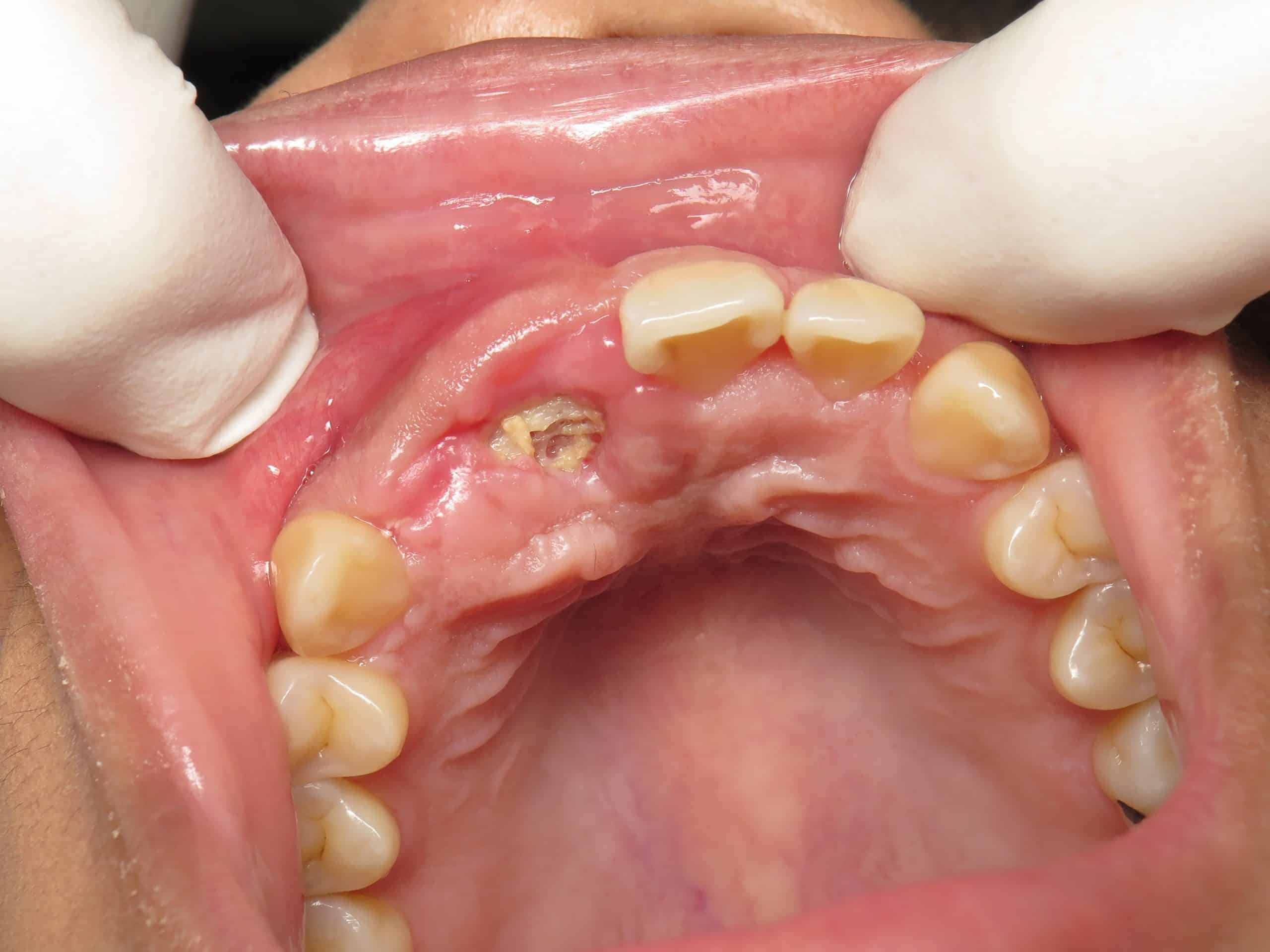
The Future: Biodegradable and Smart Grafts
The future of bone graft technology promises even more advanced “looks” and functionalities. Biodegradable synthetic grafts are being developed that gradually dissolve as new bone forms, eventually disappearing entirely and leaving only the patient’s own regenerated bone. These grafts might initially appear as a recognizable scaffold but will progressively become less distinct over time, a visual testament to successful integration and resorption.
Furthermore, “smart” bone grafts are on the horizon. These grafts could incorporate embedded sensors or drug-delivery systems that respond to the biological environment. Their appearance might evolve in response to healing signals, potentially changing color or texture as regeneration progresses. The visual manifestation of these future grafts will be dynamic, reflecting a sophisticated interplay between engineered materials and biological processes, pushing the boundaries of what we can visually expect from bone grafting.
In conclusion, the question of “what does a bone graft look like” opens a window into a world of technological innovation. From the raw biological appearance of autografts to the precisely engineered structures of 3D-printed synthetics and the dynamic potential of future smart grafts, the visual aspect of bone grafts is inextricably linked to the sophisticated technologies that create, shape, and guide their integration within the human body. The continuous advancement in this field promises even more visually compelling and functionally superior solutions for bone repair and regeneration.
aViewFromTheCave is a participant in the Amazon Services LLC Associates Program, an affiliate advertising program designed to provide a means for sites to earn advertising fees by advertising and linking to Amazon.com. Amazon, the Amazon logo, AmazonSupply, and the AmazonSupply logo are trademarks of Amazon.com, Inc. or its affiliates. As an Amazon Associate we earn affiliate commissions from qualifying purchases.