
The iconic blue and white roundel adorning the front of a BMW is instantly recognizable, a symbol of German engineering, performance, and luxury. But what does the acronym BMW actually represent? Delving into the origins of this automotive titan reveals a narrative far richer than a simple initialism. It’s a story deeply intertwined with the evolution of aviation, a pivot born of necessity, and a steadfast commitment to the principles that have shaped its enduring brand identity. To truly understand what BMW stands for, we must journey back to its inception and trace the threads of innovation, ambition, and strategic adaptation that have cemented its place in the pantheon of global brands.
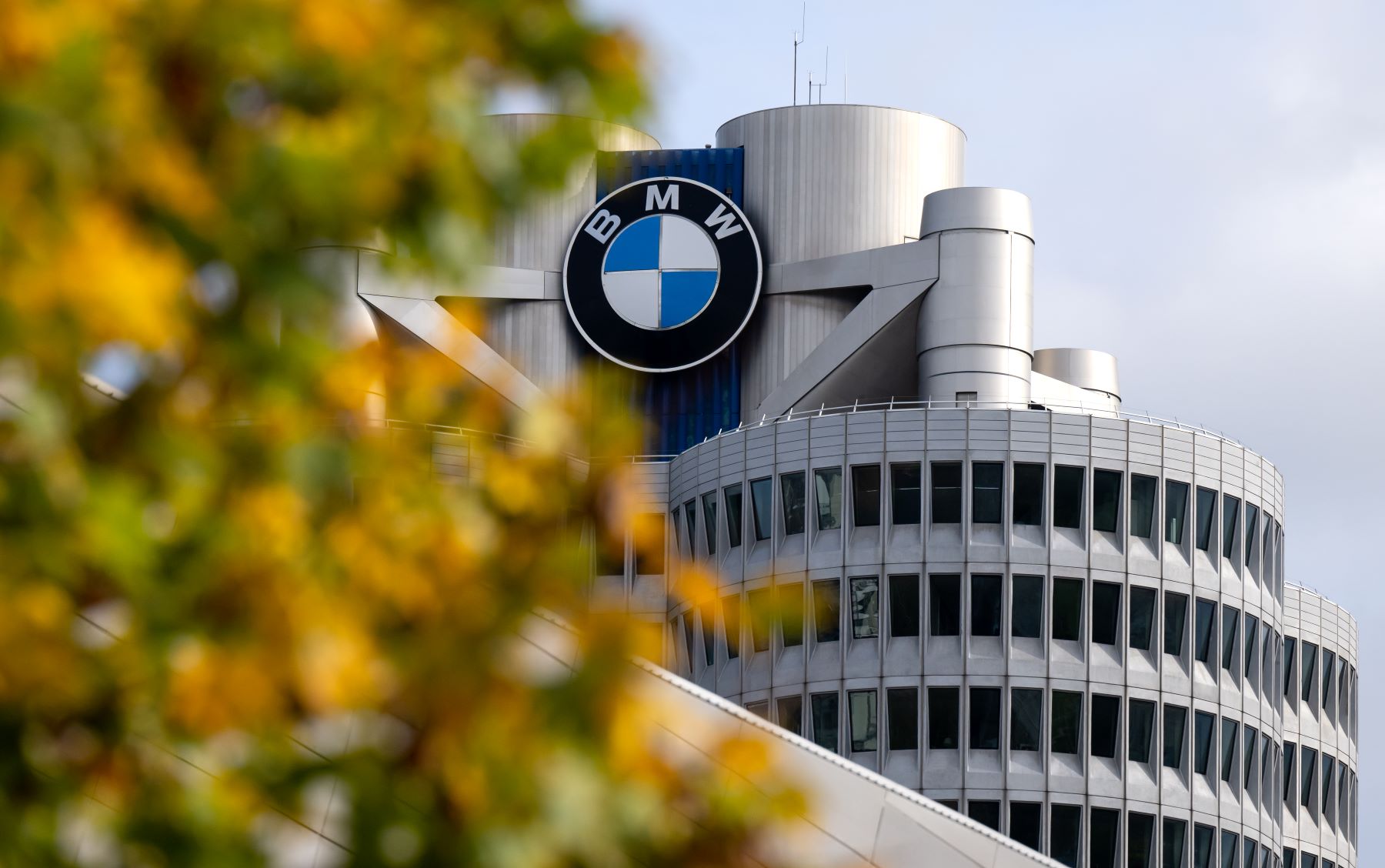
BMW, as we know it today, is an acronym for Bayerische Motoren Werke AG. While seemingly straightforward, each word in this German phrase carries significant weight and speaks volumes about the company’s roots and its foundational philosophy. Understanding this literal meaning is merely the first step; the true essence of what BMW stands for lies in the strategic decisions, design philosophies, and marketing prowess that have consistently reinforced its brand image over more than a century.
The Genesis: From Bavarian Air to Automotive Ambition
The story of BMW is inextricably linked to the skies. Its inception was not in the realm of automobiles, but in the pioneering days of aviation. This initial focus profoundly influenced the company’s early engineering principles and set a precedent for its pursuit of precision and performance.
Humble Beginnings: Rapp Motorenwerke and the Birth of BMW
The genesis of BMW can be traced back to the early 20th century, a period of rapid technological advancement, particularly in aeronautics. In 1913, Karl Rapp founded Rapp Motorenwerke, an aircraft engine manufacturer based in Munich, Bavaria. This company would become a crucial precursor to BMW. The burgeoning demand for aircraft engines during World War I propelled Rapp Motorenwerke’s growth.
A pivotal moment arrived in 1917 when Rapp Motorenwerke underwent a significant restructuring and was renamed Bayerische Motoren Werke GmbH. The “Bayerische” (Bavarian) in the name signifies its geographical origin, proudly rooted in the southern German state. “Motoren Werke” translates directly to “Engine Works,” underscoring its primary focus at the time. The establishment of BMW GmbH marked the official birth of the entity that would eventually become a global automotive powerhouse.
The Iconic Roundel: A Symbol of Flight and Bavarian Pride
The distinctive BMW logo, the blue and white roundel, is itself a symbol steeped in history and often subject to interpretation. While many mistakenly believe it represents a spinning propeller against a blue sky, this is largely a modern myth. The actual inspiration for the logo draws directly from the coat of arms of Bavaria, the Free State of Bavaria. The checkered pattern within the roundel reflects the historical Bavarian flag. The blue and white colors are also derived from the Bavarian state colors.
However, the connection to aviation cannot be entirely dismissed. During World War I, BMW was a major producer of aircraft engines. Their engines were known for their reliability and performance. The company strategically adopted a logo that evoked a sense of precision, engineering excellence, and a connection to the skies, indirectly referencing their significant contributions to aviation. This early association with flight instilled a culture of pushing boundaries and striving for aerodynamic efficiency, principles that would later translate remarkably well to the automotive world.
The Strategic Pivot: Navigating Post-War Realities and Embracing the Automobile
The end of World War I brought about a seismic shift for BMW. The Treaty of Versailles imposed strict limitations on Germany’s aviation industry, effectively crippling BMW’s core business. This period of uncertainty forced the company to make a bold and ultimately transformative strategic pivot.
From Aircraft Engines to Motorcycles: A Necessary Diversification
With its aviation ambitions grounded, BMW faced an existential crisis. The company had to find new avenues for its engineering expertise. The solution came in the form of motorcycles. In 1923, BMW introduced its first motorcycle, the R32, a groundbreaking machine that immediately set new standards for engineering and design in the two-wheeled world. The R32, with its horizontally opposed twin-cylinder engine and shaft drive, was a testament to BMW’s ability to adapt and innovate.
This diversification was not just about survival; it was a shrewd strategic move that allowed BMW to leverage its existing mechanical knowledge and manufacturing capabilities. The success of its motorcycles provided a crucial foundation and financial stability, paving the way for its eventual entry into the automotive sector. This early experience in designing and building complex machinery instilled a deep understanding of performance, durability, and rider experience, all of which would be invaluable in their future endeavors.

The Dawn of the Automobile: A New Chapter Begins
The true automotive chapter for BMW began in 1928 when the company acquired the Dixi automobile factory. This acquisition marked BMW’s entry into the four-wheeled automotive market. The first car to bear the BMW name was the BMW 3/15, a licensed version of the British Austin 7. While not an entirely original design, it allowed BMW to gain invaluable experience in automotive manufacturing, assembly, and sales.
This period was characterized by a learning curve and a commitment to imbuing even licensed designs with BMW’s signature quality. The company quickly began developing its own proprietary automotive models, focusing on a blend of performance, comfort, and sophisticated engineering. This transition from aircraft engines to motorcycles and then to automobiles demonstrates a remarkable strategic agility and a deep-seated belief in the power of engineering to solve challenges and create desirable products.
The Modern BMW: Brand Pillars of “Sheer Driving Pleasure” and Innovation
Today, BMW is synonymous with a specific brand promise that resonates globally. This promise is not merely aspirational; it’s built upon a foundation of consistent engineering excellence, a forward-thinking design philosophy, and a strategic approach to marketing that has cultivated an aspirational and loyal customer base.
“Sheer Driving Pleasure”: The Core Brand Promise
The unofficial but universally recognized tagline, “The Ultimate Driving Machine,” and its more recent evolution, “Sheer Driving Pleasure,” encapsulates the essence of the BMW brand. This is not just a marketing slogan; it’s a deeply ingrained philosophy that permeates every aspect of the company’s product development. BMW vehicles are engineered to deliver an engaging and exhilarating driving experience. This commitment manifests in several key areas:
- Performance Engineering: BMW’s legendary inline-six engines, renowned for their smooth power delivery and responsive nature, are a hallmark of this dedication. This pursuit of performance extends to chassis tuning, suspension systems, and braking technology, all designed to work in harmony for an optimal driving dynamic.
- Driver-Centric Design: The interior of a BMW is meticulously crafted with the driver in mind. Ergonomic layouts, intuitive controls, and high-quality materials create an environment that enhances the connection between the driver and the machine.
- Handling and Agility: BMWs are known for their precise steering, balanced weight distribution, and responsive handling, making them a joy to drive on both winding roads and everyday commutes. This focus on the pure act of driving is what differentiates BMW in a crowded automotive landscape.
Innovation as a Brand Driver: Embracing the Future
Beyond the traditional metrics of performance, BMW stands for a relentless pursuit of innovation. The company has consistently been at the forefront of technological advancements in the automotive industry, demonstrating a forward-looking approach that ensures its continued relevance and leadership.
- Powertrain Technology: From pioneering advanced internal combustion engines to leading the charge in hybrid and electric vehicle technology, BMW has always sought to optimize efficiency and performance. The introduction of the “i” sub-brand for electric vehicles, with models like the i3 and i4, signals a strong commitment to sustainable mobility without compromising the brand’s core driving ethos.
- Digital Integration and Connectivity: In the modern era, what a car “stands for” increasingly includes its digital capabilities. BMW has embraced this by integrating advanced infotainment systems, driver-assistance technologies, and seamless connectivity options. These features are designed to enhance convenience, safety, and the overall ownership experience.
- Sustainable Mobility: As the automotive industry navigates the transition towards sustainability, BMW is actively investing in research and development for alternative fuels, lightweight materials, and more efficient manufacturing processes. This commitment to environmental responsibility is becoming an increasingly critical component of its brand identity.
Design Language: A Consistent Evolution of Athleticism
The design of a BMW is another crucial element of its brand identity. While evolving over the decades, BMW cars maintain a distinct aesthetic characterized by athletic proportions, a dynamic silhouette, and signature design cues.
- The Kidney Grille: This iconic design element, a dual-grille feature, has been a consistent identifier of BMW vehicles for decades. While its size and interpretation have evolved, it remains a powerful visual anchor that instantly signals “BMW.”
- Hofmeister Kink: The distinctive upward bend at the base of the C-pillar, named after former BMW chief designer Wilhelm Hofmeister, is another subtle yet instantly recognizable design trait that contributes to the brand’s visual DNA.
- Proportion and Stance: BMWs are typically designed with a focus on balanced proportions, a sporty stance, and clean, flowing lines. This visual language communicates dynamism, performance, and a premium feel.

Conclusion: BMW – A Brand Defined by Performance, Progress, and Purpose
Ultimately, “BMW” stands for far more than the literal translation of its German name. It represents a meticulously cultivated brand identity built on over a century of engineering prowess, strategic adaptability, and an unwavering commitment to the driving experience. From its aerial roots to its current position as a global leader in premium mobility, BMW has consistently demonstrated an ability to innovate, to anticipate market shifts, and to deliver products that embody both performance and desirability.
The “Bayerische Motoren Werke AG” identity is a powerful testament to how a company’s origins and foundational principles can shape its enduring legacy. The brand’s commitment to “Sheer Driving Pleasure” is not just a marketing campaign; it’s a promise delivered through meticulous engineering, driver-centric design, and a continuous quest for automotive excellence. In an ever-evolving automotive landscape, what BMW stands for is a compelling narrative of tradition meeting innovation, a brand that continues to define what it means to truly connect with the road, and a vision for the future of mobility that is both dynamic and responsible. The iconic roundel, therefore, is not just a symbol of a car; it is a badge of honor, representing a legacy of passion, precision, and the enduring pursuit of driving perfection.
aViewFromTheCave is a participant in the Amazon Services LLC Associates Program, an affiliate advertising program designed to provide a means for sites to earn advertising fees by advertising and linking to Amazon.com. Amazon, the Amazon logo, AmazonSupply, and the AmazonSupply logo are trademarks of Amazon.com, Inc. or its affiliates. As an Amazon Associate we earn affiliate commissions from qualifying purchases.