
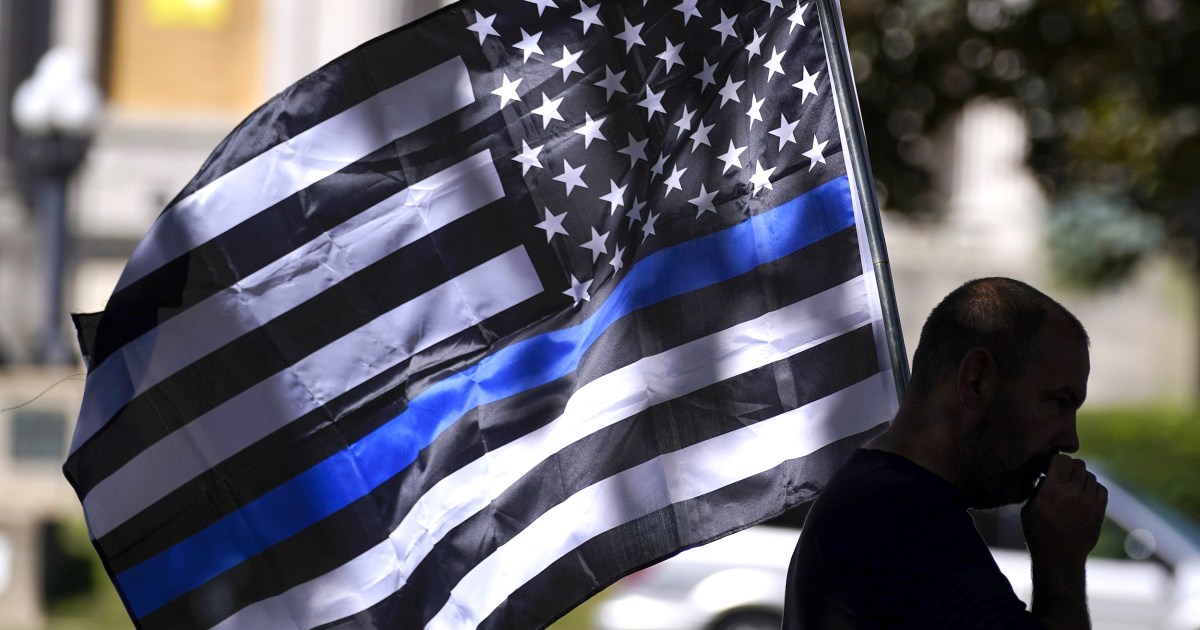
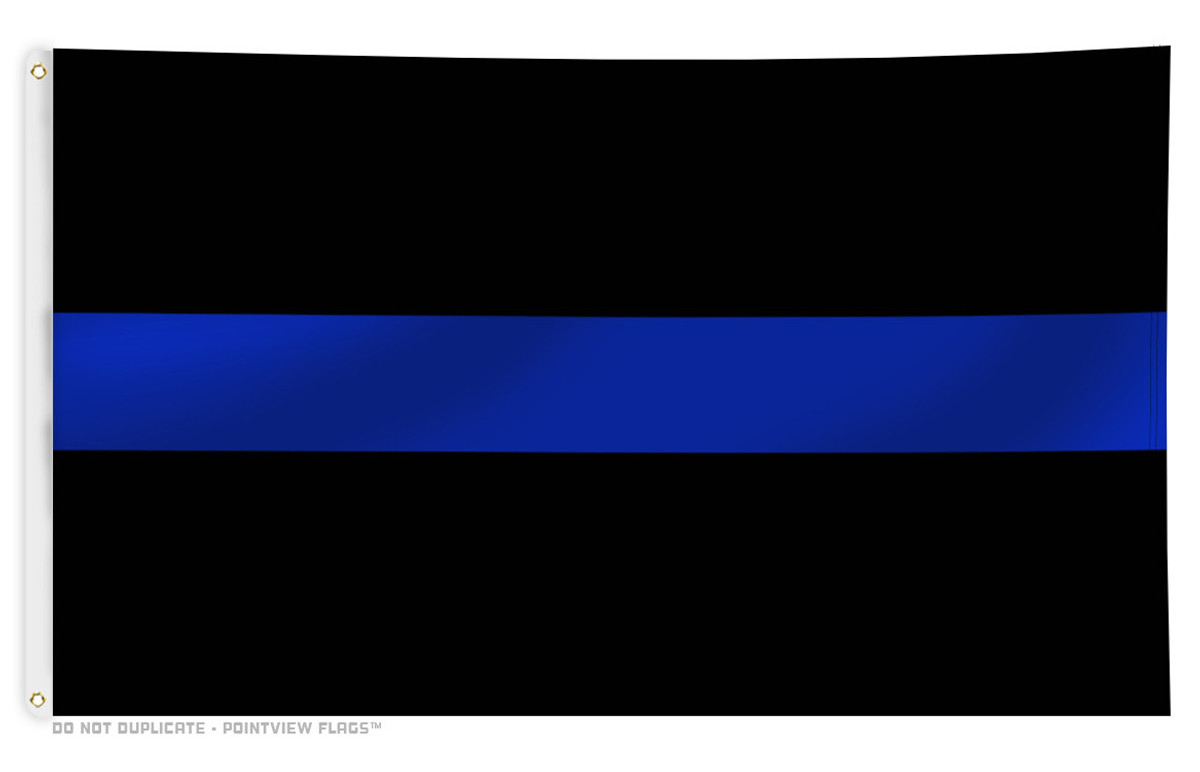
The evolution of brand identity often traverses complex landscapes where symbolism, public perception, and corporate messaging collide. In the modern era, the “Thin Blue Line” flag—a black and white rendition of the American flag featuring a single horizontal blue stripe—has become a potent case study in the power and volatility of visual iconography. To understand what this flag means, one must analyze it through the lens of brand strategy, semiotics, and the dual-edged sword of high-visibility symbolism.
The Semiotic Origins of the Thin Blue Line
At its core, the black flag with the blue stripe is a branding mechanism designed to foster group cohesion and represent a specific professional identity. Historically, the “Thin Blue Line” concept refers to the role of law enforcement as the barrier between societal order and chaos.

Identity and Professional Solidarity
From a brand strategy perspective, the flag serves as an internal branding tool. It acts as an emblem for law enforcement agencies and their supporters, intended to cultivate a sense of unity, pride, and shared mission. In the world of organizational identity, such symbols are often utilized to distinguish a group from the general public, signaling specialized service and professional sacrifice.
Visual Minimalism as a Design Choice
The design itself—utilizing a monochromatic palette broken only by a singular, striking line of color—is a classic example of minimalist branding. By stripping away the traditional red and white of the American flag, the designers created a high-contrast visual that is instantly recognizable. In marketing, high-contrast symbols are more likely to be retained in the consumer’s memory, as they stand out against standard graphic environments. However, this simplicity also renders the symbol a “blank canvas” onto which various political and cultural narratives are projected.
Brand Dilution and the Conflict of Perception
When a brand symbol moves from an internal organizational emblem to a public-facing icon, it loses control over its own narrative. This is a common phenomenon in corporate identity, often referred to as “brand hijacking” or “misaligned sentiment.”
The Separation of Intent and Interpretation
A critical challenge in managing any powerful symbol is the gap between intended meaning and perceived meaning. For many, the flag remains a respectful tribute to fallen officers and a symbol of support for law enforcement. Yet, for others, the flag has been adopted into contentious political discourse, becoming a symbol of resistance to social reform movements.
In the corporate world, this mirrors what happens when a brand’s logo is co-opted by a demographic or movement that the brand did not intend to represent. When this occurs, the brand equity becomes fragmented. The symbol no longer serves a singular purpose; instead, it becomes a flashpoint for debate, forcing stakeholders to choose which iteration of the brand they support.
The Risks of Ambiguous Messaging
For organizations, the primary lesson provided by the Thin Blue Line is that visual assets—once released into the public sphere—are no longer the property of the creator. When a symbol gains high visibility, it risks becoming a polarized asset. Branding experts often warn against “value-signaling” symbols that are too closely tethered to current events, as these symbols age poorly and invite brand instability.
Strategic Implications for Brand Management
The phenomenon of the black flag with the blue stripe offers profound insights into how brands navigate culture, influence, and the court of public opinion. Whether managing a non-profit, a corporation, or a personal brand, the principles of symbolic management remain constant.
Maintaining Brand Integrity in a Polarized Market
When a symbol or visual asset becomes deeply polarized, the brand behind that asset must decide whether to lean into the controversy or pivot to a more neutral, inclusive identity. Many companies have found that when their branding becomes inextricably linked to a polarizing topic, the only way to recover lost brand equity is to redefine their core values through consistent, non-visual communication. Words, in these instances, must do the heavy lifting that a singular image can no longer manage.
The Lifecycle of a Public Icon
Icons go through lifecycles. They are created to represent a specific group, they gain traction through usage, and they eventually become part of the collective cultural vocabulary. The Thin Blue Line flag has matured into a symbol that is now ubiquitous. In marketing terms, it has reached “saturation.” When a brand or a symbol reaches total saturation, it often loses its ability to convey nuanced meaning. It ceases to be a specific brand mark and becomes a generic cultural marker.
The Responsibility of Symbolic Communication
Why does this matter for those interested in branding and design? Because the design of a logo, a badge, or an emblem is never just an aesthetic choice. It is a declaration of intent.
The Influence of Visual Authority
The Thin Blue Line flag demonstrates that visual authority—the power of an image to command attention—is perhaps the most dangerous and effective tool in a brand strategist’s kit. If an organization does not define its symbols clearly through policy, usage guidelines, and mission-driven content, the public will define those symbols for them. The “meaning” of the flag is not dictated by its creator, but by the aggregate behaviors of everyone who displays it.
Lessons in Long-Term Brand Resilience
For those building brands today, the takeaway is clear: durability in branding comes from values that are deep-rooted rather than surface-level. If a brand relies on a single, high-contrast symbol to do the work of building loyalty, it is vulnerable to the shifts of societal sentiment. A resilient brand is one that builds identity through a consistent ecosystem of values, service, and transparent communication, ensuring that no single icon—no matter how recognizable—can define the entirety of its existence.
Navigating the Future of Symbolic Identity
As we look toward the future of branding, the black flag with the blue stripe serves as a cautionary tale for designers and leaders alike. It highlights the inherent danger of simplicity in an increasingly complex world. When a symbol is too simple, it is easily manipulated. When it is too bold, it is easily attacked.
True brand strength lies in the ability to create symbols that are inclusive of a mission while being resilient enough to withstand the interpretations of a diverse audience. The Thin Blue Line is not just a flag; it is a profound demonstration of the life cycle of ideas. It reminds us that every visual element released by a brand carries the weight of its own future usage, and that managing the narrative is as important as managing the design.
In the final analysis, the meaning of the black flag with the blue stripe is subjective, defined by the holder and the observer in equal measure. This ambiguity is the hallmark of a symbol that has transcended its original purpose to become a permanent, if controversial, fixture of the cultural landscape. For the professional brand strategist, it reinforces the necessity of intentionality, the inevitability of perception shifts, and the critical importance of defining brand values beyond the reach of a single, simplified icon.
aViewFromTheCave is a participant in the Amazon Services LLC Associates Program, an affiliate advertising program designed to provide a means for sites to earn advertising fees by advertising and linking to Amazon.com. Amazon, the Amazon logo, AmazonSupply, and the AmazonSupply logo are trademarks of Amazon.com, Inc. or its affiliates. As an Amazon Associate we earn affiliate commissions from qualifying purchases.