
Basalt. The very word conjures images of rugged landscapes, volcanic fury, and the very bones of our planet. But what does a basalt rock truly look like? Beyond the general impression of dark, dense stone, there’s a world of visual and textural nuances that define this ubiquitous igneous rock. For those who appreciate the tangible building blocks of our world, understanding basalt is akin to understanding the bedrock of our physical existence. And in the grander scheme of things, from the foundational strategies of brand building to the intricate workings of financial markets, the concept of a solid, reliable foundation is paramount.

This exploration into the visual characteristics of basalt isn’t just an academic exercise for geology enthusiasts. It’s a journey that can subtly inform our understanding of robust design, the enduring power of well-established brands, and even the principles behind sound personal finance. Just as basalt has shaped landscapes for millennia, so too do foundational elements shape success in the realms of technology, branding, and finance.
The Visual Palette of Basalt: Color and Texture
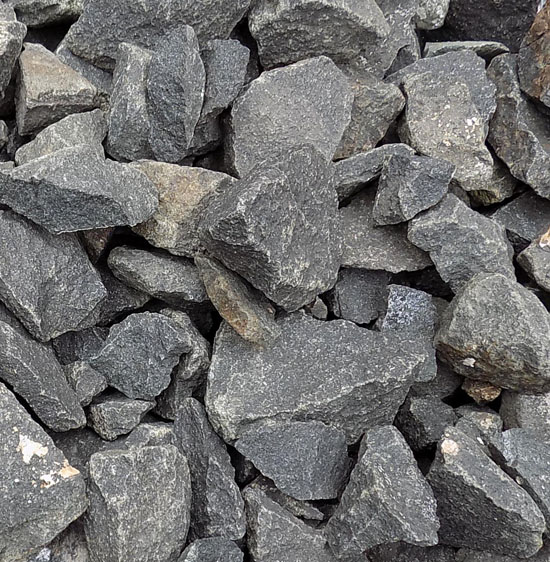
When we ask “what does a basalt rock look like?”, the immediate answer often revolves around its color. Basalt is typically dark-colored, ranging from deep black to dark gray, and sometimes a very dark brown. This characteristic hue is a direct consequence of its mineral composition. Unlike lighter-colored rocks like granite, which are rich in silica-rich minerals such as quartz and feldspar, basalt is an extrusive igneous rock formed from the rapid cooling of magnesium- and iron-rich lava. The abundance of these mafic minerals gives basalt its signature dark appearance.
However, the color isn’t always uniformly black. Weathering and exposure to the elements can introduce variations. Over time, oxidation of the iron content can lead to reddish-brown or even greenish tints, particularly on the surface. So, while a freshly broken piece of basalt might be a stark black, an ancient outcrop could exhibit a more muted, earthy palette.
Beyond color, the texture is another crucial aspect of what a basalt rock looks like. Basalt is known for its fine-grained texture. This means that the individual mineral crystals within the rock are very small, often too small to be seen with the naked eye. This fine-grained texture is a tell-tale sign of its rapid cooling process. When lava erupts and cools quickly at the Earth’s surface, the minerals don’t have enough time to grow into large, distinct crystals. This is in stark contrast to intrusive igneous rocks like granite, which cool slowly beneath the Earth’s surface, allowing for the formation of larger, visible crystals.
Variations in Texture: From Smooth to Vesicular
While fine-grained is the general rule, basalt exhibits fascinating textural variations that paint a more nuanced picture:
-
Aphanitic: This is the term geologists use for the typical fine-grained texture of basalt. The interlocking mineral grains are so small that the rock appears dense and homogenous to the naked eye. Imagine a finely ground coffee powder – that’s a similar visual impression of the texture.
-
Vesicular Basalt: This is perhaps one of the most visually striking forms of basalt. Vesicular basalt contains numerous small holes, or vesicles, within its structure. These holes are the result of gas bubbles trapped in the lava as it cooled. As the lava solidified, the gas escaped, leaving behind these empty cavities. Think of it like a sponge, but made of solid rock. The size and distribution of these vesicles can vary greatly, from tiny pinpricks to larger, more prominent cavities. This texture can give basalt a lighter appearance and a lower density than non-vesicular basalt. Pumice and scoria are related volcanic rocks that are even more vesicular, often appearing frothy.
-
Amygdaloidal Basalt: This is a subtype of vesicular basalt where the vesicles have been subsequently filled with secondary minerals. These minerals, often quartz, calcite, or zeolites, can create beautiful, colorful inclusions within the dark matrix of the basalt. When broken open, these rocks can reveal geodes or crystalline patterns, adding an unexpected element of beauty to the rugged stone.
-
Columnar Basalt: While not a texture of the individual rock itself, the formation of columnar basalt is a visually iconic feature associated with this rock type. When thick lava flows cool slowly and evenly, they can contract and fracture into polygonal columns, most commonly hexagonal. These columns, stacked together like giant organ pipes, are a breathtaking geological phenomenon, famously seen at places like the Giant’s Causeway in Ireland or Devils Tower in Wyoming. The individual columns are made of basalt, but their visual impact is on a grand scale.

The Mineral Makeup: What Lies Beneath the Surface
To truly understand what a basalt rock looks like, we must also consider its fundamental building blocks – its mineral composition. Basalt is primarily composed of plagioclase feldspar and pyroxene. These are both silicate minerals rich in calcium, iron, and magnesium.
-
Plagioclase Feldspar: This group of minerals is characterized by its glassy luster and typically white to gray color. In basalt, the plagioclase crystals are usually very fine-grained, often appearing as tiny laths or blades within the rock.
-
Pyroxene: Pyroxenes are a group of dark-colored silicate minerals that are rich in iron and magnesium. They are responsible for much of basalt’s dark hue. They typically appear as opaque, dark green to black crystals.
Other less abundant minerals can also be present in basalt, including olivine (a greenish mineral that can contribute to the color and sometimes forms distinct crystals), ilmenite and magnetite (iron-titanium oxides that further darken the rock and can contribute to its magnetic properties), and sometimes small amounts of quartz.
The specific proportions of these minerals, along with the presence of any glass (un-crystallized molten material), determine the precise appearance and properties of a particular basalt sample. The interplay of these dark, glassy, and sometimes subtly colored mineral grains, often packed together in a fine, dense matrix, is what ultimately defines the visual character of basalt.
Basalt’s Significance: From Geological Wonders to Technological Advancements
The appearance of basalt is not merely a matter of aesthetics; it’s a testament to its origin and its widespread importance. Basalt is one of the most common rock types on Earth, forming the vast majority of the oceanic crust. It’s also found in large quantities on the Moon and other terrestrial planets, making it a key subject of planetary science.
-
Geological Foundations: Imagine the vastness of the ocean floor. It’s predominantly made of basalt. Volcanic islands, like Hawaii, are built from layers upon layers of basaltic lava. The very continents are fringed by basaltic rocks that have erupted over geological time. Understanding the visual characteristics of basalt helps us identify and appreciate these massive geological formations.
-
Technological Applications: The properties derived from basalt’s composition – its density, hardness, and resistance to weathering – have made it an invaluable material for human use. From ancient civilizations building with it to modern construction, basalt plays a crucial role. Crushed basalt is used extensively as aggregate in concrete and asphalt, forming the roads we drive on and the foundations of our buildings. Its ability to withstand high temperatures also makes it useful in certain industrial applications.
Consider the world of technology trends. Just as basalt forms the literal foundation of much of our infrastructure, robust and reliable foundational technologies are essential for innovation. The development of new AI tools, for example, relies on solid data infrastructure and well-designed algorithms – a form of digital “bedrock.” Similarly, in the realm of gadgets and reviews, understanding the core components and materials, much like identifying basalt’s mineralogy, allows for a deeper appreciation of their durability and performance.
-
Branding and Identity: The concept of a strong foundation is also central to brand strategy and personal branding. A powerful brand, much like a basalt formation, is built on solid principles, a clear identity, and enduring values. The visual elements of a brand – its logo, color palette, and design – are the observable characteristics that convey its essence, much like the dark, fine-grained appearance of basalt signals its volcanic origins. A well-defined corporate identity, like the consistent appearance of basalt across different locations, creates recognition and trust. Case studies in successful branding often highlight how a company has established a strong, recognizable image – its “basaltic core” – that resonates with its audience.
-
Financial Stability: In the world of money and finance, the idea of a solid foundation is paramount. Personal finance strategies, for instance, are built upon principles of saving, investing, and careful budgeting – the “bedrock” of financial security. Online income streams and side hustles, while potentially diverse, thrive when they are built on a sound business model, much like basalt’s composition provides inherent strength. Financial tools, whether for investment or business finance, are designed to provide stability and predictability, mirroring the enduring nature of basaltic rock formations.
In conclusion, when we ask “what does a basalt rock look like?”, we’re not just seeking a simple description. We’re engaging with a material that is visually defined by its dark, fine-grained appearance, often punctuated by the fascinating textures of vesicles or the orderly patterns of columnar formations. This visual language speaks to its fiery origins and its inherent strength. And as we’ve seen, the principles embodied by basalt – its solidity, its foundational role, and its enduring presence – resonate across seemingly disparate fields, from the cutting edge of technology to the timeless art of building a strong brand and securing one’s financial future. Basalt, in its unassuming yet powerful way, is a constant reminder of the importance of a well-formed foundation.
aViewFromTheCave is a participant in the Amazon Services LLC Associates Program, an affiliate advertising program designed to provide a means for sites to earn advertising fees by advertising and linking to Amazon.com. Amazon, the Amazon logo, AmazonSupply, and the AmazonSupply logo are trademarks of Amazon.com, Inc. or its affiliates. As an Amazon Associate we earn affiliate commissions from qualifying purchases.