
The modern automotive industry is built upon a foundation of standardized metrics designed to ensure vehicle safety, performance, and longevity. When you look at the sidewall of a tire, you are faced with a complex alphanumeric code that serves as a technical manual for that specific piece of rubber. Among these codes, the Service Description—the combination of a two-digit number and a letter—is arguably the most critical for vehicle owners to understand. When you see “94W” stamped on your tire, you are looking at two distinct pieces of safety data: the Load Index (94) and the Speed Rating (W). Understanding these variables is not just about choosing the right tire for your vehicle; it is about ensuring that your car can handle the weight and speed requirements demanded by your driving habits and your vehicle’s engineering specifications.
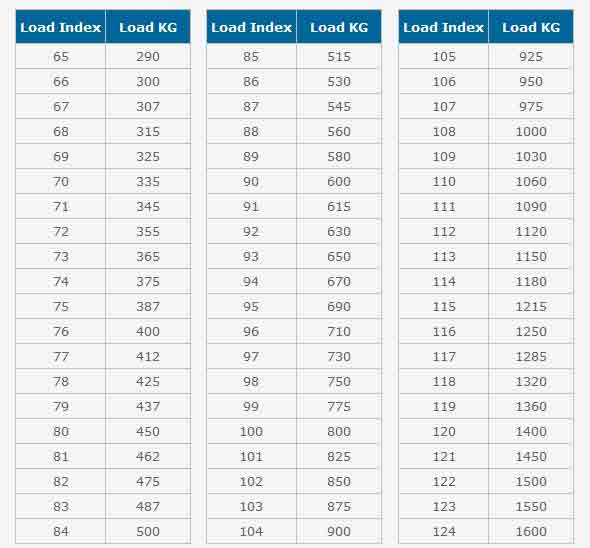
The Load Index: Understanding the Number 94
The first part of the service description, the number 94, is the Load Index. This is an assigned industry-standard value that dictates the maximum amount of weight a single tire can safely support when inflated to its recommended pressure. It is imperative to understand that this index does not refer to the weight of your vehicle alone, but rather the maximum weight capacity of the tire itself under specific, optimized conditions.
Deciphering the Capacity
A Load Index of 94 corresponds to a specific weight capacity measured in kilograms and pounds. In the standardized tire load index chart, the number 94 indicates that a single tire is rated to support a maximum load of 670 kilograms, which is approximately 1,477 pounds. When you multiply this by four, it might seem as though your tires can support a massive amount of weight, but this calculation must be tempered by the vehicle’s Gross Vehicle Weight Rating (GVWR). The GVWR accounts for the weight of the vehicle, the passengers, cargo, and fuel. If you consistently load your vehicle beyond the capacity indicated by the Load Index, you risk severe tire failure, which often manifests as a blowout due to the internal structure of the tire becoming overwhelmed by heat and pressure.
The Dangers of Under-Rating
Choosing a tire with a Load Index lower than what the vehicle manufacturer recommends is a significant safety hazard. If a car is engineered to require a 94 rating, installing tires with a lower index—such as an 88 or 90—means that the tires will reach their breaking point much faster under standard usage. This leads to increased tire flex, rapid tread wear, and a significantly higher probability of a structural failure at highway speeds. Always consult your vehicle’s tire information placard, usually located on the driver-side door jamb, rather than simply matching the numbers currently on your existing tires, as previous owners may have installed incorrect replacements.
The Speed Rating: Decoding the Letter W
The letter that follows the Load Index, in this case “W,” represents the Speed Rating. This is a measure of the tire’s ability to dissipate heat and maintain structural integrity while traveling at sustained high speeds. It is a common misconception that speed ratings are merely about how fast a car can go; in reality, they are about the thermal management of the tire’s materials.
Defining the W Rating
The “W” rating signifies that the tire has been tested and certified to maintain its structural integrity while operating at speeds of up to 168 miles per hour (270 kilometers per hour). This rating indicates that the tire’s rubber compounds and internal belt structure are specifically designed to remain stable and resist deformation under the centrifugal forces present at such high velocities.

Performance and Engineering
Tires with higher speed ratings, such as W, Y, or Z, are constructed differently than tires with lower ratings like H or T. They generally use more sophisticated synthetic rubbers, reinforced steel belts, and specialized nylon overlays. These enhancements allow the tire to handle the intense heat generated by high-speed friction. When you drive on a W-rated tire, you are benefiting from this advanced engineering, which provides better handling, sharper cornering, and improved braking response. However, this comes at the cost of tread life; high-performance, high-speed-rated tires often use “softer” rubber compounds that provide superior grip but wear down more quickly than the harder, longer-lasting rubber found in touring or economy tires.
Why Mismatched Service Descriptions Compromise Safety
The integration of Load Index and Speed Rating is not arbitrary. Engineers spend thousands of hours testing vehicle platforms to determine the precise requirements for tire performance. Mismatched tires or tires that do not meet the 94W specification can alter the handling characteristics of your vehicle in ways that may only become apparent during emergency maneuvers.
Handling and Stability
If you replace a 94W tire with one that has a lower speed rating, the sidewall of the new tire may be too flexible. When you attempt an evasive lane change or take a highway exit ramp at speed, the softer sidewall will compress, leading to a “mushy” steering response and potential understeer or oversteer. This lack of responsiveness can be the difference between avoiding an accident and losing control of the vehicle. By adhering to the 94W specification, you ensure that the tires perform in harmony with the vehicle’s suspension geometry and electronic stability control systems.
Thermal Integrity and Long-Term Wear
Heat is the primary enemy of any tire. Driving at high speeds on tires that are not rated for those speeds causes excessive internal heat buildup. This heat can cause the tread to separate from the carcass of the tire, leading to a catastrophic blowout. Even if the tire does not explode, the internal structure may be compromised, leading to invisible damage that will cause a premature failure weeks or months down the line. A W-rated tire is designed to operate coolly under high-speed stress; using a tire with an inferior rating in a high-performance environment is essentially operating outside of the safety margins defined by the manufacturer.
Making the Right Choice for Replacement
When it comes time to replace your tires, the “94W” mark serves as your baseline. It is a non-negotiable threshold for your vehicle’s safety. While there are scenarios where you might choose a different tire, there are strict rules to follow to ensure your vehicle remains safe on the road.
Can You Upgrade or Downgrade?
- Upgrading: You can safely install tires with a higher load index or a higher speed rating than the original equipment. For example, if your car calls for 94W, installing a 96Y tire is generally acceptable, as it provides a higher safety margin. However, keep in mind that “better” tires in terms of performance may offer less tread life and a harsher ride quality.
- Downgrading: You should never, under any circumstances, downgrade your Load Index or Speed Rating below the manufacturer’s recommendation. Doing so compromises the vehicle’s safety features, may void your insurance policy in the event of an accident, and will negatively impact the vehicle’s handling, braking, and ride comfort.

The Role of Professional Consultation
When browsing for tires, always prioritize the service description provided by your vehicle manufacturer. While online tire retailers make it easy to filter by size, the Load Index and Speed Rating are the technical “fine print” that determines the actual usability of the tire for your specific car. If you are unsure about which tire to choose, speak with a certified tire technician. They can look up your vehicle’s specific requirements and help you balance performance needs—such as all-season versatility versus summer performance—while strictly adhering to the mandatory 94W safety standards.
Your tires are the only point of contact between your vehicle and the road. The 94W designation is not just a label; it is a promise of performance and reliability under specific conditions. By respecting these numbers, you safeguard not only your vehicle’s performance but the safety of your passengers and everyone else sharing the road with you. Never compromise on the structural requirements of your tires; when in doubt, stick to the standards established by the engineers who designed your vehicle.
aViewFromTheCave is a participant in the Amazon Services LLC Associates Program, an affiliate advertising program designed to provide a means for sites to earn advertising fees by advertising and linking to Amazon.com. Amazon, the Amazon logo, AmazonSupply, and the AmazonSupply logo are trademarks of Amazon.com, Inc. or its affiliates. As an Amazon Associate we earn affiliate commissions from qualifying purchases.