
The footwear industry operates on a complex matrix of sizing standards that often leaves consumers, particularly parents and petite adults, confused. Among the most frequent inquiries in retail analytics is the meaning of the “Y” suffix in shoe sizing. When you encounter a label reading “7Y,” you are looking at the upper threshold of the Youth sizing category. Understanding how this specific designation functions is not just a matter of convenience; it is a critical component of brand strategy and consumer lifecycle management in the footwear market.
The Strategic Anatomy of Youth Sizing
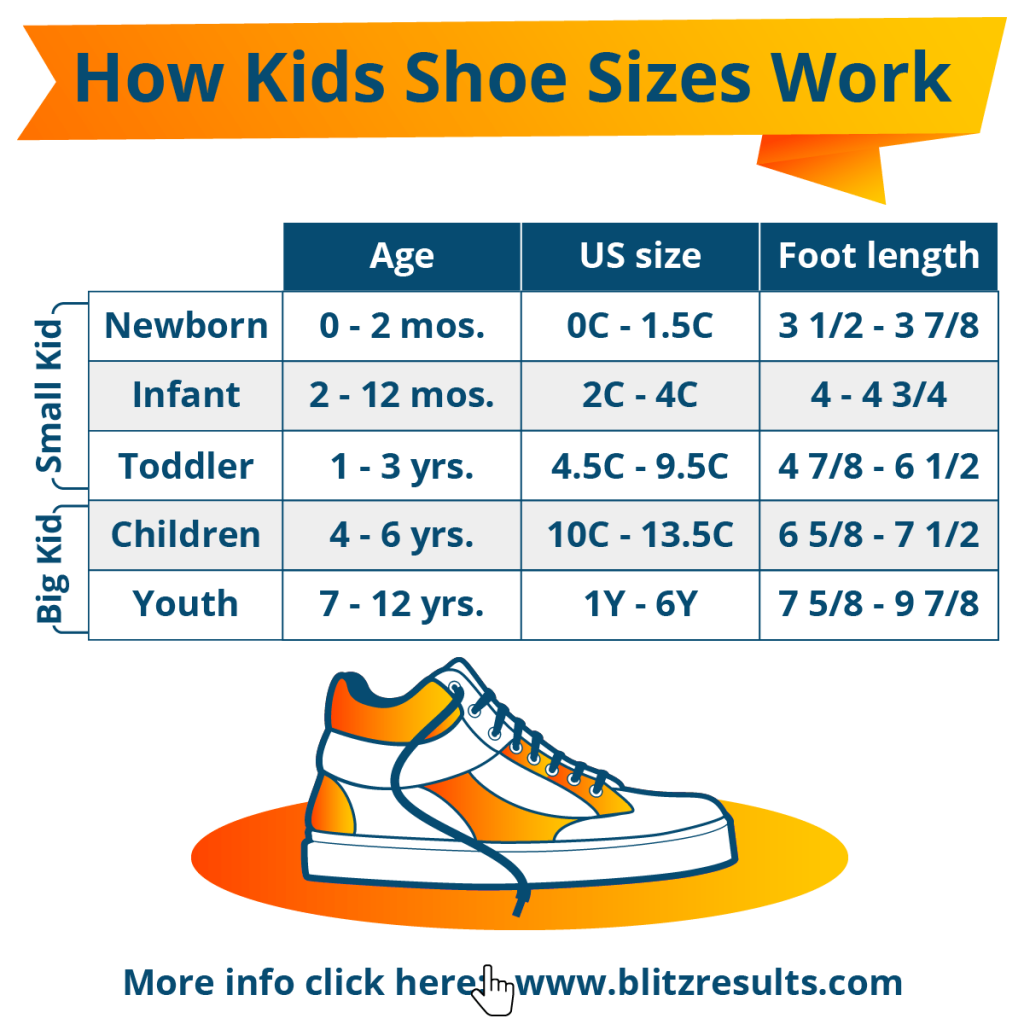
At its core, the “Y” in 7Y stands for “Youth” or, in many manufacturer specifications, “Grade School” (often denoted as GS). This sizing category is strategically designed to bridge the gap between children’s footwear and adult sizing standards. By creating a distinct “Youth” category, major athletic brands ensure a seamless transition for their customer base as they grow, maintaining brand loyalty through the critical developmental years of adolescence.
The Conversion Logic
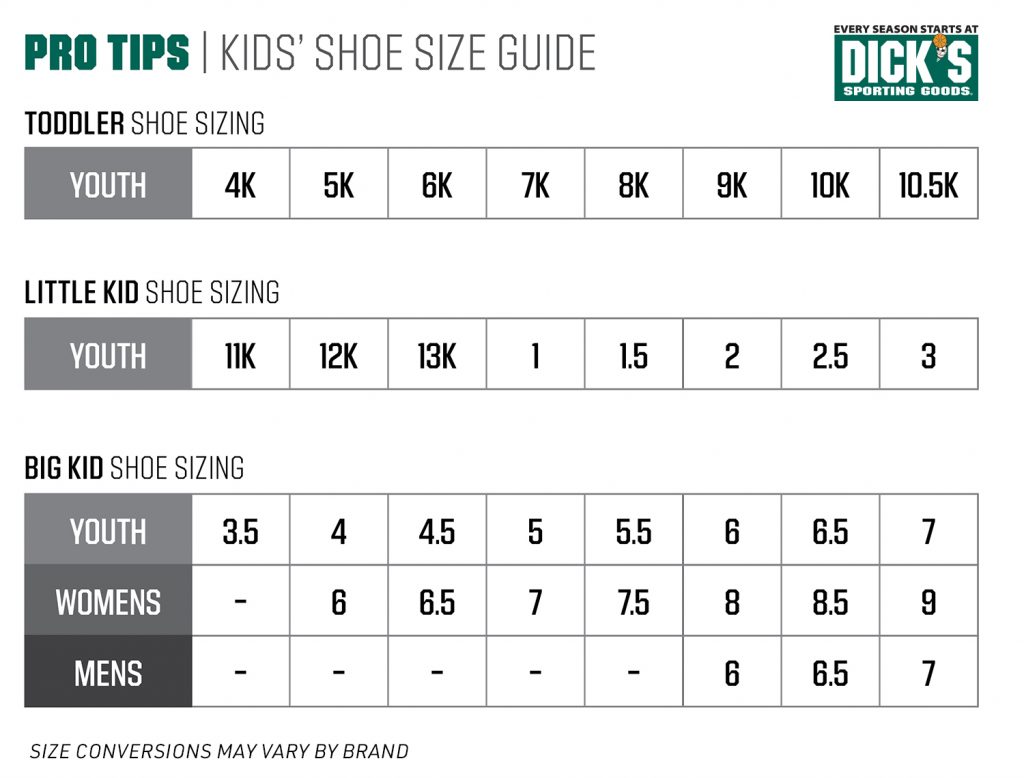
The “7Y” designation implies a specific measurement standard that aligns with the United States adult sizing scale. A 7Y is numerically equivalent to a Men’s US size 7. Because of this direct correlation, the sizing is unisex in its measurement. A 7Y shoe is designed to accommodate a foot length of approximately 9.75 to 10 inches.
From a product development standpoint, the industry standardizes these sizes so that the transition from a child’s size 6.5Y to an adult size 7.5 or 8 is mathematically fluid. This consistency is a hallmark of effective brand architecture, ensuring that a customer who grows up wearing a specific brand’s youth line feels comfortable moving into the adult product catalog without having to relearn their fit metrics.
Manufacturing and Material Differences
While a 7Y is identical in length to an adult size 7, there is often a subtle distinction in the build. Youth-specific models are frequently constructed with slightly different proportions to account for the developing structure of a younger person’s foot. However, as the size approaches 7Y, the construction often mirrors adult specifications more closely than it does smaller children’s sizes.
Brands often differentiate youth models to keep price points lower, a key part of their market penetration strategy. By using slightly different materials or simplifying technical components, companies can offer a “7Y” version of a premium sneaker at a lower price point than the adult equivalent. This creates a tiered pricing strategy that captures both the parent buying for a child and the budget-conscious adult consumer who realizes they can fit into a youth size.
Market Implications for Retail and Consumer Choice
The existence of the 7Y size creates a unique niche in the secondary and primary footwear markets. Because the sizing overlaps with adult dimensions, retailers and brands have to navigate the implications of “size hacking,” where adult consumers purchase youth sizes to save money or access exclusive colorways.
The “Youth Size Advantage” in Branding
For many high-end athletic brands, certain limited-edition releases are produced exclusively in Grade School (GS) sizing. This is a deliberate design and marketing choice. By placing high-demand aesthetic designs into the youth size range, brands foster early adoption among younger demographics while simultaneously appealing to the adult “sneakerhead” community.
The 7Y size acts as a liquidity bridge in the marketplace. Because an adult with a smaller foot can wear a 7Y, the resale value and market demand for this size are often disproportionately high. Marketing teams leverage this by treating the 7Y as a bridge-gap size that satisfies the appetites of two distinct demographics: the adolescent consumer and the petite adult consumer. This dual-targeting strategy maximizes the sell-through rate of inventory.
Retailer Inventory Management
From a retail strategy perspective, the “7Y” SKU represents a specific challenge. Retailers must decide whether to categorize these items under “Kids” or “Men’s/Unisex” in their digital store architecture. Proper categorization is essential for search engine optimization and user experience.
When a brand effectively communicates that a 7Y is essentially a Men’s 7, they reduce the friction in the buyer’s journey. Retailers that provide size conversion charts directly on product pages for 7Y items see lower return rates. This is a vital metric in an industry where logistics and returns can erode margins significantly. By clarifying that the 7Y is a standard adult-length shoe, the brand provides the consumer with the confidence to complete the transaction.
The Intersection of Size, Strategy, and Future-Proofing
As the footwear industry moves toward more inclusive and sustainable models, the way we label sizes like 7Y is evolving. The modern consumer is less concerned with “boys” or “girls” categories and more concerned with actual measurements and fit.
Standardizing the Global Footprint
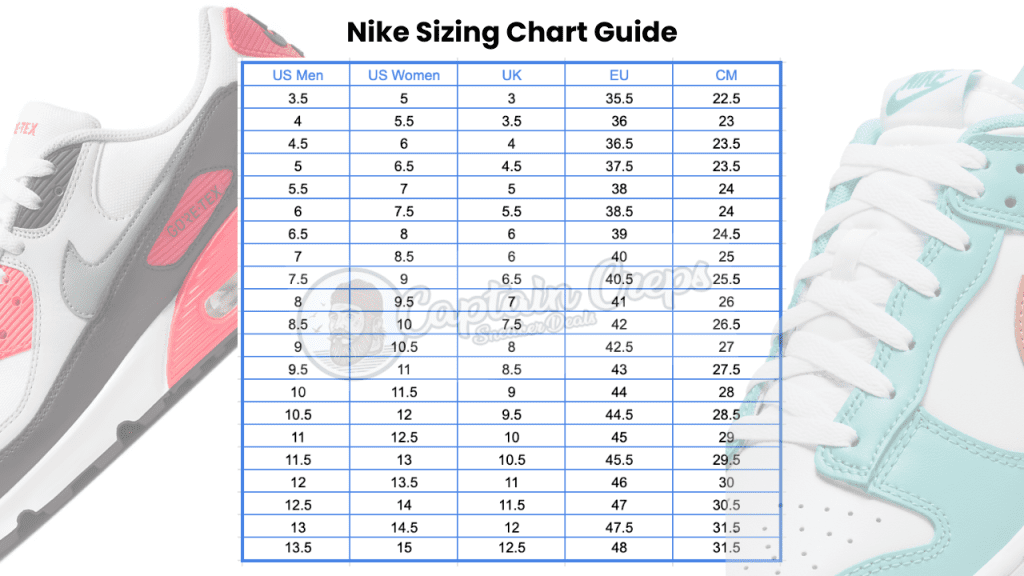
While the “Y” suffix is specific to the US-centric model, brands are increasingly looking toward global standardization. The transition from youth to adult is a universal experience, yet the labeling conventions vary wildly between the US, UK, EU, and Asian markets. A 7Y in the US is approximately a 6.5 in UK sizing and a 40 in EU sizing.
Strategic brand managers are currently focusing on “True to Size” initiatives. By utilizing AI-driven tools and digital sizing apps, brands are moving away from cryptic labels like “7Y” in favor of providing digital foot mapping. These tools allow consumers to input their measurements and receive a recommendation that transcends traditional category labels. This is the next frontier of brand strategy: shifting from selling “sizes” to selling “fits.”
Future Trends in Sizing Labels
Looking ahead, we can expect the “Y” designation to remain a staple in marketing for the next decade, particularly in basketball and performance running footwear. However, the move toward “Unisex” labeling is accelerating. Many brands are already beginning to phase out gendered branding on youth footwear, replacing “Boy’s/Girl’s” descriptors with simply “Youth” or “Grade School.”
This transition is not merely aesthetic; it is a strategic repositioning. By neutralizing the labels, brands expand their addressable market. A 7Y shoe marketed as “Youth/Unisex” carries no gendered baggage, making it equally appealing to all consumers who fit the 9.75-inch length requirement. This shift also simplifies supply chain management, as brands can produce a single SKU for a specific colorway rather than bifurcating inventory by gender, which historically led to inefficiencies and dead stock.
In summary, the 7Y shoe size is more than just a label on a shoebox. It is a vital point of intersection between manufacturing efficiency, strategic price-tiering, and consumer psychology. Whether you are an adult looking to capitalize on the price efficiency of youth sizing or a brand manager attempting to capture the adolescent market, the 7Y represents the final stage of the youth sizing journey—a size that is, for all intents and purposes, the perfect entry point into the world of adult footwear standards. Understanding this size allows for smarter purchasing decisions, better inventory management, and a deeper appreciation for the complex machine that is the global footwear industry.
aViewFromTheCave is a participant in the Amazon Services LLC Associates Program, an affiliate advertising program designed to provide a means for sites to earn advertising fees by advertising and linking to Amazon.com. Amazon, the Amazon logo, AmazonSupply, and the AmazonSupply logo are trademarks of Amazon.com, Inc. or its affiliates. As an Amazon Associate we earn affiliate commissions from qualifying purchases.