
In the rapidly evolving landscape of automotive technology and modern engineering, the term “6-speed” has become a benchmark for mechanical sophistication and driving efficiency. While the casual driver might simply view it as a number on a gear shifter, the transition from legacy 4-speed or 5-speed transmissions to a 6-speed configuration represents a critical leap in how power is harnessed, distributed, and optimized. Whether found in a high-performance sports car, a fuel-efficient commuter sedan, or a heavy-duty truck, the 6-speed transmission serves as the bridge between raw engine output and the road surface, dictating the vehicle’s personality, fuel economy, and mechanical longevity.

The Mechanical Evolution: Why Six Ratios Matter
At its core, a transmission is a complex assembly of gears designed to keep an engine operating within its “power band”—the range of RPM (revolutions per minute) where it produces the most efficient or powerful output. When engineers move from a 5-speed to a 6-speed gearbox, they are effectively adding another layer of precision to that relationship.
Bridging the Gap Between Gears
The primary advantage of a 6-speed transmission is the narrowing of the “ratios” between gears. In a lower-speed transmission, the jump from first to second gear often requires the engine to climb significantly higher in RPM, resulting in a noticeable surge of power followed by a drop when the next gear engages. By adding a sixth gear, engineers can space the steps between gears more closely. This ensures that when the driver upshifts, the engine RPM lands perfectly within the optimal range for the next stage of acceleration, resulting in a smoother, more fluid power delivery.
Overdrive and Highway Efficiency
The most prominent benefit of the sixth gear is the inclusion of a dedicated overdrive ratio. In older transmission designs, top gear was often too short, meaning the engine had to spin at higher RPMs just to maintain highway cruising speeds. This led to excessive fuel consumption and increased cabin noise. By introducing a sixth gear, manufacturers can set a lower, more relaxed gear ratio for high-speed cruising. This allows the engine to lope along at a significantly lower RPM while maintaining the same road speed, which is a primary contributor to the improved fuel economy figures seen in modern vehicles.
Differentiating Between Manual and Automatic 6-Speeds
While the “6-speed” label describes the number of gears available, the user experience differs vastly depending on whether the transmission is a traditional manual (stick shift) or an automatic variant. Understanding these distinctions is crucial for drivers and prospective buyers alike, as it dictates the level of engagement and technological intervention involved.
The Manual 6-Speed: Driver Engagement and Control
The manual 6-speed transmission remains the gold standard for driving enthusiasts who prioritize a tactile connection with their machine. In this setup, the driver manages the clutch and the gear selection. The addition of the sixth gear in a manual gearbox often allows for a tighter ratio set, which provides the driver with more options for keeping the car in the “sweet spot” during spirited driving. On a racetrack or a winding mountain road, having six gears means the driver can always find the precise level of torque needed to exit a corner with speed and control.

The Automatic and Dual-Clutch Systems
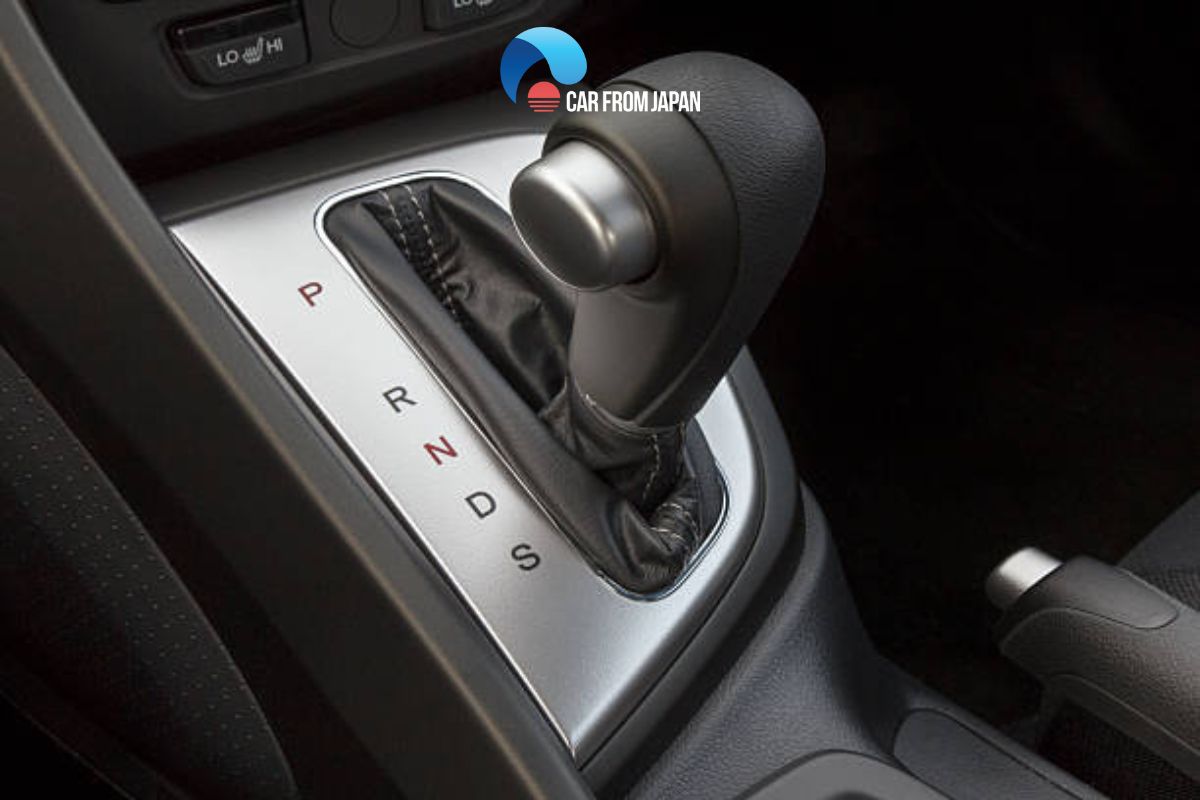
Modern automatic 6-speed transmissions utilize a hydraulic torque converter and planetary gear sets, governed by sophisticated computer software. Unlike manual gearboxes, modern 6-speed automatics are engineered for seamless shifts that the driver may barely notice. Furthermore, the rise of the Dual-Clutch Transmission (DCT) has taken the 6-speed concept to the next level. A DCT uses two separate clutches—one for odd-numbered gears and one for even-numbered gears. This allows the transmission to “pre-select” the next gear before the current one is disengaged. When it comes time to shift, the power transfer happens in milliseconds, making the 6-speed DCT significantly faster than even the most skilled human driver shifting a manual.
The Impact on Performance, Economy, and Maintenance
The inclusion of a 6-speed transmission is not merely a marketing metric; it has tangible impacts on the vehicle’s long-term viability and performance profile. By balancing mechanical complexity with functional output, manufacturers use 6-speed systems to refine the vehicle’s character.
Optimizing Fuel Consumption
Fuel efficiency is perhaps the most significant market driver for the widespread adoption of 6-speed transmissions. By keeping the engine’s rotational speed within a narrow, efficient window, the transmission minimizes wasted energy. During acceleration, the engine spends less time straining at high RPMs, and during steady-state cruising, the sixth gear prevents the engine from working harder than necessary. For commuters and long-distance drivers, this incremental improvement in fuel economy translates to substantial savings over the lifecycle of the vehicle.
Mechanical Longevity and Engine Stress
High RPMs generate heat and friction—the two primary enemies of engine longevity. By utilizing a 6-speed transmission to keep engine speeds lower during highway driving, the overall thermal stress on the engine components is reduced. Furthermore, because the engine is not required to work as hard to maintain momentum, the strain on internal bearings, seals, and pistons is mitigated. This synergy between the transmission and the engine leads to a quieter, more refined driving experience and, often, a longer service life for the powertrain as a whole.
Understanding Shift Logic in Modern Tech
In modern vehicles, a 6-speed transmission is rarely a purely mechanical device; it is a software-controlled unit. “Shift logic” refers to the algorithms programmed into the vehicle’s Transmission Control Module (TCM). These computers monitor throttle position, road incline, and vehicle speed to decide when to shift. A well-calibrated 6-speed automatic knows that if you are climbing a hill, it should hold the gear longer to provide more torque, rather than shifting up to the fuel-saving sixth gear prematurely. This intersection of mechanical hardware and digital intelligence is where modern 6-speed systems truly shine.
Looking Ahead: The Future of Transmission Complexity
While 6-speed transmissions transformed the automotive industry, the technology continues to advance. We are currently seeing the emergence of 8, 9, and even 10-speed transmissions in premium and heavy-duty segments. However, the 6-speed remains a “sweet spot” for many manufacturers due to its balance of complexity, weight, and manufacturing cost.
Too many gears can actually become a liability, leading to “gear hunting”—where the transmission constantly cycles between gears, looking for the right one, which can be irritating to the driver and cause unnecessary wear. The 6-speed transmission offers a proven, robust, and highly efficient middle ground that satisfies the needs of both the daily commuter and the automotive enthusiast.
Ultimately, “6-speed” signifies a transition from crude power delivery to precise energy management. It represents an era of engineering where the goal shifted from simply getting the wheels to turn to maximizing every drop of fuel and every ounce of torque produced by the engine. Whether you are navigating stop-and-go city traffic or cruising on the open interstate, the 6-speed transmission is the silent partner in your drive, constantly working to ensure that your vehicle operates with the highest degree of efficiency, smoothness, and responsiveness possible. Understanding this mechanism provides a deeper appreciation for the engineering excellence hidden beneath the floorboards of our everyday vehicles.
aViewFromTheCave is a participant in the Amazon Services LLC Associates Program, an affiliate advertising program designed to provide a means for sites to earn advertising fees by advertising and linking to Amazon.com. Amazon, the Amazon logo, AmazonSupply, and the AmazonSupply logo are trademarks of Amazon.com, Inc. or its affiliates. As an Amazon Associate we earn affiliate commissions from qualifying purchases.