
The appearance of “5GE” on your iPhone’s status bar can be a point of confusion, especially when you’re expecting to see the unmistakable “5G” indicator. This seemingly subtle difference carries significant implications for your mobile data experience. While it doesn’t represent true 5G connectivity, understanding what 5GE signifies is crucial for managing your expectations, optimizing your usage, and making informed decisions about your mobile plan and future device upgrades. This article will delve deep into the world of 5GE, dissecting its technical underpinnings, explaining its practical impact, and guiding you on how to navigate this nuanced aspect of modern cellular technology.

The Evolution of Cellular Technology: Beyond 4G LTE
The progression of mobile network technology is a story of continuous improvement, with each generation bringing faster speeds, lower latency, and increased capacity. We’ve moved from the early days of 2G, which enabled basic voice calls and SMS, through 3G, which introduced mobile internet browsing, to 4G LTE (Long-Term Evolution), the standard for high-speed mobile data for many years. LTE revolutionized mobile connectivity, making streaming video, online gaming, and seamless cloud access a reality on our smartphones.
Understanding the Foundation: 4G LTE and Its Capabilities
4G LTE is a significant leap from its predecessors, offering theoretical peak download speeds of up to 100 Mbps and upload speeds of up to 50 Mbps. In real-world scenarios, users typically experience speeds that vary depending on network congestion, signal strength, and carrier infrastructure. Nonetheless, 4G LTE has proven robust enough to support a vast array of data-intensive mobile applications and services that we rely on daily. It established the benchmark for mobile internet performance, setting the stage for the advancements that were to come.
The Ambition for More: The Drive Towards 5G
The subsequent generation, 5G, promises an even more transformative leap. It’s designed to deliver multi-gigabit speeds, ultra-low latency (the delay between sending a command and receiving a response), and the ability to connect a massive number of devices simultaneously. These capabilities are not just about making your smartphone faster; they are foundational for enabling a new era of technologies such as autonomous vehicles, advanced virtual and augmented reality experiences, the Internet of Things (IoT) on a grand scale, and smarter cities. The potential for 5G extends far beyond personal use, aiming to revolutionize industries and unlock unprecedented innovation.
Decoding 5GE: An Enhanced Form of 4G LTE
This is where the concept of 5GE enters the picture. It’s important to state clearly from the outset: 5GE is not true 5G. Instead, it represents a significant enhancement of existing 4G LTE technology. The “E” in 5GE stands for “Evolution,” signifying that it is an evolution of 4G LTE, rather than a new generation altogether. Carriers use this designation to indicate that your device is connected to a network that has been upgraded with specific LTE Advanced Pro technologies, offering performance that approaches, but does not match, the capabilities of genuine 5G.
LTE Advanced Pro: The Technology Behind 5GE
LTE Advanced Pro, also known as 4.5G or Pre-5G, is a set of enhancements to the 4G LTE standard. These advancements include technologies like Carrier Aggregation, which allows the network to combine multiple frequency bands to increase bandwidth and thus speed; higher-order modulation schemes, which enable more data to be transmitted within the same frequency spectrum; and Massive MIMO (Multiple-Input Multiple-Output), which uses a larger number of antennas to improve signal quality and capacity. When a carrier implements these advanced LTE features and your iPhone supports them, it may display “5GE” as an indicator of this enhanced performance.
Differentiating 5GE from True 5G
The distinction between 5GE and true 5G lies in the fundamental architecture and capabilities of the networks. True 5G networks utilize new radio frequencies (including millimeter-wave, or mmWave, and mid-band spectrum) and a new core network architecture, which together enable the dramatic speed increases, ultra-low latency, and massive device connectivity that define the 5G standard. 5GE, on the other hand, operates within the existing 4G LTE framework. While it offers a superior experience compared to standard 4G LTE, it does not unlock the full potential of 5G. Think of it as a high-performance sports car with an upgraded engine and tires (5GE), versus a completely new model built from the ground up with advanced aerodynamics and a revolutionary powertrain (5G).
The Practical Implications of 5GE on Your iPhone
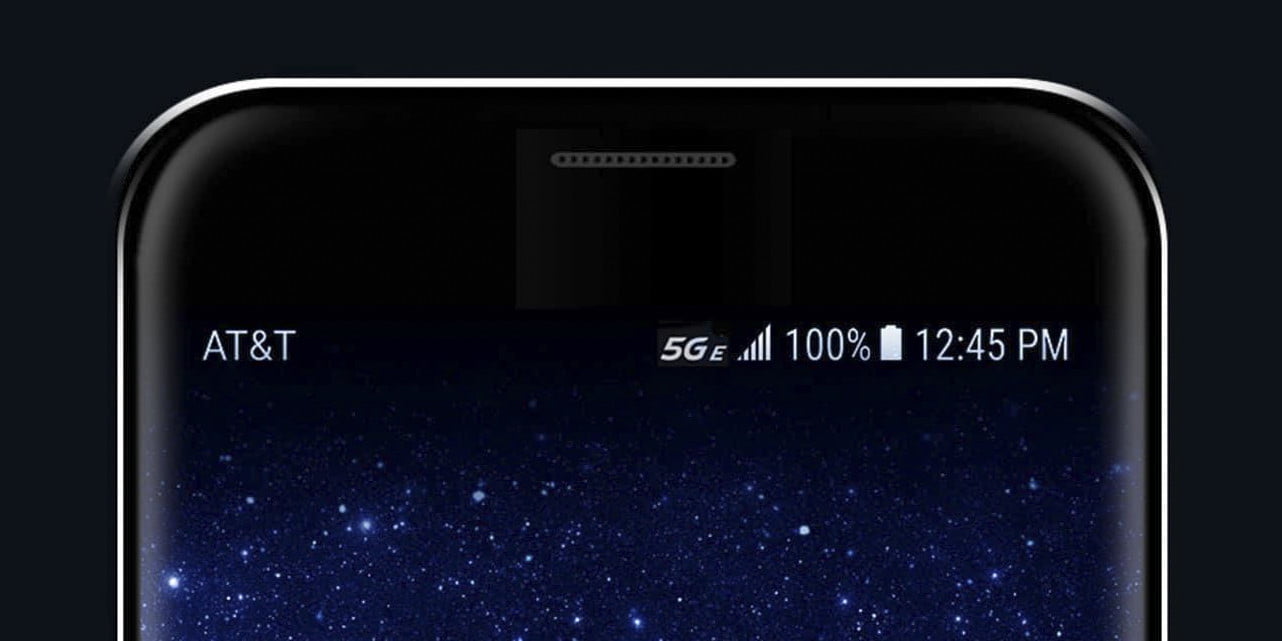
For the average iPhone user, the presence of 5GE on their status bar translates to a more robust and responsive mobile data experience than standard 4G LTE. This means faster downloads, smoother streaming, and potentially less buffering during video playback. However, it’s crucial to understand that the actual speed boost can vary considerably.
Speed and Performance: What You Can Realistically Expect
The speeds experienced under 5GE are generally faster than typical 4G LTE but slower than true 5G. You might see download speeds in the range of 50-250 Mbps, and sometimes even higher, depending on the specific LTE Advanced Pro features deployed by your carrier and your location’s network conditions. This is a significant upgrade from the average 4G LTE speeds, which often hover between 20-50 Mbps. For activities like downloading large files, streaming high-definition video, or engaging in bandwidth-intensive online gaming, the difference will be noticeable and beneficial.
Network Coverage and Availability: A Carrier-Dependent Feature
The availability of 5GE is entirely dependent on your mobile carrier and their investment in upgrading their 4G LTE infrastructure. Carriers that have implemented LTE Advanced Pro technologies are the ones that will display the 5GE indicator on compatible iPhones. This means that if you have two iPhones on different carriers but in the same location, one might show 5GE while the other shows 4G LTE or LTE. It’s not a universal technology but rather a marker of a carrier’s specific network enhancements. Therefore, understanding your carrier’s network strategy is key to understanding when and where you might encounter 5GE.
Battery Life and Data Consumption: Subtle but Present Effects
While the enhanced speeds of 5GE can be appealing, it’s worth considering potential impacts on battery life and data consumption. Higher data throughput can sometimes lead to increased battery drain, especially during prolonged periods of heavy usage, as the device’s modem works harder to process the data. Similarly, faster speeds can mean that data usage accumulates more quickly. If you have a data cap on your mobile plan, it’s important to be mindful of this. However, modern iPhones are quite efficient, and the difference in battery consumption compared to good 4G LTE is often not dramatic enough to be a primary concern for most users unless they are consistently engaged in very demanding tasks.
Navigating Your iPhone’s Network Indicators: From 4G to 5GE and Beyond
Understanding the different network indicators on your iPhone empowers you to make informed decisions about your connectivity and mobile plan. The evolution from 4G LTE to 5GE and the eventual widespread adoption of true 5G represent different tiers of mobile data performance.
Understanding the iPhone’s Status Bar Icons
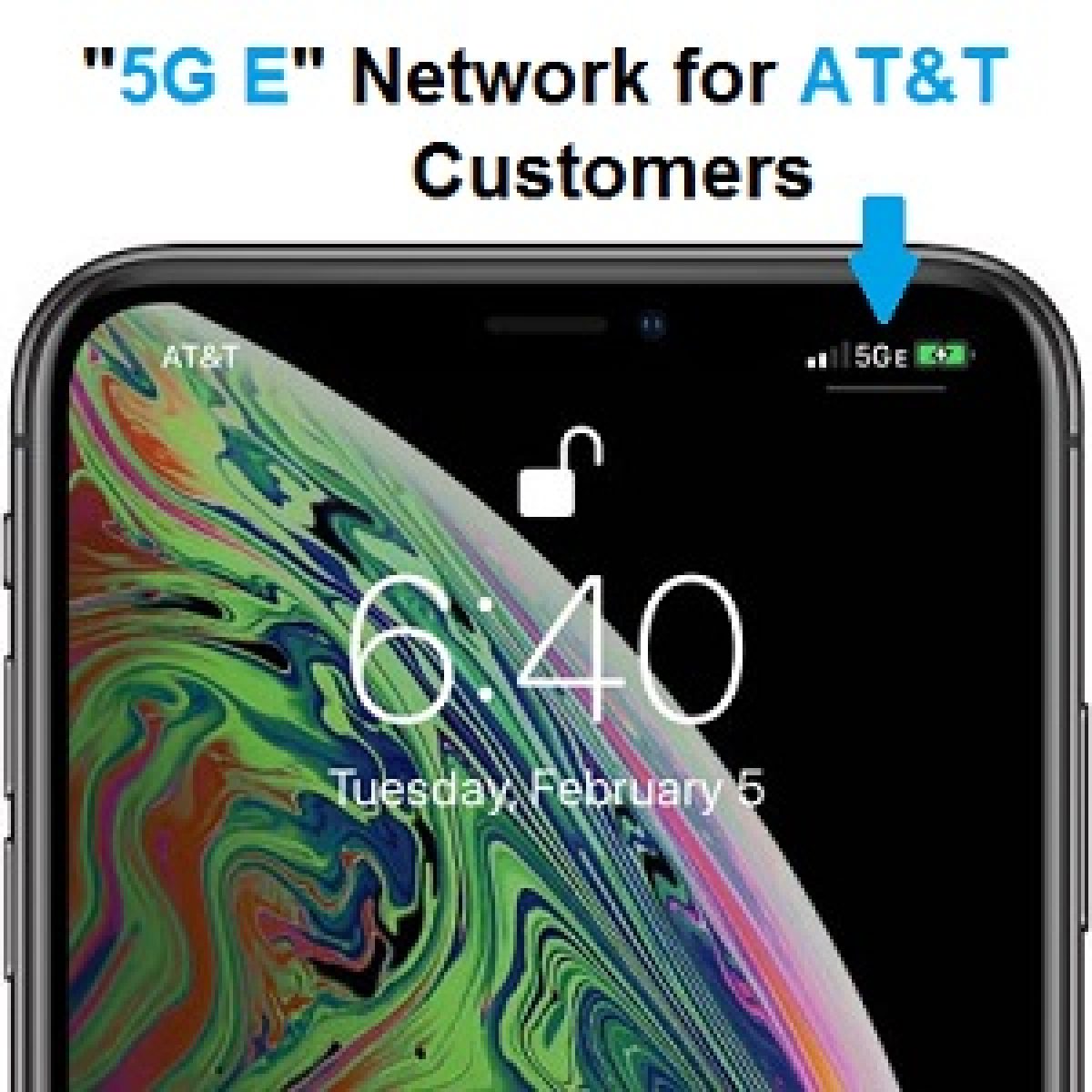
Your iPhone’s status bar provides a constant stream of information, including your signal strength, Wi-Fi connection, and importantly, your cellular network type. You’ll see icons like “4G,” “LTE,” “4G LTE,” “5GE,” and eventually “5G.” Each of these signifies a different level of network technology and performance. “4G” and “LTE” generally refer to standard 4G networks, while “LTE Advanced Pro” can be represented as “5GE.” True “5G” will be clearly marked as such when your device connects to a 5G network. Familiarizing yourself with these icons allows you to quickly gauge the type of connection you currently have.
When to Expect True 5G and What It Means for You
True 5G connectivity requires a device that supports 5G technology and a carrier that has deployed a 5G network. As 5G infrastructure continues to expand, you will increasingly see the “5G” indicator on your iPhone. The benefits of true 5G are substantial, including significantly faster download and upload speeds (potentially multiple gigabits per second), much lower latency (essential for real-time applications like cloud gaming and VR), and the ability to support a vast number of connected devices. For power users, early adopters, and those looking to leverage the latest technological advancements, upgrading to a 5G-capable iPhone and ensuring you are on a carrier with robust 5G coverage will be the next logical step.
Making Informed Decisions: Carrier Plans and Future Upgrades
The presence of 5GE on your iPhone, while a positive indicator of network enhancement, should also inform your decisions regarding mobile plans and future device upgrades. If your carrier offers 5GE, it suggests they are investing in their LTE network. However, if you’re considering a new plan or device, and true 5G is a priority for you, it’s essential to verify the carrier’s 5G coverage and plan offerings. While 5GE provides a bridge, it’s not the destination. Understanding the difference helps you weigh the current benefits against the future potential of true 5G and make strategic choices that align with your mobile usage needs and technological aspirations. As cellular technology continues its rapid evolution, staying informed about these distinctions will ensure you’re always leveraging the best possible connectivity for your iPhone.
aViewFromTheCave is a participant in the Amazon Services LLC Associates Program, an affiliate advertising program designed to provide a means for sites to earn advertising fees by advertising and linking to Amazon.com. Amazon, the Amazon logo, AmazonSupply, and the AmazonSupply logo are trademarks of Amazon.com, Inc. or its affiliates. As an Amazon Associate we earn affiliate commissions from qualifying purchases.