
When you examine a piece of jewelry and notice a stamp that reads “5925,” it is easy to assume it refers to a standard silver quality. However, understanding hallmarks is a critical aspect of personal finance and asset valuation. In the world of precious metals, jewelry is not merely an accessory; it is a portable store of value. Deciphering these codes is essential for any investor or collector looking to manage their personal assets effectively and avoid overpaying for pieces that may not hold the intrinsic worth they claim.
Decoding Jewelry Hallmarks and Their Financial Implications
Hallmarks are official marks used in many countries to certify the purity of a precious metal. When you see a number stamped on a ring, necklace, or bracelet, it serves as a consumer protection mechanism, verifying that the item contains the exact percentage of metal claimed.
The Standard vs. The Anomaly
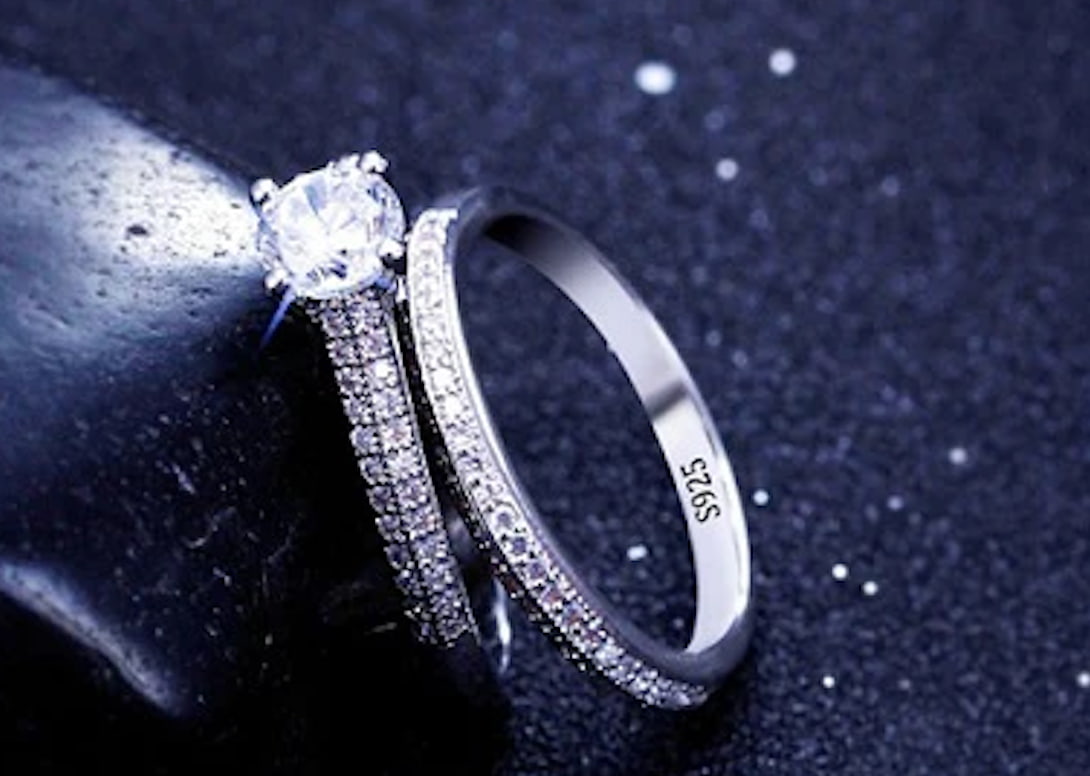
The most common mark for sterling silver is “925,” which indicates that the alloy is 92.5% pure silver. When you encounter “5925,” you are often looking at a variation of this standard. In many cases, the “5” preceding the “925” is either a manufacturer’s code, a batch identifier, or, in some instances, a misrepresented hallmark. From a financial perspective, identifying the authenticity of these stamps is paramount. If you are purchasing jewelry as an investment or a hedge against inflation, you must verify that the “5925” stamp is accompanied by a maker’s mark or a country-of-origin stamp to ensure you are dealing with genuine sterling silver rather than a base metal plated with a thin layer of silver.
Asset Valuation and Precious Metals
Treating jewelry as part of your investment portfolio requires a keen eye for detail. Precious metals like silver have historically served as a store of value. When evaluating “5925” jewelry, you must determine if the value lies in the “melt value”—the actual silver content—or the “numismatic” or “artistic” value. If the item is merely mass-produced silver, its value is tied directly to the current spot price of silver. If the item carries a reputable brand mark alongside the “5925,” the value may be significantly higher than its weight in metal.
Strategies for Buying and Selling Precious Metal Assets
Investing in jewelry is a unique subset of personal finance. Unlike stocks or bonds, jewelry is a tangible asset that requires physical storage and insurance. Before purchasing jewelry with specific hallmarks, you should approach the transaction with the same scrutiny you would apply to a business acquisition.
Assessing Purity for Resale Value
The resale market for jewelry is notoriously difficult for the uneducated buyer. When you sell an item marked “5925,” the buyer will typically test it for purity. If the item is marked “5925” but fails an acid test or an XRF (X-ray fluorescence) scan, the asset is effectively worthless as a precious metal investment. Always prioritize purchasing from dealers who provide documentation. When you are the seller, having a clear understanding of the hallmarking system allows you to accurately list your item’s value, preventing the loss of capital that comes from undervaluing your holdings.
The Role of Certification
In the context of financial management, proof is everything. If you are building a collection of silver jewelry, keeping a ledger of your purchases—including descriptions of hallmarks like “5925”—is wise. Some pieces may come with a certificate of authenticity. These documents are vital if you ever intend to use your collection as collateral for a loan or if you need to provide an accurate valuation for insurance purposes. A piece of jewelry marked “5925” without supporting documentation is purely speculative; a piece with documented provenance is a verifiable financial asset.
Risk Management in Jewelry Investment
While precious metals are often considered a safe haven, jewelry investment carries specific risks that differ from buying bullion or silver coins.
Understanding Markup and Depreciation
When you buy “5925” jewelry from a retail store, you are paying a significant premium over the “spot price” of the silver. This premium accounts for the craftsmanship, marketing, and the retailer’s overhead. From a pure finance standpoint, this is a high-cost entry. If you were to walk out of the store and immediately try to sell that same piece, you would likely receive only a fraction of what you paid. To mitigate this risk, successful collectors often look for high-quality vintage or designer jewelry where the “brand equity” compensates for the retail markup, or they purchase secondary-market items at prices closer to the underlying metal value.
Avoiding Counterfeits
The market is saturated with counterfeit items. Stamps like “5925” can be easily forged by unethical manufacturers looking to pass off base metals as high-quality silver. As an investor, you must learn to recognize the “tells” of a counterfeit. Look for inconsistencies in the engraving of the hallmark—fuzzy edges or uneven depth can indicate a fake. Furthermore, utilize basic financial tools for your own protection, such as a strong magnet (silver is non-magnetic) or an electronic gold/silver tester. Protecting your capital starts with verifying the assets you hold, and in the case of “5925” marked items, skepticism is your best financial advisor.
Integrating Jewelry into a Diversified Portfolio
For individuals focused on wealth building, the primary goal of holding physical assets is to provide a hedge against economic volatility. Jewelry, when selected carefully, can be an effective way to hold wealth.
The Long-Term Perspective
If you view “5925” jewelry as part of a long-term financial strategy, your focus should be on liquidity. High-purity silver is generally liquid, but jewelry can sometimes be harder to sell quickly than standard bullion. You should treat jewelry as a “long-hold” asset. By maintaining a collection that is properly stamped, hallmarked, and documented, you ensure that when the time comes to liquidate, you are dealing with a transparent asset that an appraiser can easily value.
Financial Literacy in Acquisitions
Ultimately, the question “What does 5925 mean?” is a question of financial literacy. It represents the intersection of craftsmanship and commodity. By understanding the nuances of how these items are marked, you gain control over your financial transactions. Whether you are buying to adorn, to collect, or to diversify, knowledge of hallmarks is a foundational skill. It prevents impulsive spending and guides you toward acquisitions that hold their value over time.
In conclusion, “5925” is a signal—a piece of data that you must interpret to make informed decisions. In the landscape of personal finance, information is the most valuable currency. By treating every hallmark as a data point in your broader financial strategy, you turn a simple piece of jewelry into a calculated element of your net worth. Whether it is a family heirloom or a recent acquisition, know what you own, know what it is worth, and manage it with the same rigor you would apply to your bank accounts or brokerage portfolio. This professional approach to tangible asset management is what separates the casual consumer from the savvy investor.
aViewFromTheCave is a participant in the Amazon Services LLC Associates Program, an affiliate advertising program designed to provide a means for sites to earn advertising fees by advertising and linking to Amazon.com. Amazon, the Amazon logo, AmazonSupply, and the AmazonSupply logo are trademarks of Amazon.com, Inc. or its affiliates. As an Amazon Associate we earn affiliate commissions from qualifying purchases.