
The term “501c” is frequently encountered in discussions surrounding non-profit organizations, philanthropy, and public service. Far from a mere identifier, it represents a crucial section of the United States Internal Revenue Code (IRC) that grants specific types of organizations tax-exempt status. Understanding “501c” is fundamental for anyone looking to establish a non-profit, contribute to one, or simply comprehend the financial landscape of the non-profit sector. It’s a designation that carries significant financial implications, offering a pathway for entities to operate without being subject to federal income tax, provided they adhere to stringent regulations concerning their purpose, activities, and financial management.
Decoding the 501(c) Classification: A Gateway to Tax Exemption
At its core, Section 501(c) of the U.S. tax code outlines various categories of non-profit organizations that are exempt from federal income tax. This exemption is not automatic; organizations must apply for and be granted this status by the Internal Revenue Service (IRS). The rationale behind these exemptions is often rooted in the belief that these organizations provide services or pursue objectives beneficial to the public, thus reducing the burden on government and promoting societal welfare.
The IRS Tax Code: Section 501(c)
The Internal Revenue Code is a complex body of law governing taxation in the United States. Within this framework, Section 501 addresses the tax-exempt status of certain organizations. The “c” refers to the specific subsection, and the number following it (e.g., 3, 4, 5, 6) denotes a particular type of tax-exempt entity, each with its own set of rules regarding its purpose, activities, and financial operations. This classification is vital because it dictates an organization’s financial obligations, the types of activities it can undertake, and crucially, whether contributions to it are tax-deductible for donors.
Beyond Charity: The Spectrum of 501(c) Organizations
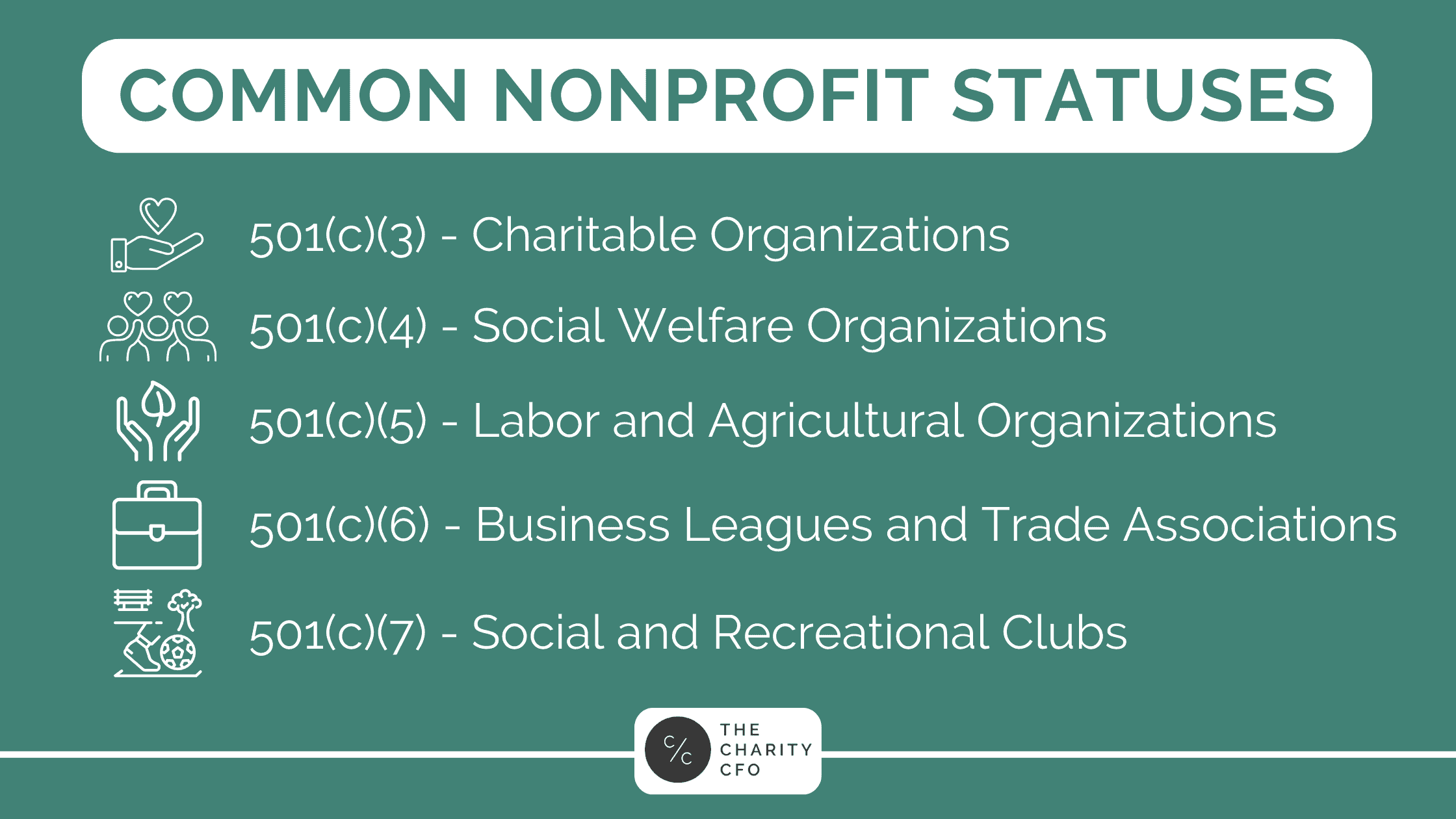
While many people immediately associate “501c” with charitable organizations, it’s important to recognize that Section 501(c) encompasses a much broader array of entities. These range from social welfare groups and labor unions to business leagues and homeowners’ associations. Each distinct classification under 501(c) is designed to accommodate organizations with different public-serving or mutually beneficial purposes, each carrying specific financial and operational requirements. The common thread among them is their non-profit nature and their exemption from certain federal taxes, which profoundly impacts their financial model and sustainability.
Key 501(c) Categories and Their Financial Distinctions
While there are over two dozen subsections under 501(c), a few are particularly prominent due to their prevalence and financial impact. Understanding these distinctions is critical for both the organizations themselves and their financial stakeholders.
501(c)(3): The Charitable Cornerstone
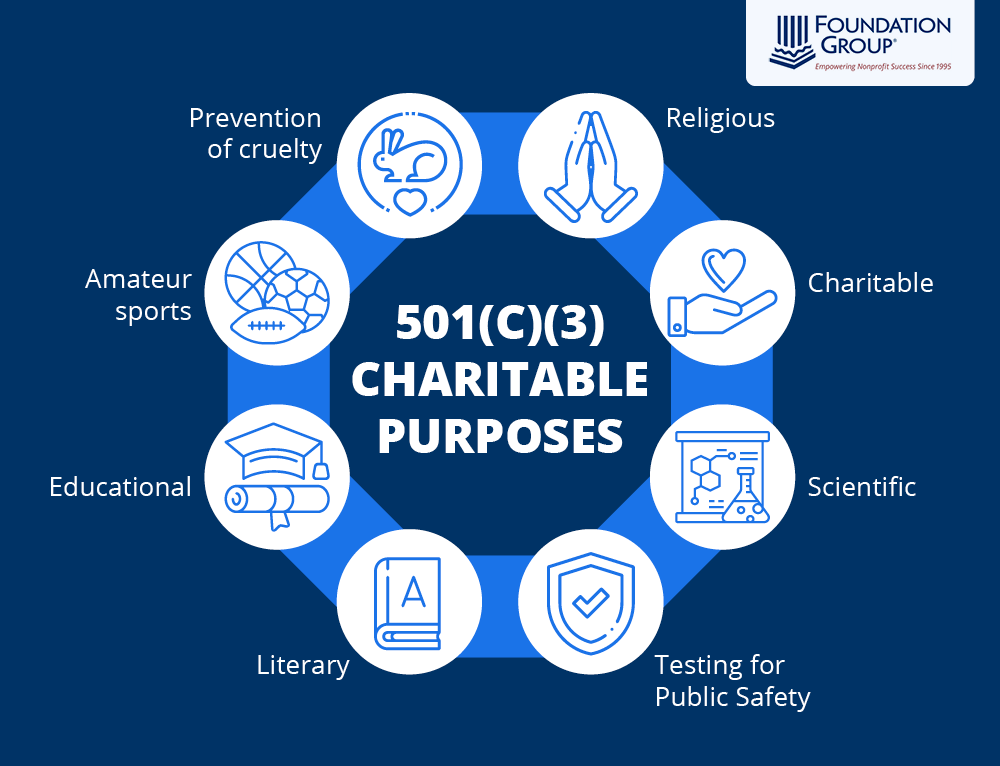
The 501(c)(3) designation is perhaps the most widely recognized and significant category under Section 501(c). This status is reserved for organizations operated exclusively for charitable, religious, educational, scientific, literary, public safety testing, amateur sports competition, or prevention of cruelty to children or animals purposes. This classification is the bedrock of the non-profit sector, encompassing hospitals, universities, churches, and countless charities.
Public Charities vs. Private Foundations
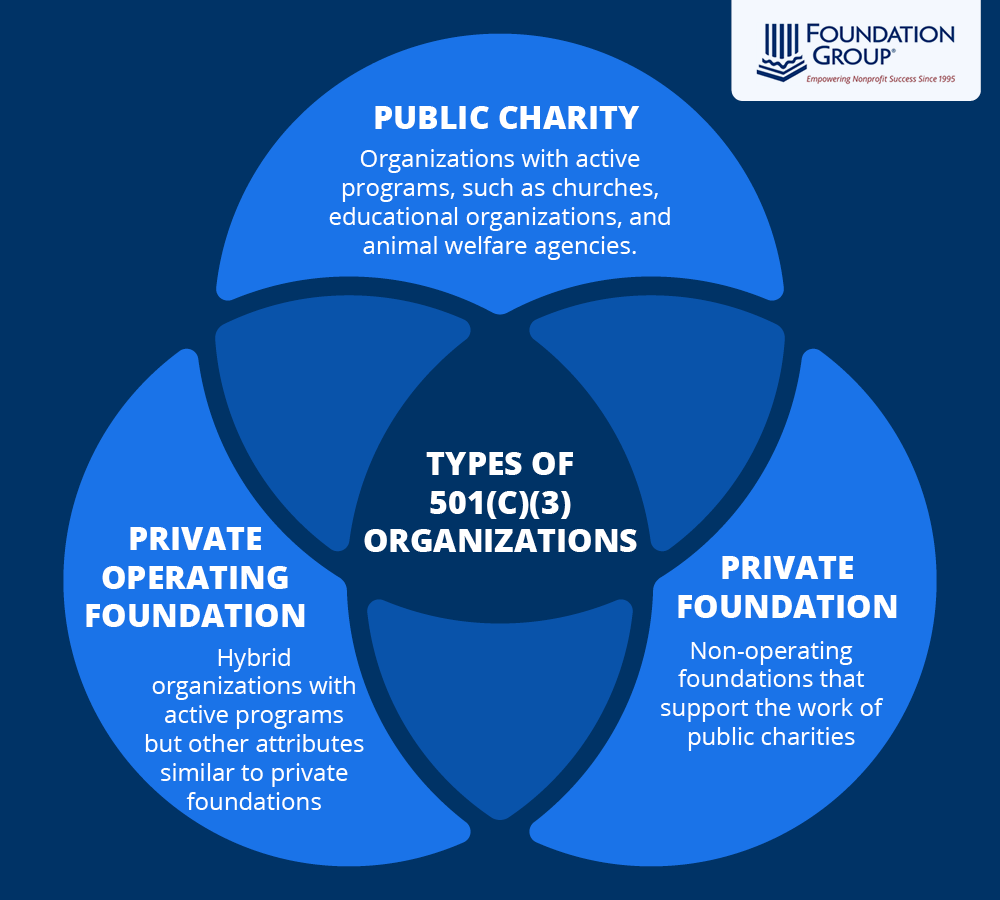
Within 501(c)(3), a critical distinction exists between “public charities” and “private foundations.” This differentiation has substantial financial implications. Public charities typically receive a substantial portion of their financial support from the general public, governmental units, or other public charities. Private foundations, conversely, usually derive their support from a small number of individuals, families, or corporations. The IRS imposes stricter financial regulations and reporting requirements on private foundations, including specific rules about payout requirements, self-dealing, and excise taxes on investment income, making their financial management more complex.
Benefits of 501(c)(3) Status
The financial benefits of 501(c)(3) status are considerable:
- Exemption from Federal Income Tax: The organization’s net earnings are not subject to federal income tax, allowing it to reinvest all revenue into its mission.
- Tax-Deductible Donations: Perhaps the most significant financial incentive, contributions made to a 501(c)(3) organization are tax-deductible for donors, encouraging charitable giving. This allows individuals and corporations to reduce their taxable income, effectively lowering the net cost of their donations.
- Eligibility for Public and Private Grants: Many foundations and government agencies only award grants to 501(c)(3) organizations, opening critical funding avenues.
- Postal Rate Discounts: Reduced postage rates can significantly lower operational costs for organizations reliant on mail communication.
- State Tax Exemptions: Many states offer corresponding income, sales, and property tax exemptions to federally recognized 501(c)(3) organizations, further reducing their financial burden.
Restrictions and Compliance
Despite the benefits, 501(c)(3) organizations face strict operational and financial restrictions. They are absolutely prohibited from participating in political campaigns for or against any candidate for public office and are limited in their lobbying activities. Their assets must be permanently dedicated to their exempt purpose. Any substantial private benefit or inurement to individuals (e.g., excessive compensation to officers) is strictly forbidden. Failure to adhere to these rules can result in the loss of tax-exempt status and significant financial penalties.
Other Notable 501(c) Designations
Beyond 501(c)(3), several other classifications serve distinct financial and social purposes:
501(c)(4): Social Welfare Organizations
These organizations are primarily engaged in promoting social welfare. Unlike 501(c)(3)s, 501(c)(4)s can engage in unlimited lobbying activities and may participate in political campaigns, though this cannot be their primary activity. Contributions to 501(c)(4) organizations are generally not tax-deductible for donors, which is a critical financial distinction. Examples include civic leagues, neighborhood improvement organizations, and “dark money” groups in politics. Their financial model often relies less on direct public donations and more on membership dues or non-deductible contributions.
501(c)(5): Labor and Agricultural Organizations
This category includes labor unions, agricultural groups, and horticultural societies. Their purpose is generally to improve the conditions of work, further the interests of members, or improve the products and efficiency of a particular industry. Like 501(c)(4)s, contributions to 501(c)(5) organizations are typically not tax-deductible. Their financial sustainability often comes from membership dues, which are usually considered business expenses for members rather than charitable contributions.
501(c)(6): Business Leagues and Chambers of Commerce
Organizations falling under 501(c)(6) are business leagues, chambers of commerce, real estate boards, or boards of trade. Their purpose is to promote the common business interests of their members and improve business conditions within a particular line of business or community. Similar to 501(c)(5)s, contributions (often membership dues) are generally not tax-deductible as charitable contributions but may be deductible as ordinary and necessary business expenses. This affects how these organizations fund their operations and the value proposition they offer to their member businesses.
The Financial Implications of 501(c) Status
The choice to pursue 501(c) status, and which specific category to apply for, is a profound financial decision that shapes an organization’s entire operational and fundraising strategy.
Tax Benefits for the Organization
The most direct financial benefit is the exemption from federal income tax. This means that an organization can allocate all its revenue—whether from donations, grants, program service fees, or investments—towards achieving its mission, rather than diverting a portion to tax liabilities. This significantly enhances its capacity to impact and grow. Additionally, many states mirror the federal exemption, granting state income, sales, and property tax relief, further reducing operational costs and freeing up resources.
Donor Deductibility: An Incentive for Giving
For 501(c)(3) organizations, the ability to offer tax-deductible contributions to donors is a powerful fundraising tool. Donors can claim a deduction for their charitable gifts, effectively reducing their taxable income. This incentive often encourages larger and more frequent donations, providing a stable financial pipeline for the organization. The lack of this benefit for other 501(c) categories (like 501(c)(4) or 501(c)(6)) means these organizations must employ different fundraising strategies, often relying on membership fees, direct service charges, or other non-deductible revenue streams.
Navigating Financial Management and Compliance
Achieving 501(c) status is only the first step. Maintaining it requires rigorous financial management and compliance. All 501(c) organizations must keep accurate financial records, operate transparently, and file annual financial reports with the IRS (Form 990, 990-EZ, or 990-PF depending on size and type). These forms provide the public with a detailed financial overview, including revenue, expenses, assets, liabilities, and compensation of key personnel. Non-compliance can lead to fines, revocation of tax-exempt status, and damage to public trust, all of which have severe financial repercussions. Organizations must also manage their investment income, unrelated business income (UBIT), and other revenue streams carefully to ensure they do not jeopardize their exempt status.
The Application Process and Ongoing Obligations
Establishing a 501(c) organization involves a structured application process and continuous adherence to regulatory requirements.
Steps to Obtain 501(c) Status
Typically, the process begins by forming a legal entity, usually a non-profit corporation, at the state level. This involves drafting articles of incorporation that clearly state the organization’s purpose and its commitment to specific exempt activities. Following state incorporation, the organization must apply to the IRS for federal tax-exempt status using Form 1023 (for 501(c)(3)s) or Form 1024 (for other 501(c) types). This application is comprehensive, requiring detailed information about the organization’s history, planned activities, governance structure, and financial data. The IRS reviews this application to ensure the organization meets all statutory requirements for its chosen classification.
Maintaining Compliance: Annual Filings and Governance
Once 501(c) status is granted, the organization enters a phase of ongoing compliance. This includes:
- Annual Reporting: Filing the appropriate IRS Form 990 series return each year, detailing financial activities, governance, and programs. Failure to file for three consecutive years results in automatic revocation of tax-exempt status.
- Maintaining Public Support (for 501(c)(3) Public Charities): Ensuring a significant portion of financial support comes from the public or a broad base of donors to avoid reclassification as a private foundation, which has stricter rules.
- Adhering to Operational Restrictions: Continuously ensuring that activities align with the exempt purpose and avoiding prohibited activities, such as excessive lobbying or political intervention for 501(c)(3)s, or private inurement for any 501(c) organization.
- Good Governance: Implementing sound financial controls, ethical practices, and an active, engaged board of directors to ensure fiscal responsibility and accountability.
Strategic Financial Planning for 501(c) Entities and Their Supporters
The “501c” designation is more than just a legal status; it’s a strategic financial decision that impacts an organization’s funding, operations, and long-term viability, as well as the financial planning of its supporters.
For Founders: Choosing the Right Classification
Founders of non-profit organizations must carefully consider which 501(c) classification best aligns with their mission and intended activities. A 501(c)(3) offers significant fundraising advantages through tax-deductible donations, but it comes with strict limitations on political activity. If advocating for specific legislation or engaging more directly in political discourse is central to the mission, a 501(c)(4) might be a more appropriate, albeit less financially attractive for donors, choice. This initial financial and strategic assessment is critical to ensuring the organization can achieve its goals sustainably.
For Donors: Due Diligence and Impact Investment
For individuals and corporations considering financial contributions, understanding an organization’s 501(c) status is paramount. Donating to a 501(c)(3) allows for a tax deduction, making it an attractive option for philanthropic giving and tax planning. For other 501(c) types, while the donation might not be deductible, supporting these organizations might align with other personal or corporate values, such as promoting a specific industry (501(c)(6)) or social cause (501(c)(4)). Savvy donors often conduct due diligence by reviewing an organization’s IRS Form 990 (available publicly) to assess its financial health, program expenditures, and governance practices, ensuring their financial contribution will be used effectively and responsibly. This informed approach turns simple giving into strategic impact investment, leveraging the unique financial framework provided by the 501(c) classifications.
aViewFromTheCave is a participant in the Amazon Services LLC Associates Program, an affiliate advertising program designed to provide a means for sites to earn advertising fees by advertising and linking to Amazon.com. Amazon, the Amazon logo, AmazonSupply, and the AmazonSupply logo are trademarks of Amazon.com, Inc. or its affiliates. As an Amazon Associate we earn affiliate commissions from qualifying purchases.