
In the intricate world of precious metals, understanding the terminology is paramount, especially when dealing with financial assets. Among the most common yet often misunderstood terms is “14k.” Far from being a mere aesthetic designation, “14k” carries significant financial weight, directly influencing the value, durability, and investment viability of gold. It refers to 14 karat gold, a specific measure of purity that represents a crucial balance between intrinsic value and practical application. For individuals navigating personal finance, considering investments in precious metals, or simply making informed purchasing decisions for high-value items, deciphering what “14k” truly means is not just academic; it’s financially savvy.
Gold, revered for millennia as a store of wealth, continues to play a vital role in diversified financial portfolios and as a tangible asset. Its purity is the fundamental determinant of its worth, and the “k” in “14k” is the linchpin of this valuation. This article will delve deep into the financial implications of 14k gold, exploring the karat system, its market value, its role as an investment, and critical financial considerations for buyers and sellers. By understanding the nuances of 14k gold, consumers and investors alike can make more informed decisions, ensuring their engagement with this precious metal is both financially sound and strategically aligned with their wealth-building objectives.
The Karat System Explained: Purity and Proportion
The karat system is the universally recognized standard for measuring the purity of gold. Unlike the carats used for gemstones, which denote weight, gold karats indicate the proportion of pure gold within an alloy. This distinction is critical for financial valuation, as the higher the karat number, the greater the gold content and, consequently, the higher the intrinsic value of the metal. Understanding this fundamental concept is the first step in appreciating the financial standing of 14k gold.
What is a Karat?
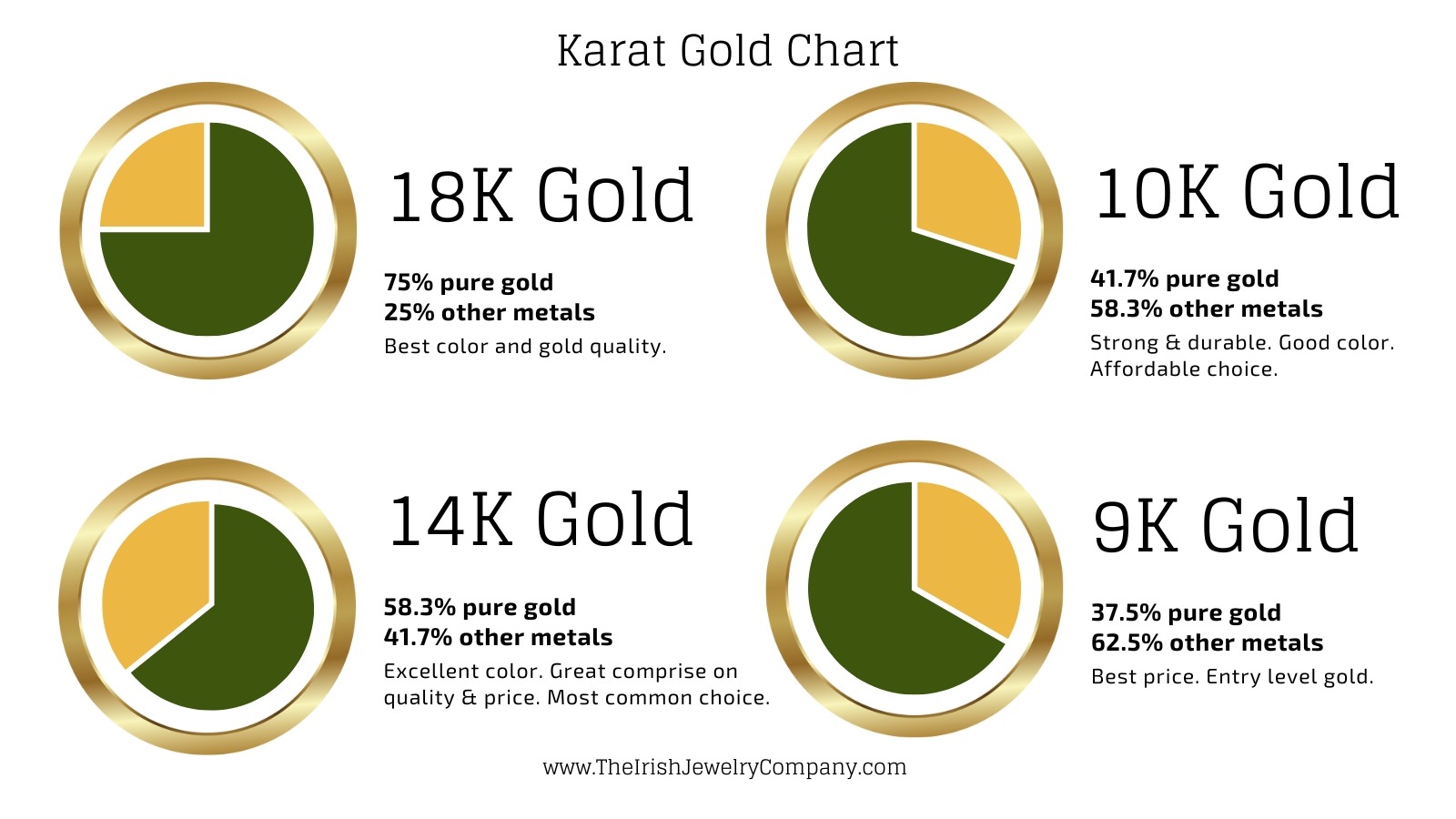
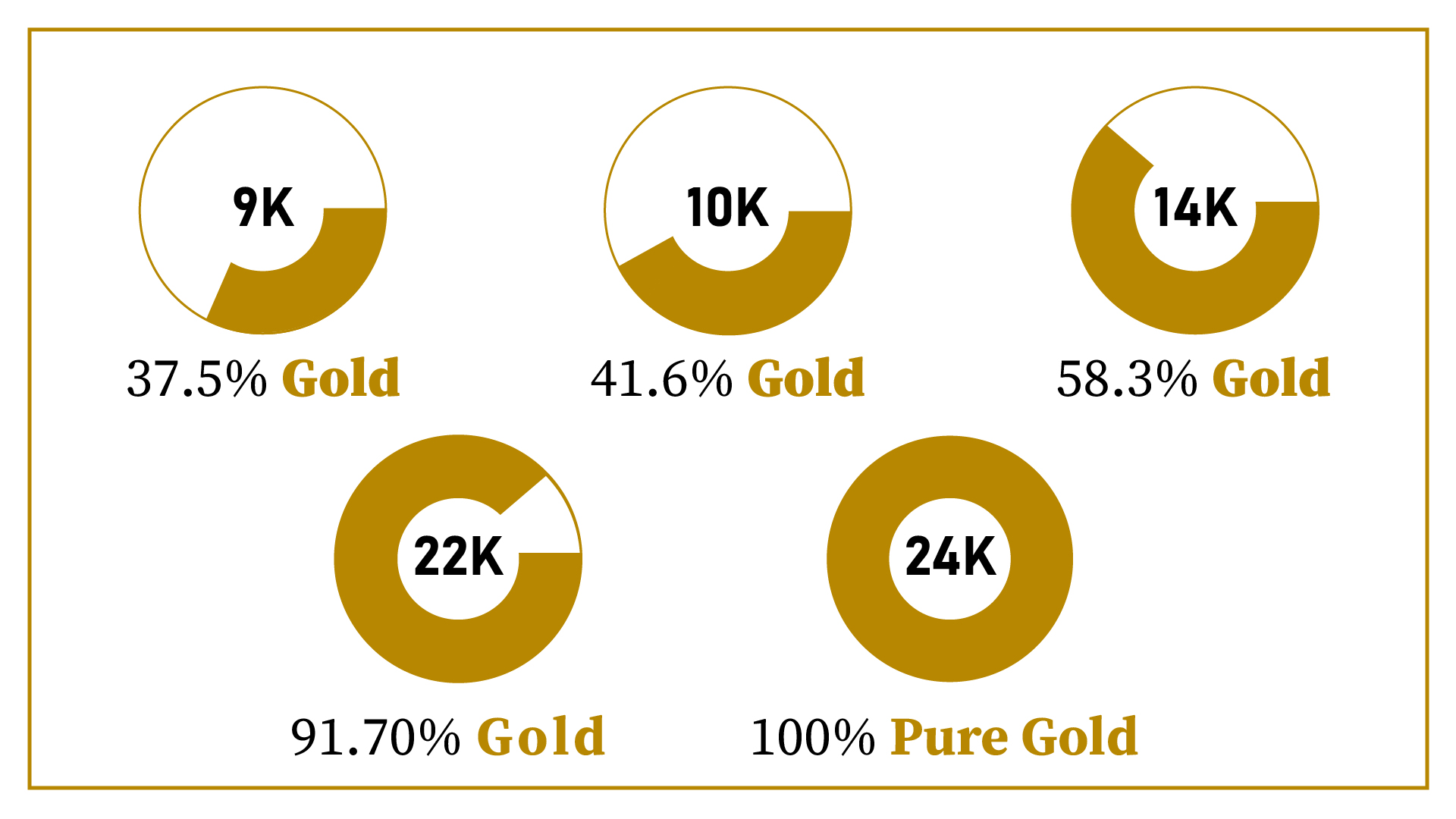
A karat is a unit of purity for gold, representing 1/24th part of pure gold by mass in an alloy. Therefore, 24 karat (24k) gold is considered 100% pure gold, or as close to it as practically achievable (often 99.9% or 99.99% pure). If a piece of gold is designated as 14k, it means that 14 out of 24 parts of its total weight are pure gold, while the remaining 10 parts are composed of other metals, known as alloys. This fraction translates to a gold purity of approximately 58.3% (14/24 = 0.5833…). This precise proportion is fundamental to its pricing and market identity. Knowing this percentage allows for direct calculation of the gold’s intrinsic value based on current market spot prices for pure gold. For instance, if pure gold is trading at X dollars per ounce, 14k gold would be valued at 0.5833 * X dollars per ounce, before considering manufacturing costs, brand premiums, or retail markups.
Why Not Pure Gold? The Practicality of Alloys
While 24k gold boasts the highest intrinsic value due to its purity, it is also incredibly soft and malleable. This inherent characteristic makes pure gold impractical for many applications, particularly for items intended for daily wear or requiring structural integrity, such as jewelry. A pure gold ring, for example, would easily bend, scratch, and deform, leading to significant wear and tear and ultimately diminishing its long-term value and aesthetic appeal. To counter this softness, pure gold is alloyed with other metals like copper, silver, nickel, or zinc. These base metals add strength, durability, and resistance to wear, making the gold more suitable for everyday use. From a financial perspective, this alloying process represents a trade-off: a slight reduction in intrinsic gold content for a significant increase in functional longevity and resilience. This practicality directly impacts consumer demand and the overall market for gold products, as durable pieces maintain their condition and resale value better over time.
Common Karat Values and Their Significance
Beyond 14k, various other karat values populate the gold market, each with its own balance of purity, durability, and financial implications.
- 24k (99.9% pure): The purest form, highly prized for investment and often found in gold bullion, coins, and some specific cultural jewelry where softness is accepted. Its financial significance lies primarily in its direct correlation to the global spot price of gold.
- 22k (91.6% pure): Frequently seen in traditional Indian and Middle Eastern jewelry, offering a good balance of high purity and moderate durability, making it more valuable than 14k but still relatively soft.
- 18k (75% pure): A popular choice for fine jewelry in many Western countries, offering a rich gold color and good durability, often considered a premium option. Its higher gold content makes it more valuable than 14k.
- 10k (41.7% pure): The minimum karatage that can legally be called “gold” in the U.S., it is the most durable due to its higher alloy content but has the lowest intrinsic gold value among common karats.
Each karat value caters to different market segments and consumer preferences, driven by a combination of budget, desired durability, and the perceived intrinsic value. For investors, higher karats generally represent a more direct investment in gold itself, while lower karats often signify a product where the craftsmanship and added durability contribute more to the overall price relative to the gold content.
14k Gold in the Market: Value, Durability, and Popularity
14k gold occupies a unique and highly popular position in the global gold market. It strikes a pragmatic balance between the intrinsic value of gold and the essential practicalities of everyday use. This equilibrium is a significant driver of its widespread adoption and financial relevance, making it a cornerstone of the jewelry industry and a common point of interaction for consumers and investors alike.
The Balance of Purity and Strength
The 14k designation represents an optimal blend of gold purity and structural integrity. With 58.3% pure gold, it retains a significant portion of gold’s inherent value and lustrous appearance, making it desirable for its precious metal content. Simultaneously, the 41.7% alloy content (typically copper, silver, nickel, or zinc) imbues it with remarkable strength and resistance to tarnish, scratches, and deformation. This enhanced durability ensures that items crafted from 14k gold can withstand the rigors of daily wear, maintaining their aesthetic appeal and structural soundness over many years. From a financial standpoint, this durability translates into better longevity and higher potential resale value compared to softer, higher-karat gold items. Pieces that resist damage require less maintenance and repair, preserving their condition and, by extension, their market worth.
Pricing 14k Gold: Factors Beyond Purity
While the gold content is the primary determinant of 14k gold’s intrinsic value, its market price is influenced by several other factors.
- Spot Price of Gold: This is the baseline, representing the current market price for one troy ounce of 24k pure gold. All gold prices, including 14k, are derived from this global benchmark.
- Manufacturing Costs: The labor, design complexity, and specialized techniques involved in crafting a piece significantly add to its final price. A highly intricate 14k gold ring will cost more than a simple chain of the same weight, reflecting the value added by skilled artistry.
- Brand Premium: Reputable jewelry brands often command higher prices due to their established reputation, quality assurance, marketing, and perceived exclusivity. Consumers are willing to pay more for the trust and status associated with certain names, which inflates the retail price beyond the raw material and manufacturing costs.
- Retail Markup: Jewelers and retailers apply a markup to cover their operational expenses, marketing, and profit margins. This can vary widely depending on the type of store, its location, and its business model.
- Economic Factors: Broader economic conditions, inflation, interest rates, and currency strength can all indirectly affect demand and pricing for gold and gold products.
Understanding these multifaceted pricing factors is crucial for anyone evaluating the true financial cost or potential return on a 14k gold item. It helps distinguish between the intrinsic metal value and the added costs of production, brand, and retail.
The Ubiquity of 14k Gold in Jewelry
14k gold’s optimal balance of value and durability has made it the prevailing choice for jewelry across North America and many other parts of the world. From engagement rings and wedding bands to necklaces, earrings, and watches, 14k gold dominates the market segment for fine jewelry intended for regular use. Its appeal stems not only from its practical resilience but also from its attractive appearance and relatively accessible price point compared to 18k or 22k gold, making it affordable for a broader consumer base without significantly compromising on the prestige of owning genuine gold. This widespread acceptance ensures a robust secondary market, contributing to its liquidity and making it a relatively easy asset to buy or sell. The consistent demand for 14k gold jewelry contributes to its stable market presence and reinforces its financial significance as a commodity in both retail and resale environments.
14k Gold as an Investment: More Than Just Adornment
While often purchased for its aesthetic appeal, 14k gold also carries an intrinsic investment value, making it a component of wealth preservation and portfolio diversification. However, it’s important to distinguish between gold as a commodity investment and gold jewelry as an asset, as the financial dynamics differ significantly.
Gold as a Safe-Haven Asset
Gold has historically served as a safe-haven asset, meaning it tends to retain or even increase its value during times of economic uncertainty, inflation, or geopolitical instability. Investors often flock to gold when stock markets are volatile or currencies are weakening, using it as a hedge against financial turmoil. While direct investments in pure gold bullion or gold ETFs are the most straightforward way to leverage gold’s safe-haven properties, the gold content within 14k items provides a diluted but still present link to this investment characteristic. The underlying gold in a 14k piece will always hold value tied to the global spot price, offering a degree of protection against inflation and currency depreciation, albeit with other factors influencing its specific market value.
Understanding the Liquidity and Resale Value of 14k Gold
The liquidity of 14k gold, particularly in jewelry form, is generally high due to its widespread market acceptance. There’s a perpetual demand for gold, whether for melting down and refining or for resale as pre-owned jewelry. When reselling 14k gold, however, it’s crucial to understand that you are primarily selling its scrap metal value. Buyers, such as refiners or pawn shops, typically pay a percentage of the current spot price for the actual gold content, often discounting for impurities, processing costs, and their profit margin. They rarely pay for the original craftsmanship, brand premium, or emotional value unless the piece is a rare antique, designer item, or contains significant gemstones. This means the resale value of a 14k gold item will almost always be significantly lower than its initial retail purchase price, sometimes by as much as 50-80% or more, depending on the item and market conditions. This substantial depreciation highlights that 14k gold jewelry is generally not a high-return investment vehicle, but rather a store of value with a recoverable portion of its intrinsic material worth.
Differentiating Investment Gold from Jewelry Gold
For serious gold investors, 14k gold jewelry is generally not the preferred medium. Investment-grade gold typically comes in the form of 24k bullion bars, coins (like American Eagles or Canadian Maples), or through gold-backed exchange-traded funds (ETFs). These forms offer direct exposure to the gold commodity price, higher purity, minimal premiums over spot price, and established liquidation channels.
- Bullion/Coins: These are valued almost exclusively on their gold content and weight, with very low premiums. They are ideal for tracking the spot price of gold directly.
- ETFs: Provide exposure to gold prices without the need for physical storage, offering high liquidity and ease of trading.
14k gold jewelry, by contrast, involves higher premiums above the gold’s intrinsic value due to manufacturing, design, and retail markups. When reselling, these premiums are largely unrecoverable. Therefore, while owning 14k gold does mean owning a tangible asset with gold content, its primary function is often adornment, with its investment aspect being secondary and less efficient than dedicated investment gold products. Financial planners would typically advise against viewing jewelry primarily as an investment, unless it has a unique historical, artistic, or collector’s value.
Financial Considerations When Buying or Selling 14k Gold
Engaging with the 14k gold market, whether as a buyer or a seller, requires careful financial due diligence. Understanding valuation methods, market dynamics, and transactional specifics is key to maximizing value and avoiding potential pitfalls.
Appraisals and Authentication: Protecting Your Investment
Before any significant purchase or sale of 14k gold, particularly for items with potentially high value or sentimental importance, obtaining an independent appraisal is a wise financial move. A certified gemologist or appraiser can accurately assess the gold’s karatage, weight, and any accompanying gemstones, providing an objective valuation. This appraisal offers several financial benefits:
- Fair Pricing: It ensures you are paying a fair price when buying or receiving a fair offer when selling, especially for items with significant craftsmanship or additional components beyond the gold itself.
- Insurance Purposes: For expensive items, an appraisal is essential for obtaining adequate insurance coverage, protecting your financial asset against loss, theft, or damage.
- Authentication: It verifies the authenticity of the gold and gemstones, safeguarding against counterfeits or misrepresentations that could lead to financial losses.
Always seek an appraiser who is independent of the seller or buyer to guarantee unbiased financial assessment.
Market Fluctuations and Timing Your Transactions
The price of gold, including that of 14k gold, is subject to continuous fluctuations driven by global economic news, political events, currency movements, and investor sentiment. Understanding these market dynamics is crucial for timing your buying or selling decisions to optimize financial outcomes.
- Buying: Purchasing gold when prices are lower can lead to better long-term value. Conversely, buying during peak demand (e.g., periods of high inflation) might mean paying a premium.
- Selling: Monitoring the spot price of gold can help sellers decide when to liquidate their assets. Selling during a rising market can yield better returns.
- Long-Term vs. Short-Term: For most consumers, 14k gold jewelry is a long-term asset. Short-term speculation on 14k jewelry is generally not profitable due to the wide buy-sell spread. However, for those with significant gold holdings, strategic timing can impact the financial return.
Keeping an eye on financial news and commodity market trends can provide valuable insights for making informed decisions regarding 14k gold.
Taxation and Estate Planning for Gold Assets
The financial implications of owning 14k gold extend to taxation and estate planning.
- Capital Gains Tax: In many jurisdictions, if you sell gold for a profit, it may be subject to capital gains tax. The specific rates and rules vary based on the holding period (short-term vs. long-term) and the type of gold asset. For physical gold, tracking the original purchase price is essential for calculating potential gains.
- Sales Tax: When purchasing 14k gold jewelry, sales tax typically applies, adding to the initial cost. Some states or countries may exempt certain types of investment gold from sales tax, but this usually doesn’t apply to jewelry.
- Estate Planning: For individuals with substantial gold holdings, including valuable 14k items, incorporating these assets into estate planning is crucial. Proper documentation, valuation, and clear directives in a will can ensure a smooth transfer of assets to heirs and minimize potential tax liabilities or disputes. Understanding the tax basis of gold assets for heirs is also important for future sales. Consulting with a financial advisor or tax professional is highly recommended to navigate these complex financial aspects effectively.
Beyond 14k: Other Karats and Their Financial Implications
While 14k gold holds a prominent position, the broader spectrum of gold karats each offers distinct financial profiles. Understanding these differences allows for a more nuanced approach to gold acquisition, investment, and valuation.
Higher Karats (18k, 22k, 24k): Purity vs. Practicality
As karat purity increases beyond 14k, the financial equation shifts towards higher intrinsic value and often, greater softness.
- 18k Gold (75% pure): Represents a premium choice in many markets. It offers a richer, more vibrant gold color than 14k and significantly higher gold content, making it more valuable per gram. Financially, 18k items will fetch a higher price for their gold content, but they are also softer and more prone to scratching or bending than 14k, potentially impacting their long-term aesthetic value if not cared for properly. It commands a higher initial price point but offers a more substantial investment in pure gold.
- 22k Gold (91.6% pure): Predominantly used in culturally significant jewelry where gold’s inherent purity is paramount, such as in parts of Asia and the Middle East. Its very high gold content makes it considerably more valuable per unit of weight than 14k or 18k. However, its increased softness means it is less practical for intricate designs that require rigidity or for items subjected to heavy wear. As an asset, it is closer to investment-grade gold due to its high purity, often being bought and sold more directly based on its gold weight.
- 24k Gold (99.9% pure): The purest form, it is the benchmark for all gold valuation. As a financial asset, 24k gold, usually in the form of bullion or coins, offers the most direct exposure to the global gold price. Its investment appeal lies solely in its metal content, with minimal premiums over the spot price. It is extremely soft and rarely used for jewelry meant for daily wear, highlighting the fundamental trade-off between purity and practical durability that drives market demand for different karats.
Lower Karats (10k, 9k): Affordability vs. Value
Conversely, lower karat gold options prioritize affordability and extreme durability over high gold content.
- 10k Gold (41.7% pure): The minimum standard for “gold” in many countries (including the U.S.), 10k gold is very durable and resistant to scratching and tarnishing due to its high alloy content. Financially, its lower gold purity means it has a significantly lower intrinsic value compared to 14k, 18k, or 24k. This makes it a more budget-friendly option for jewelry, particularly for pieces that need to withstand rougher treatment, but its resale value based purely on gold content will be the lowest among common karats.
- 9k Gold (37.5% pure): Common in the UK and Australia, 9k gold has an even lower gold content than 10k. While extremely durable and very affordable, its value as an investment or for its precious metal content is minimal. Buyers are primarily purchasing an alloy with a small percentage of gold, rather than a significant gold asset.
These lower karat options broaden the accessibility of gold products to different financial segments of the market, but it’s crucial for consumers to understand that they are acquiring an item where the design, manufacturing, and brand contribute more to the price than the gold itself.
White Gold, Rose Gold, and Other Alloys: Aesthetic vs. Financial Impact
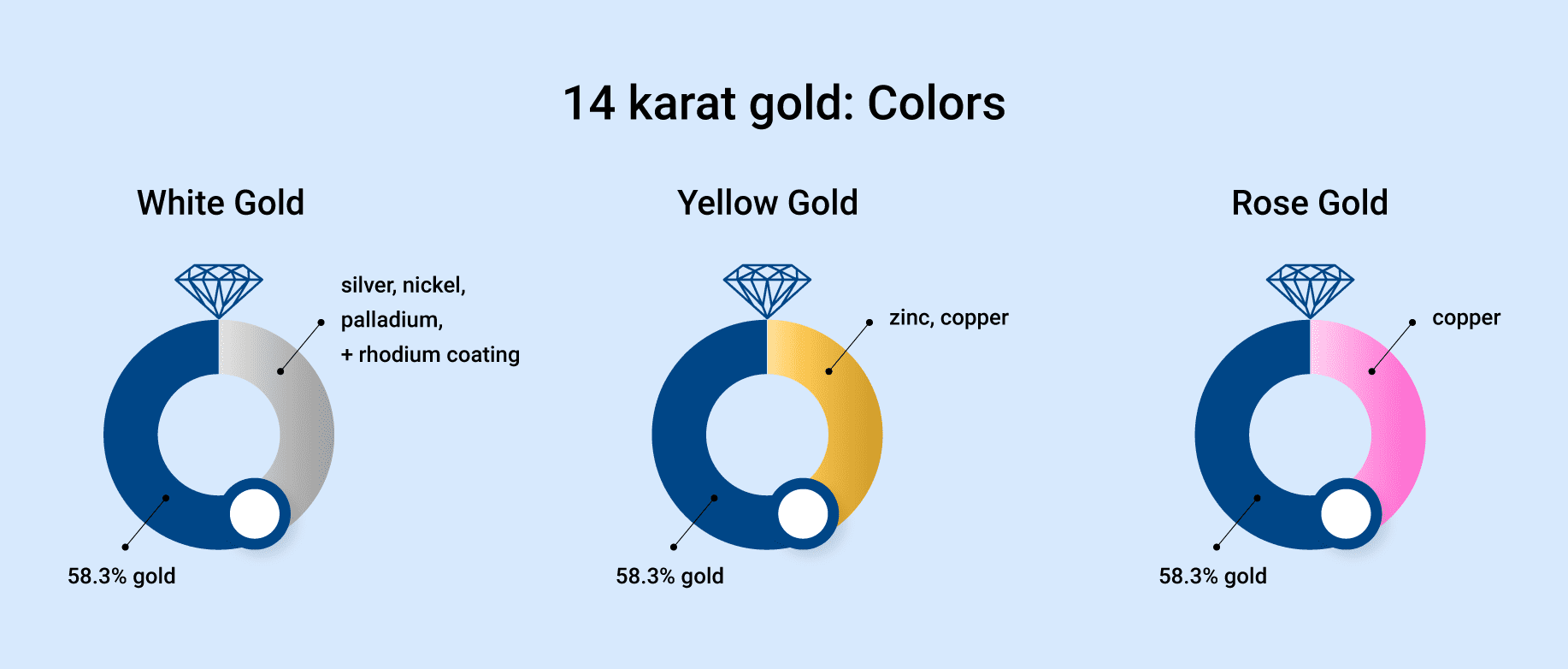
The color of gold is determined by the specific alloys mixed with pure gold, which also has financial implications.
- White Gold: Created by alloying pure gold with white metals like palladium, silver, or nickel, and often plated with rhodium. While aesthetically distinct, its financial value is still dictated by its karat weight (e.g., 14k white gold has the same gold content as 14k yellow gold). However, rhodium plating wears off over time, requiring re-plating, which is an additional maintenance cost that can subtly affect long-term ownership costs and potentially resale value if the item is not in pristine condition.
- Rose Gold: Achieved by mixing pure gold with a higher proportion of copper, giving it its distinctive reddish hue. Like white gold, its financial value is tied to its karat purity, identical to its yellow or white counterparts. Rose gold’s color is inherent and does not require plating, avoiding the associated maintenance costs of white gold.
The choice of gold color is primarily an aesthetic one, but understanding that the underlying karat purity dictates the gold’s intrinsic financial value, regardless of its hue, is key. Any additional plating or specific alloy components might introduce marginal differences in maintenance or niche market appeal, but the core financial assessment remains anchored to the karat.
In conclusion, “14k” is far more than a simple label; it’s a critical financial indicator. It represents a calculated balance in the gold market, offering an optimal blend of intrinsic value, durability, and affordability that caters to a broad consumer base. For anyone engaging with gold – whether for personal adornment, wealth preservation, or strategic investment – a thorough understanding of what 14k means within the broader karat system is indispensable. It empowers individuals to make financially astute decisions, ensuring they comprehend the true value, market dynamics, and potential returns of their precious metal assets, aligning their acquisitions with their overarching financial goals.
aViewFromTheCave is a participant in the Amazon Services LLC Associates Program, an affiliate advertising program designed to provide a means for sites to earn advertising fees by advertising and linking to Amazon.com. Amazon, the Amazon logo, AmazonSupply, and the AmazonSupply logo are trademarks of Amazon.com, Inc. or its affiliates. As an Amazon Associate we earn affiliate commissions from qualifying purchases.