
The allure of numbers transcends mere quantitative value; they carry potent symbolic weight, capable of shaping perceptions and resonating with audiences on a deeper level. In the realm of branding, understanding such symbolic meanings can be a powerful tool for crafting a compelling and memorable identity. While the number 14 might seem arbitrary at first glance, its significance within Hebrew tradition offers a rich tapestry of meanings that can be strategically woven into brand narratives, logo design, and marketing campaigns. This exploration delves into the multifaceted meaning of the number 14 in Hebrew, illuminating its potential applications and implications for businesses seeking to forge a distinct and resonant brand presence.

The Numerical and Linguistic Roots of 14 in Hebrew
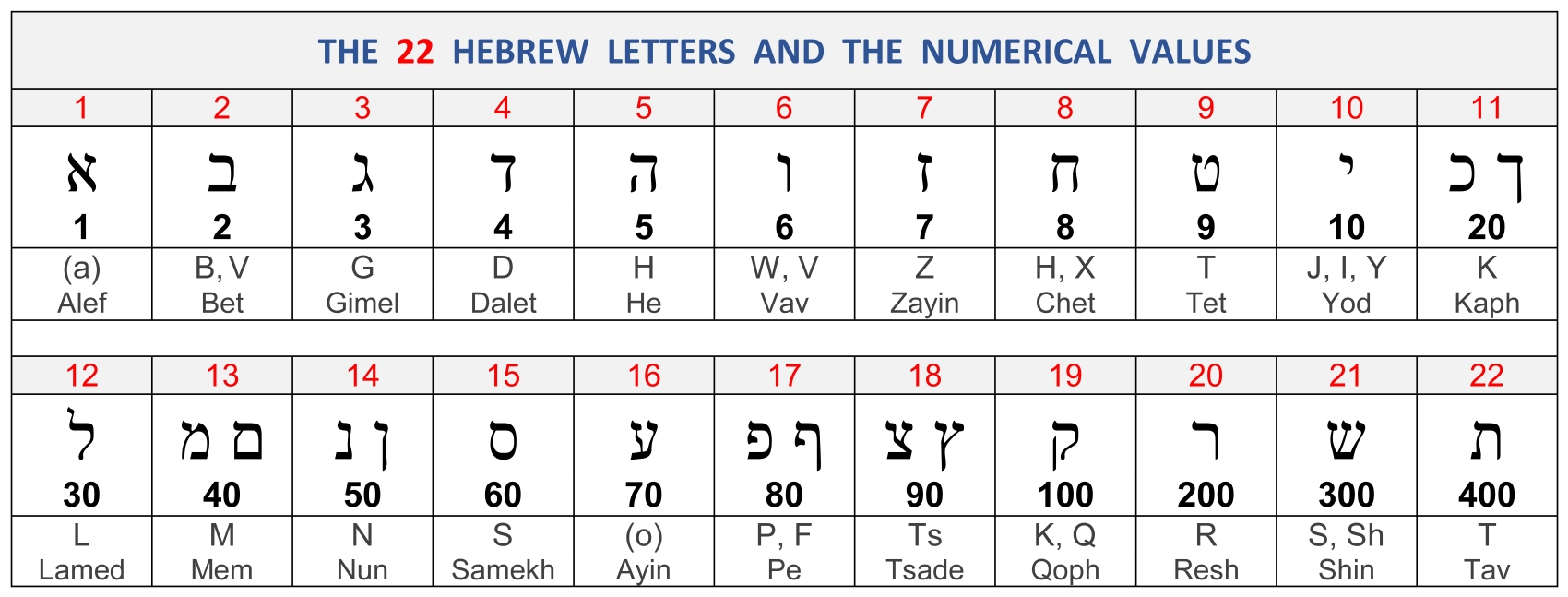
At its core, the number 14 in Hebrew is derived from the Hebrew alphabet and its associated numerical values, known as Gematria. This ancient system assigns a numerical value to each letter, allowing for the interpretation of words and phrases based on their numerical sum. Understanding this foundation is crucial to appreciating the symbolic depth of 14.
Gematria: The Foundation of Numerical Meaning
Gematria is a method of interpreting scripture by calculating the numerical value of Hebrew words and phrases. Each of the 22 Hebrew letters has a numerical equivalent, and when words are spelled out, their constituent letters’ values are added together. This process can reveal hidden connections and layers of meaning that are not apparent in a literal translation. The number 14, in this context, emerges from specific Hebrew words that resonate with significant concepts.
Key Hebrew Words Associated with 14
The most prominent Hebrew word whose Gematria equals 14 is “דוד” (David). This is not a coincidental association. King David, a central figure in Jewish history and tradition, is revered for his leadership, his poetic psalms, and his role as the ancestor of the Messiah. The numerical value of “דוד” is derived from:
- Dalet (ד): Value of 4
- Vav (ו): Value of 6
- Dalet (ד): Value of 4
Adding these together: 4 + 6 + 4 = 14.
This direct link to King David imbues the number 14 with a profound set of associated meanings. It connects the number to concepts of leadership, kingship, divine favor, strength, courage, and a legacy of enduring significance. Beyond David, other Hebrew words may also add up to 14, potentially carrying related or complementary meanings, though the association with David is by far the most culturally dominant.
Symbolism and Conceptual Meanings of 14 for Branding
The Gematria of 14, particularly its strong connection to King David, opens up a rich symbolic landscape. These symbolic meanings can be directly translated into brand attributes and messaging, allowing businesses to convey specific values and aspirations to their target audience.
Leadership, Strength, and Legacy
The most immediate association with the number 14, through its link to David, is leadership. Brands seeking to position themselves as authoritative, pioneering, or exemplary in their field can leverage this symbolism. It speaks to a brand that is not afraid to take the lead, to innovate, and to set new standards. This can be particularly relevant for companies in industries that require strong direction and vision, such as management consulting, strategic planning, or high-performance technology.
Furthermore, David was known for his strength, both physical and spiritual, in overcoming challenges. This translates to a brand that embodies resilience, determination, and the ability to overcome obstacles. For a brand facing a competitive market or aiming to communicate its robust and reliable nature, the symbolism of 14 can be a powerful amplifier. It suggests a company that is built to last, with a strong foundation and an unwavering commitment to its mission.
The concept of legacy is also intrinsically linked to King David. He established a dynasty and a foundational narrative for his people. Brands can adopt this symbolism to convey a sense of enduring value, timelessness, and a commitment to creating something that will outlast immediate trends. This is ideal for brands that focus on heritage, craftsmanship, or long-term impact, such as luxury goods, artisanal products, or organizations with a strong social mission.
Divine Favor and Blessing
In Jewish tradition, King David was considered to be divinely chosen. This imbues the number 14 with a sense of divine favor, blessing, and good fortune. For brands, this can translate into a message of being blessed with success, having a favorable outlook, or being guided by a higher purpose. This symbolism can be particularly effective for brands in sectors that appeal to spirituality, ethical consumerism, or businesses that aim to convey a sense of inherent goodness and positive destiny.
Harmony and Completion (Theoretically)
While not as direct as the Davidic connection, the number 14 can also be seen in broader numerological contexts. It is the sum of two sevens (7 + 7), and the number seven is often associated with completeness and perfection in many cultures. While this is a more abstract interpretation, it can suggest a brand that strives for balance, harmony, and a sense of wholeness. A brand that offers integrated solutions, holistic approaches, or aims to bring order and balance to its customers’ lives might find resonance in this interpretation.
Applying the Meaning of 14 in Brand Strategy
The symbolic weight of the number 14 can be integrated into various aspects of brand strategy, from its core identity to its outward communication. Careful and authentic application is key to ensuring that the symbolism enhances, rather than detracts from, the brand’s message.
Logo Design and Visual Identity
The number 14 can be subtly incorporated into a brand’s visual identity. This might involve:
- Abstract Representations: Using visual elements that subtly allude to the number 14, without being overly literal. For instance, two prominent, connected shapes could represent the two “1”s, or a design element that incorporates elements reminiscent of the Hebrew letter Dalet.
- Color Palettes: Colors associated with royalty, strength, and divine favor (e.g., deep blues, purples, gold) could be employed to subtly echo the symbolism.
- Typography: Selecting fonts that convey strength, elegance, and a sense of history can further reinforce the message associated with 14.
It is crucial to avoid overt or cliché representations. The aim is to imbue the brand’s visual language with a deeper meaning that resonates on a subconscious level.
Brand Naming and Taglines
While directly naming a brand “14” might be too direct or lack broad appeal, the concept can inform naming conventions or taglines.
- Subtle Allusions in Names: A brand name could indirectly hint at the concept of leadership, legacy, or divine favor without explicitly stating the number. This could involve names that evoke historical significance, pioneering spirit, or aspirational qualities.
- Tagline Reinforcement: A tagline can serve to communicate the underlying message of 14. For example, a tagline like “Leading the Way for Generations” or “Built on Strength, Guided by Vision” directly taps into the symbolic meanings derived from the number.
Marketing and Storytelling
The narrative surrounding a brand is paramount, and the symbolism of 14 provides fertile ground for storytelling.
- Highlighting Resilience and Heritage: Brands can share stories of overcoming challenges, their enduring commitment to quality, or their long-standing history. This aligns with the strength and legacy aspects of 14.
- Emphasizing Visionary Leadership: Marketing campaigns can showcase the brand’s innovative spirit, its role as an industry leader, and its forward-thinking approach.
- Connecting with Purpose and Values: Brands that operate with a strong ethical compass or a mission that transcends profit can leverage the idea of divine favor and positive impact. This resonates with the aspirational and purposeful aspects associated with the number.
Considerations and Pitfalls in Using Numerical Symbolism
While the symbolic meaning of 14 in Hebrew offers significant potential for brand differentiation, it’s essential to approach its application with careful consideration and cultural sensitivity. Misinterpretation or inappropriate use can lead to unintended consequences.
Authenticity and Cultural Sensitivity
The most critical factor in leveraging the meaning of 14 is authenticity. Brands should only adopt this symbolism if it genuinely aligns with their core values, mission, and the story they wish to tell. Attempting to co-opt a culturally significant number without a genuine connection can be perceived as opportunistic or inauthentic, leading to brand damage.
When drawing from Hebrew traditions, it’s vital to do so respectfully. This means understanding the context and historical significance of the number and its associated concepts, rather than simply using it as a superficial marketing gimmick. Brands should consider their target audience and whether this symbolism will be understood and appreciated, or if it might be perceived as exclusionary or alienating.
Avoiding Overt or Confusing Associations
While the connection to King David is strong, overly literal or obscure interpretations can confuse the audience. The symbolism should enhance the brand’s message, not become a puzzle for consumers to solve. The goal is to evoke a feeling, an association, or a set of values, rather than to present a riddle.
For example, while a brand might have a logo with two distinct but connected elements, explicitly stating “this represents the two Dalets in David, whose Gematria is 14” is likely to be lost on most consumers and might even seem unnecessarily complex. Instead, the visual design should convey strength and connection, with the deeper meaning serving as an internal guiding principle for the brand.
Targeting the Right Audience
The effectiveness of using the number 14’s Hebrew meaning will also depend on the brand’s target audience. If the brand operates in a market where cultural understanding of Hebrew numerology is limited, the intended impact might be diminished. Conversely, for brands targeting a demographic that appreciates historical depth, cultural nuance, or has an affinity for Jewish heritage, this symbolism can be particularly potent. A thorough understanding of the audience’s cultural context is paramount.

Conclusion: Weaving the Power of 14 into a Brand Narrative
The number 14, steeped in the rich traditions of Hebrew Gematria and powerfully linked to the figure of King David, offers a compelling foundation for brand identity. Its associations with leadership, strength, legacy, and even divine favor provide a robust symbolic framework that can elevate a brand’s perception and resonate deeply with its audience.
For businesses looking to forge a distinct and meaningful brand, understanding and strategically applying the symbolism of 14 can be a significant differentiator. Whether integrated into visual design, brand messaging, or storytelling, the number 14 can serve as a potent reminder of enduring values and aspirational qualities. When approached with authenticity, cultural sensitivity, and a clear strategic intent, the seemingly simple numerical value of 14 can transform into a powerful narrative element, weaving a tale of strength, purpose, and lasting impact for the brand that embraces its profound meaning.
aViewFromTheCave is a participant in the Amazon Services LLC Associates Program, an affiliate advertising program designed to provide a means for sites to earn advertising fees by advertising and linking to Amazon.com. Amazon, the Amazon logo, AmazonSupply, and the AmazonSupply logo are trademarks of Amazon.com, Inc. or its affiliates. As an Amazon Associate we earn affiliate commissions from qualifying purchases.