
The process of diagnosing Autism Spectrum Disorder (ASD) has historically been viewed as a subjective clinical art, relying heavily on the observational skills of a trained professional. However, as we move further into the decade of digital transformation, the question of “what doctor diagnoses autism” is increasingly being answered by a synergy of high-level medical expertise and cutting-edge HealthTech. Today, the diagnosis is not just a result of a conversation; it is the output of sophisticated algorithms, digital screening tools, and data-driven assessments.
For parents, educators, and healthcare providers, understanding the technological landscape of ASD diagnosis is essential. The integration of AI, telehealth, and specialized software is not replacing the specialist; rather, it is empowering a specific group of doctors to provide faster, more accurate, and more accessible evaluations.

The Evolution of Autism Screening: From Clinical Observation to Digital Tools
In the traditional medical model, the journey to a diagnosis often began with a paper-and-pencil questionnaire in a pediatrician’s office. Today, the “front door” of autism diagnosis has been digitized, significantly reducing the time between the first concern and the professional evaluation.
Digital Screening Apps and Pre-diagnostic Software
The Modified Checklist for Autism in Toddlers (M-CHAT) remains a gold standard for initial screening, but its digital evolution has changed how data is captured. Modern HealthTech platforms allow parents to complete these screenings via mobile apps that use branching logic to provide more nuanced data to clinicians. Some software-as-a-service (SaaS) platforms now utilize “nudge” technology to remind parents of developmental milestones, ensuring that the window for early intervention is never missed. These tools serve as the preliminary data layer that a diagnosing doctor reviews before the first appointment.
Telehealth: Breaking Geographic Barriers for Specialists
One of the most significant technological shifts in the medical field is the rise of specialized telehealth platforms. For families in rural areas, access to a developmental specialist was once a logistical nightmare. Now, HIPAA-compliant video conferencing software, integrated with high-definition cameras and remote observation tools, allows specialists to conduct behavioral observations in the child’s natural home environment. This “virtual clinic” model provides doctors with a more authentic view of a child’s behavior than a clinical setting might allow, all while utilizing secure cloud storage for longitudinal data tracking.
AI and Machine Learning: The New Frontier in Diagnostic Accuracy
As we look at the specific technology used by the doctors who diagnose autism, Artificial Intelligence (AI) stands out as the most transformative force. AI is not diagnosing children independently, but it is providing “clinical decision support” that enhances the specialist’s ability to spot patterns that the human eye might miss.
Computer Vision and Eye-Tracking Technology
A hallmark of autism is a difference in social visual engagement. Specialized diagnostic centers now utilize eye-tracking hardware and computer vision software to analyze exactly where a child focuses their attention when presented with social stimuli. AI algorithms can process these gaze patterns at a frame-by-frame level, comparing the data against vast datasets of both neurotypical and neurodivergent visual behaviors. When a doctor reviews these automated reports, they have objective, quantifiable data to support their clinical impressions.
Natural Language Processing (NLP) in Behavioral Analysis
Speech-language pathologists and psychologists are increasingly using Natural Language Processing (NLP) tools to analyze speech patterns, prosody, and vocabulary usage. These AI tools can detect subtle linguistic markers of autism—such as echolalia or atypical intonation—more consistently than a human listener might during a brief session. By feeding audio recordings into an NLP engine, the diagnosing physician receives a detailed breakdown of communication markers, which serves as a vital component of the comprehensive diagnostic report.
The Specialists: Who Operates the Technology?
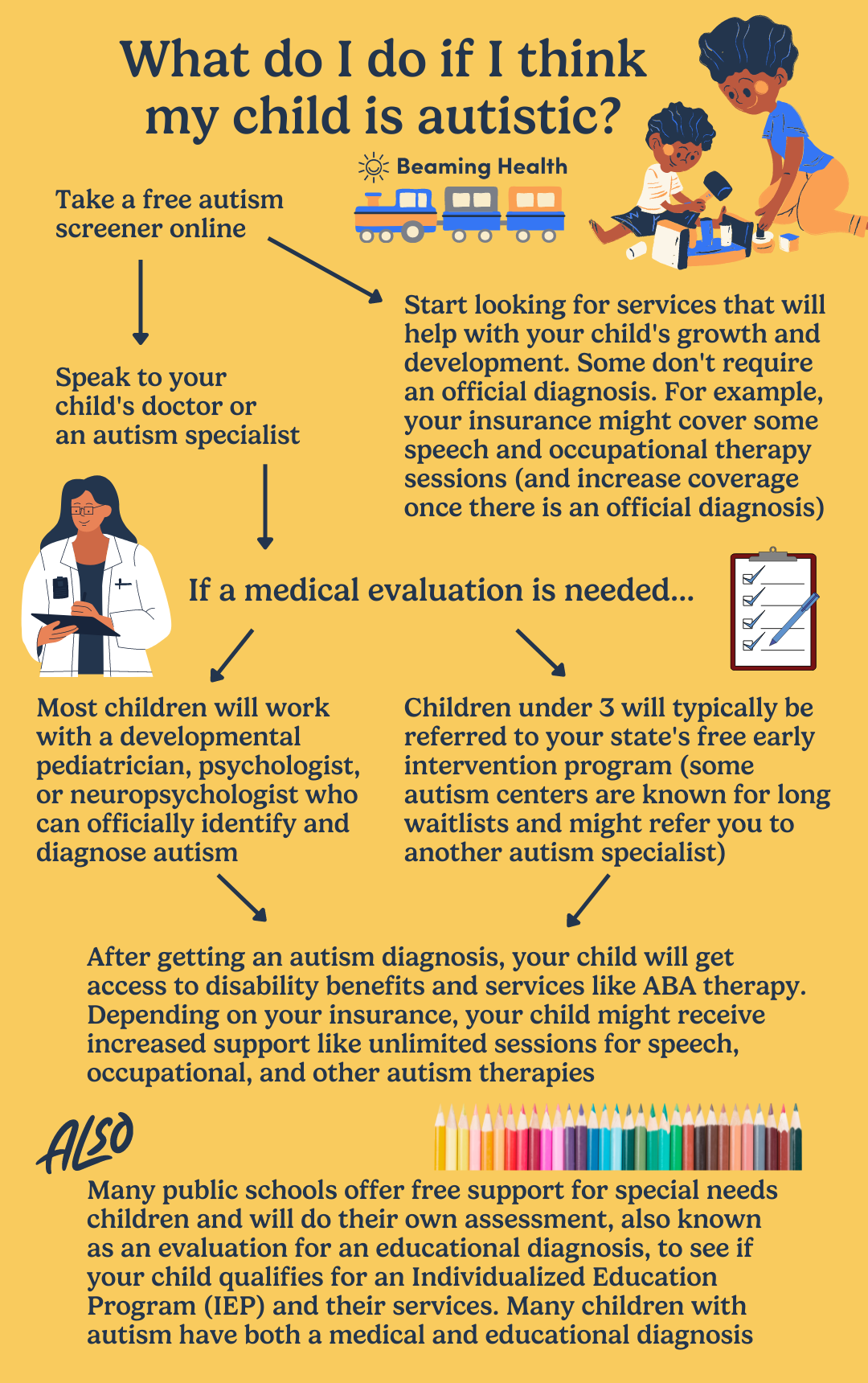
While the tech is impressive, the diagnosis still requires a “human in the loop.” Several types of doctors are qualified to diagnose autism, and each utilizes specific technological stacks to perform their evaluations.
Developmental Pediatricians and Digital Health Records
Developmental-behavioral pediatricians are highly trained in the physical and emotional aspects of child development. In modern practice, these specialists utilize Advanced Electronic Health Records (EHRs) that are specifically designed for neurodevelopmental tracking. These systems aggregate data from multiple sources—teachers, therapists, and parents—into a unified dashboard, allowing the doctor to see a 360-degree view of the child’s development over time.
Child Psychologists and Computer-Aided Assessment Tools
Child psychologists often administer the Autism Diagnostic Observation Schedule (ADOS-2), considered the “gold standard” for diagnosis. Tech companies have developed digital scoring systems for the ADOS and the Autism Diagnostic Interview-Revised (ADI-R). These software solutions minimize manual calculation errors and allow psychologists to generate comprehensive, data-rich reports that can be easily shared with school districts and insurance providers through secure portals.
Pediatric Neurologists and Advanced Neuroimaging Tech
In some cases, a pediatric neurologist is called upon to rule out other neurological conditions, such as epilepsy or structural brain abnormalities. These doctors utilize advanced neuroimaging technology, such as fMRI (functional Magnetic Resonance Imaging) and EEG (electroencephalogram). While an MRI is not used to “diagnose” autism directly, the software used to analyze brain connectivity patterns is a burgeoning field of research that may soon provide biological markers for the disorder.
Data Security and Privacy in Neurodevelopmental Diagnostics
With the influx of digital data comes the critical responsibility of security. The doctors who diagnose autism are handling some of the most sensitive personal information imaginable. Therefore, the “Tech” side of the diagnosis involves a robust infrastructure focused on cybersecurity.
HIPAA-Compliant Software Solutions
Every tool used in the diagnostic process—from the video platform used for telehealth to the cloud server storing eye-tracking data—must adhere to strict HIPAA (Health Insurance Portability and Accountability Act) standards in the US, or GDPR in Europe. Doctors now invest heavily in end-to-end encrypted communication tools and multi-factor authentication systems to ensure that a child’s diagnostic journey remains private.
Blockchain for Secure Medical Data Sharing
A growing trend in HealthTech is the use of blockchain technology to manage medical records. Because an autism diagnosis often involves a multidisciplinary team (pediatricians, speech therapists, OTs, and schools), sharing data securely is a major hurdle. Blockchain offers a decentralized way for parents to “own” their child’s diagnostic data and grant temporary, secure access to various providers, ensuring that the diagnostic “truth” is never tampered with or lost in transit between offices.
The Future of HealthTech in Autism Management
The diagnosis is only the beginning. The future of this field lies in how technology continues to support both the doctor and the patient long after the initial “what doctor diagnoses autism” question has been answered.
Wearable Tech for Continuous Monitoring
We are entering an era of “wearable diagnostics.” Smartwatches and biosensors can now track physiological markers of stress and anxiety in real-time. For a diagnosing physician, this data offers a “window” into the child’s daily life that a one-hour office visit cannot provide. Future diagnostic criteria may include “autonomic signatures” captured by wearables, helping doctors tailor interventions to a child’s specific physiological needs.

Personalized Medicine through Genomic Data Analysis
Finally, the intersection of biotechnology and data science is opening doors to genomic screening. By using high-throughput sequencing technology, doctors can identify specific genetic mutations associated with autism. This allows for a move toward “personalized medicine,” where the diagnosis is not just “autism,” but a specific genetic subtype that points toward the most effective tech-assisted therapies and medical treatments.
In conclusion, the question of who diagnoses autism is inextricably linked to the technology they use. Whether it is a developmental pediatrician using an AI-driven screening tool or a psychologist utilizing digital assessment software, the modern diagnostic process is a masterpiece of HealthTech integration. As these tools become more refined, we can expect earlier diagnoses, more precise interventions, and ultimately, better outcomes for neurodivergent individuals in a digitally connected world.
aViewFromTheCave is a participant in the Amazon Services LLC Associates Program, an affiliate advertising program designed to provide a means for sites to earn advertising fees by advertising and linking to Amazon.com. Amazon, the Amazon logo, AmazonSupply, and the AmazonSupply logo are trademarks of Amazon.com, Inc. or its affiliates. As an Amazon Associate we earn affiliate commissions from qualifying purchases.