
In the high-stakes theater of modern business, the “Unicorn” has long been the protagonist. This mythical creature, representing a startup valued at over $1 billion, has dictated the lexicon of brand strategy for over a decade. The Unicorn’s roar is one of disruption, hyper-growth, and market dominance. But as the global economy shifts toward sustainability, social responsibility, and long-term viability, a new voice is emerging in the corporate wilderness.
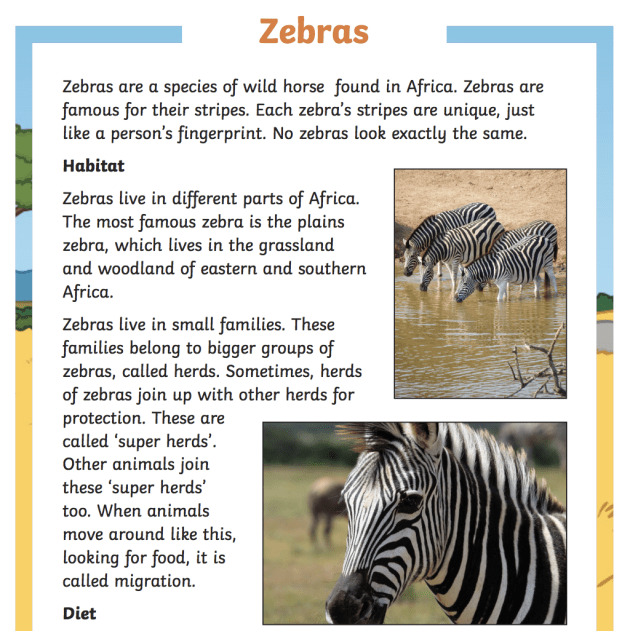
When we ask, “What do zebras say?” we are not looking for a phonetic imitation of an African equid. Instead, we are looking at a burgeoning movement in brand strategy and corporate identity. “Zebra” companies are businesses that are both black and white—profitable and purposeful. Unlike the solitary, mythical Unicorn, Zebras are real, they are social, and they thrive in a “dazzle” (the collective noun for zebras).
This article explores the communicative power of the Zebra brand, detailing how companies are shifting their brand strategy from aggressive disruption to sustainable, community-driven identity.
The Zebra Manifesto: Beyond the Unicorn Myth
For years, the gold standard of brand success was the “hockey stick” growth curve. This narrative was built on the “Move Fast and Break Things” ethos, where brand identity was often a secondary consideration to market capture. However, the cracks in the Unicorn model—evidenced by burnout, ethical lapses, and unsustainable burn rates—have led to the rise of the Zebra brand.
From Mythical Beasts to Real-World Results
A Zebra brand does not promise magic; it promises reality. While a Unicorn brand focuses on “becoming the next big thing,” a Zebra brand focuses on “doing the next right thing.” This distinction is fundamental to their corporate identity. Zebras say that profit and purpose are not mutually exclusive. In fact, they are symbiotic.
In terms of brand strategy, this means moving away from a “winner-takes-all” messaging style. Unicorns often position themselves as the sole disruptor in a fragmented market. In contrast, Zebras position themselves as a vital part of an ecosystem. Their brand voice is one of integration rather than isolation. They communicate a commitment to solving real-world problems—such as climate change, wealth inequality, or data privacy—while maintaining a healthy bottom line.
The Core Values of the Zebra Brand
To understand what Zebras say, one must understand their core values. The Zebra brand is defined by three pillars:
- Mutualism: The belief that the brand grows when the community grows.
- Sustainability: A focus on long-term survival over short-term “exit” strategies.
- Pluralism: A commitment to diversity in thought, leadership, and customer base.
When a brand adopts these values, its communication changes. It stops using the language of “war” (market capture, killing the competition, disruptive strikes) and starts using the language of “stewardship.” A Zebra brand says, “We are here to stay, and we are here to help.”
Communicating Authenticity: The Visual and Verbal Language of Zebras
In branding, the “Black and White” nature of a Zebra represents clarity and transparency. In an era where consumers are increasingly cynical about “greenwashing” and “purpose-washing,” the ability to communicate with radical honesty is a brand’s greatest asset.
Why “Stripes” Matter: Distinctive Brand Assets
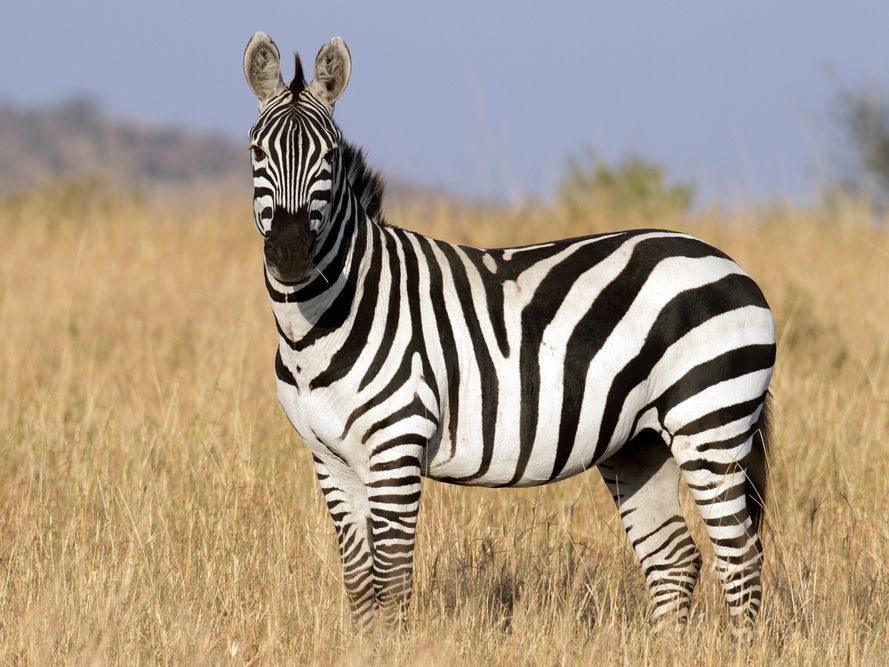
The Zebra’s stripes are not just for show; they serve as a unique identifier and a survival mechanism. In brand design, this translates to “Distinctive Brand Assets” (DBAs). A Zebra brand doesn’t try to blend in with the bland, minimalist aesthetic that has dominated the tech world (often called “blanding”).
Instead, they lean into their unique complexities. Their visual identity often reflects their specific mission. Whether it is through sustainable packaging, transparent supply chain mapping, or accessible UI/UX design, the Zebra’s “stripes” are visible proof of their values. What the Zebra says visually is: “This is exactly who we are, and we aren’t hiding anything.”
Tone of Voice: Transparency as a Competitive Edge
The verbal identity of a Zebra brand is characterized by transparency. While a traditional brand might hide a mistake or a setback behind a PR wall, a Zebra brand uses it as an opportunity for engagement. They say, “We didn’t get this right, and here is how we are fixing it.”
This tone of voice builds “Brand Intimacy,” a level of trust that hyper-growth companies often struggle to achieve. By speaking like human beings rather than corporate entities, Zebra brands create a loyal following. They don’t shout for attention; they invite a conversation. Their content strategy is less about “conversion” and more about “contribution.” They provide value through education, advocacy, and community support long before they ask for a sale.

Strategies for Building a Community-Centric Brand
One of the most profound things a Zebra says is “We.” While traditional brand strategy focuses on the “hero’s journey” of the company itself, Zebra branding focuses on the “collective journey” of the brand and its stakeholders.
The Power of Mutualism in Brand Partnerships
In a Zebra brand strategy, competition is often replaced by “co-opetition.” Zebras understand that their brand is only as strong as the environment in which it operates. This leads to unique brand partnerships that would be unthinkable in a Unicorn-dominated market.
For example, a Zebra brand in the sustainable fashion space might partner with its “competitors” to lobby for better labor laws. What does the brand say in this scenario? It says that the mission is bigger than the logo. This level of integrity is highly attractive to modern consumers, particularly Gen Z and Millennials, who view their purchasing power as a form of activism. By prioritizing mutualism, Zebra brands create a “moat” of community loyalty that is much harder to bridge than a moat built purely on technology or price.
Engaging the Modern Conscious Consumer
The conscious consumer is looking for more than just a product; they are looking for a reflection of their own values. Zebra brands excel here because their identity is built on those same values.
To engage this audience, Zebra brands use “Radical Empathy” in their marketing. They don’t just segment their audience by demographics; they segment by shared concerns. They say, “We know you care about the future of the planet/data/society, and we do too.” This shared sense of purpose transforms a customer into a brand advocate. The Zebra brand doesn’t need a massive advertising budget if it has a community that feels seen, heard, and respected.
Measuring What Matters: Brand Equity in the Zebra Model
In the world of brand strategy, what you measure is what you become. Unicorns measure “Daily Active Users” and “Gross Merchandise Volume.” Zebras measure things that are often harder to quantify but ultimately more valuable for long-term brand equity.
Qualitative vs. Quantitative Success Metrics
A Zebra brand asks different questions when evaluating its success. Instead of just asking “How many people bought this?” they ask “How did this purchase improve the customer’s life?” or “What was the environmental impact of this transaction?”
This shift in metrics changes the brand’s narrative. When a brand reports on its social impact or its carbon footprint alongside its quarterly earnings, it is communicating a holistic version of success. This “Double Bottom Line” (profit and social impact) or “Triple Bottom Line” (profit, people, and planet) becomes the bedrock of their corporate identity. What the Zebra says through its data is that it is a responsible and mature actor in the global marketplace.
Long-term Longevity vs. Short-term Hype
The ultimate goal of a Zebra brand is “Zero to One Hundred,” not “Zero to One.” They are playing the long game. Brand strategy in this context is about building a legacy rather than an exit.
This long-term focus allows the brand to be more consistent. They don’t need to chase every fleeting trend or engage in “clout-chasing” on social media. Their brand identity is stable, which in turn makes it more trustworthy. In a volatile market, stability is a powerful brand message. The Zebra says, “We were here yesterday, we are here today, and we will be here in fifty years.”
Conclusion: The Dazzling Future of Zebra Branding
So, what do zebras say? They say that the era of “growth at any cost” is coming to a close. They say that a brand’s value is not just found in its bank account, but in its contribution to the world. They say that authenticity, transparency, and community are the true drivers of brand equity in the 21st century.
As we move forward, the most successful brands will likely be those that can master the “Zebra” approach. They will be companies that are unafraid to show their stripes—to be clear about their values, honest about their flaws, and committed to their communities. In a world of mythical Unicorns that often disappear as quickly as they arrive, the Zebra stands as a symbol of what business can and should be: real, resilient, and remarkably effective.
By listening to what the Zebra says, brand strategists can move beyond the hype and build companies that don’t just disrupt the world, but actually make it better.
aViewFromTheCave is a participant in the Amazon Services LLC Associates Program, an affiliate advertising program designed to provide a means for sites to earn advertising fees by advertising and linking to Amazon.com. Amazon, the Amazon logo, AmazonSupply, and the AmazonSupply logo are trademarks of Amazon.com, Inc. or its affiliates. As an Amazon Associate we earn affiliate commissions from qualifying purchases.