
In the modern professional landscape, the line between social engagement and career development has become increasingly blurred. While a wedding is fundamentally a celebration of a union between two individuals, for the high-achieving professional, it also serves as a high-stakes environment for networking, reputation management, and personal branding. What you choose to wear to a wedding is more than a fashion choice; it is a deliberate communication of your visual identity, your values, and your understanding of social semiotics.
In this context, attire acts as a silent resume. It informs the “Halo Effect”—a cognitive bias where our overall impression of a person influences how we feel and think about their character. By strategically selecting your ensemble, you align your personal brand with the prestige of the event, ensuring that your presence is both respectful to the hosts and beneficial to your professional trajectory.

1. The Visual Language of Social Capital: Decoding Attire as Brand Strategy
Every choice of fabric, cut, and color sends a specific signal to the market of peers and mentors attending the event. In brand strategy, we often discuss “brand signals”—the cues that tell a consumer what a company stands for. At a wedding, your attire serves as the primary signal of your social capital.
The Semiotics of Formalwear
When a wedding invitation specifies “Black Tie,” it is requesting a specific level of brand uniformity. For the guest, adhering to this is an exercise in brand alignment. A perfectly tailored tuxedo or a floor-length evening gown communicates attention to detail, discipline, and a respect for institutional standards. These are the same traits sought after in corporate leadership. To deviate too far from these standards is to signal a “brand disconnect,” suggesting either a lack of awareness or a disregard for established protocols—neither of which serves a professional reputation well.
Color Psychology and Brand Perception
The colors you choose function as your brand’s palette. Navy blue and charcoal grey are synonymous with reliability, stability, and intelligence—staples of the “Corporate Identity” wardrobe. Conversely, choosing vibrant tones like emerald or deep burgundy can signal creativity and confidence. However, the strategic brander knows that the wedding is the host’s brand launch, not their own. Therefore, your color palette must be complementary rather than competitive. Wearing white (the ultimate brand infringement in this context) or excessively loud patterns can be perceived as “aggressive marketing,” which damages personal brand equity by appearing attention-seeking.
The Role of Grooming and Fine Details
In brand design, the difference between a premium brand and a budget brand often lies in the “finish.” The same applies to wedding attire. A high-quality timepiece, polished footwear, and meticulous grooming represent the “Quality Assurance” wing of your personal brand. These details suggest that if you are this precise with your personal presentation, you likely bring the same level of rigor to your professional projects.
2. Navigating the Dress Code: Aligning Personal Identity with Event Constraints
In corporate strategy, “Brand Guidelines” dictate how a brand can and cannot manifest. A wedding dress code functions as the brand guidelines for the event. Your challenge is to maintain your unique personal brand while operating within the “corporate style guide” of the wedding.
Black Tie and Black Tie Optional: The “Gold Standard” Brand
Black Tie is the most rigid of brand environments. For men, this is an opportunity to showcase the “Executive” version of their brand. The focus here is on fit and fabric quality rather than innovation. For women, it is about elegance and silhouette. When you operate successfully within these narrow constraints, you demonstrate that your personal brand is capable of high-level compliance without losing its individual “spark.”
Cocktail and Semi-Formal: The “Versatile” Brand
Cocktail attire is the “Business Casual” of the social world but with an elevated edge. This is where your brand can show more personality. A well-cut blazer paired with non-matching trousers, or a sophisticated midi-dress with unique architectural elements, signals a brand that is versatile, approachable, and modern. It suggests that you are someone who understands “Product-Market Fit”—you know how to adapt your message to the specific audience you are addressing.
Destination and Themed Weddings: Cultural Intelligence as a Brand Asset
Beach weddings or culturally specific ceremonies (such as a traditional Indian or Chinese wedding) require a high degree of “Cultural Intelligence” (CQ). From a brand perspective, being able to pivot your visual identity to honor specific traditions shows that your personal brand is global, empathetic, and adaptable. Researching appropriate fabrics (like linen for the tropics) or traditional silhouettes shows a commitment to “Market Research” that stakeholders and peers will subconsciously note.
3. Executive Presence in Social Settings: The Psychology of Occasion Wear
“Executive Presence” is the ability to project confidence and poise under pressure. At a wedding, this presence is heavily influenced by how comfortable and authentic you feel in your chosen attire. If your clothes feel like a “costume,” your brand will appear inauthentic.
The Halo Effect and First Impressions
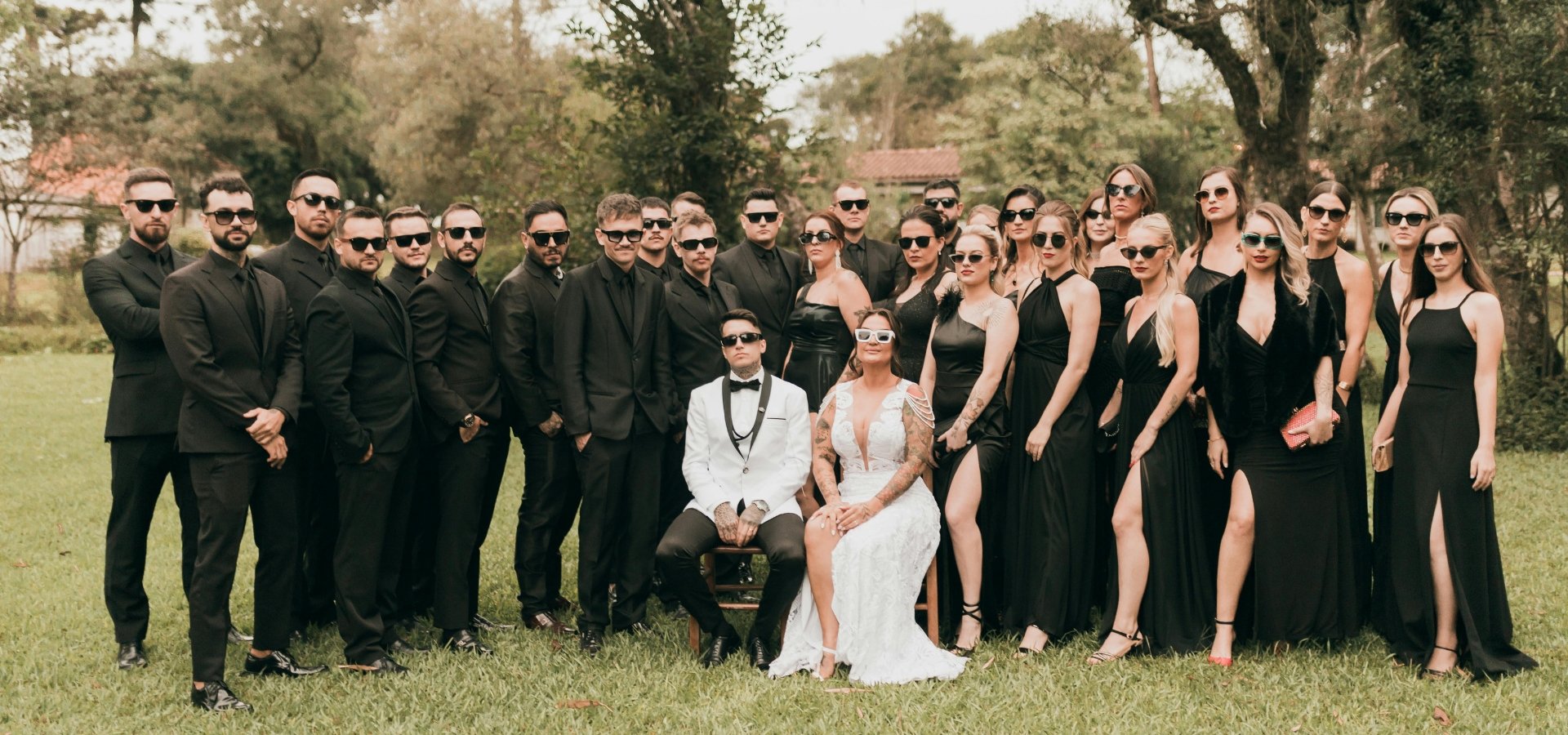
At a wedding, you will likely meet people who have never encountered your professional work. Their entire perception of your “Brand Value” will be based on your visual presentation during the cocktail hour. By dressing at the top end of the requested dress code, you leverage the Halo Effect. People will naturally associate your polished appearance with competence, trustworthiness, and success. This is not about vanity; it is about “Reputational Management.”
Authenticity vs. Performance
A strong brand is always authentic. If your personal brand is built on “Disruptive Innovation,” your wedding attire might include a subtle, modern twist—perhaps a unique texture or a contemporary accessory. If your brand is “Legacy and Tradition,” you should lean into classic, timeless silhouettes. The key is to ensure that your visual identity at the wedding is a heightened version of your everyday professional brand, rather than a departure from it.
The Power of the “Investment Piece”
In finance and branding, we value assets that appreciate or hold value. Your wedding wardrobe should consist of “Investment Pieces.” A bespoke suit or a designer gown from a sustainable house acts as a “Brand Asset.” These pieces don’t just look better; they move better and last longer, reflecting a brand philosophy of “Quality over Quantity.”
4. Sustainability and Ethics: Building a Brand with Integrity
Modern brand strategy is increasingly focused on ESG (Environmental, Social, and Governance) values. What you wear to a wedding is a public declaration of your consumer ethics.
Conscious Consumerism as a Value Statement
Choosing to wear a brand known for ethical manufacturing or opting for high-end rental services like “Rent the Runway” or “The Black Tux” signals a “Forward-Thinking” brand identity. It shows that you are aware of the environmental impact of fast fashion and that your personal brand values sustainability. In professional circles, being seen as a “Conscious Leader” is a powerful brand differentiator.
The “Slow Fashion” Approach
Investing in a “capsule” wedding wardrobe—pieces that can be styled in multiple ways for different events—reflects a brand built on “Efficiency and Resourcefulness.” It moves away from the “disposable” culture and aligns your personal identity with the values of longevity and thoughtful curation.
Heritage and Craftsmanship
When you choose garments that highlight craftsmanship, you are aligning your brand with “Excellence.” Whether it is hand-stitched lapels or artisanal jewelry, these choices suggest that you value the “Process” as much as the “Product.” This is a subtle but effective way to communicate your professional standards to other high-level attendees.
5. Digital Footprint: Dressing for the Photographed Brand
In the age of social media, a wedding is not just a physical event; it is a digital one. Photos from the event will likely end up on Instagram, Facebook, and occasionally LinkedIn. Your attire must be “Camera Ready” to protect your digital brand.
Visual Consistency Across Platforms
Your “Digital Identity” is often the first point of contact for potential clients or employers. If someone looks you up on social media and sees you at a wedding looking disheveled or inappropriately dressed, it creates “Brand Friction.” Conversely, a photo of you looking sharp and composed reinforces a “Professional Narrative.”
The “Permanent Record” of Personal Branding
Unlike a business meeting where your outfit is forgotten the next day, wedding attire is immortalized in professional-grade photography. Strategic branders choose “Timeless” over “Trendy.” A trend that looks “edgy” today may look like a “brand failure” in five years. By choosing classic, sophisticated pieces, you ensure that your visual brand remains relevant and respected for years to come.
Managing the “Social Media Spillover”
When tagged in wedding photos, you lose control over the distribution of your image. This is why “Defensive Branding” is necessary. By ensuring you look your best from every angle—and that your attire remains composed even after several hours of celebration—you protect your reputation from unflattering digital documentation.
Conclusion: The ROI of Dressing Well
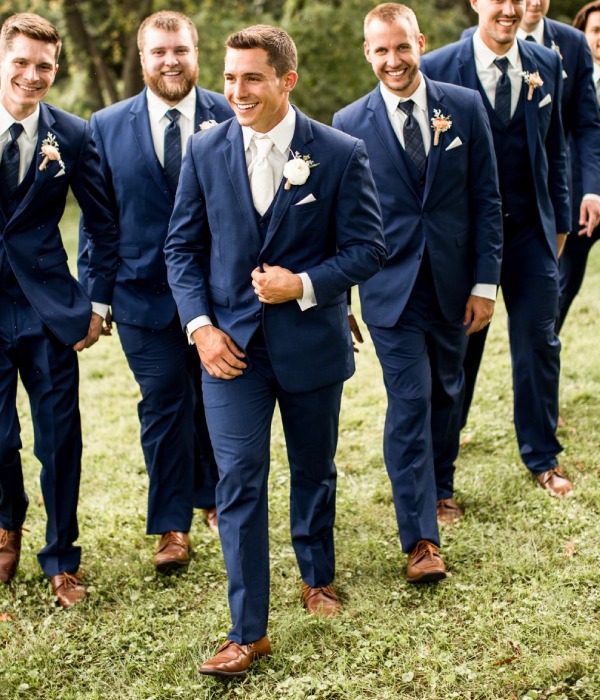
What you wear to a wedding is an investment in your personal brand. By viewing the event through the lens of brand strategy, you transform a social obligation into a powerful opportunity for identity reinforcement. Whether it is through the semiotics of a well-tailored suit, the ethical statement of sustainable fashion, or the strategic management of your digital footprint, your attire serves as a silent but potent ambassador for who you are and what you represent.
In the end, the most successful personal brands are those that are consistent, authentic, and respectful of the context in which they operate. By mastering the art of wedding attire, you demonstrate a level of social and professional mastery that resonates far beyond the reception hall. You aren’t just dressing for a party; you are dressing for the continued growth and success of the brand that is You.
aViewFromTheCave is a participant in the Amazon Services LLC Associates Program, an affiliate advertising program designed to provide a means for sites to earn advertising fees by advertising and linking to Amazon.com. Amazon, the Amazon logo, AmazonSupply, and the AmazonSupply logo are trademarks of Amazon.com, Inc. or its affiliates. As an Amazon Associate we earn affiliate commissions from qualifying purchases.