
Tahini, a creamy, nutty paste derived from ground sesame seeds, is far more than just a component of hummus. Its versatility extends across culinary traditions and applications, offering a unique flavor profile and a wealth of potential uses. While often recognized for its role in Middle Eastern and Mediterranean cuisine, tahini’s adaptability makes it a valuable ingredient for home cooks and professional chefs alike, capable of transforming everyday dishes into something extraordinary. This exploration delves into the multifaceted uses of tahini, showcasing its ability to enhance flavor, add texture, and contribute to both savory and sweet creations.

The Savory Spectrum: Elevating Main Courses and Appetizers
Tahini’s inherent savory depth makes it a natural fit for a vast array of main courses and appetizers. Its rich, slightly bitter, and toasty notes can add complexity and a satisfying umami to dishes, moving beyond its typical pairing with chickpeas.
Beyond Hummus: The Versatile Sauce and Dip Foundation
While hummus is undoubtedly the most famous application of tahini, it serves as a foundational element for a multitude of other dips and sauces. By adjusting the ratio of tahini to liquid (water, lemon juice, olive oil) and incorporating various flavorings, an impressive spectrum of savory accompaniments can be created.
-
Classic Tahini Sauce: A simple yet potent sauce can be made by whisking tahini with lemon juice, garlic, salt, and water until a smooth, pourable consistency is achieved. This sauce is a perfect accompaniment to grilled meats and vegetables, falafel, and roasted potatoes. The acidity of the lemon juice cuts through the richness of the tahini, creating a balanced and refreshing flavor. The addition of minced garlic provides a pungent kick that complements the nutty base.
-
Spicy Tahini Dips: For those who enjoy a bit of heat, incorporating chili flakes, sriracha, or harissa into the basic tahini sauce transforms it into a fiery delight. This spicy variant pairs exceptionally well with roasted cauliflower, chicken wings, and as a dipping sauce for spring rolls. The heat from the chilies dances with the creamy tahini, creating a complex flavor profile that is both satisfying and addictive.
-
Herb-Infused Tahini: Fresh herbs like parsley, cilantro, mint, or dill can be finely chopped and stirred into tahini-based dips for a burst of freshness. This is particularly effective with roasted vegetables like eggplant or zucchini, adding a vibrant counterpoint to their earthy flavors. The herbaceous notes lift the richness of the tahini, making it lighter and more aromatic.
-
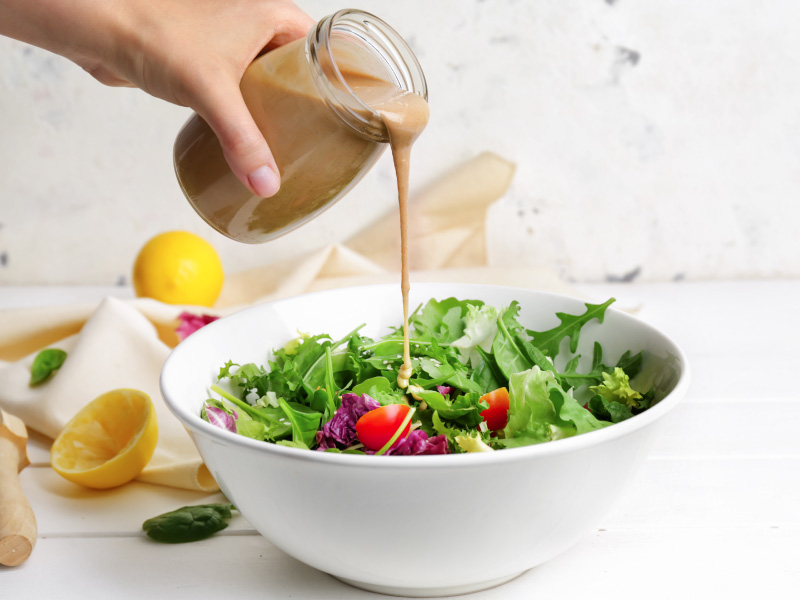
Dressing for Salads and Grains: Tahini’s emulsifying properties make it an excellent base for salad dressings. When whisked with olive oil, vinegar or lemon juice, and a touch of sweetener (honey or maple syrup), it creates a creamy, stable dressing that coats greens beautifully. It’s also a fantastic addition to grain bowls, lending a savory depth to quinoa, farro, or rice. The tahini dressing can bind together disparate ingredients in a grain bowl, creating a cohesive and flavorful experience.
Marinations and Glazes for Meats and Vegetables
Tahini’s ability to adhere to surfaces and its robust flavor make it an ideal ingredient for marinades and glazes. It can tenderize meats and impart a unique nutty crust, while also caramelizing beautifully when exposed to heat.
-
Marinade for Grilled or Roasted Proteins: Chicken, lamb, tofu, and even firm fish can benefit from a tahini-based marinade. Combined with ingredients like soy sauce, ginger, garlic, and a touch of honey, tahini creates a marinade that penetrates deeply, infusing the protein with flavor and contributing to a wonderfully browned exterior. The tahini acts as a binder for other marinade ingredients, ensuring even coating and flavor distribution.
-
Glaze for Roasted Vegetables: Asparagus, Brussels sprouts, broccoli, and sweet potatoes all take on a new dimension when tossed with a tahini glaze before roasting. A simple mixture of tahini, olive oil, maple syrup, and a pinch of salt can create a slightly sweet and savory crust that caramelizes to perfection, offering a delightful textural contrast. The natural sugars in the vegetables, combined with the maple syrup and tahini, create a wonderfully caramelized exterior.
-
Binder for Patties and Meatballs: For a less conventional but highly effective use, tahini can be incorporated into the mixture for homemade burgers, meatballs, or veggie patties. It adds moisture, a subtle nutty flavor, and helps bind the ingredients together, resulting in a more tender and flavorful final product. The tahini contributes to a richer mouthfeel and a more complex flavor profile than traditional binders like breadcrumbs alone.
The Sweet Side: Embracing Tahini in Desserts
While its savory applications are widely celebrated, tahini’s inherent nuttiness and slight sweetness also lend themselves remarkably well to the realm of desserts. It offers a sophisticated alternative to traditional nut butters, bringing a unique depth of flavor and a creamy texture that can elevate even the simplest sweet treats.
Innovative Uses in Baked Goods
Tahini can be seamlessly integrated into a variety of baked goods, offering a distinctive flavor and a tender crumb. Its presence can add an unexpected layer of complexity that appeals to discerning palates.
-
Cookies and Brownies: Replacing a portion of butter or oil with tahini in cookie and brownie recipes can result in incredibly fudgy and flavorful treats. The tahini adds moisture and a subtle nutty undertone that complements chocolate and other sweet ingredients beautifully. This substitution can also reduce the overall fat content while introducing beneficial healthy fats.
-
Cakes and Muffins: Incorporating tahini into cake batters or muffin mixes can create a moist, dense, and flavorful crumb. It pairs particularly well with flavors like orange, cardamom, or chocolate. The tahini contributes to a tender texture and a sophisticated flavor profile that distinguishes it from conventional baked goods.
- Pastry Doughs: A small amount of tahini can be added to shortcrust pastry or tart doughs to impart a delicate nutty flavor and a slightly more tender texture. This is especially effective in recipes where a subtle savory note can balance sweetness. The tahini enriches the pastry, making it more complex and satisfying.
Tahini as a Flavor Enhancer in Sweet Sauces and Toppings
Beyond baking, tahini can be a star ingredient in sweet sauces, caramels, and even ice cream. Its unique flavor profile can create delightful contrasts and sophisticated taste experiences.
-
Chocolate Tahini Sauce: A decadent sauce can be made by combining tahini with melted dark chocolate, a touch of sweetener (maple syrup or honey), and a splash of vanilla extract. This sauce is perfect for drizzling over ice cream, cakes, or fruit. The bitterness of the chocolate is beautifully complemented by the nutty depth of the tahini.
-
Tahini Caramels: Infusing homemade caramels with tahini adds a gourmet twist. The nutty notes of the tahini create a more complex and less overtly sweet caramel, making it a sophisticated treat. The caramelization process further enhances the nuttiness of the tahini, creating a rich and satisfying flavor.
-
Sweetened Tahini Drizzle: A simple drizzle made from tahini, honey or maple syrup, and a touch of cinnamon or cardamom can elevate breakfast items like pancakes, waffles, or oatmeal. It provides a creamy texture and a balanced sweet and nutty flavor that is far more interesting than plain syrup.
-
Tahini Ice Cream and Frozen Desserts: Tahini can be incorporated into ice cream bases to create a uniquely flavored frozen treat. Its creamy texture and nutty notes blend surprisingly well with dairy or non-dairy bases, offering a sophisticated alternative to traditional flavors. The addition of tahini can also contribute to a richer mouthfeel in ice cream.
Beyond the Plate: Tahini in Health and Wellness
While primarily recognized as a culinary ingredient, tahini’s nutritional profile also contributes to its value in a health-conscious diet. Its composition offers several benefits that extend its utility beyond mere taste.
Nutritional Powerhouse: The Health Benefits of Sesame Seeds
Tahini is an excellent source of essential nutrients, making it a valuable addition to a balanced diet. The nutritional density of tahini means that even small quantities can contribute significantly to daily intake of important vitamins, minerals, and healthy fats.
-
Healthy Fats: Tahini is rich in monounsaturated and polyunsaturated fats, which are beneficial for heart health. These fats can help lower LDL cholesterol levels and reduce the risk of cardiovascular disease.
-
Minerals: It is a good source of calcium, magnesium, phosphorus, and iron. The calcium content is particularly notable, making tahini a valuable plant-based option for bone health, especially for those who don’t consume dairy.
-
Vitamins: Tahini contains B vitamins, such as thiamine and niacin, which are important for energy production and nervous system function.
-
Protein: It provides a decent amount of plant-based protein, contributing to satiety and muscle maintenance.
Versatile Ingredient for Dietary Needs
Tahini’s natural properties make it suitable for a variety of dietary restrictions and preferences, further enhancing its appeal and applicability.
-
Vegan and Vegetarian Staple: As a plant-based product, tahini is an indispensable ingredient for vegans and vegetarians, offering a creamy and flavorful alternative to dairy and meat-based products. It can replace eggs in some baking applications and provide richness where animal products might typically be used.
-
Gluten-Free Option: Tahini is naturally gluten-free, making it a safe and flavorful choice for individuals with celiac disease or gluten sensitivities. This opens up a wide range of culinary possibilities for those who need to avoid gluten.
-
Dairy-Free Creaminess: For those who are lactose intolerant or choose to avoid dairy, tahini provides a wonderfully creamy texture that can be used in sauces, dressings, and desserts, mimicking the richness of dairy products.
By understanding and embracing the diverse applications of tahini, from its savory depths to its sweet potential and inherent health benefits, one can unlock a world of culinary creativity. It is an ingredient that consistently proves its worth, adding character, depth, and a touch of exoticism to a wide array of dishes.
aViewFromTheCave is a participant in the Amazon Services LLC Associates Program, an affiliate advertising program designed to provide a means for sites to earn advertising fees by advertising and linking to Amazon.com. Amazon, the Amazon logo, AmazonSupply, and the AmazonSupply logo are trademarks of Amazon.com, Inc. or its affiliates. As an Amazon Associate we earn affiliate commissions from qualifying purchases.