
Starting a company is an exhilarating journey, a challenging endeavor that combines passion with relentless effort. While ideas, talent, and a compelling vision are undoubtedly crucial, the bedrock upon which any sustainable enterprise is built is robust financial planning and management. Without a clear understanding of your monetary needs, sources of capital, and ongoing financial strategies, even the most innovative concept can fail to launch or falter shortly after takeoff. This article delves into the critical financial elements you need to consider, plan, and secure to transform your entrepreneurial dream into a thriving reality.
Understanding Your Startup Capital Needs
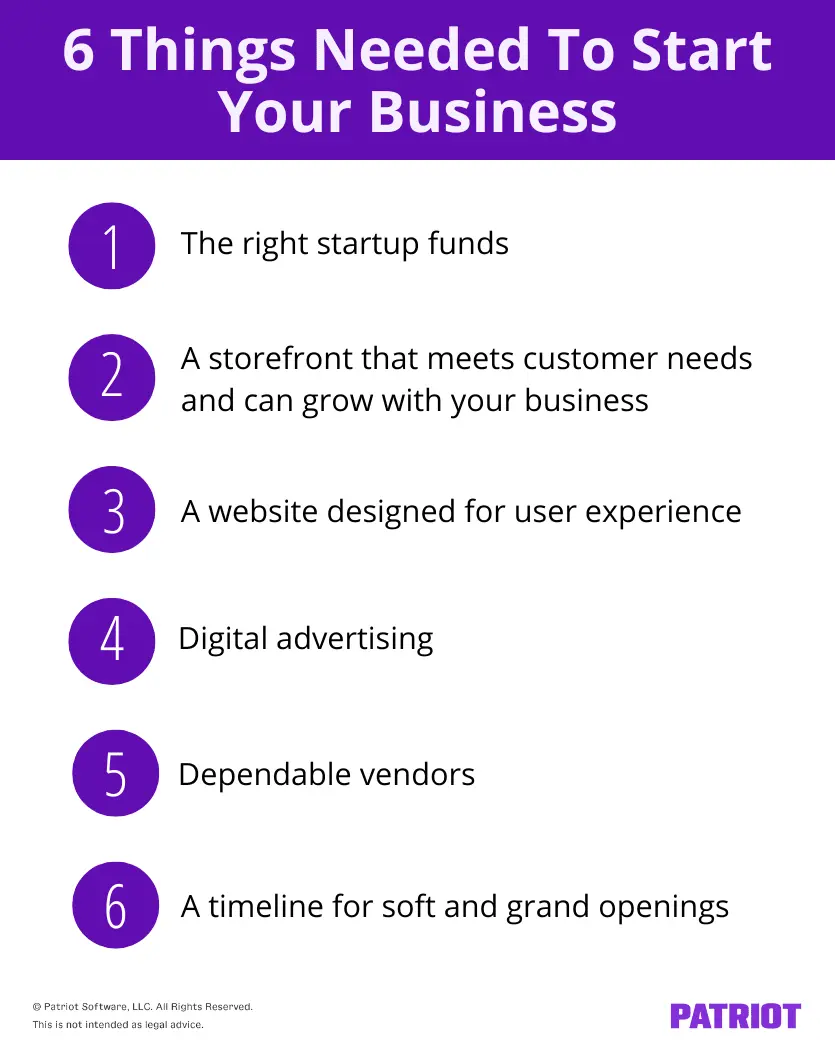
Before you even think about seeking funding, the first step is to accurately determine how much money you actually need. This isn’t just about covering immediate costs; it’s about anticipating expenses, ensuring operational stability, and creating a safety net for unforeseen challenges.
Estimating Initial Expenses
The initial phase of starting a company is often the most capital-intensive. These are the one-time or early-stage costs that get your business off the ground. They can vary dramatically depending on the industry and business model. For a tech startup, initial expenses might include software development, server infrastructure, and specialized equipment. For a retail business, it could be store fit-out, initial inventory, and POS systems.
Common initial expenses include:
- Legal & Administrative Fees: Business registration, licenses, permits, intellectual property protection (trademarks, patents), attorney fees for drafting contracts.
- Technology & Infrastructure: Website development, essential software subscriptions (CRM, accounting, project management), hardware (computers, specialized machinery), internet services, domain registration.
- Office Space/Facilities: Rent deposits, renovation costs, utilities setup, furniture, equipment. Even for a home-based business, there might be dedicated equipment costs.
- Initial Inventory/Supplies: For product-based businesses, the cost of goods to sell. For service-based, perhaps specific tools or materials.
- Branding & Marketing Launch: Logo design, basic website content, initial advertising campaigns to generate early buzz.
- Professional Services: Initial consulting fees (e.g., market research, financial advisor).
Projecting Operational Costs
Beyond the initial setup, a company needs money to continue functioning day-to-day. These are your recurring expenses, often referred to as “burn rate,” and understanding them is vital for financial longevity. Operational costs are typically monthly or quarterly and need to be budgeted for consistently.
Key operational costs include:
- Salaries & Wages: For yourself, co-founders, and any early hires. This includes benefits, payroll taxes, and insurance. Even if you’re not paying yourself initially, it’s a cost to factor in for future sustainability.
- Rent & Utilities: Ongoing costs for your physical space, electricity, water, internet, and any specialized utilities.
- Software Subscriptions & Licenses: Recurring fees for cloud services, productivity tools, security software, and industry-specific applications.
- Marketing & Advertising: Ongoing campaigns, social media management tools, content creation, PR efforts.
- Inventory Replenishment: For product businesses, the continuous cost of acquiring goods.
- Shipping & Logistics: For businesses involving physical products, the costs associated with getting products to customers.
- Professional Fees: Ongoing accounting, legal, or consulting retainers.
- Insurance: Business liability insurance, property insurance, workers’ compensation.
Building an Emergency Fund
No matter how meticulously you plan, unforeseen circumstances are an inevitable part of entrepreneurship. A dedicated emergency fund, often referred to as a “runway,” is crucial to weather unexpected challenges without derailing your entire operation. This fund should ideally cover 3-6 months of your projected operational costs. It acts as a buffer against slow sales periods, unexpected equipment breakdowns, market shifts, or delayed payments from clients. Neglecting this crucial buffer is a common pitfall for new businesses.
Funding Your Dream: Sources of Startup Capital
Once you have a clear picture of your capital needs, the next critical step is to identify and secure the necessary funding. There are various avenues for startup capital, each with its own advantages, disadvantages, and suitability for different business stages and types.
Bootstrapping and Personal Savings
Bootstrapping involves funding your company primarily through personal savings, credit cards, or early revenue generated by the business itself. It’s a popular method for many startups, particularly in the service or software industries with lower initial overheads.
- Advantages: Complete control over your company, no equity dilution, fosters financial discipline and resourcefulness.
- Disadvantages: Limited capital, personal financial risk, slower growth potential.
- Best For: Low-overhead businesses, solo entrepreneurs, initial validation of an idea.
Friends, Family, and Angel Investors
For many early-stage businesses, the first external capital often comes from those closest to them or from individual angel investors.
- Friends & Family: Often willing to invest smaller amounts based on personal trust rather than purely financial metrics. Terms can be more flexible. It’s crucial to treat these as formal investments with clear terms to avoid damaging relationships.
- Angel Investors: High-net-worth individuals who invest their own money in early-stage companies in exchange for equity. They often bring valuable industry experience and mentorship in addition to capital.
- Advantages: Earlier access to capital than traditional VC, often less stringent terms than institutional investors, potential for mentorship.
- Disadvantages: Can strain personal relationships (friends & family), angels may want significant equity, finding the right angel can be time-consuming.
Venture Capital and Seed Funding
Venture Capital (VC) firms invest larger sums of money in high-growth potential startups, typically in exchange for significant equity stakes. Seed funding is the earliest stage of VC, providing capital to help a company develop its product or service, conduct initial market research, and build a team.
- Advantages: Large amounts of capital, access to extensive networks, strategic guidance from experienced investors, potential for significant scale.
- Disadvantages: Significant equity dilution, high expectations for rapid growth and exit, demanding due diligence process, loss of some control.
- Best For: Startups with scalable business models, strong competitive advantages, and a clear path to high returns for investors.
Business Loans and Grants
Traditional financial institutions and government programs offer various forms of debt financing and grants.
- Small Business Loans: Offered by banks and credit unions, often requiring a solid business plan, collateral, and sometimes a personal guarantee. Examples include SBA loans in the US.
- Microloans: Smaller loans, often from non-profit organizations, designed for very small businesses or entrepreneurs in underserved communities.
- Grants: Non-repayable funds awarded by government agencies, foundations, or corporations, usually for specific purposes (e.g., innovation, social impact, specific industries). They are highly competitive.
- Advantages: No equity dilution (loans), no repayment required (grants), structured repayment terms.
- Disadvantages: Strict eligibility criteria (loans), interest payments and collateral requirements (loans), highly competitive and time-consuming application process (grants).
- Best For: Businesses with predictable revenue streams, those requiring specific equipment or property, or those fitting grant criteria.
Crafting a Robust Financial Plan
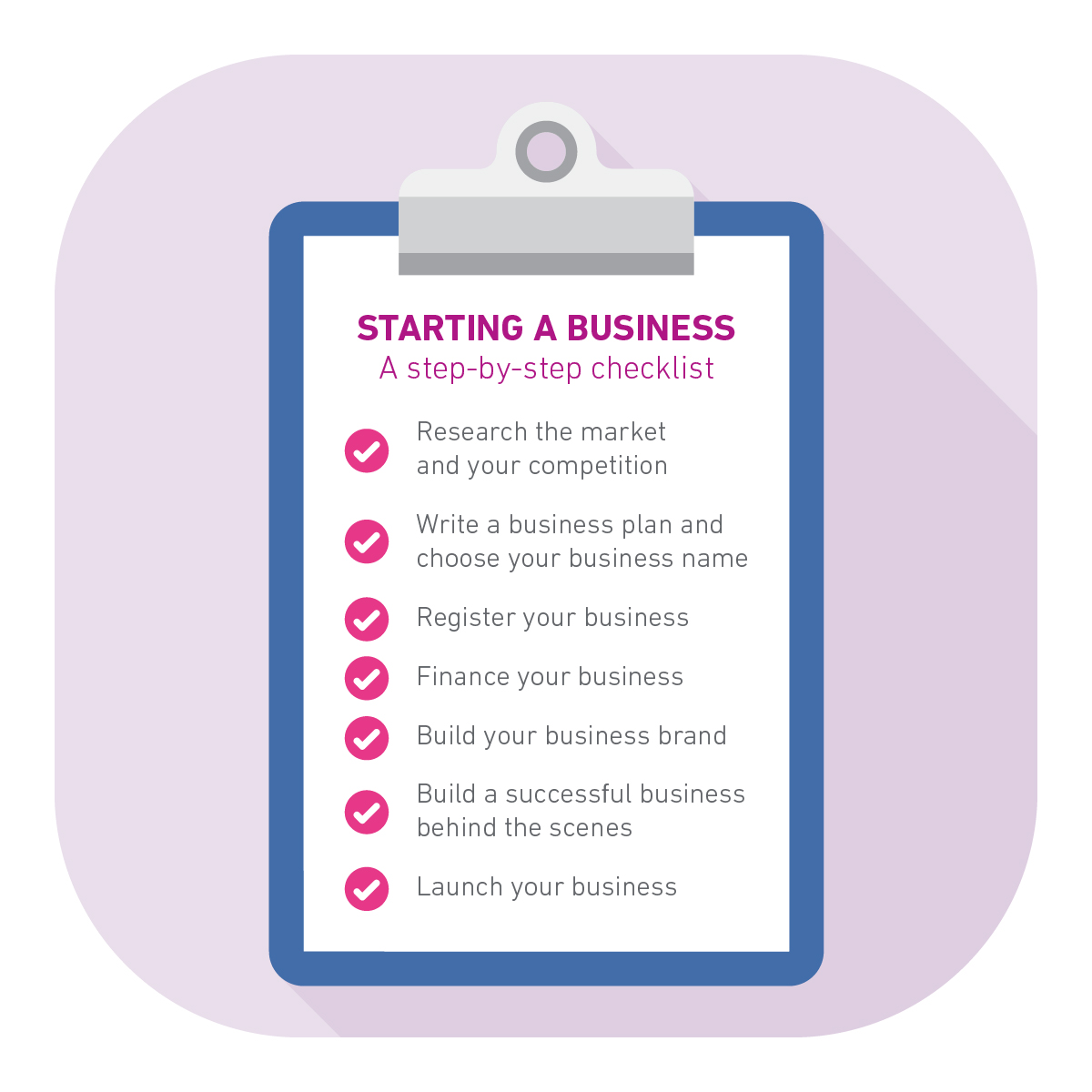
Securing funding is only half the battle; effectively managing and planning for the future of your company’s finances is paramount. A comprehensive financial plan serves as your roadmap, guiding decisions and ensuring your business remains solvent and on track for growth.
Developing a Detailed Budget
A budget is more than just a list of expenses; it’s a strategic allocation of your financial resources. It starts with forecasting your revenue and then allocating funds to cover all estimated operational costs, marketing efforts, product development, and contingencies. A detailed budget helps you monitor cash flow, identify potential shortfalls, and make informed decisions about spending. Regularly review and adjust your budget as your business evolves and market conditions change.
Creating Financial Projections (Revenue, Profit & Loss)
Financial projections are forward-looking estimates of your company’s financial performance.
- Revenue Projections: How much money do you realistically expect to bring in? This requires detailed market research, understanding your pricing strategy, and estimating sales volume. Start conservatively and build up.
- Profit & Loss (P&L) Statement: This projects your sales, costs of goods sold (COGS), operating expenses, and ultimately your net profit or loss over a specific period (e.g., monthly, quarterly, annually for 3-5 years). It shows your profitability.
- Cash Flow Statement: Perhaps the most critical projection for a startup, this tracks the actual movement of money in and out of your business. It highlights liquidity and ensures you have enough cash to meet obligations, even if your P&L shows a profit. Many profitable businesses fail due to poor cash flow.
Understanding Cash Flow Management
Cash flow is the lifeblood of any business. Effective cash flow management involves monitoring the timing of money coming into (receipts) and going out of (disbursements) your business. Strategies include negotiating favorable payment terms with suppliers, incentivizing early payments from customers, maintaining a healthy accounts receivable, and carefully managing inventory levels. Regular cash flow forecasting is essential to anticipate shortages and surpluses.
Pricing Strategy and Revenue Models
Your pricing strategy is fundamental to your financial health. It needs to cover your costs, generate profit, and be competitive in the market.
- Cost-Plus Pricing: Adding a markup to your production cost.
- Value-Based Pricing: Pricing based on the perceived value to the customer.
- Competitor-Based Pricing: Setting prices in relation to your rivals.
- Freemium, Subscription, Tiered Pricing: Various revenue models, especially popular in software and service industries, determine how customers pay for your offerings.
Developing a clear revenue model and a well-thought-out pricing strategy directly impacts your ability to generate income and sustain your operations.
Essential Financial Tools and Best Practices
Modern entrepreneurs have access to a plethora of tools and methodologies to streamline financial management, ensure compliance, and make data-driven decisions. Adopting these early can save significant time, money, and potential headaches down the line.
Choosing Accounting Software
Manual bookkeeping is a recipe for disaster in today’s fast-paced business environment. Investing in reliable accounting software is non-negotiable.
- Options: QuickBooks, Xero, FreshBooks, Zoho Books.
- Benefits: Automates invoicing, expense tracking, payroll, financial reporting, and tax preparation. It provides real-time insights into your financial health, making it easier to monitor budgets and cash flow. Choose a solution that scales with your business needs and integrates with other tools you use.
Implementing Expense Tracking Systems
Every dollar spent needs to be accounted for, both for budgeting purposes and tax compliance.
- Methods: Dedicated business credit cards, expense tracking apps (Expensify, Receipt Bank), and the features within your chosen accounting software.
- Benefits: Simplifies tax season, helps identify areas for cost reduction, and provides an accurate picture of your spending patterns. Separate business and personal finances from day one.
Legal and Tax Considerations
Navigating the legal and tax landscape is complex but crucial. Failing to comply can lead to hefty fines, legal disputes, and reputational damage.
- Business Structure: Choose the right legal entity (e.g., Sole Proprietorship, LLC, S-Corp, C-Corp) based on liability protection, taxation, and fundraising goals. Consult with an attorney.
- Tax Registration: Register for federal, state, and local taxes, including sales tax, payroll tax, and corporate income tax.
- Compliance: Understand industry-specific regulations, data privacy laws (e.g., GDPR, CCPA), and employment laws.
- Professional Help: Engage with a qualified accountant or tax advisor from the outset. They can help you set up your financial systems, ensure compliance, and optimize your tax strategy.

Managing Debt and Equity
As your company grows, you might take on more debt or bring in additional equity investors. Managing these relationships and obligations effectively is key to sustainable growth.
- Debt Management: Understand interest rates, repayment schedules, and covenants for any loans. Avoid over-leveraging your business.
- Equity Management: Track equity stakes, understand shareholder agreements, and manage investor expectations. Be mindful of dilution as you raise more capital. A cap table (capitalization table) is an essential tool for tracking ownership.
In conclusion, while the initial spark of an idea ignites the entrepreneurial journey, it is a meticulously crafted financial blueprint that truly fuels the engine of a successful company. From accurately assessing initial capital needs and securing diverse funding sources to developing robust financial plans and leveraging modern tools, every step requires a strategic monetary focus. By prioritizing financial prudence, you not only increase your chances of launching but also lay a strong foundation for sustainable growth and long-term prosperity.
aViewFromTheCave is a participant in the Amazon Services LLC Associates Program, an affiliate advertising program designed to provide a means for sites to earn advertising fees by advertising and linking to Amazon.com. Amazon, the Amazon logo, AmazonSupply, and the AmazonSupply logo are trademarks of Amazon.com, Inc. or its affiliates. As an Amazon Associate we earn affiliate commissions from qualifying purchases.