
Navigating the world of personal finance begins with a foundational step: choosing a reliable banking partner. For millions across the United States, Chase Bank stands out as a prominent choice, offering a vast array of services from basic checking and savings accounts to complex investment solutions and lending products. However, the path to leveraging these services starts with a clear understanding of the account opening process – specifically, what documentation and information you’ll need to provide.
Opening a bank account isn’t just a transactional step; it’s a critical move towards financial independence, security, and effective money management. Whether you’re a young professional establishing your first primary account, a student looking for convenient banking options, or someone seeking to consolidate their financial activities, understanding Chase’s requirements is paramount. This comprehensive guide will demystify the process, ensuring you’re fully prepared to embark on your financial journey with one of the nation’s largest and most trusted financial institutions.

Understanding the Fundamentals: Why Choose Chase?
Before delving into the specifics of what you need, it’s insightful to consider why Chase remains a top contender for personal banking needs. Its extensive reach and diverse offerings are key factors that draw millions of customers.
A Legacy of Trust and Innovation
Chase Bank, a subsidiary of JPMorgan Chase & Co., boasts a history spanning over two centuries, solidifying its reputation as a cornerstone of the American financial system. This long-standing presence translates into a perceived stability and trustworthiness that many individuals prioritize when selecting a bank. Beyond its heritage, Chase has consistently invested in technological innovation. Its robust online banking platform and highly-rated mobile app provide seamless access to accounts, bill pay, mobile deposits, and Zelle transfers, catering to the demands of the modern, digitally-savvy consumer. Furthermore, with an extensive network of branches and ATMs nationwide, physical access and personalized support remain readily available, offering a hybrid banking experience that blends convenience with traditional service. This blend of reliability and cutting-edge features positions Chase as a formidable choice for managing one’s finances effectively.
Diverse Account Offerings
One of Chase’s strengths lies in its comprehensive suite of account types designed to meet various financial stages and objectives. For everyday spending, Chase offers several checking account options:
- Chase Total Checking®: A popular choice for its straightforward features, offering access to debit cards, online banking, and ATMs. It comes with a monthly service fee that can typically be waived by meeting certain criteria, such as direct deposits or maintaining a minimum daily balance.
- Chase Premier Plus Checking℠: Geared towards those with higher balances, offering more benefits like no fees on certain Chase services and potential interest earnings.
- Chase Sapphire℠ Checking: An exclusive account for customers with substantial assets, providing premium benefits, waived fees, and enhanced services.
- Chase College Checking℠: Specifically designed for students aged 17-24, often featuring reduced fees and tailored benefits for young adults navigating their finances.
For saving and wealth building, Chase provides:
- Chase Savings℠: A standard savings account that can be linked to a checking account for easy transfers, often requiring a minimum balance or linked automatic transfers to waive monthly fees.
- Chase Premier Savings℠: Similar to its checking counterpart, offering potentially higher interest rates for those who maintain larger balances.
- Certificates of Deposit (CDs): For those looking to save for a specific period with guaranteed returns.
Understanding these options helps individuals select an account that aligns with their financial habits and goals, making the account opening process a more informed decision.
Essential Prerequisites for Account Opening
Regardless of the specific Chase account you choose, there are fundamental eligibility criteria that all prospective account holders must meet. These requirements are standard across most financial institutions and are in place to comply with regulatory mandates and ensure the security of the banking system.
Age and Residency Requirements
To open a primary checking or savings account with Chase, the applicant must generally be at least 18 years old. This age requirement is a legal standard for entering into financial contracts in the United States. However, Chase does offer options for minors:
- Joint Accounts: Individuals as young as 13 can often be added as joint account holders on a checking account with an adult (e.g., a parent or guardian). This is a common way for parents to teach financial responsibility while maintaining oversight.
- Chase College Checking: As mentioned, this account is specifically for students aged 17-24, allowing slightly younger individuals to open an account tailored to their needs.
Beyond age, applicants must also be U.S. citizens or resident aliens. This means you must have legal residency status within the United States. For non-U.S. citizens, specific documentation proving legal residency (such as a Green Card or valid visa) will be required in addition to other forms of identification. These requirements are crucial for compliance with federal regulations, including those aimed at preventing money laundering and terrorist financing.
The Importance of a Clean Financial Record
While not always explicitly listed, an applicant’s banking history can play a significant role in their eligibility. Most banks, including Chase, utilize services like ChexSystems to screen potential new customers. ChexSystems is a consumer reporting agency that collects and provides information about the misuse of checking and savings accounts. If you have a history of:
- Unpaid negative balances.
- Account fraud.
- Frequent overdrafts that were not resolved.
- Closed accounts due to misuse.
…then you might find it challenging to open a new account. A negative ChexSystems report indicates a higher risk to the bank. While a checkered history doesn’t automatically disqualify you, it can lead to additional scrutiny or the requirement to open a basic, “second chance” checking account designed for those rebuilding their banking trust. Maintaining a responsible banking history is therefore a proactive step in ensuring smooth account openings in the future.
Gathering Your Documents: The Nitty-Gritty
Once you meet the basic eligibility criteria, the next crucial step is to gather the necessary documents. This is where most applicants spend their preparation time, and having everything organized upfront can significantly expedite the process.
Proof of Identity (Photo ID)
Federal regulations, particularly the Patriot Act, mandate that financial institutions verify the identity of their customers. This is primarily done through official government-issued photo identification. You will typically need at least one primary form of ID, which must be current (not expired) and contain your photo, full name, and date of birth. Common acceptable forms include:
- U.S. Driver’s License or State-Issued ID Card: This is the most frequently used and universally accepted form of ID.
- U.S. Passport or Passport Card: An excellent alternative, especially for those who may not drive or have a state ID.
- U.S. Military ID: For active duty military personnel, veterans, and their dependents.
- Resident Alien ID (Green Card): For non-U.S. citizens who are permanent residents.
- Mexican Matricula Consular ID: Often accepted by Chase, particularly in regions with larger Hispanic populations.
In some cases, especially if your primary ID lacks a signature or sufficient identifying details, you might be asked for a secondary form of identification, such as a credit card with your signature, a social security card (though this usually isn’t a primary photo ID), or another official document.
Social Security Number (SSN) or Individual Taxpayer Identification Number (ITIN)
This is a non-negotiable requirement for opening an account with a U.S. bank. Your Social Security Number (SSN) or, for those who don’t qualify for an SSN but have U.S. tax filing obligations, an Individual Taxpayer Identification Number (ITIN), is essential for a few key reasons:
- Tax Reporting: Banks are required to report interest earnings to the IRS using your SSN or ITIN.
- Identity Verification: It serves as a unique identifier for you within government systems and is used to verify your identity and credit history.
- Regulatory Compliance: It helps banks comply with anti-money laundering (AML) regulations by linking financial activity to a specific individual.
You will need to provide this number accurately. It’s often recommended to bring your physical Social Security card or ITIN assignment letter, especially if applying in person, though usually just knowing the number is sufficient for online applications.
Proof of Address
Banks need to confirm your residential address to send statements, important notices, and to comply with “Know Your Customer” (KYC) regulations. The address on your photo ID might suffice, but often a separate document is requested, especially if your ID has an outdated address or if you are applying online. Accepted documents for proof of address typically include:
- Utility Bill: Recent (within the last 60 days) electricity, gas, water, internet, or landline phone bill displaying your name and current address.
- Lease Agreement or Mortgage Statement: A valid lease agreement for renters or a recent mortgage statement for homeowners.
- Insurance Policy: Auto, home, or renter’s insurance policy documents.
- Government-Issued Mail: Recent mail from a government agency (e.g., IRS, DMV, Social Security Administration).
- Pay Stub or Employer Letter: A recent pay stub with your address, or an official letter from your employer confirming your residency.
Ensure these documents are recent and clearly show your name and the address you wish to register with Chase. P.O. box addresses are generally not accepted as a primary residential address.
Initial Deposit Funds

To officially open and activate your new Chase account, you will typically need to make an initial deposit. The minimum amount varies depending on the type of account:
- Checking Accounts: Often require a minimum of $25 to $100.
- Savings Accounts: May have similar or slightly higher minimums.
You can typically fund your account using:
- Cash: If applying in person at a branch.
- Check: Personal check, cashier’s check, or money order.
- Debit Card: From another bank account.
- Electronic Transfer: From an existing bank account.
This initial deposit not only activates your account but also often helps you meet the criteria to waive monthly service fees for the first statement cycle, giving you time to set up direct deposits or recurring transfers.
Navigating the Account Opening Process
Once you have all your documents and information in order, the actual process of opening your Chase account is relatively straightforward. You have two primary avenues: online or in-branch.
Online vs. In-Branch: Which Path to Take?
Each method offers distinct advantages, catering to different preferences and needs:
Online Application
- Convenience: You can apply anytime, anywhere, from your computer or mobile device. This is ideal for busy individuals who prefer digital interactions.
- Speed: The online application process can be completed in a matter of minutes if you have all your information readily available.
- What to Have Ready: Ensure you have your SSN, a valid photo ID (you’ll often upload images of it), and proof of address handy for digital submission. Be prepared to provide your initial deposit details (e.g., routing and account number from another bank or debit card info).
- Limitations: While efficient, complex situations (like opening a trust account or needing extensive guidance) might be better handled in person. Also, some promotional offers might be branch-specific.
In-Branch Visit
- Personalized Assistance: A banker can guide you through the process, answer questions, explain account features, and help you choose the best account for your needs.
- Physical Document Verification: You bring your physical documents, which are verified on the spot. This can be reassuring for those hesitant to upload sensitive information online.
- Immediate Access: In many cases, you can walk out of the branch with a temporary debit card and immediate access to your account.
- Opportunity for Questions: If you have specific financial goals or concerns, an in-person meeting allows for a more detailed discussion.
Regardless of the method chosen, the information requested will be largely the same. Chase prioritizes security, so expect thorough verification steps to protect your identity and funds.
Understanding Account Features and Fees
During the application process, whether online or in-branch, you will be presented with the terms and conditions of your chosen account. It is crucial to read these carefully, paying close attention to:
- Monthly Service Fees: Most Chase checking and savings accounts have monthly fees, but they are almost always waivable by meeting specific criteria (e.g., direct deposit minimums, maintaining a certain balance, being a student). Understanding these waivers is key to avoiding unnecessary charges.
- Overdraft Fees: Familiarize yourself with Chase’s overdraft policies and fees, and consider opting for overdraft protection services if available.
- ATM Fees: While Chase ATMs are free, using non-Chase ATMs may incur fees from both Chase and the ATM owner.
- Digital Tools: Learn about the capabilities of the Chase Mobile app, online banking portal, bill pay, and Zelle for convenient money management.
- Debit Card Features: Understand limits, security features, and how to use your debit card for purchases and ATM withdrawals.
A clear grasp of these details empowers you to manage your account effectively and avoid unexpected costs.
Joint Accounts and Minor Accounts
If you plan to open an account with another individual (e.g., a spouse, partner, or parent for a minor), additional steps and documentation are required:
- Joint Accounts: Both individuals will need to be present (for in-branch applications) or provide their full information and documentation (for online applications). All identity, SSN/ITIN, and address proofs apply to each joint account holder.
- Minor Accounts: For accounts opened for minors (like the Chase College Checking or a joint account with a parent), the adult account holder typically assumes primary responsibility and must meet all standard requirements. The minor will also need to provide identification, usually a school ID, birth certificate, or social security card, depending on their age and the specific account type.
These options provide flexibility for families and partnerships to manage their finances collaboratively.
Post-Opening Considerations and Financial Best Practices
Opening your Chase account is an achievement, but it’s just the beginning of your financial journey. Proactive management and smart practices will ensure you maximize the benefits and security of your new banking relationship.
Activating Your Account and Debit Card
Upon approval, you’ll receive your debit card in the mail, usually within 5-7 business days. It’s critical to:
- Activate Your Card: Follow the instructions provided with your card, usually involving a phone call or activation through the Chase mobile app/online banking.
- Set Your PIN: Choose a memorable but secure Personal Identification Number (PIN) for ATM transactions and in-store purchases.
- Enroll in Online Banking: If you haven’t already, enroll in Chase Online and download the Chase Mobile app. This is your primary hub for managing your account, viewing transactions, and setting up alerts.
Prompt activation and enrollment ensure you can start using your account safely and immediately.
Setting Up Direct Deposit and Bill Pay
Automating your finances is a cornerstone of good money management:
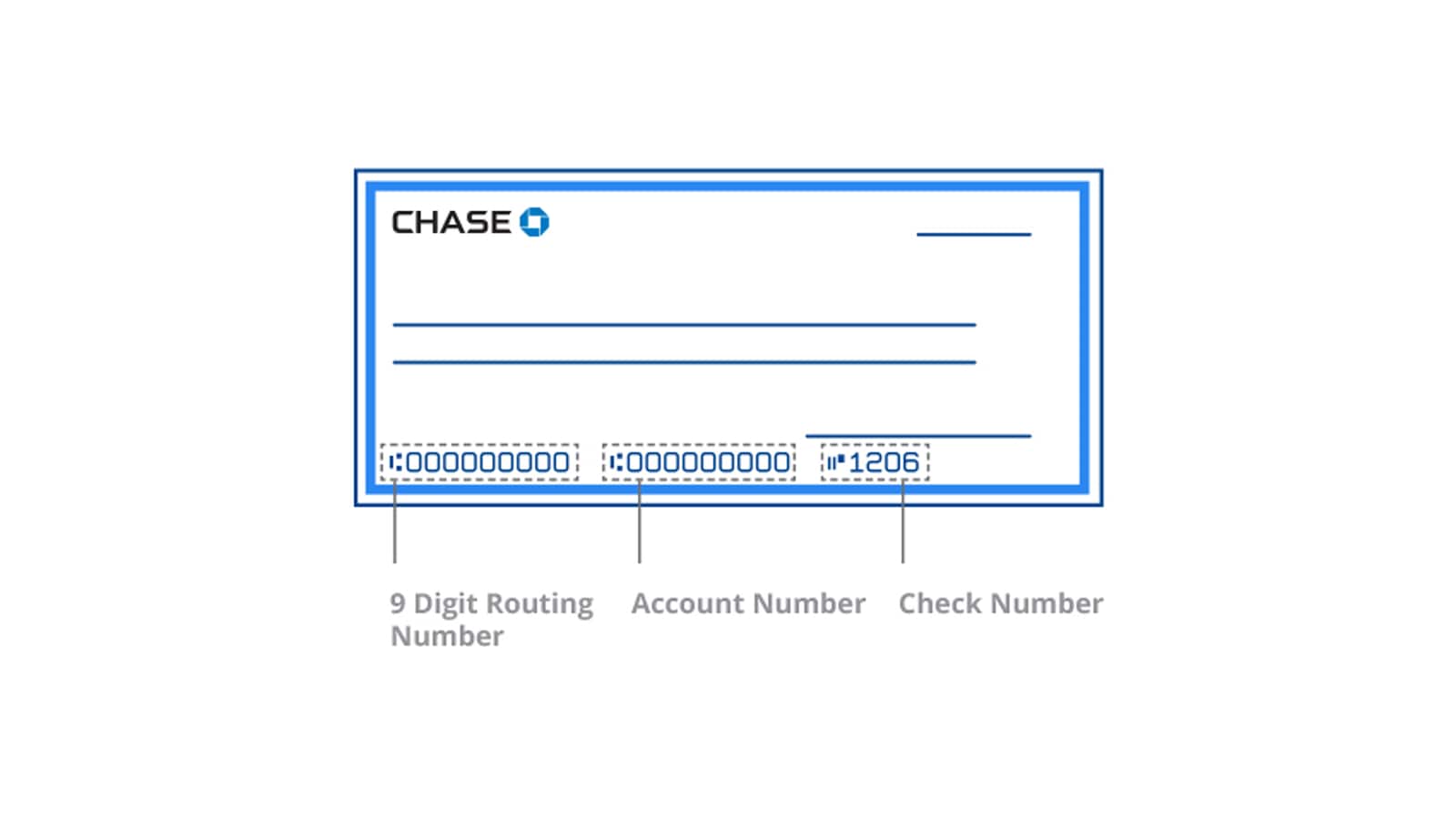
- Direct Deposit: Set up direct deposit for your paycheck, government benefits, or other regular income. This often helps waive monthly service fees and ensures your money is available immediately. You’ll need your Chase account number and routing number, which can be found on your checks or within your online banking portal.
- Bill Pay: Utilize Chase’s online bill pay service to schedule recurring payments for utilities, rent, loans, and other expenses. This prevents late fees and streamlines your monthly financial obligations.
- Zelle: Link your Chase account to Zelle for fast, free money transfers to friends, family, and other trusted individuals directly from your mobile app.
These tools save time, reduce stress, and improve the accuracy of your financial transactions.
Monitoring Your Account and Security
Vigilance is key to financial security:
- Regularly Review Statements: Check your bank statements and transaction history regularly (at least monthly) for any unauthorized activity.
- Set Up Alerts: Use the Chase mobile app or online banking to set up alerts for low balances, large transactions, suspicious activity, and direct deposit notifications.
- Practice Digital Security: Use strong, unique passwords for your online banking. Be wary of phishing scams and never share your login credentials. Enable two-factor authentication whenever possible.
- Report Suspicious Activity: If you notice anything unusual, contact Chase immediately.
Proactive monitoring and adherence to security best practices protect your funds and personal information.
Financial Planning and Goal Setting with Your New Account
Your Chase bank account is more than just a place to hold money; it’s a tool for achieving your financial aspirations:
- Budgeting: Use your checking account as the central hub for your budget. Track income and expenses to understand where your money goes.
- Savings Goals: Utilize your Chase Savings account to set and track specific savings goals, whether for a down payment, an emergency fund, or a vacation. Consider automating transfers from your checking to your savings account.
- Debt Management: Use your checking account to efficiently manage loan payments and credit card bills, working towards debt reduction.
- Future Investments: As your savings grow, your Chase account can serve as a conduit for transferring funds to investment accounts, laying the groundwork for long-term wealth building.
By viewing your bank account as an integral part of your broader financial strategy, you transform it from a mere utility into a powerful instrument for financial success.
Opening a Chase bank account is a significant step towards solidifying your financial infrastructure. By understanding the requirements, carefully gathering your documents, and approaching the process methodically, you can ensure a smooth and successful account opening. More importantly, by leveraging the tools and services Chase provides, and by adopting sound financial practices, you are well-positioned to manage your money effectively, secure your financial future, and achieve your personal economic goals.
aViewFromTheCave is a participant in the Amazon Services LLC Associates Program, an affiliate advertising program designed to provide a means for sites to earn advertising fees by advertising and linking to Amazon.com. Amazon, the Amazon logo, AmazonSupply, and the AmazonSupply logo are trademarks of Amazon.com, Inc. or its affiliates. As an Amazon Associate we earn affiliate commissions from qualifying purchases.